Whole life insurance is a permanent policy that provides a guaranteed death benefit and accumulates cash value, offering families both long-term financial security and a liquid asset. By prioritizing long-term premium stability, moderate death benefits, and early policy initiation, families can secure coverage that remains affordable despite its inherent structural costs.
Core Mechanics of Whole Life Insurance
Whole life insurance is categorized as permanent life insurance. Unlike term life insurance, which covers a specific number of years, a whole life policy is designed to remain in force for the duration of the insured’s life, provided the premiums are paid. This endurance makes it a foundational component for many families planning for multi-generational wealth transfer or final expense coverage.
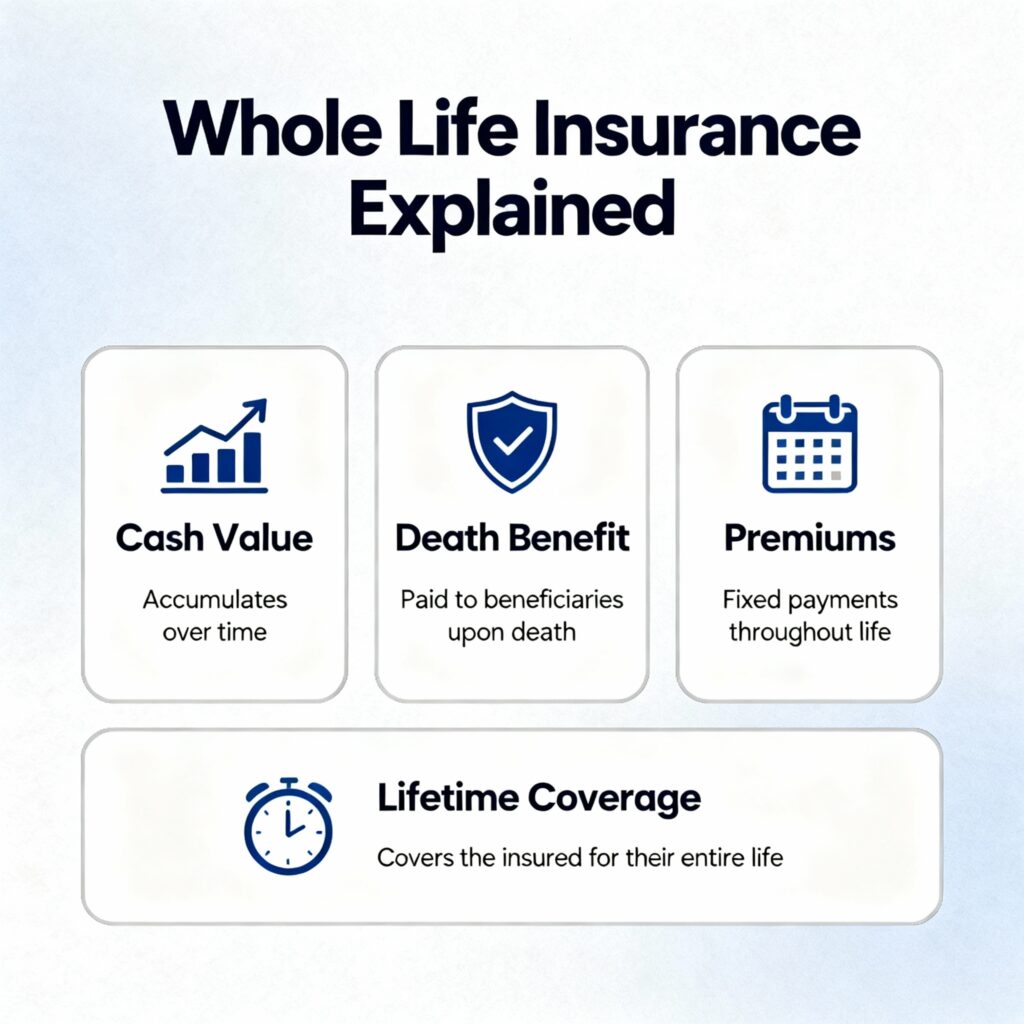
The "whole" aspect relies on three pillars: a fixed death benefit, fixed premium payments, and cash value growth. When you pay your premium, the insurance company allocates a portion toward the cost of insurance and administrative expenses, while the remainder is invested into a cash value account. Over time, this account grows on a tax-deferred basis. Policyholders can eventually borrow against this cash value or, in some cases, surrender the policy to receive the accumulated amount, minus any outstanding loans or fees.
The Reality of Affordability in Permanent Coverage
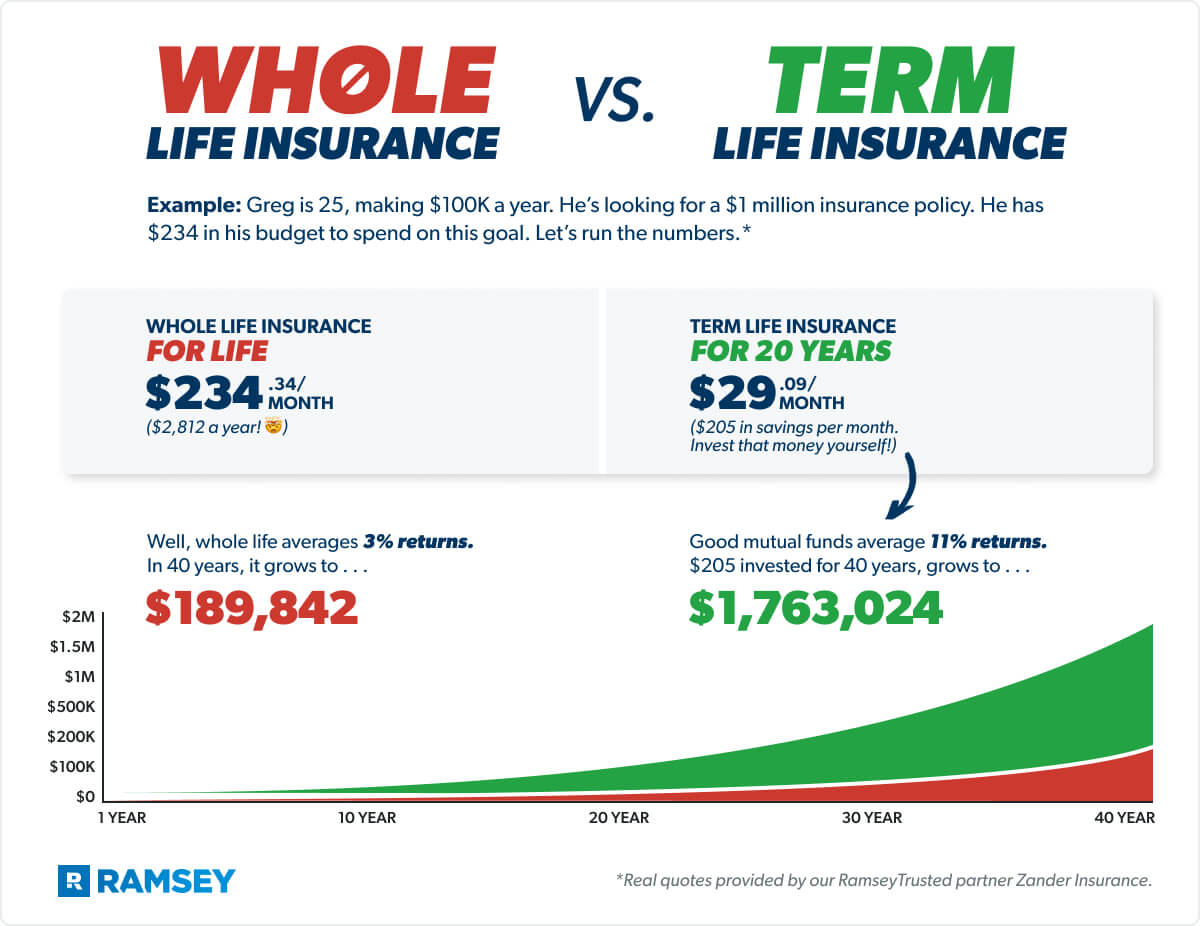
When discussing "affordability" in the context of whole life insurance, it is critical to acknowledge that these premiums are inherently higher than term insurance. Because the policy is guaranteed to pay out eventually—assuming you do not lapse the policy—the insurance company assumes a much higher level of risk and administrative burden.
Affordability for a family is usually achieved through two main strategies: purchasing the policy when the insured is young and healthy to secure lower base rates, and opting for a face amount (death benefit) that covers essential needs rather than excessive wealth replacement. Financial planners often suggest that families treat the premium as a fixed debt obligation, similar to a mortgage payment, to ensure the policy remains active during lean financial years.
Factors Influencing Premium Costs
The cost of a whole life insurance policy is calculated based on several actuarial factors:
- Age at Issue: The younger the insured individual, the lower the annual premium. Insurance companies calculate risk based on life expectancy; thus, starting a policy for a child or young adult significantly reduces the long-term cost.
- Underwriting Class: Insurers evaluate medical history, tobacco use, and sometimes lifestyle habits. Individuals in the "Preferred" or "Super Preferred" health tiers receive the lowest rates.
- Death Benefit Amount: The higher the payout requested, the higher the premiums. Choosing a death benefit that specifically covers debt (such as a mortgage) and essential funeral costs is a common way to maintain affordability.
- Policy Riders: Adding optional benefits, such as a waiver of premium (if the policyholder becomes disabled) or a child term rider, will increase the total cost of the contract.
Strategies for Integrating Whole Life into Family Planning
For many families, whole life insurance is not a replacement for term insurance but a supplement. Some families choose a "blended" approach: they purchase a large term life policy to cover the years when children are young and financial liabilities (like mortgages) are highest, while simultaneously maintaining a smaller whole life policy for lifelong coverage and cash accumulation.
Leveraging Dividends
Many whole life policies offered by mutual insurance companies are "participating," meaning they pay dividends to policyholders. These dividends are not guaranteed, but when they are paid, they can be used to:
- Reduce the out-of-pocket premium payments.
- Purchase additional paid-up insurance (increasing the death benefit).
- Accumulate as cash, which can be withdrawn or borrowed against.
Using dividends to offset premiums is one of the most effective ways to maintain affordability over a policy that may last 40 or 50 years.
Comparative Overview of Policy Types
Understanding how whole life differs from other options is essential for making an informed decision.
| Feature | Term Life Insurance | Whole Life Insurance | Universal Life Insurance |
|---|---|---|---|
| Duration | Fixed (10–30 years) | Lifetime | Lifetime (if funded) |
| Premium | Fixed (low) | Fixed (high) | Flexible |
| Cash Value | None | Guaranteed | Variable |
| Primary Intent | Income replacement | Estate/Long-term planning | Flexibility/Investment |
Evaluating Your Family’s Specific Needs
Before applying for a policy, families must conduct a thorough needs assessment. Avoid the common mistake of over-insuring simply because a carrier offers a high maximum limit. Instead, quantify the following:
- Final Expenses: Funeral costs and immediate administrative estate fees.
- Debt Obligations: Outstanding mortgage balances, private student loans, or credit card debt that would pass to an estate.
- Educational Funding: Projected costs for private school or college tuition that you wish to guarantee regardless of premature death.
- Legacy Goals: Any specific amount you intend to leave to heirs as an inheritance.
Troubleshooting Common Policy Challenges
One of the greatest risks to a whole life policy is "lapse." If a family encounters financial hardship and stops paying premiums, the policy may terminate. While some policies offer "reduced paid-up" options, you lose the original death benefit.
To troubleshoot potential payment issues, consider the following:
- Automatic Premium Loans: Many policies have a feature where the cash value can automatically pay a missed premium. Check your policy documents to see if this is enabled.
- Premium Scheduling: Some insurers allow you to pay premiums semi-annually or quarterly if monthly payments are too restrictive, though this sometimes incurs a small administrative fee.
- Policy Review: Every three years, contact your agent to conduct a policy illustration. This document provides a visual representation of how your policy is performing against original projections, allowing you to make adjustments before problems become permanent.
Frequently Asked Questions
Is whole life insurance an investment or an insurance product? It is primarily an insurance product. While the cash value grows, it generally does not match the long-term historical returns of diversified stock market investments. The growth is conservative and designed for safety rather than aggressive wealth generation.
Can I stop paying premiums and still have coverage? It depends on the policy's cash value. If the accumulated cash value is sufficient, you may be able to use it to cover premium payments. However, if the cash value is exhausted, the policy will lapse. Always consult the specific terms of your contract before stopping payments.
Does medical history affect my ability to get a policy? Yes. Whole life insurance requires medical underwriting. If you have significant pre-existing conditions, you might be declined for a standard policy or offered a "graded benefit" policy where the payout is limited during the first few years.
Are the death benefits taxable? Generally, no. Death benefits paid to a designated beneficiary are usually income-tax-free under current federal tax guidelines. However, if the policy is owned by a trust or involves complex estate structures, you should consult with a tax professional to ensure compliance.
Should I buy whole life for my children? Buying a policy for a child can be a strategy to "lock in" insurability at a low price. Because they are young and healthy, the premiums remain extremely low for their entire life, and the policy will have substantial cash value by the time they reach adulthood.
Final Recommendation: Steps to Proceed
To secure an affordable whole life policy, begin by requesting an "illustration" from three reputable, highly rated mutual insurance carriers. An illustration provides a clear look at how premiums, cash value, and dividends work over a 30-year horizon. Focus on companies with an A+ or better rating from agencies such as AM Best or Standard & Poor's. Once you have quotes, compare the "guaranteed" portions of the policy rather than the projected dividends, as the guarantee represents the absolute minimum benefit your family will receive. Before signing, review the policy’s "non-forfeiture options" to understand exactly what happens to your equity if you ever need to stop paying premiums.