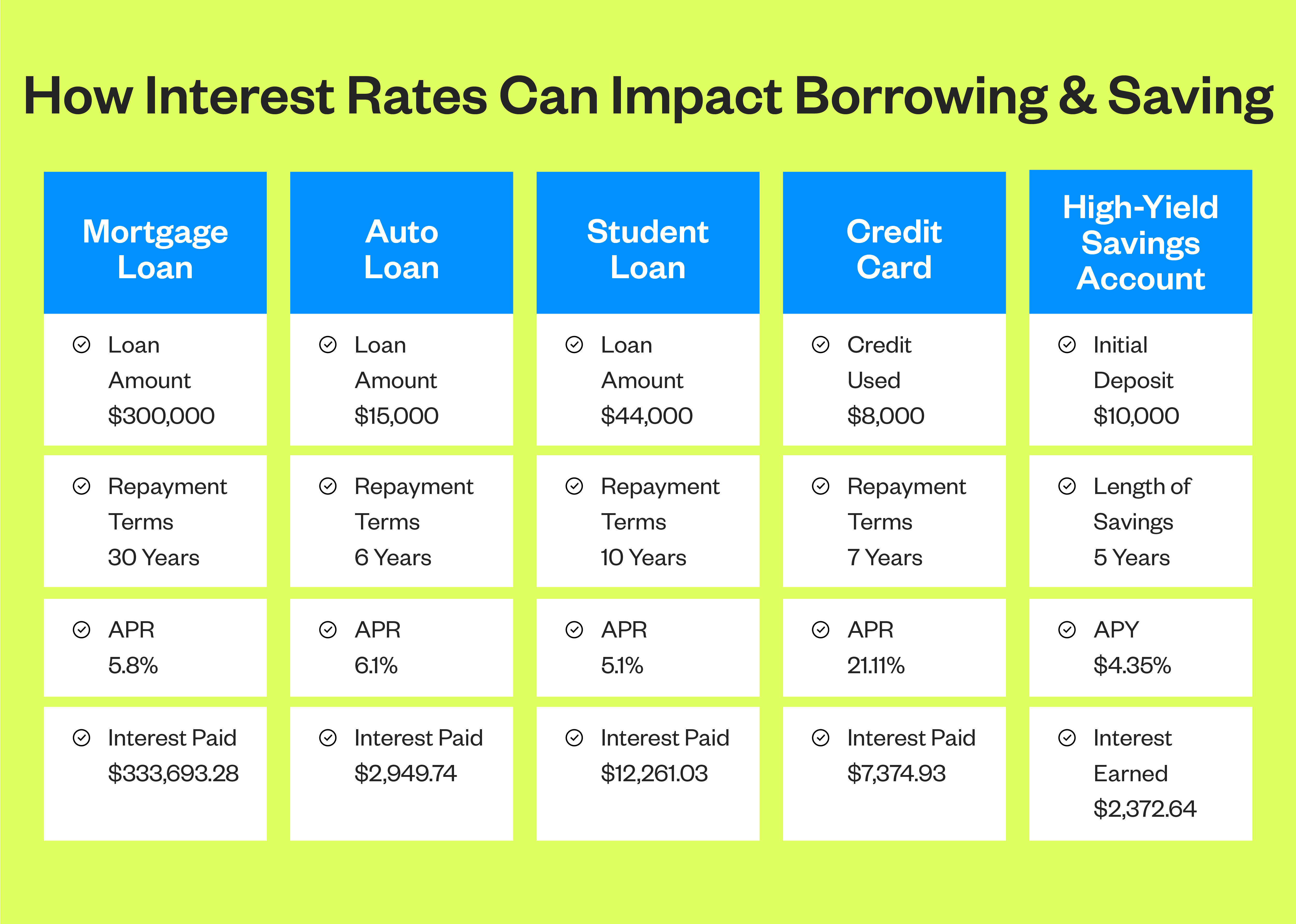
As of 2026, America First Credit Union (AFCU) offers a diverse range of interest rates across its savings, lending, and investment products, typically structured to reward member loyalty and high credit standing. For the most competitive yields, members generally look toward long-term Certificates and Money Market accounts, while borrowers find the lowest APRs on new vehicle loans and 15-year fixed mortgages.
Understanding the AFCU Rate Structure
Navigating the interest rate landscape at a member-owned institution like America First Credit Union (AFCU) requires an understanding of how credit unions differ from traditional banks. Because AFCU is a not-for-profit cooperative, the "interest" earned on savings is technically a "dividend," and the rates are often more competitive than those found at national "big box" banks. In 2026, these rates remain sensitive to the Federal Reserve's monetary policy, but AFCU maintains a tradition of returning surplus earnings to members through lower loan rates and higher deposit yields.
The term "AFCU" most commonly refers to America First Credit Union, one of the largest credit unions in the United States, primarily serving members in Utah, Nevada, Arizona, Idaho, and New Mexico. While other smaller institutions may use similar acronyms (such as Alabama Farm Credit or various Air Force-related credit unions), the search intent for "AFCU interest rates" almost exclusively targets the America First entity. This guide focuses specifically on the current 2026 offerings from America First Credit Union.
Savings and Dividend Rates
For members looking to grow their capital, AFCU provides several tiers of savings vehicles. The primary goal of these accounts is to provide a safe harbor for liquidity while offering a return that helps mitigate the impact of inflation.
Regular Share Savings
The Share Savings account is the foundation of AFCU membership. While it typically offers the lowest dividend rate among deposit products, it serves as the "membership share" that grants the owner a voice in the credit union's governance. In 2026, the rate on a standard share account is designed for accessibility rather than high-yield growth. It is important to note that dividends are usually compounded daily and credited monthly, which slightly increases the Annual Percentage Yield (APY) compared to the base interest rate.
Money Market Accounts
For those with higher balances who still require liquidity, the AFCU Money Market accounts offer a tiered interest rate structure. This means that as your balance crosses specific thresholds—often $10,000, $25,000, or $50,000—the interest rate increases. In the 2026 economic environment, Money Market accounts remain a popular choice for emergency funds because they offer higher rates than standard savings while still allowing for a limited number of monthly withdrawals or checks.
Dedicated Savings Accounts
AFCU also offers specialized accounts, such as the "Dedicated Savings," which allow members to set aside funds for specific goals like holiday shopping or vacations. These accounts often mirror the rates of standard savings but may include restrictions on withdrawals to encourage consistent saving habits. By automating transfers into these accounts, members can take advantage of the compounding effect over the course of a calendar year.
AFCU Certificate Rates (CDs)
Certificates, known as Certificates of Deposit (CDs) at banks, are the primary vehicle for members seeking the highest guaranteed return on their deposits. By committing to leave funds untouched for a set period, members receive a higher fixed interest rate.
Short-Term vs. Long-Term Certificates
In 2026, AFCU provides certificate terms ranging from 6 months to 60 months (5 years). Generally, the longer the term, the higher the interest rate. However, during periods of economic transition, "inverted" rates may occur where short-term "special" certificates (e.g., an 11-month or 15-month term) offer higher yields than the standard 24-month or 36-month options. These promotional certificates are often used to attract new liquidity and are highly sought after by savvy investors.
The Impact of Early Withdrawal Penalties
When evaluating certificate rates, it is crucial to consider the "cost of liquidity." AFCU, like all financial institutions, imposes an early withdrawal penalty if you access your certificate funds before the maturity date. This penalty is typically calculated as a specific number of days' worth of interest. In 2026, for a certificate with a term of one year or less, the penalty is often 90 days of dividends. For longer terms, the penalty may increase to 180 days or more. This makes it vital to choose a term that aligns with your actual financial timeline.
Certificate Laddering Strategies
Many AFCU members utilize a "laddering" strategy to manage interest rate risk. Instead of putting $50,000 into a single 5-year certificate, a member might put $10,000 into a 1-year, 2-year, 3-year, 4-year, and 5-year certificate. As each certificate matures, it is reinvested into a new 5-year certificate at the current 2026 or future 2027 rates. This ensures that a portion of the money becomes available every year while capturing the higher rates associated with longer terms.
Consumer Loan Interest Rates
On the lending side, AFCU is widely recognized for its competitive Annual Percentage Rates (APR) on consumer goods, particularly vehicles and personal expenses.
Auto Loan Rates
Auto loans remain a flagship product for AFCU in 2026. Rates are determined by three primary factors:
- Credit Score: Members with "A+" credit (typically 740+) receive the lowest published rates.
- Vehicle Age: New vehicles (current or previous year models) often qualify for lower rates than used vehicles.
- Loan Term: Shorter terms (36 to 48 months) generally carry lower interest rates than extended terms (72 to 84 months).
In 2026, AFCU also offers competitive rates for RVs, boats, and motorcycles. These "specialty" loans typically carry a slightly higher APR than standard auto loans due to the faster depreciation of the collateral.
Personal and Signature Loans
For members needing unsecured funds, AFCU provides personal loans. Because there is no collateral (like a car or house) backing the loan, these interest rates are significantly higher than auto or mortgage rates. However, for members with excellent credit, an AFCU signature loan often provides a much lower interest rate than a standard credit card, making them a viable option for debt consolidation.
Mortgage and Home Equity Rates
Real estate lending at AFCU is divided into purchase mortgages, refinances, and Home Equity Lines of Credit (HELOCs). In 2026, mortgage rates are influenced heavily by the 10-year Treasury yield and regional housing market conditions.
Fixed-Rate Mortgages
AFCU offers 10, 15, 20, and 30-year fixed-rate mortgages. The 15-year fixed mortgage consistently offers a lower interest rate than the 30-year option, though it requires a higher monthly payment. These rates are "locked" at the time of application or shortly thereafter, protecting the borrower from rate increases during the closing process.
Adjustable-Rate Mortgages (ARMs)
For members who plan to move or refinance within a few years, AFCU's ARMs can offer a lower initial interest rate compared to fixed-rate products. These typically follow a "5/1" or "7/1" structure, where the rate remains fixed for the first five or seven years and then adjusts annually based on a pre-defined index plus a margin.
Home Equity Lines of Credit (HELOC)
A HELOC allows members to borrow against the equity in their home. In 2026, these rates are usually variable and tied to the Prime Rate. AFCU often runs promotions for "introductory" HELOC rates, which might stay low for the first 6 to 12 months before reverting to the standard variable rate.
Comparison of Representative AFCU Rates (2026 Estimates)
The following table provides a snapshot of representative rates. These figures are illustrative of the 2026 financial environment and are subject to change based on individual creditworthiness and daily market fluctuations.
| Product Category | Typical Term | Estimated 2026 Rate/APY | Minimum Balance |
|---|---|---|---|
| Share Savings | N/A | 0.05% - 0.15% APY | $1.00 |
| Money Market | N/A | 1.50% - 2.75% APY | $10,000 |
| 12-Month Certificate | 1 Year | 4.25% - 4.75% APY | $500 |
| 60-Month Certificate | 5 Years | 3.50% - 4.00% APY | $500 |
| New Auto Loan | 60 Months | 5.49% - 6.99% APR | N/A |
| Used Auto Loan | 60 Months | 5.99% - 7.49% APR | N/A |
| 30-Year Fixed Mortgage | 30 Years | 6.25% - 7.00% APR | N/A |
| 15-Year Fixed Mortgage | 15 Years | 5.50% - 6.15% APR | N/A |
Note: APR (Annual Percentage Rate) applies to loans; APY (Annual Percentage Yield) applies to savings. Rates are estimates for "Tier 1" credit profiles.
Factors That Influence Your Specific Rate
It is a common misconception that the rates posted on the AFCU website are the rates every member receives. Several internal and external factors will dictate the final interest rate offered on a loan or the yield earned on an account.
Credit Score Impact
AFCU utilizes a risk-based pricing model. Members with high FICO scores are viewed as lower risk and therefore qualify for the "as low as" rates advertised in marketing materials. Conversely, members with "B" or "C" grade credit may see rates that are 2% to 10% higher than the prime offerings. Improving your credit score by even 20 points before applying for an AFCU loan can result in significant interest savings over the life of the loan.
Loan-to-Value (LTV) Ratio
For auto and mortgage loans, the amount of money you provide as a down payment affects the rate. If you are borrowing 100% of the vehicle's value, the interest rate may be higher than if you were only borrowing 80%. This is because a lower LTV provides a buffer for the credit union if the collateral needs to be repossessed and sold.
Membership Relationship
AFCU occasionally offers "relationship discounts." For example, members who have an active checking account with direct deposit and automatic loan payments may qualify for a 0.25% reduction in their auto loan interest rate. Always ask a loan officer if there are "bundle" discounts available for your specific situation.
How to Verify and Lock Your Rate
Because interest rates are highly volatile, the rates you see today may not be available tomorrow. To ensure you receive the best possible terms, follow these steps:
- Check the Official Website: Visit americafirst.com for the most current daily rate sheets.
- Get Pre-Approved: For loans, a pre-approval typically locks in a rate for a set period (often 30 to 60 days), protecting you from market increases while you shop.
- Review the Truth-in-Lending Disclosure: Before signing any loan document, review the APR, which includes not just the interest rate but also any fees associated with the loan. This provides the most accurate "all-in" cost of borrowing.
- Consider the "Rate Buy-Down": In some mortgage scenarios, you may be able to pay "points" (upfront fees) to lower your permanent interest rate.
Frequently Asked Questions
Does AFCU offer better rates than commercial banks?
In many cases, yes. Because America First Credit Union is a member-owned cooperative, it does not have to pay dividends to outside stockholders. This often allows it to offer slightly higher yields on savings certificates and lower APRs on consumer loans compared to large national banks. However, high-yield online banks may occasionally offer higher APYs on savings due to their lower physical overhead.
How often do AFCU interest rates change?
Dividend rates for savings and money market accounts can change at any time, usually on a monthly basis, as determined by the AFCU Board of Directors. Loan rates and certificate yields change more frequently, often following shifts in the Federal Funds Rate or the 10-year Treasury note.
Can I negotiate my interest rate at AFCU?
While the base rates are set by the board and are generally non-negotiable, you can "earn" a better rate by improving your credit score, increasing your down payment, or participating in relationship banking programs like direct deposit. For very large commercial loans, there may be more room for structural negotiation.
Is my interest-earning account at AFCU safe?
Yes. Deposits at America First Credit Union are federally insured by the National Credit Union Administration (NCUA). The NCUA Share Insurance Fund is backed by the full faith and credit of the U.S. government, providing coverage up to at least $250,000 per individual depositor—equivalent to the FDIC insurance provided to bank customers.
What is the difference between APR and APY at AFCU?
APR (Annual Percentage Rate) is used for loans and represents the annual cost of borrowing money, including interest and certain fees. APY (Annual Percentage Yield) is used for savings and reflects the total amount of dividends you earn on an account in one year, taking into account the effect of compounding interest.
Final Recommendations
When evaluating AFCU interest rates in 2026, the best strategy is to look beyond the "headline rate." If you are a saver, focus on the APY and the compounding frequency. If you are a borrower, prioritize your credit health and look for relationship discounts that can shave fractions of a percentage point off your APR. Given the stability and member-centric model of America First Credit Union, their rates remain among the most competitive in the intermountain west for consumers seeking a balance of service and value.