Planning adventure vacations in the United States requires balancing physical preparation, geographic logistics, and seasonal timing across diverse terrains like rugged mountain ranges, deep canyons, and coastal shorelines. Success depends on understanding permit requirements, securing appropriate gear, assessing physical demands, and evaluating professional guide services or independent routes.
Understanding the Landscape of American Adventure Travel
The United States features an immense array of topographical regions, each offering distinct types of outdoor recreation. From the glaciated peaks of the Pacific Northwest to the subterranean cave networks of the Southeast, and the red-rock labyrinths of the Southwest to the white-water corridors of the Intermountain West, the country supports virtually every outdoor discipline.
When planning an expedition, recognizing the structural differences among these regions is the first step toward a safe and rewarding itinerary. Public lands in the U.S. are managed by various federal and state agencies—primarily the National Park Service (NPS), the USDA Forest Service (USFS), the Bureau of Land Management (BLM), and state park departments. Each agency operates under distinct regulatory frameworks, affecting everything from backcountry camping permits to motorized vehicle access and campfire restrictions.
For instance, national parks often enforce strict quotas on overnight backcountry travel to preserve fragile alpine or desert ecosystems. Conversely, vast tracts of BLM and National Forest land frequently offer dispersed camping and multi-use recreation trails with fewer administrative barriers, though they may lack developed infrastructure like potable water or maintained trailheads. Researching land management jurisdictions before departure ensures compliance with local laws and prevents unexpected fines or trip interruptions.
Evaluating Popular Adventure Destinations by Discipline
Different regions excel at specific activities. Aligning your desired discipline with the correct geography optimizes your travel time and financial investment.
Mountain Mountaineering and Alpine Trekking
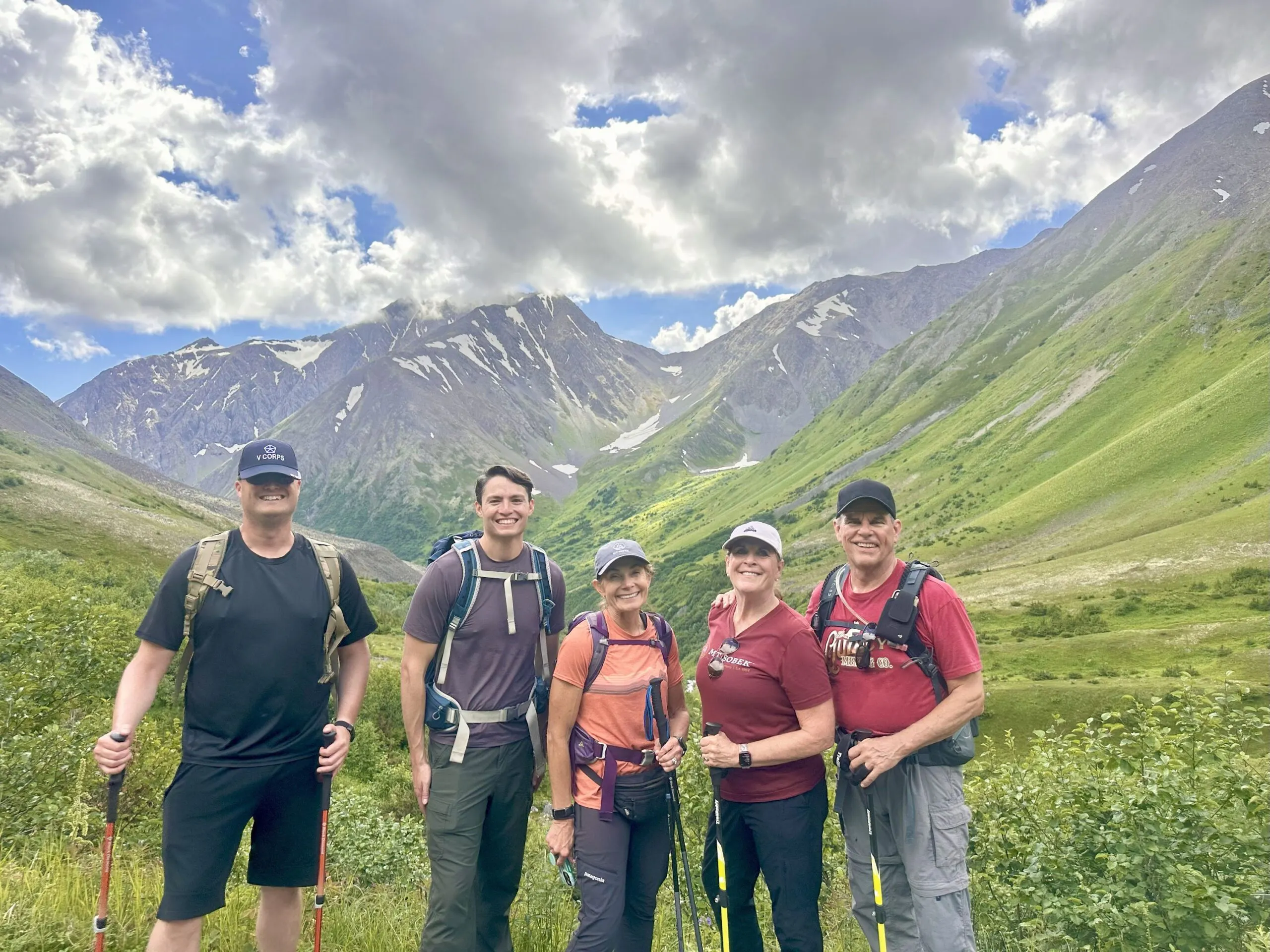
The Rocky Mountains, the Sierra Nevada, and the Cascade Range form the backbone of American alpine adventure. Climbing peaks exceeding 14,000 feet—frequently referred to as "fourteeners" in Colorado—or attempting glaciated routes on Mount Rainier requires technical mountaineering skills, rope work, and advanced navigation tools.
Whitewater Rafting and Kayaking
For high-adrenaline river expeditions, the Colorado River through the Grand Canyon, the Salmon River in Idaho, and the Gauley River in West Virginia provide world-class whitewater. These runs range from multi-day self-support or commercial raft trips requiring lottery-won permits to technical single-day class V runs.
Desert Canyoneering and Backpacking
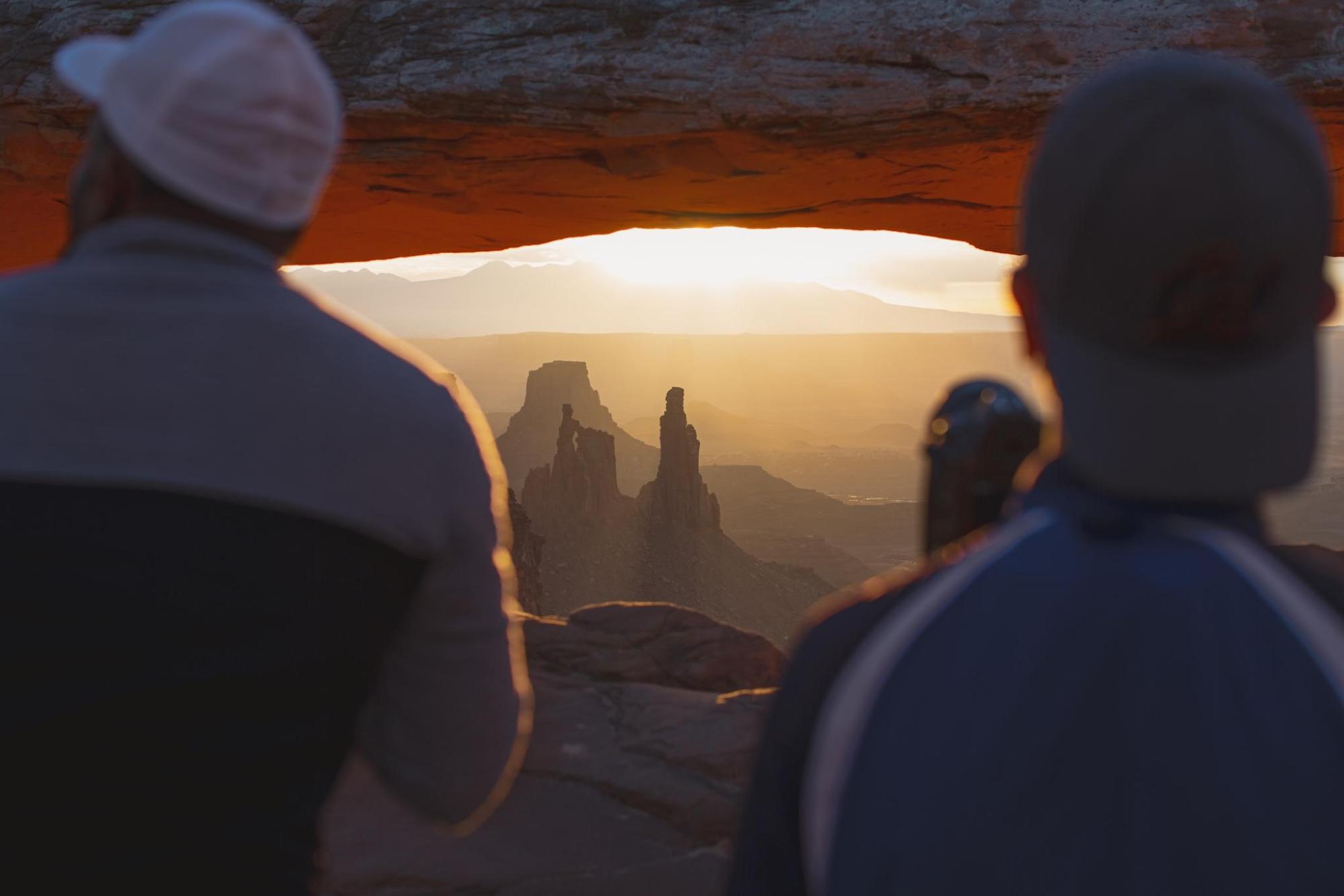
The Colorado Plateau, spanning Utah, Arizona, New Mexico, and Colorado, presents extraordinary opportunities for slot canyon exploration and desert backpacking. Navigating narrow sandstone corridors requires technical rope descents, rappelling proficiency, and meticulous water management due to extreme temperatures and flash flood hazards.
Essential Planning Steps for Your U.S. Adventure
Executing a seamless adventure trip involves a structured progression from high-level conceptualization to granular logistical execution.
1. Defining Objectives and Assessing Fitness
Honest self-assessment of physical fitness and technical capability is mandatory. High-altitude environments (above 8,000 feet) introduce risks of acute mountain sickness (AMS), which can incapacitate even seasoned athletes if they do not budget adequate time for acclimatization. Match the objective trail mileage, elevation gain, and technical grade to your training history.
2. Securing Permits, Reservations, and Passes
Many of the most sought-after adventures in the U.S. operate on competitive reservation systems.
- Recreation.gov: The central platform for booking federal campsites, wilderness permits, and lottery-based river trips. Note opening dates months in advance, as permits for high-demand areas like the Enchantments in Washington or Half Dome in Yosemite sell out within seconds.
- Interagency Passes: The "America the Beautiful" National Parks and Federal Recreational Lands Pass provides cost-effective access to more than 2,000 federal recreation sites for an annual fee, covering entrance and standard amenity fees.
3. Gear Procurement and Technical Preparation
Depending on the environment, gear requirements shift dramatically. In alpine zones, lightweight, windproof, and waterproof layers paired with insulated sleeping pads rated for low R-values are non-negotiable. In desert environments, heavy-duty water filtration systems, electrolyte supplementation, and sun-protective apparel take precedence.
Comparative Overview of Major U.S. Adventure Hubs
| Region / Hub | Primary Activities | Best Season | Key Permits Required | Skill Level |
|---|---|---|---|---|
| Pacific Northwest (WA/OR) | Mountaineering, Volcano Climbing, Rainforest Backpacking | July – September | Wilderness permits, NW Forest Pass | Intermediate to Advanced |
| The Intermountain West (CO/UT/ID) | Rock Climbing, Whitewater Rafting, Alpine Trekking | June – October | Recreation.gov permits, BLM dispersed rules | Beginner to Expert |
| The Southwest Desert (UT/AZ) | Canyoneering, Slot Canyon Hiking, Mountain Biking | March – May, October – November | BLM/NPS day-use or overnight permits | Intermediate to Advanced |
| The Northeast (NH/ME/NY) | Ridge Walking, Ice Climbing, Autumn Backpacking | June – October, January – March | AMC hut reservations, state park registers | Beginner to Advanced |
Risk Management, Safety, and Emergency Protocols
Adventure travel in remote U.S. wilderness areas inherently involves risk. Mitigating these hazards requires adherence to established wilderness safety protocols.
Weather and Environmental Hazards
Sudden weather shifts are common in mountainous and desert terrains alike. Afternoon thunderstorms regularly threaten alpine ridges throughout the Rockies during summer months, bringing dangerous lightning strikes. Desert regions carry severe flash flood risks during monsoon seasons, even when storms occur miles away upstream. Always check local meteorological forecasts and consult ranger stations for up-to-date conditions.
Communication and Emergency Extraction
Cellular service is frequently absent in national parks, deep canyons, and remote forests. Carrying a reliable satellite communication device, such as a Garmin inReach or a ZOLEO satellite messenger, enables two-way messaging and SOS distress signaling.
- Evacuation Costs: Search and rescue (SAR) operations in the United States are typically managed by county sheriff departments or volunteer organizations. While SAR services themselves are generally provided without direct charges to the victim, specialized medical evacuations via helicopter can incur substantial out-of-pocket medical transport bills. Securing travel insurance or a specialized rescue membership (such as SATERN or Global Rescue) is strongly recommended for high-risk pursuits.
Common Mistakes to Avoid When Planning
- Undervaluing Acclimatization: Attempting strenuous physical activity above 9,000 feet on the first day of arrival frequently leads to altitude sickness, ruining the trip and creating safety hazards.
- Underestimating Water Logistics: Relying on natural water sources without a verified backup plan or carrying insufficient carrying capacity in arid environments can lead to severe dehydration.
- Ignoring Leave No Trace Principles: Failing to pack out waste, improperly disposing of human waste in sensitive alpine or desert soils, or violating campfire bans damages fragile ecosystems and risks heavy fines.
- Neglecting Navigation Redundancy: Relying exclusively on smartphone GPS apps without carrying a physical topographic map, compass, and backup power bank leaves travelers vulnerable to battery failure.
Frequently Asked Questions
Do I need a guide for adventure vacations in the U.S.?
A guide is not legally required for most public lands, but hiring a certified professional is strongly advised for technical disciplines like mountaineering, ice climbing, multi-pitch rock climbing, or complex whitewater rafting expeditions. Guides provide essential safety oversight, specialized group gear, and local environmental expertise.
What is the best time of year for a U.S. adventure vacation?
The optimal window depends entirely on latitude and elevation. Summer (July to September) is ideal for high-altitude alpine routes in the Rockies and Cascades, while spring and autumn provide the safest and most comfortable weather for desert adventures in Utah, Arizona, and the American Southwest.
How do I handle human waste responsibly in the backcountry?
In most wilderness areas, burying waste in a cathole 6 to 8 inches deep and at least 200 feet away from lakes, streams, and trails is standard protocol. In fragile alpine or high-use desert environments (such as certain Utah slot canyons or river corridors), carrying out human waste using specialized waste bags (WAG bags) is legally mandated to protect water sources and soil health.
Are permits required for all national parks?
Not all national parks require permits for simple day hiking, but many popular backcountry routes, summit ascents, and overnight camping areas enforce strict permit systems to prevent overcrowding and environmental degradation. Always check the specific park's official NPS web portal well in advance of your travel dates.
What emergency gear should always be in my pack?
Standard preparedness centers around the "Ten Essentials," which include navigation tools (map and compass), sun protection, insulation (extra clothing), illumination (headlamp), first-aid supplies, fire starter, repair kit and tools, nutrition, hydration, and emergency shelter.
Next Steps for Travelers
Begin your planning process by selecting your preferred discipline and geographic region at least six to nine months in advance of your target travel dates. Check relevant permit release schedules on Recreation.gov, evaluate your physical conditioning routine, and secure high-quality technical footwear and layering systems before departure.