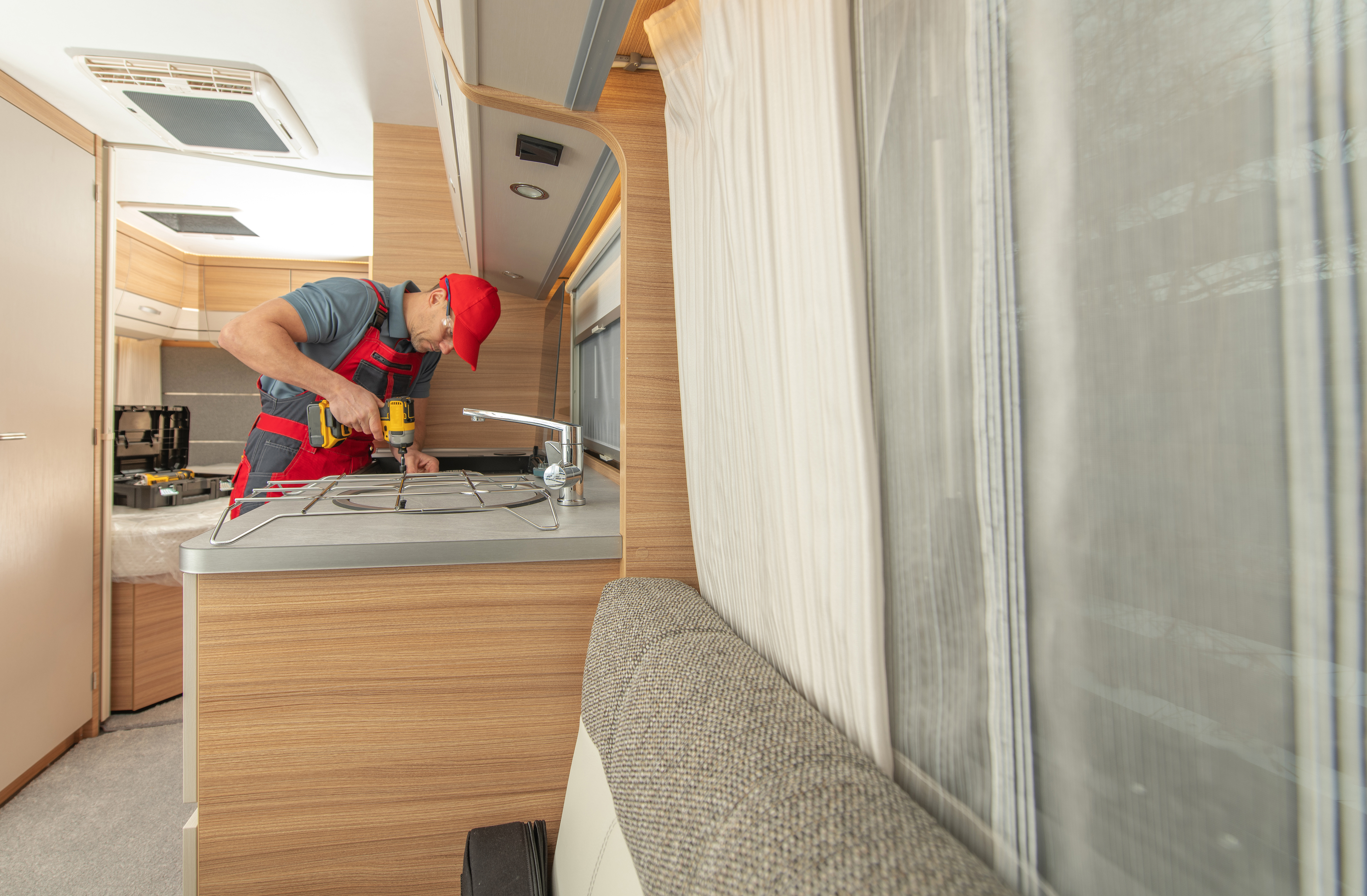
Adventure RV repair for mobile living encompasses the specialized diagnostic, maintenance, and structural restoration techniques required to keep recreational vehicles operational while traveling off-grid or living on the road full-time. Unlike stationary residential maintenance, mobile living subjects an RV to continuous mechanical stress, vibration, and environmental exposure, demanding a proactive approach to troubleshooting chassis systems, living quarters, solar configurations, and plumbing networks far from traditional brick-and-mortar service centers.
Navigating the realities of full-time mobile living requires a shift in mindset from periodic maintenance to continuous system monitoring. When an RV serves as both a primary residence and an off-grid exploration vehicle, unexpected breakdowns disrupt daily shelter, work, and travel. Understanding how to manage adventure RV repairs involves diagnosing root causes rather than temporary fixes, securing reliable access to specialized tools and parts, and knowing when a roadside mechanical failure necessitates professional intervention versus a field-expedient repair.
The Core Philosophy of Mobile Living Maintenance
Living mobile introduces unique wear patterns that differ drastically from recreational weekend use. Constant movement over varying terrain exerts immense torsional stress on cabinetry, chassis frames, wall seams, and slide-out mechanisms. Every mile traveled on corrugated dirt roads, uneven asphalt, or gravel tracks is equivalent to months of stationary wear. Consequently, maintenance routines must transition from reactive troubleshooting to aggressive preventative care.
The first principle of adventure RV repair is structural integrity management. Water intrusion remains the single greatest threat to any mobile dwelling. Continuous vibration can crack roof sealants, window gaskets, and slide-out seals within a few thousand miles of travel. Developing a routine inspection schedule—checking exterior caulking, roof membranes, and plumbing connections every month—prevents minor weather-proofing failures from escalating into catastrophic wood rot or black mold infestations.
Furthermore, weight distribution and payload management dictate the longevity of your suspension and braking systems. Overloading an adventure RV or misdistributing heavy gear accelerates leaf spring fatigue, axle misalignment, and tire wear. Mastering mobile living means treating your vehicle's Gross Vehicle Weight Rating (GVWR) as an absolute boundary, balancing fresh water, grey water, fuel, and gear to minimize mechanical strain while traversing remote environments.
Diagnostic Frameworks for Off-Grid Repairs
When a system fails in a remote location, systematic troubleshooting is essential to avoid compounding the problem. Effective adventure RV repair relies on a structured diagnostic framework that isolates issues across four primary domains: electrical infrastructure, plumbing systems, chassis mechanics, and climate control appliances.
Electrical Infrastructure and Power Management
Modern adventure RVs depend heavily on complex 12V DC and 120V AC electrical systems, often integrated with lithium iron phosphate (LiFePO4) battery banks, solar arrays, and multi-stage inverter-chargers. When power fails, the troubleshooting sequence should always begin at the source before moving to downstream loads.
- Verify Battery State of Charge (SoC): Use a digital multimeter to measure terminal voltage. A resting 12V lead-acid battery reads around 12.6V when fully charged, whereas a 12V lithium battery rests near 13.3V to 13.4V.
- Inspect Overcurrent Protection: Check all fuses in the 12V distribution panel and circuit breakers in the 120V main breaker box. A tripped breaker or blown fuse often indicates a short circuit or an overloaded appliance circuit.
- Trace Solar and Alternator Charging: If auxiliary batteries are not charging, inspect the solar charge controller's error codes, verify that panel connections are secure and free of debris, and test the DC-to-DC battery charger or isolator tied to the tow vehicle's alternator.
Plumbing and Water System Troubleshooting
Living mobile requires a reliable water delivery and sanitation system. Freeze damage, clogs, and pump failures are common hazards that require immediate attention to maintain basic sanitation standards.
- Water Pump Cycling: If the 12-volt water pump continuously cycles on and off without a faucet open, check for a pressurized side leak, a failing check valve inside the pump head, or an empty fresh water tank sucking air.
- Low Water Pressure: Inspect and clean the aerators on individual faucets and remove any sediment buildup inside the primary inline water pressure regulator.
- Grey and Black Tank Valves: Cable-operated gate valves can slip or jam due to road grime and grit intrusion. Lubricating the slide cables with dry PTFE spray and exercising the valves regularly prevents costly gate seal replacements.
Sourcing Parts and Mobile Repair Logistics
Sourcing replacement components while traveling introduces logistical hurdles that stationary homeowners never face. Part numbers vary significantly between motorhome classes (Class A, B, and C) and towable configurations (travel trailers and fifth wheels), making precise identification critical before ordering components to a temporary shipping address or general delivery location.
Comparison of RV Repair Approaches for Nomadic Living
| Repair Strategy | Advantages | Disadvantages | Best Used For |
|---|---|---|---|
| DIY Field Repair | Immediate execution; zero labor costs; deepens technical self-reliance. | Requires specialized tools; risk of voiding warranties; potential for improper installation. | Minor electrical fixes, loose trim, sealant touch-ups, simple plumbing leaks. |
| Mobile RV Technician | Comes directly to your campsite or boondocking spot; saves towing fees; personalized service. | Higher hourly rates; travel fees; parts availability may be limited to what can be carried. | Complex diagnostics, appliance repair, slide-out synchronization, electrical system commissioning. |
| Dealership / Service Center | Access to heavy-duty lifts, proprietary diagnostic software, and factory-certified technicians. | Long wait times (often weeks or months); requires unhooking or moving out of the RV; high labor costs. | Major structural frame damage, transmission rebuilds, extensive slide-out track replacements. |
Utilizing general delivery services through postal carriers or holding packages at authorized shipping hubs allows travelers to receive parts in remote towns. However, diagnostic accuracy must precede ordering. Cross-referencing OEM part numbers using specific VINs or appliance model numbers prevents costly returns when operating miles away from the nearest supply warehouse.
Essential Toolkits and Spares for the Road
A well-curated mobile toolkit bridges the gap between a minor inconvenience and a journey-ending catastrophe. Packing for adventure RV repair requires balancing weight limits with operational necessity. Prioritize modular hand tools and multi-meters over heavy, single-purpose equipment.
Recommended Mobile Repair Inventory
- Electrical Diagnostics: True RMS digital multimeter, wire strippers, heat gun, a assortment of marine-grade heat-shrink butt connectors, electrical tape, and spare automotive fuses of all amperages.
- Fasteners and Hardware: A comprehensive kit containing stainless steel self-tapping screws, washers, nuts, nylon zip ties, and heavy-duty structural velcro.
- Sealants and Adhesives: Dicor self-leveling lap sealant for rubber or TPO roofs, non-leveling silicone or polyurethane sealant (such as Sikaflex) for vertical sidewalls, and a roll of Eternabond tape for emergency roof patches.
- Plumbing Supplies: PEX tubing, push-to-connect fittings (SharkBite), PTFE thread seal tape, plumber's putty, and extra flexible drain hose sections.
- Mechanical Tools: A half-inch socket set, torque wrench, adjustable wrenches, channel-lock pliers, breaker bar, and a heavy-duty hydraulic jack rated for your RV's gross axle weight rating (GAWR).
Safety Protocols and Environmental Considerations
Executing repairs in remote environments or dispersed campsites demands strict adherence to safety protocols. Unlike a paved driveway, uneven terrain, soft sand, or mud can compromise the stability of jack stands and lifting equipment. Always secure the RV with wheel chocks, use rated jack stands on solid timber blocking, and never crawl beneath a vehicle supported solely by a hydraulic bottle jack.
Furthermore, mobile living places a heavy emphasis on Leave No Trace principles, particularly during mechanical maintenance. Fluid changes—such as engine oil, coolant, or generator servicing—must be captured completely using dedicated catch pans and disposed of legally at designated recycling facilities or auto parts stores. Never allow grey water, black water, petroleum products, or chemical solvents to enter local watersheds or unpaved soil surfaces.
Frequently Asked Questions
What should I do if my RV slide-out gets stuck halfway out in a remote area?
Most electric and hydraulic slide-out systems feature a manual override mechanism. For electric rack-and-pinion systems, locate the motor (often accessed from beneath the chassis or behind an interior pass-through panel), disconnect the electrical harness, and use a flexible shaft or ratchet to manually turn the override hex nut. For Schwintek in-wall systems, you may need to manually disengage the motor controllers or unplug the motors directly from the control board to push the room flush manually.
How can I temporarily patch a leaking RV roof during a heavy storm?
If a leak develops while it is raining, traditional liquid sealants will not cure properly. The most reliable field-expedient fix is cleaning the area as best as possible with a dry rag and applying a patch of Eternabond microsealant tape directly over the compromised seam or puncture. Press the tape down firmly using a rubber roller or spoon handle to activate the pressure-sensitive adhesive, creating an immediate waterproof barrier until proper permanent repairs can be made.
How do I troubleshoot an RV refrigerator that refuses to run on propane?
When an RV refrigerator operates on 120V AC shore power but fails on propane, the issue typically stems from a blocked burner tube, a tripped thermal safety switch, or an ignition failure. First, ensure your propane tanks are full and the manual supply valve is open. Next, check the exterior access panel for spider webs or insect nests inside the burner tube. Clear any debris with compressed air, verify that the igniter electrode sparks consistently, and reset the thermal fuse switch if it has tripped due to excessive heat buildup.
What causes an RV lithium battery to shut down unexpectedly in cold weather?
Lithium iron phosphate (LiFePO4) batteries feature built-in Battery Management Systems (BMS) designed to protect internal cells from damage. Charging a lithium battery below freezing (32°F / 0°C) causes lithium plating on the anodes, which permanently diminishes capacity and poses a short-circuit hazard. Consequently, a quality BMS will automatically disconnect the charging circuit when freezing temperatures are detected, even if the battery continues to discharge power to run interior lights and appliances.
Conclusion and Next Actions
Mastering adventure RV repair for mobile living transforms the inevitable challenges of the road into manageable maintenance tasks. By establishing a rigorous preventative inspection schedule, carrying a targeted toolkit, and knowing when to utilize mobile technicians versus field-expendient fixes, you ensure uninterrupted independence. For your next step, perform a comprehensive inspection of your roof seals, test your auxiliary battery state of charge, and audit your emergency spares inventory before embarking on your next remote journey.