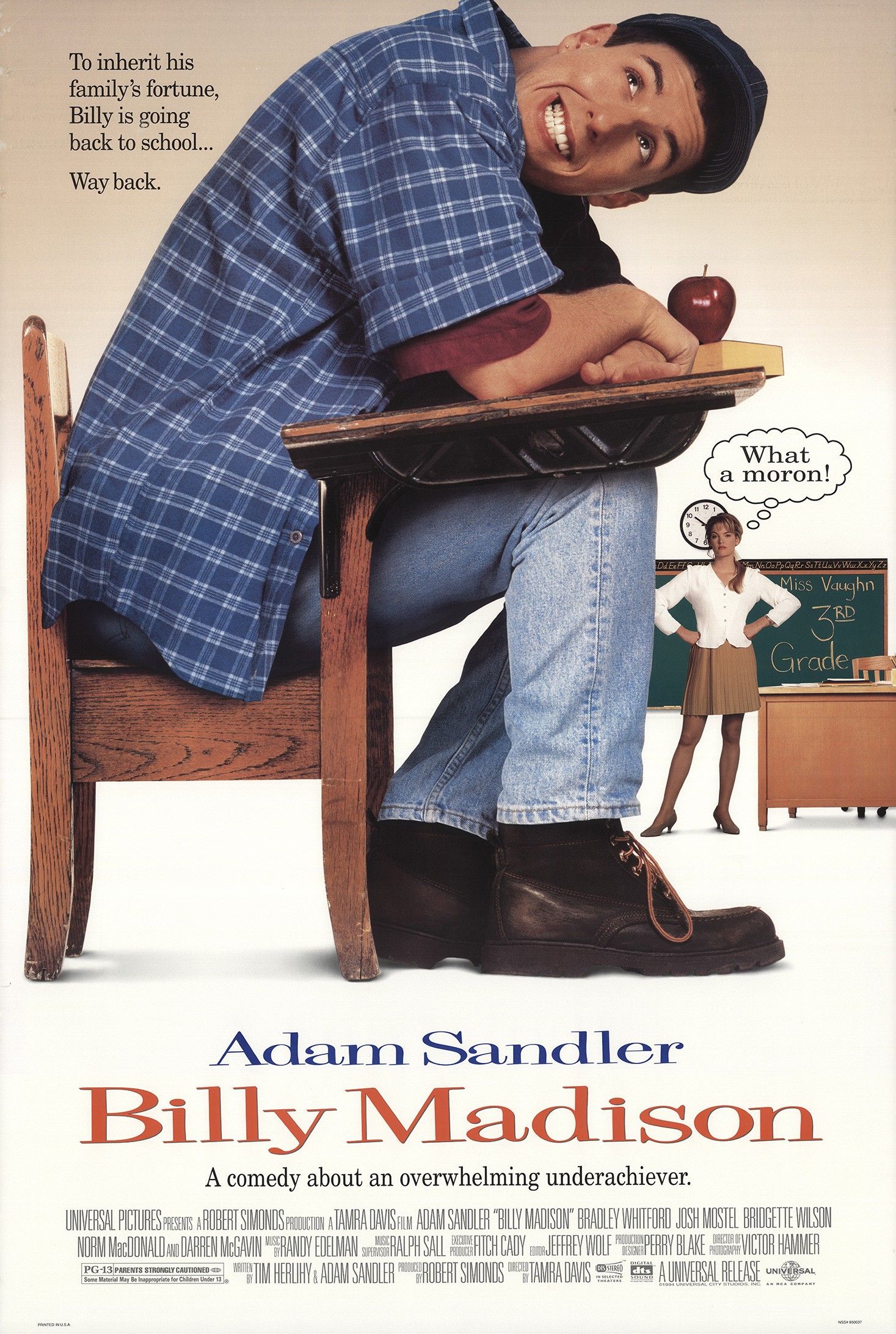
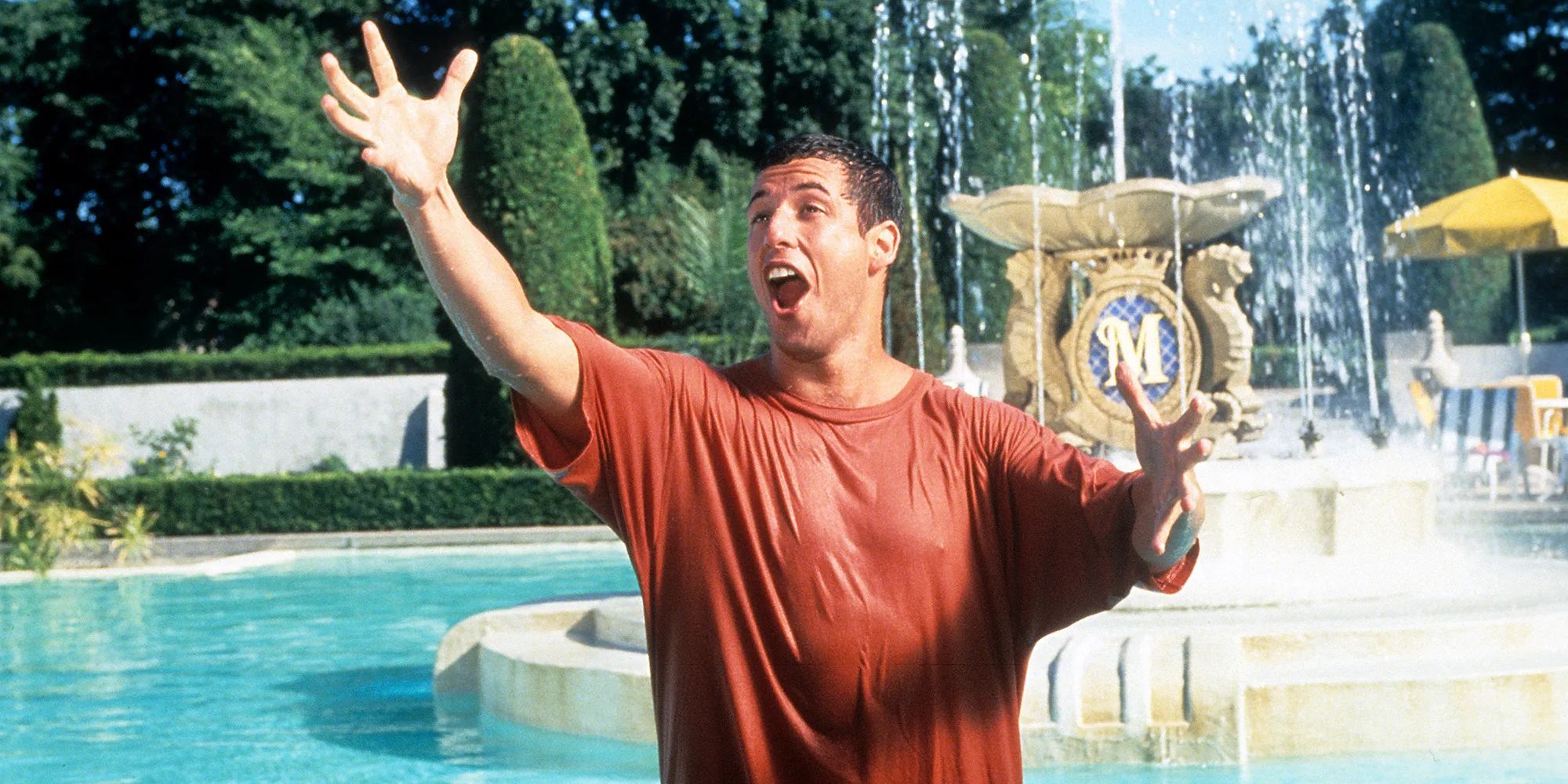
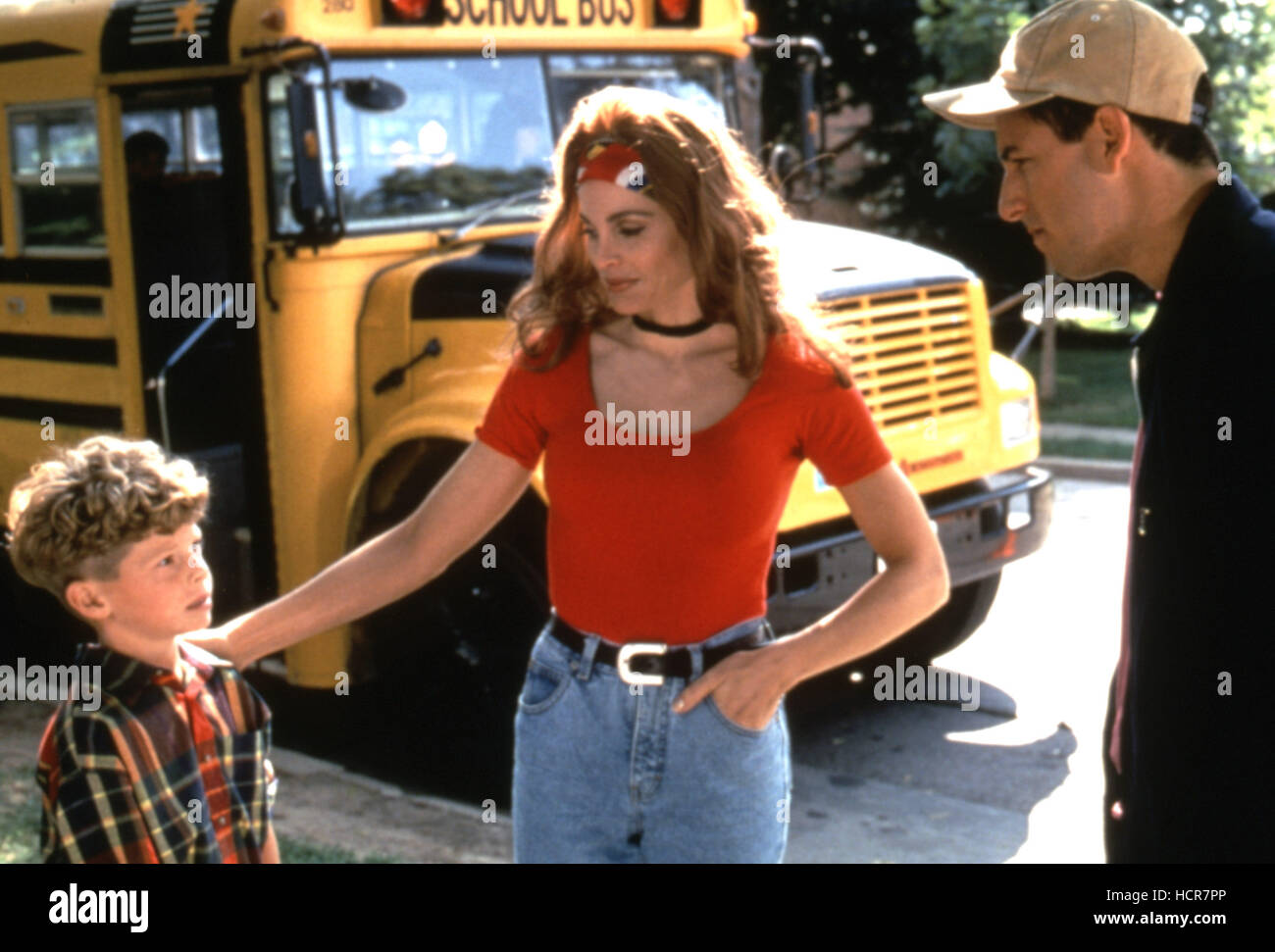
Adam Sandler’s performance as the titular character in the 1995 comedy Billy Madison serves as the definitive breakthrough that transformed him from a successful Saturday Night Live cast member into a global film star. The movie, which follows a pampered hotel heir forced to repeat grades 1 through 12 to prove his intellectual maturity and secure his inheritance, established the comedic persona and narrative structure that would define Sandler’s production company, Happy Madison, for decades to come.
The Origin and Creative Conception of Billy Madison
In the mid-1990s, Adam Sandler was still finding his footing in the transition from sketch television to feature filmmaking. Alongside his long-time writing partner Tim Herlihy, Sandler conceived Billy Madison as a platform to showcase his specific brand of erratic, high-energy humor. The film’s premise—a spoiled adult man regressing into a childish school environment—provided a perfect vehicle for the character types Sandler had been refining on Saturday Night Live.
The creative team intentionally leaned into a surrealist, almost cartoonish aesthetic. By casting the adult Billy in elementary school settings, the film utilized "fish-out-of-water" humor to highlight the absurdity of his privilege. This was not meant to be a grounded character study; rather, it functioned as a series of comedic vignettes tied together by the necessity of the academic challenge. This episodic structure became a hallmark of the Sandler formula, allowing for distinct, memorable comedic beats that could stand independently from the broader narrative.
Narrative Architecture and Character Arc
The structure of Billy Madison is deceptively simple: it is a ticking-clock narrative. The inciting incident is the potential loss of his father’s hotel empire, which serves as the external motivation. However, the true narrative focus is the moral and emotional education of the protagonist.
- The State of Stasis: Billy begins the film as a vapid, beer-swilling alcoholic who lives in a pool house. He possesses zero self-awareness, treating the people around him as NPCs in his own private game.
- The Inciting Challenge: Upon the ultimatum from his father, Brian Madison, to complete the school system or forfeit the company to the corrupt Eric Gordon, Billy must endure the humiliation of his peers.
- The Rising Action: Each grade level serves as a self-contained trial. Whether it is learning to read in primary school or dealing with complex social dynamics in high school, each phase of the process chips away at his arrogance.
- The Resolution: The climax involves a decathlon—a scholastic competition—that validates Billy’s growth. It allows him to retain his inheritance while proving he has developed genuine character, transitioning from a dependent heir to a man capable of leadership.
Technical and Production Realities
Filmed during the fall of 1994 and released in February 1995, Billy Madison was directed by Tamra Davis. Davis was instrumental in maintaining the film’s specific tone, ensuring that the slapstick elements did not overwhelm the central, albeit thin, emotional core. The production utilized a variety of practical locations around Ontario, Canada, to simulate the school settings, creating a nostalgic, slightly heightened version of suburbia that fit the film’s target demographic perfectly.
A critical component of the film's success was the support of a strong ensemble cast, including Bradley Whitford as the antagonist Eric Gordon, Bridgette Wilson as the teacher Miss Vaughn, and Josh Mostel as Principal Max Anderson. These actors provided the necessary "straight man" grounding that allowed Sandler to operate at a higher level of comedic intensity. Without the contrast provided by these performances, the audience would have had no anchor, and the film likely would have devolved into incoherence.
Critical Reception and Box Office Context
Upon its release, Billy Madison received mixed reviews from major critics. Many traditional reviewers at the time dismissed the film as "juvenile" or lacking in narrative sophistication. However, the film found a significant and dedicated audience through home video rentals and subsequent airings on cable television.
The box office performance, while modest by modern standards, signaled to Universal Pictures and other major studios that Adam Sandler commanded a loyal, repeatable fan base. This demographic, primarily young men who resonated with the film’s irreverent and sometimes absurdist humor, became the primary engine for his career growth. The film effectively proved that there was a massive market for low-budget, character-driven comedies that did not rely on complex plot mechanics but rather on the specific, singular charisma of the lead performer.
Comparative Analysis: Billy Madison vs. Later Sandler Films
It is useful to compare Billy Madison to later works in the Sandler canon, such as Happy Gilmore or The Wedding Singer, to understand the evolution of the actor's craft.
| Feature | Billy Madison (1995) | Happy Gilmore (1996) | The Wedding Singer (1998) |
|---|---|---|---|
| Humor Style | Absurdist, Slapstick | Sports-based, Aggressive | Romantic, Nostalgic |
| Character Depth | Superficial/Archetypal | Competitive/Hot-tempered | Vulnerable/Relatable |
| Role of Antagonist | Purely transactional | High-stakes rivalry | Emotional obstacle |
| Tone | High-energy farce | Darker satirical edge | Heartfelt dramedy |
The comparison illustrates that while Billy Madison was the blueprint for the "angry man-child" trope, Sandler would eventually expand this character type to include more sentimentality and professional ambition. The later films show a refinement of the technical timing that was first honed in the elementary school halls of his 1995 effort.
Legacy and The Happy Madison Brand
The longevity of Billy Madison is evidenced by its constant presence in the zeitgeist, frequently cited in memes and pop-culture discussions even in 2026. The film essentially acted as the prototype for the Happy Madison production company. By establishing that his specific aesthetic—characterized by high-pitched voices, frequent outbursts, and surreal secondary characters—was commercially viable, Sandler was able to secure a level of creative control that was unprecedented for a comedian of his stature.
The film also serves as a study in the "cult classic" lifecycle. It was not a critical darling upon arrival, yet it achieved a level of cultural penetration that many Academy Award-nominated films never reach. It defined a generation’s comedic sensibilities and established the baseline for what audiences could expect from a "Sandler movie."
Frequently Asked Questions
Why did Adam Sandler decide to play a character who repeats school grades? The concept was designed to force the character into situations where he was socially and intellectually disadvantaged. By placing an adult in a classroom of children, the script created instant physical and social humor, forcing the protagonist to grow up in ways that felt both ridiculous and, eventually, earned.
Is Billy Madison considered a high-budget production? No. The film was produced on a relatively modest budget, which allowed for creative risks that higher-budget studio films might have avoided. This budget constraint actually helped the film’s aesthetic, as the low-fi, slightly scrappy visual style complemented the chaotic nature of the humor.
How much of the movie was improvised? While the script by Adam Sandler and Tim Herlihy provided the framework, many of the iconic, off-the-cuff comedic riffs and outbursts were developed on set. Sandler has historically utilized a collaborative environment where he and his fellow cast members play with lines to find the funniest possible delivery during rehearsals.
Did Billy Madison win any major awards? The film did not receive major industry awards, as it was never positioned as a prestige project. Its success is measured by its cultural impact, its performance at the box office, and its enduring popularity among its target audience.
What is the significance of the "Academic Decathlon" ending? The decathlon acts as the ultimate validation of Billy’s transformation. It provides a structured resolution that mirrors the structure of his school journey, proving that he did not just "cheat" his way through, but actually retained the knowledge and discipline required to succeed.
Practical Next Steps for Viewers
For those interested in exploring the film, it remains available through major digital VOD platforms and physical media collections. When re-watching, observe the specific ways in which the lighting and camera work change from the first act—when Billy is at his lowest—to the final act, where the film takes on a slightly more "triumphant" visual quality. Additionally, reading the original screenplay (if available in archival collections) offers a clear look at how the dialogue was crafted to prioritize "beat-driven" comedy over standard expository narrative flow.