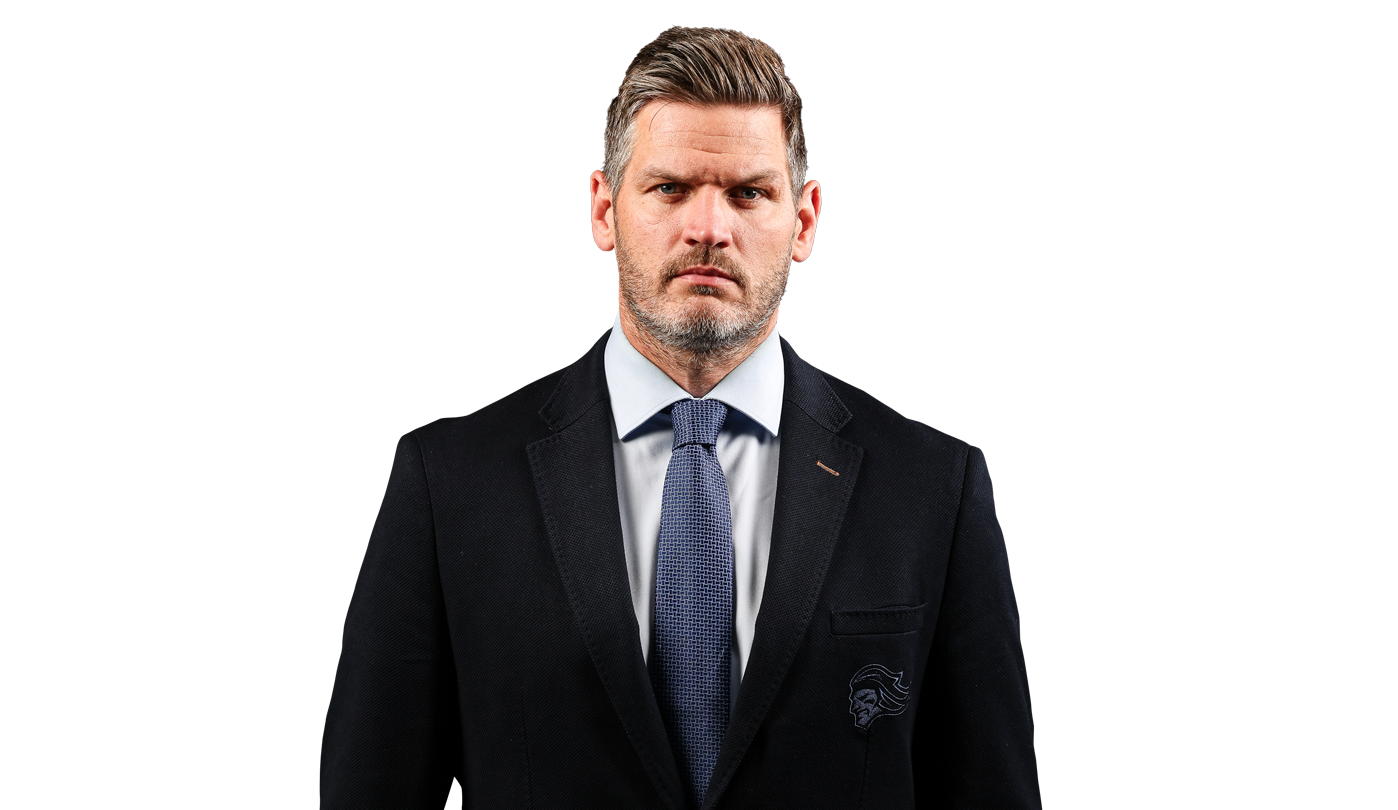
Adam Keefe’s financial standing is primarily rooted in a successful professional athletic career in North American ice hockey, followed by an established tenure in professional coaching. While exact public figures for modern sports figures and coaches are frequently estimated due to the private nature of personal financial documents, examining his multi-decade career path across the National Hockey League (NHL), European leagues, and Elite Ice Hockey League (EIHL) provides a comprehensive view of how his accumulated wealth was built, managed, and sustained.
Introduction to Adam Keefe’s Professional Background
Understanding the net worth of sports figures like Adam Keefe requires looking beyond a single lump-sum figure. Keefe, born on April 12, 1984, in Brampton, Ontario, built a long and physically demanding career as a professional ice hockey player before transitioning seamlessly into coaching and hockey operations. His professional journey spans major North American minor leagues, European stints, and a highly notable chapter with the Belfast Giants in the United Kingdom, where he transitioned from team captain to head coach.
Public financial inquiries into individuals like Keefe often conflate player salaries with coaching compensation, endorsement income, and personal investments. Because private citizens and professional athletes outside of top-tier tier-one NHL superstars do not publicly disclose their bank statements, financial estimates published online are derived from historical league salary standards, coaching contracts, and tenure lengths. This guide breaks down the various components contributing to Adam Keefe’s estimated financial profile, the nature of hockey economy earnings, and the career milestones that shaped his economic reality.
The Foundation: Playing Career Earnings
To understand Adam Keefe's accumulated wealth, one must examine his playing career, which established his initial financial capital. Keefe was known as a physical, gritty forward—a traditional enforcer and leader who played college hockey at Cornell University before turning professional.
Collegiate Hockey and Minor League Contracts
During his time at Cornell University (2001–2005), Keefe played NCAA Division I hockey. While collegiate athletes in that era did not receive direct salaries, playing at a prestigious Division I program provided a platform for professional evaluation.
Upon graduating, Keefe entered the professional ranks. His career included stints in the American Hockey League (AHL) and ECHL. Financial realities in the AHL and ECHL differ vastly from the multi-million-dollar contracts of the NHL. While AHL salaries for veterans and standard contracts provide a comfortable middle-class living, they do not typically generate generational wealth. Key financial characteristics of this phase include:
- ECHL Compensation: Entry-level professional wages that cover living expenses and modest savings during the active season.
- AHL Salaries: Standard two-way or one-way minor league contracts typically ranging from standard league minimums up to mid-tier five-figure annual sums during the 2000s and 2010s.
- Benefits and Security: Health insurance, career-transition assistance programs, and pension credits accrued through professional players' associations.
The European and Elite Ice Hockey League (EIHL) Era
A significant portion of Keefe’s professional playing wealth was accumulated during his long tenure abroad, specifically with the Belfast Giants in the UK's Elite Ice Hockey League, where he played from 2011 until his retirement from playing in 2017.
In European and UK leagues, imports (foreign players, typically from North America) often receive competitive compensation packages that may include housing allowances, vehicles, and flights home, in addition to their base salaries. As a team captain and a fan favorite, Keefe commanded a premier role within the Giants organization, ensuring stable, multi-year contract renewals that maximized his earning potential during his physical peak as an athlete.
Transition to Coaching and Front Office Valuation
When evaluating contemporary sports figures, career longevity is extended through coaching and management roles. Adam Keefe retired from playing in 2017 and immediately stepped behind the bench as the head coach of the Belfast Giants, a position he has held for nearly a decade.
Head Coach Compensation in European Hockey
Coaching compensation in leagues like the EIHL varies based on organizational backing, sponsorships, and the commercial success of the club (in Keefe's case, the Belfast Giants are owned by SSE Arena, Belfast). While head coaches in elite European leagues earn stable professional salaries that often outpace average local white-collar wages, sports coaching is rarely comparable to corporate executive salaries unless operating at the highest levels of the NHL, KHL, or SHL.
Earnings for a long-tenured, championship-winning head coach like Keefe typically include:
- Base Coaching Salary: A multi-year professional salary reflecting his dual value as a former club captain and established bench boss.
- Performance Bonuses: Contractual incentives tied to winning league titles, playoff championships, and Challenge Cups.
- Club Perks: Housing subsidies, travel stipends, and local promotional opportunities often associated with marquee sports figures in regional markets.
Summary of Career Phases and Financial Impact
| Career Phase | Primary Role | Approximate Timeline | Financial Characteristics |
|---|---|---|---|
| Collegiate | NCAA Player (Cornell) | 2001 – 2005 | Unpaid athletic status; educational scholarship value. |
| Minor Leagues | AHL / ECHL Forward | 2005 – 2011 | Professional wages; standard minor-league salary scale. |
| UK / EIHL Player | Belfast Giants Captain | 2011 – 2017 | Import player salary, housing allowances, leadership bonuses. |
| Coaching | Head Coach (Belfast Giants) | 2017 – Present | Professional coaching salary, performance incentives, brand stability. |
Net Worth Estimates: Separating Fact from Fiction
Internet searches regarding celebrity and sports figure net worth frequently yield inflated or entirely fabricated figures. Automated biographical websites often assign arbitrary net worth numbers (ranging from $1 million to $5 million) to professional athletes and coaches with little to no empirical data to support the claim.
Why Online Net Worth Figures Are Unreliable
- Lack of Public Disclosures: Unlike corporate CEOs of publicly traded companies or major North American professional athletes with publicly reported contracts (such as NHL or NBA stars), EIHL coaches and European hockey personnel are not subject to public salary caps or mandatory financial disclosure laws.
- Asset Appreciation vs. Liquid Cash: Net worth calculations must account for real estate holdings, retirement accounts, investments, and liabilities. Without access to private tax returns or property deeds, any specific dollar figure published online is pure speculation.
- Regional Economic Factors: Earnings in British pounds (GBP) fluctuate against the US dollar (USD), and wealth accumulation depends heavily on local cost-of-living adjustments and tax structures in Northern Ireland versus North America.
Financial Management and Long-Term Stability
For professional athletes who do not secure multi-million-dollar NHL fortunes, long-term financial stability depends heavily on post-playing career transition and prudent wealth management. Keefe’s ability to transition directly from team captain to head coach of the same organization provided immediate financial continuity.
Key elements supporting his long-term financial health include:
- Career Continuity: Avoiding the employment gaps that often plague retired athletes transitioning to the workforce.
- Brand Equity: Establishing a strong local and regional reputation in Northern Ireland, opening doors to sponsorships, speaking engagements, and hockey camps.
- Professional Network: Building deep ties within international hockey management, ensuring ongoing employability within the global sports industry.
Frequently Asked Questions
What is Adam Keefe’s exact net worth?
There is no verified public record or official financial disclosure documenting Adam Keefe’s exact net worth. Any specific monetary figures found on celebrity wealth websites are unverified estimates and should be treated with skepticism.
What are Adam Keefe’s primary sources of income?
His primary income is derived from his professional career as a hockey coach, specifically his long-standing role as head coach of the Belfast Giants. This is supplemented by his historical earnings as a professional ice hockey player in North America and Europe.
How long has Adam Keefe been with the Belfast Giants?
Adam Keefe joined the Belfast Giants as a player in 2011, served as team captain, and transitioned directly into the role of head coach in 2017, maintaining a continuous multi-decade relationship with the club.
Did Adam Keefe play in the NHL?
No, Adam Keefe did not play in the National Hockey League (NHL). His North American professional career was spent primarily in the American Hockey League (AHL) and the ECHL, supplemented by a lengthy and successful career in European and UK professional leagues.
Where is Adam Keefe from?
Adam Keefe is originally from Brampton, Ontario, Canada, where he grew up before playing collegiate hockey at Cornell University and embarking on an international professional hockey career.
Conclusion and Financial Perspective
Adam Keefe’s financial profile reflects a life dedicated to professional hockey, transitioning from a gritty, hard-working player to a respected leader and head coach. While sensationalized internet articles attempt to attach speculative multi-million-dollar price tags to his name, reality points to a stable, professionally earned career in sports management and coaching. His wealth is a product of sustained employment, athletic leadership, and a rare ability to secure a long-term professional home in international ice hockey.