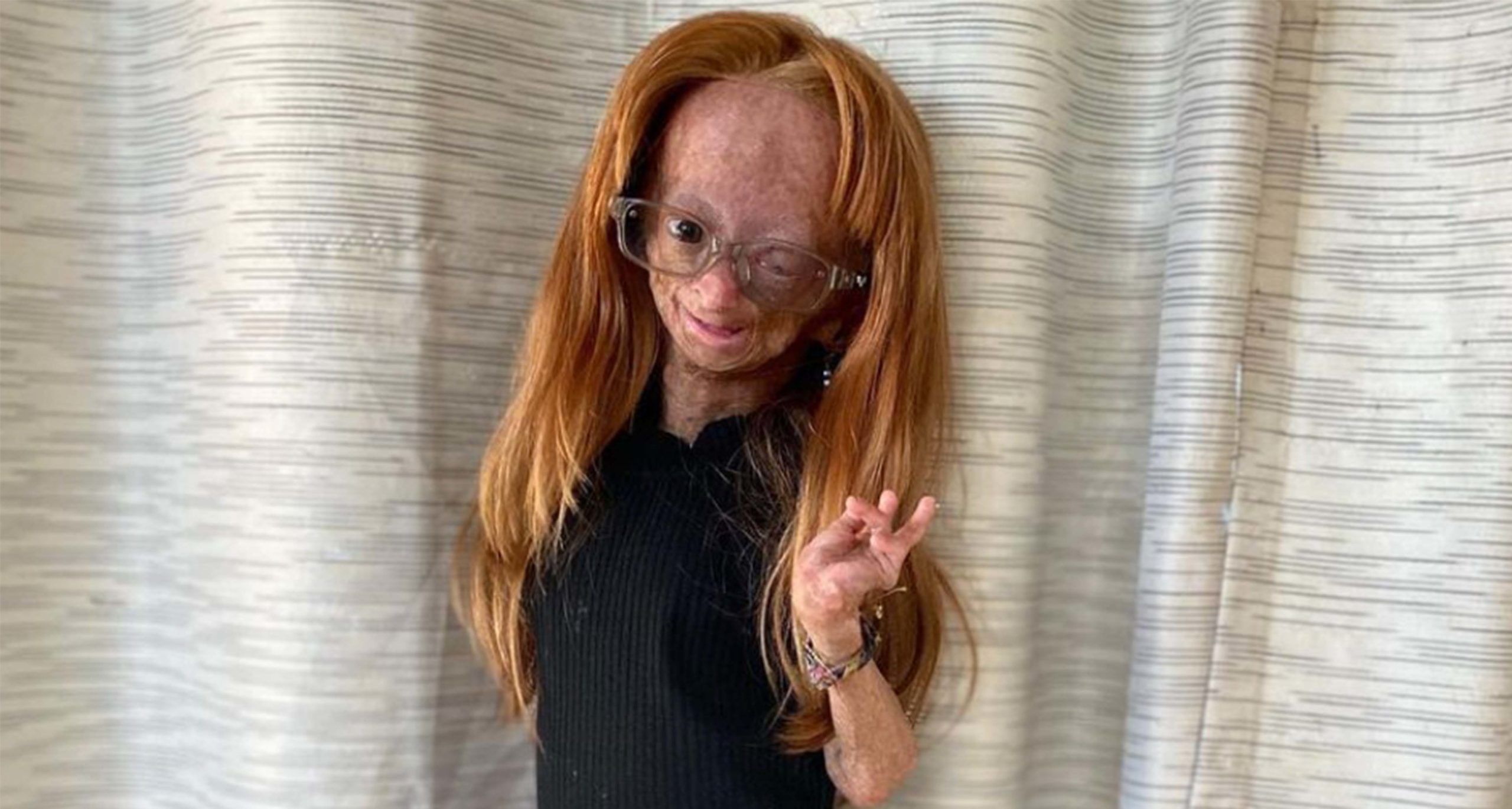
Adalia Rose Williams (December 10, 2006 – January 12, 2022) was an American internet personality whose vibrant short-form video content on Musical.ly and TikTok brought international awareness to Hutchinson-Gilford Progeria syndrome. This reference entry details her creative output, platform history, social media metrics, and digital legacy.
Biographical Context and Early Media Presence
Adalia Rose Williams was born in Round Rock, Texas. At less than three months of age, physicians diagnosed her with Hutchinson-Gilford Progeria syndrome, an extremely rare, fatal genetic condition characterized by accelerated aging in early childhood. Progeria affects approximately one in 18 to 20 million people worldwide, resulting from a mutation in the LMNA gene that leads to the accumulation of an abnormal protein called progerin.
Her mother, Natalia Pallante, launched a Facebook page in 2012 to update family members and document Adalia’s daily life. The page quickly attracted global attention, transforming into a public venue for disability advocacy, family storytelling, and positive representation. Adalia’s energetic personality, interest in pop culture, and fondness for fashion and cosmetics led her family to expand her digital footprint across multiple emerging platforms, including YouTube, Instagram, and Musical.ly.
Timeline of Early Digital Footprint:
- 2006: Born in Round Rock, Texas
- 2012: Mother creates Facebook page for public updates
- 2014: YouTube channel launched for long-form vlog content
- 2015: Adalia joins Musical.ly during early growth phase of short-form video
- 2018: Musical.ly account migrates automatically to TikTok
- 2022: Passing of Adalia Rose at age 15; posthumous archiving begins
The Musical.ly Era: Content, Format, and Reach
Musical.ly, launched in 2014 by creators Alex Zhu and Luyu Yang, pioneered the modern lip-syncing and short-form music video format. Users recorded 15-second to one-minute videos set to popular music tracks, audio soundbites, and comedic dialogues.
Adalia Rose joined Musical.ly during its peak growth period between 2015 and 2017. Her channel rapidly accumulated millions of followers who engaged with her high-energy performances, synchronized dance routines, and expressive facial reactions.
- Popular Audio Tracks
- Lip-Sync & Choreography
- Family & Mother Collabs
- 15-60s Musical.ly Video
- Viral Platform Reach
- Cross-Platform Audience Growth
- Viral Platform Reach
- 15-60s Musical.ly Video
Key Content Themes on Musical.ly
- Lip-Sync Performances: Adalia performed popular tracks from artists across pop, hip-hop, and R&B genres. Her videos relied on detailed lip synchronization, expressive hand gestures, and rhythmic timing.
- Mother-Daughter Collaborations: Many of her most widely circulated clips featured her mother, Natalia Pallante. These videos emphasized family camaraderie, joint dance routines, and lighthearted household banter.
- Fashion and Beauty Showcases: Adalia frequently incorporated wigs, costumes, makeup looks, and accessories into her Musical.ly clips, turning brief videos into creative expression sessions.
- Comedic Soundbites: Beyond music, Adalia utilized viral audio snippets from television shows, films, and trending web audio to create relatable comedic skits.
The short format of Musical.ly offered an accessible outlet for Adalia. Unlike longer YouTube vlogs, which required extended filming and editing schedules, Musical.ly allowed her to produce immediate, high-impact content that focused entirely on personality and creative play.
Technical and Platform Transition: Musical.ly to TikTok
In November 2017, Chinese media technology company ByteDance acquired Musical.ly Inc. for an estimated $1 billion. In August 2018, ByteDance formally shut down the standalone Musical.ly application, merging its user base, digital archives, and functionality into TikTok.
- Musical.ly (2014–2018)
- ByteDance Acquisition (Nov 2017)
- TikTok Integration (Aug 2018)
For creators like Adalia Rose, this migration proved seamless:
- Account Continuity: User handles, follower networks, and existing uploads migrated directly to the integrated TikTok network.
- Algorithmic Expansion: TikTok’s recommendation engine exposed Adalia’s existing Musical.ly catalog to a significantly broader global audience.
- Format Evolution: As short-form platforms expanded maximum video lengths from 15 seconds to 60 seconds (and eventually longer), Adalia expanded her content to include brief Q&A sessions, lifestyle updates, and messaging for rare disease awareness.
By the time of the merger, Adalia’s short-form video presence had grown from a niche lip-syncing feed into a cross-generational community of millions of followers.
Archival Data: Platform History and Milestones
The following table summarizes the digital presence, platform specifications, and operational timeline for Adalia Rose across major media outlets, with a focus on her Musical.ly archive:
| Metric / Dimension | Musical.ly (2015–2018) | TikTok (2018–2022) | YouTube (2014–Present Archive) |
|---|---|---|---|
| Primary Video Format | 15–60 second lip-sync & dance | 15–60 second short-form clips | 5–20 minute vlogs & tutorials |
| Peak Follower Reach | ~2.5+ Million | ~4.0+ Million | ~3.0+ Million Subscribers |
| Core Content Focus | Pop audio, dance, mother-daughter skits | Trending sounds, comedy, dance | Makeup tutorials, unboxings, vlogs |
| Engagement Type | Duets, viral challenges, comments | Video reactions, stitched content | Long-form comments, fan mail unboxing |
| Monetization / Outreach | Platform popularity badge (Crown) | Creator fund, brand gifts, non-profit awareness | AdSense, sponsorship integrations |
| Current Platform Status | Defunct (Merged August 2018) | Preserved / Memorialized | Archival channel managed by family |
Sociological and Media Impact
Adalia Rose’s activity on Musical.ly coincided with a broader shift in digital media, where individuals with rare medical conditions gained direct publishing channels without mainstream broadcast gatekeepers.
Public Awareness of Hutchinson-Gilford Progeria
Before the social media era, public knowledge of Progeria was largely confined to medical literature and occasional documentary features. Adalia’s daily media posts offered an unvarnished, human perspective on living with a terminal genetic condition. By demonstrating enthusiasm for music, beauty, and dance, she challenged public stereotypes surrounding chronic illness and physical difference.
Her platform visibility directly supported public educational efforts by organizations such as the Progeria Research Foundation, which seeks treatments and a cure for the condition. Her outreach encouraged audience members to learn about genetic research and donate to medical science initiatives.
Navigating Online Harassment and Moderation Policies
Adalia’s prominent position on public platforms also exposed her to severe cyberbullying, hate speech, and unwarranted internet rumors regarding her health status. Her family managed her accounts directly, instituting strict comment moderation, reporting toxic users, and collaborating with platform administrators.
Her case became a notable study in platform safety for creators with physical differences:
- Comment Filtering: Implementation of keyword blocking to minimize abusive messages.
- Public Education: Direct address of hostile comments through positive response videos and anti-bullying messaging.
- Policy Influence: Highlighted the need for platforms like Musical.ly and later TikTok to refine automated reporting tools for hate speech directed at disabled individuals.
Digital Preservation and Posthumous Legacy
Adalia Rose passed away on January 12, 2022, at the age of 15. Following her death, her family released a statement across her digital channels, acknowledging the worldwide support she had received over a decade of content creation.
Posthumous Archival Status (2022–Present):
- Short-Form Archives (TikTok/Former Musical.ly): Maintained as read-only media record
- Long-Form Archives (YouTube): Monitored by family; videos preserved for awareness
- Non-Profit Legacy Support: Ongoing redirect of public interest to Progeria research
Preserving short-form video history poses unique technical challenges due to platform changes, copyright expirations on background audio, and server migrations. Adalia’s Musical.ly clips remain preserved primarily through:
- TikTok Migration Repositories: Archived short-form posts converted automatically during the 2018 system migration.
- Cross-Platform Reposts: Re-uploaded compilations maintained on YouTube and Facebook by her family.
- Digital Humanities Archives: Media research projects studying early short-form video culture and disability representation on social networks.
Frequently Asked Questions
What was Adalia Rose best known for on Musical.ly?
Adalia Rose was known on Musical.ly for her lip-syncing videos, dance routines, pop-culture comedy skits, and collaborative posts with her mother, Natalia Pallante. Her energetic personality helped build an audience of millions while raising global awareness for Progeria.
What is Hutchinson-Gilford Progeria Syndrome?
Hutchinson-Gilford Progeria Syndrome is an extremely rare, fatal genetic condition characterized by accelerated aging in children. Caused by a mutation in the LMNA gene, it leads to premature cardiovascular disease, growth delays, loss of body fat and hair, and joint stiffness.
How did Adalia Rose’s Musical.ly account transition to TikTok?
In August 2018, ByteDance merged Musical.ly into TikTok. All active Musical.ly user accounts, including Adalia’s channel, were automatically transferred to TikTok, retaining follower counts, video libraries, and account credentials.
How did Adalia’s family handle online safety and harassment on Musical.ly?
Adalia’s mother, Natalia Pallante, personally managed her social media channels. The family used platform moderation features, comment filters, and reporting tools to protect Adalia from online harassment while using the platform to promote anti-bullying and empathy.
Where can viewers find Adalia Rose’s preserved media today?
Adalia’s public media accounts on TikTok, YouTube, Facebook, and Instagram remain online as memorialized archives maintained by her family. Her legacy also continues through educational materials published by the Progeria Research Foundation.
Summary and Key Takeaways
Adalia Rose Williams transformed personal narrative creation in short-form digital media. Through her early adoption of Musical.ly and her subsequent transition to TikTok, she created an archival body of work that challenged media tropes regarding rare genetic conditions. Her legacy remains a vital case study in digital media history, disability representation, and short-form video culture.