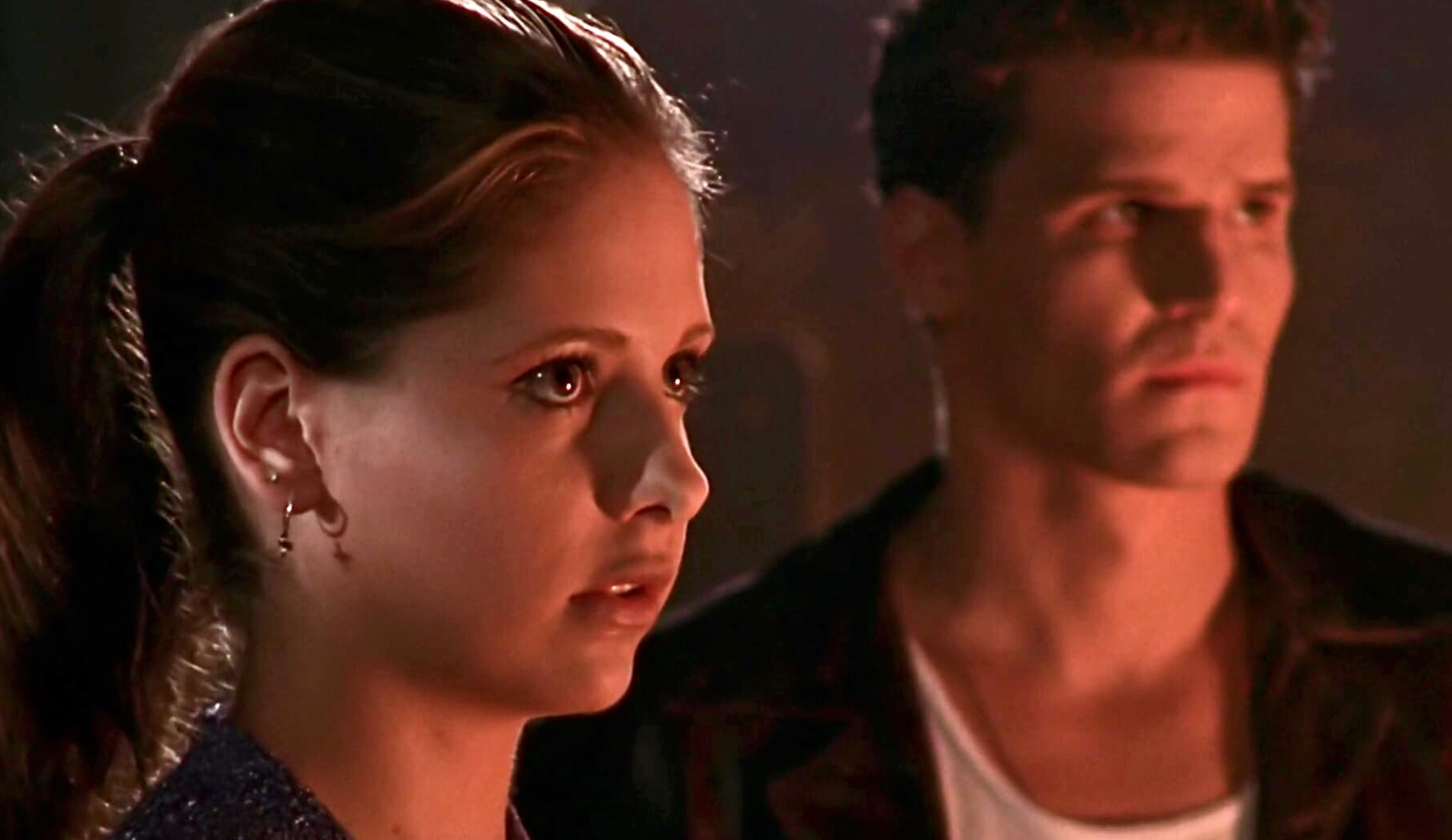
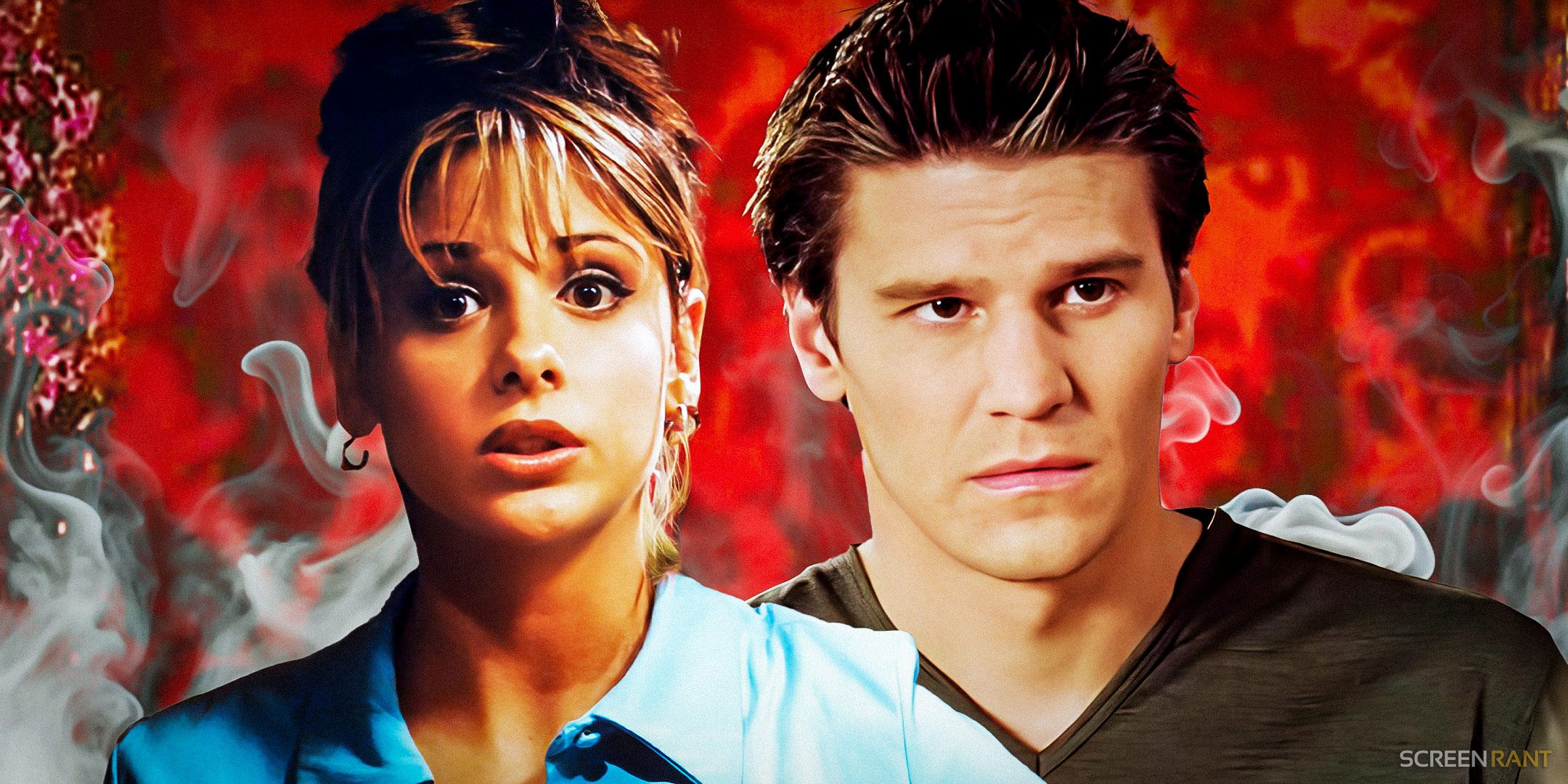
The actor who played the titular vampire lead in the television series Angel is David Boreanaz. The character, a vampire with a human soul, first appeared in the parent series Buffy the Vampire Slayer before headlining his own spin-off show, which premiered in 1999 and concluded in 2004.
The Character of Angel: An Overview of the Lead Vampire
Angel, originally named Liam, is a complex character within the Buffyverse. Born in Ireland in the mid-18th century, he was transformed into a vampire by Darla. After years of terrorizing humanity, he was cursed by a group of Romani people who restored his human soul. This soul causes him to suffer the guilt and conscience of the many lives he took during his century as a soulless monster.
In the spin-off series Angel, the character moves from Sunnydale to Los Angeles to seek redemption. The series explores themes of morality, the fight against the supernatural, and the struggle to do good in a world that often rewards evil. As the vampire lead, Boreanaz portrays a stoic, brooding, yet deeply compassionate figure who manages a detective agency—Angel Investigations—to help the helpless.
David Boreanaz: The Casting and Evolution of the Role
David Boreanaz’s casting was somewhat serendipitous. According to reports from the production of Buffy the Vampire Slayer, Boreanaz was spotted by a casting director while he was walking his dog in Los Angeles. At the time, the creators were struggling to find an actor who could embody the duality of a dangerous predator and a romantic, tragic hero.
Boreanaz brought a specific physical presence to the role. His performance relied heavily on subtle facial expressions and a physically imposing stance that communicated the character’s inner turmoil without the need for constant dialogue. Over the course of the five seasons of Angel, Boreanaz evolved the character from a reluctant loner into a leader of a complex team, often balancing his dark, primal nature with his commitment to his "mission" of helping the hopeless.
Comparing Angel to Other Supernatural Leads
To understand the significance of Boreanaz's performance as the vampire lead, it is helpful to compare the archetypes prevalent in television during the late 1990s and early 2000s. Unlike many other supernatural leads of the era, Angel was defined by his active penance.
| Feature | Angel (Angel) | Typical Supernatural Protagonist (1990s) |
|---|---|---|
| Primary Motivation | Redemptive suffering | Survival or external conquest |
| Moral Code | Strict adherence to the "Help the Helpless" credo | Ambiguous or individualistic |
| Supernatural Status | Vampire with a restored soul | Human monster hunter or accidental hero |
| Core Conflict | Internal battle against darkness | External struggle against specific foes |
The Impact of Angel Investigations
The setting of the Angel television series provided the necessary narrative structure to support a lead vampire character. By establishing "Angel Investigations," the writers allowed the character to remain connected to humanity while navigating the dark underbelly of Los Angeles.
The investigative agency served as a mechanism for the show to tackle "Case of the Week" narratives alongside long-form character arcs. This structure enabled viewers to witness Angel’s development as he mentored younger heroes and interacted with both the demonic underworld and the human justice system. The presence of side characters such as Cordelia Chase, Wesley Wyndam-Pryce, and Charles Gunn provided the necessary friction to force Angel to grow beyond his initial "brooding hero" archetype.
Legacy and Cultural Significance
As of 2026, the performance of David Boreanaz as the lead in Angel remains a benchmark for vampire portrayals on television. Before the proliferation of modern supernatural dramas, the Angel series established that a character could remain a predator while striving for moral superiority.
The show’s success paved the way for more nuanced portrayals of morally gray protagonists. By focusing on the daily grind of an immortal trying to live ethically, the show differentiated itself from high-fantasy epics. The legacy of this portrayal is visible in the evolution of vampire fiction, where the internal struggle—the "curse" of conscience—became a standard narrative trope for the genre.
Frequently Asked Questions
Did David Boreanaz play the same character in both Buffy and Angel? Yes, he played the same character. Angel was introduced in the first season of Buffy the Vampire Slayer as a love interest and guide for Buffy Summers. Following the events of the Buffy third season, the character moved to Los Angeles, setting the stage for the Angel spin-off.
Why did Angel leave Buffy the Vampire Slayer? Narratively, Angel left Sunnydale because he realized his presence was a constant obstacle to Buffy’s ability to live a normal life. His love for her, combined with the danger inherent in his existence, led him to the conclusion that he could not be the partner she deserved.
Is Angel a villain or a hero in the series? Angel is defined as a hero who constantly struggles against his villainous potential. The central tension of the series is his fear that if he loses his humanity—or if he experiences a moment of "perfect happiness"—he will lose his soul and revert to the monster he once was.
What specific powers does Angel have as a vampire? As a vampire, Angel possesses enhanced strength, speed, and agility, as well as the ability to heal from non-lethal injuries quickly. He is also immortal. However, he is bound by standard vampire limitations, including vulnerability to sunlight, wooden stakes, and holy symbols.
How many seasons did the series Angel run? The series Angel ran for five seasons, totaling 110 episodes. It aired on The WB network from October 1999 to May 2004.
Next Steps for Fans of the Series
If you are interested in revisiting the portrayal of Angel, the most effective next step is to examine the character’s transition by watching the crossover episodes between Buffy the Vampire Slayer and Angel. Specifically, the first season of Angel serves as a bridge, grounding the character in the noir atmosphere of Los Angeles. For a deeper understanding of the show’s production history, original scripts and behind-the-scenes interviews from the 2004 era provide insight into the creative choices made regarding the character’s development and ultimate narrative arc.