Navigating the accounting landscape in Brazil requires a firm grasp of the convergence between International Financial Reporting Standards (IFRS) and localized tax-heavy compliance requirements. Successfully managing accounting practice in this jurisdiction involves balancing rigid federal reporting mandates with specific electronic bookkeeping obligations, ensuring full alignment with the Comitê de Pronunciamentos Contábeis (CPC) standards while fulfilling stringent tax transparency duties.
The Foundation of Brazilian Accounting Standards
Accounting practice in Brazil underwent a fundamental shift in 2007 with the enactment of Law No. 11.638, which paved the way for the internationalization of domestic standards. Before this, Brazilian accounting was almost exclusively focused on providing information for tax authorities. The transition aimed to move the focus toward providing transparent financial information for investors and creditors, following the standards set by the International Accounting Standards Board (IASB).
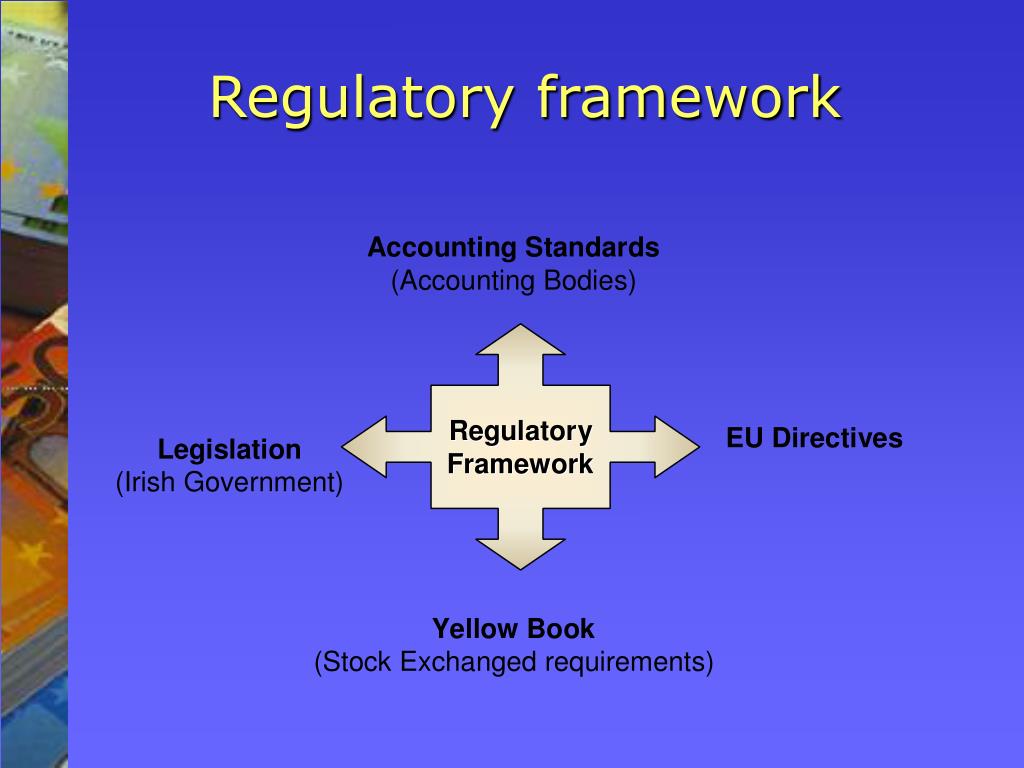
The primary body governing these standards is the Comitê de Pronunciamentos Contábeis (CPC). The CPC is responsible for studying, preparing, and issuing technical pronouncements, interpretations, and guidance on accounting procedures. When the CPC issues a pronouncement, it typically undergoes a process to be validated by the Conselho Federal de Contabilidade (CFC), the regulatory body for the accounting profession in Brazil.
For the reader, it is essential to understand that while Brazil has adopted IFRS, it does so through the CPC’s framework. This means that financial statements for publicly traded companies—and large private entities—must comply with these specific pronouncements to be considered legally compliant under Brazilian Law (specifically the Lei das Sociedades por Ações, Law No. 6.404/1976).
The Dual Structure: Financial vs. Tax Accounting
A critical point of friction for businesses in Brazil is the "Tax-Accounting Duality." While international standards prioritize the economic substance of a transaction, Brazilian tax law often relies on specific legal forms and highly complex, rule-based systems.
The SPED System
The Sistema Público de Escrituração Digital (SPED) is the cornerstone of modern Brazilian accounting practice. It is a mandatory digital environment through which the government collects tax and accounting data from companies. The SPED is not a single portal but a collection of modules, including:
- ECD (Escrituração Contábil Digital): The digital accounting records representing the company's ledger, journals, and trial balances.
- ECF (Escrituração Contábil Fiscal): Used for calculating the corporate income tax (IRPJ) and the social contribution on net profit (CSLL).
- EFD-Contribuições: Used for reporting PIS/Pasep and COFINS (tax contributions on revenue).
Because the tax authorities (the Receita Federal) require such granular detail through SPED, accounting in Brazil is often heavily "tax-driven." Accountants must maintain meticulous internal controls to ensure that the electronic files submitted to the government reconcile perfectly with the financial records presented to shareholders. Discrepancies in SPED files are a primary trigger for tax audits and heavy fines.
Regulatory Bodies and Professional Oversight
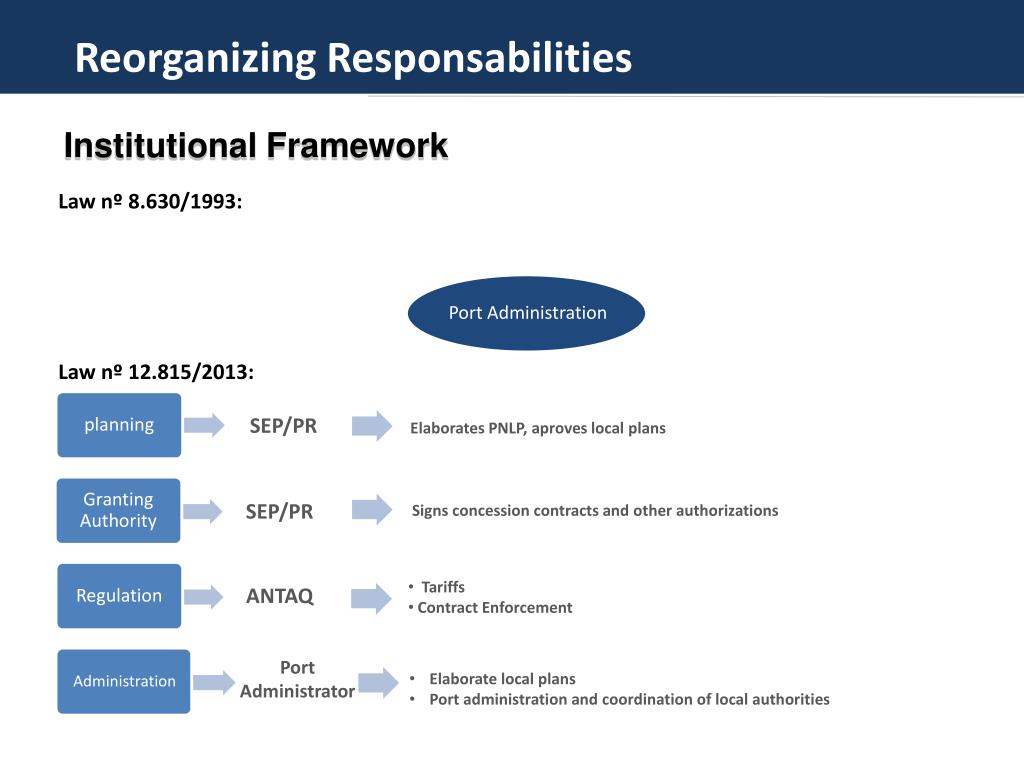
The practice of accounting in Brazil is strictly regulated. The Conselho Federal de Contabilidade (CFC) and the regional Conselhos Regionais de Contabilidade (CRC) enforce ethical standards and technical requirements for professionals.
- CFC: Sets the professional standards and is responsible for the Exame de Suficiência (a mandatory proficiency exam for all new accountants).
- CVM (Comissão de Valores Mobiliários): Regulates publicly traded companies. It mandates specific disclosure requirements that go beyond standard CPC pronouncements, ensuring that investors receive accurate and timely information.
- Receita Federal: Acts as the primary enforcement arm for tax compliance, managing the digital infrastructure that captures financial data.
Key Compliance Requirements for Entities
To maintain good standing, entities operating in Brazil must adhere to a rigid calendar of digital submissions. Failure to comply with these deadlines or the submission of incomplete data results in significant financial penalties.
Standard Reporting Cycles
The reporting cycle follows the calendar year. Public companies are required to submit quarterly financial information (ITR) and annual financial statements (DFP). Private companies face a different cadence, primarily dictated by their chosen tax regime:
- Lucro Real (Actual Profit): Mandates rigorous accounting and is generally required for large corporations or those with specific activities.
- Lucro Presumido (Presumed Profit): A simplified tax regime for medium-sized entities where the tax is calculated on a government-determined margin. Accounting requirements are less complex than in the Lucro Real regime, but accurate record-keeping remains mandatory for evidentiary purposes.
- Simples Nacional: A tax simplification regime for small businesses. While it reduces the administrative burden, it still requires basic bookkeeping to support the tax payments.
Comparison of Financial Regimes in Brazil
| Feature | Lucro Real | Lucro Presumido | Simples Nacional |
|---|---|---|---|
| Eligibility | Mandatory for large corps | Revenue threshold limit | Small businesses only |
| Tax Base | Net profit after adjustments | Presumed margin on revenue | Gross revenue |
| Complexity | High (Full IFRS) | Medium (Simplified) | Low (Simplified) |
| SPED Requirement | Full ECD/ECF compliance | Limited reporting | Minimal digital data |
Practical Challenges in Brazilian Accounting
The most significant challenge for any entity in Brazil is the complexity of the tax code. The combination of federal, state (ICMS), and municipal (ISS) taxes creates a high-stakes environment where "tax planning" is an inherent part of the accounting function.
1. Transfer Pricing and International Transactions
For subsidiaries of multinational companies, transfer pricing rules in Brazil are notoriously distinct from OECD guidelines. Brazil often uses fixed-margin methods for imports and exports, which can lead to double taxation if the parent company does not account for these local peculiarities.
2. Labor and Social Security Accounting
Accounting in Brazil extends into the realm of payroll and social security (eSocial). The complexity of labor laws, coupled with mandatory benefits and heavy social security contributions, requires an integrated approach where the accounting team works closely with the HR department to ensure the eSocial platform reflects real-time payroll data.
3. Technological Adaptation
In 2026, the reliance on digital platforms is absolute. Accountants must be proficient in the technical specifications of XML, digital signatures, and the proprietary software required to validate and transmit files to the Receita Federal. Manual ledger entries are a relic of the past; modern practice is entirely focused on data integrity within the SPED environment.
Common Pitfalls and Troubleshooting
- Data Mismatch: The most common error is a failure to reconcile the ECF (tax) with the ECD (financial). Always perform "dummy" submissions or reconciliations before the final deadline to identify discrepancies.
- Incomplete Supporting Documentation: In Brazil, the law follows the "formalist" principle. If a transaction is not documented in the exact format required by law (including digital certificates), it can be disallowed as a deductible expense during an audit.
- Overlooking State/Municipal nuances: Do not focus solely on federal taxes. State-level taxes like ICMS are subject to constant change and varying interpretations by state secretariats, which can impact the cost of goods sold (COGS).
Frequently Asked Questions
Is Brazilian accounting equivalent to IFRS? Brazil has converged with IFRS through the CPC. However, local regulatory requirements—particularly regarding tax law and the SPED digital reporting system—create a layer of divergence that must be managed to ensure compliance with the Receita Federal.
How often must a company update its accounting books in Brazil? For most entities, the books must be finalized and submitted via the ECD (Escrituração Contábil Digital) on an annual basis. However, internal management accounting often happens on a monthly basis, particularly for companies under the Lucro Real tax regime.
What is the role of the CVM? The CVM (Comissão de Valores Mobiliários) is the market regulator for Brazil, similar to the SEC in the United States. Its primary focus is ensuring that publicly traded companies disclose their financial health in a manner that protects investors. They enforce strict reporting standards that go beyond standard CPC pronouncements.
Can a foreign investor manage their own accounting in Brazil? While technically possible, the complexity of the tax system and the requirement for digital certifications and legal representation makes it highly advisable to hire a local accounting firm. Local firms maintain the specialized software required to communicate with SPED and are responsible for the legal liability of the filings.
What happens if I miss a SPED filing deadline? Missing a deadline for the submission of digital bookkeeping records (ECD) or tax records (ECF) results in automatic fines. These are calculated based on the size of the entity and the duration of the delay. Repeat offenses can lead to the suspension of the company's tax registration, effectively halting business operations.
Next Actions for Business Success
To ensure compliance in the current regulatory environment, business leaders should prioritize the implementation of an integrated ERP (Enterprise Resource Planning) system that is natively capable of handling Brazilian tax and accounting modules. Manual adjustments are prone to error and significantly increase audit risk.
If you are a foreign investor or a newly established entity, perform a full review of your tax regime selection—Lucro Real vs. Lucro Presumido—with a tax consultant. This choice fundamentally dictates your compliance burden for the upcoming fiscal year. Finally, ensure your IT department provides the necessary digital certificate access (e-CNPJ) to your designated accounting team, as all interactions with the Receita Federal are now authenticated through these secure digital keys.