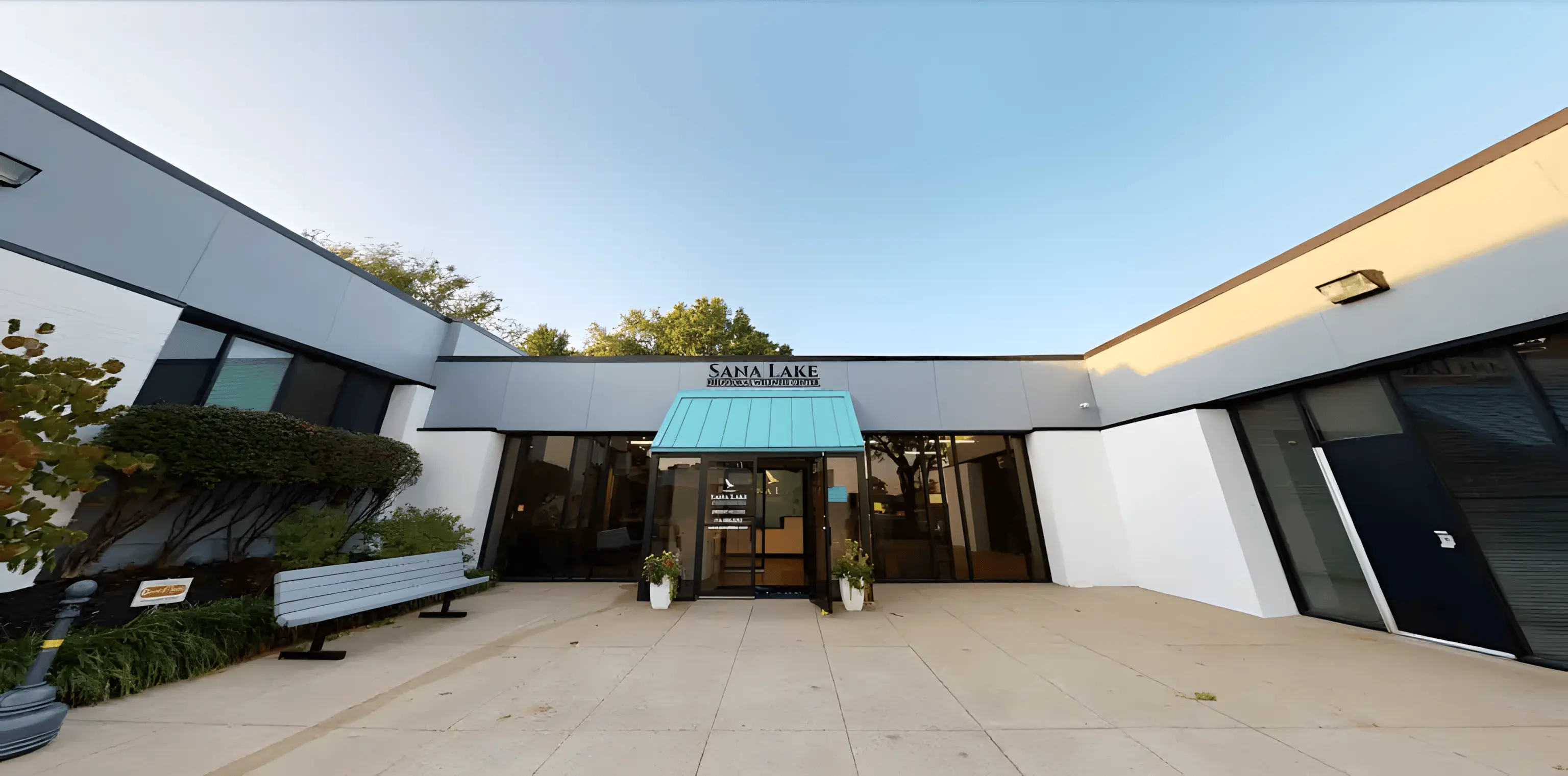
Acadia Healthcare provides an extensive network of behavioral health and substance use disorder treatment services across the United States and Puerto Rico. Their facilities offer a full continuum of care, including inpatient psychiatric stabilization, residential treatment, detox, and outpatient programs, designed to treat addiction and mental health conditions through evidence-based clinical interventions and personalized recovery plans.
As one of the most prominent providers in the behavioral healthcare sector, Acadia Healthcare operates a diverse portfolio of facilities that cater to various demographics and clinical needs. Understanding the scope of these services is essential for individuals, families, and healthcare professionals navigating the complexities of recovery. This overview examines the clinical structures, treatment modalities, and logistical requirements for accessing care within the Acadia network as of 2026.
The Scope and Scale of Acadia Healthcare Services
Acadia Healthcare’s infrastructure is designed to address the increasing demand for high-quality behavioral health services. By 2026, the organization has solidified its position by managing over 250 facilities, ranging from high-acuity psychiatric hospitals to specialized residential treatment centers. The primary goal of this network is to provide a seamless transition between different levels of care, often referred to as a "continuum of care," ensuring that patients remain supported as they move from crisis stabilization to long-term maintenance.
The network is categorized into four primary service pillars:
- Acute Inpatient Psychiatric Facilities: These centers focus on short-term stabilization for individuals experiencing acute mental health crises, including suicidal ideation or psychosis.
- Specialty Treatment Centers: These facilities focus on long-term residential care for substance use disorders, eating disorders, and trauma-related conditions.
- Comprehensive Treatment Centers (CTCs): These are outpatient locations specifically focused on medication-assisted treatment (MAT) for opioid use disorder.
- Residential Treatment Centers (RTCs): These offer structured environments for adolescents and adults who require long-term behavioral intervention outside of a hospital setting.
By maintaining these distinct categories, Acadia ensures that clinical resources are specialized. For example, a patient requiring medical detoxification from alcohol will have different staffing and safety requirements than an adolescent receiving treatment for a behavioral disorder.
Clinical Modalities and Evidence-Based Practices
The efficacy of rehabilitation services at Acadia facilities is grounded in evidence-based practices (EBPs). These are treatment methods that have been scientifically tested and proven effective for specific diagnoses. In 2026, the integration of technology with traditional therapy has allowed for more precise tracking of patient progress.
Cognitive Behavioral Therapy (CBT) and Dialectical Behavior Therapy (DBT)
CBT remains the cornerstone of addiction treatment within the network. It helps patients identify and change destructive thought patterns that lead to substance use. DBT, a sub-type of CBT, is frequently utilized in Acadia’s residential programs to help patients manage intense emotions and improve interpersonal relationships, which is particularly vital for those with Borderline Personality Disorder or chronic self-harming behaviors.
Trauma-Informed Care and EMDR
Many individuals struggling with addiction have underlying trauma. Acadia facilities, such as the renowned Refuge-A Healing Place, specialize in trauma-informed care. Eye Movement Desensitization and Reprocessing (EMDR) is frequently employed to help patients process traumatic memories without being overwhelmed by the physiological distress associated with them.
Medication-Assisted Treatment (MAT)
For opioid and alcohol use disorders, Acadia utilizes MAT within its Comprehensive Treatment Centers. This involves the use of FDA-approved medications like methadone, buprenorphine (Suboxone), and naltrexone (Vivitrol) in conjunction with counseling. This dual approach is recognized by the Substance Abuse and Mental Health Services Administration (SAMHSA) as the "gold standard" for opioid recovery, significantly reducing the risk of overdose and relapse.
Levels of Care: Navigating the Recovery Pathway
Choosing the right level of care is critical for both clinical outcomes and financial planning. Acadia Healthcare utilizes the American Society of Addiction Medicine (ASAM) criteria to determine the appropriate placement for each patient.
| Level of Care | Description | Typical Duration | Primary Focus |
|---|---|---|---|
| Medical Detox | 24/7 medically supervised withdrawal management. | 3–7 Days | Physical safety and stabilization. |
| Inpatient/Residential | Highly structured environment with 24-hour supervision. | 30–90 Days | Intensive therapy and skill building. |
| Partial Hospitalization (PHP) | Full-day treatment while living off-site or in sober housing. | 2–4 Weeks | Transitioning to independence with high support. |
| Intensive Outpatient (IOP) | 9–15 hours of therapy per week. | 6–12 Weeks | Maintaining recovery while returning to work/school. |
| Outpatient (OP) | Weekly individual or group therapy sessions. | Ongoing | Long-term maintenance and relapse prevention. |
The Role of Medical Detoxification
Detox is often the first step in the Acadia rehab overview. Attempting to withdraw from substances like benzodiazepines or alcohol without medical supervision can be life-threatening. Acadia's detox programs provide a clinical environment where vitals are monitored, and medications are administered to mitigate withdrawal symptoms, ensuring the patient is physically prepared for the psychological work of rehab.
Residential vs. Outpatient Programs
Residential treatment is recommended for those with high relapse risk or unstable home environments. Facilities like Sierra Tucson or Twelve Oaks Recovery Center provide immersive environments where the patient’s entire day is focused on recovery. Conversely, outpatient programs are suitable for those with mild to moderate symptoms and a strong support system at home.
Specialized Tracks for Unique Populations
Acadia Healthcare recognizes that different populations face unique barriers to recovery. To address this, many facilities have developed specialized tracks that tailor the environment and curriculum to specific groups.
- Veterans and First Responders: These programs focus on Post-Traumatic Stress Disorder (PTSD), moral injury, and the specific culture of high-stress professions.
- Adolescents and Young Adults: Treatment for younger patients focuses on developmental milestones, family dynamics, and educational support to ensure the patient does not fall behind in school during treatment.
- LGBTQ+ Affirming Care: These tracks provide a safe environment where individuals can address substance use alongside issues of identity, discrimination, and minority stress.
- Gender-Specific Treatment: Many patients find it easier to open up in single-gender environments. Acadia offers numerous men’s and women’s only programs to facilitate deeper peer connection and safety.
The Admissions and Verification Process
Entering a rehab program can be an overwhelming process. Acadia has standardized its admissions procedure to be as streamlined as possible. In 2026, most facilities offer 24/7 admissions hotlines to assist families in crisis.
Step 1: Initial Assessment
The process begins with a telephonic or in-person screening. A clinical admissions counselor evaluates the caller’s substance use history, mental health status, and physical health. This helps determine which facility within the Acadia network is the best fit.
Step 2: Verification of Benefits (VOB)
Before a patient is admitted, the facility performs a Verification of Benefits. This involves contacting the patient’s insurance provider to determine what portion of the treatment is covered. Acadia is in-network with many major commercial insurance providers, including Blue Cross Blue Shield, Aetna, Cigna, and UnitedHealthcare. Some facilities also accept Medicare or Medicaid, though this varies by state and level of care.
Step 3: Clinical Intake
Upon arrival at the facility, a more rigorous clinical intake is conducted. This includes a physical exam, a psychiatric evaluation, and a nursing assessment. The data gathered here forms the basis of the individualized treatment plan.
Costs, Insurance, and Financial Considerations
The cost of rehabilitation at an Acadia facility varies significantly based on the level of care and the specific location. Acute psychiatric care and high-end residential centers are the most expensive, while outpatient CTC services are generally more affordable.
Insurance Coverage: Most private insurance plans are required to cover behavioral health services at the same level as physical health services, a concept known as Mental Health Parity. However, "coverage" does not always mean "full payment." Patients may be responsible for deductibles, co-pays, and co-insurance. Acadia’s financial counselors work with families to establish payment plans or identify lower-cost alternatives within the network if a specific facility is out of reach.
Private Pay Options: For individuals who prefer maximum privacy or do not have insurance, private pay options are available. Some of Acadia’s premier facilities offer luxury amenities, such as private rooms and holistic therapies, which are often paid for out-of-pocket.
Ongoing Requirements and Aftercare Planning
Recovery does not end when a patient leaves a residential facility. In fact, the first 90 days post-discharge are the most critical for preventing relapse. Acadia Healthcare places a significant emphasis on aftercare planning, which begins almost immediately upon admission.
An aftercare plan typically includes:
- Referrals to Outpatient Providers: Connecting the patient with a therapist and psychiatrist in their home community.
- Sober Living Recommendations: For those who cannot return to their previous environment safely, Acadia provides referrals to vetted sober living houses.
- Support Group Integration: Encouraging participation in 12-step programs (like Alcoholics Anonymous) or non-12-step alternatives (like SMART Recovery).
- Alumni Networks: Many Acadia facilities maintain active alumni groups that host events and provide peer support for years after treatment.
Quality Standards and Safety Protocols
Safety and clinical excellence are paramount in a behavioral health setting. Acadia Healthcare facilities are typically accredited by The Joint Commission or the Commission on Accreditation of Rehabilitation Facilities (CARF). These accreditations signify that the facility meets rigorous national standards for patient safety and quality of care.
In 2026, Acadia continues to implement advanced safety protocols, including specialized training for staff in de-escalation techniques and the use of electronic health records (EHR) to ensure seamless communication between a patient’s various care providers. These measures are designed to minimize medical errors and ensure that every patient receives the correct dosage of medication and the appropriate therapeutic interventions.
Common Obstacles to Accessing Treatment
Despite the breadth of the Acadia network, certain barriers may still exist for prospective patients:
- Waitlists: High-demand facilities may occasionally have waitlists for residential beds.
- Geographic Gaps: While Acadia has a massive footprint, some rural areas may require patients to travel significant distances for specialized care.
- Insurance Limitations: Not all facilities accept all types of insurance, particularly state-funded plans like Medicaid.
To overcome these obstacles, Acadia’s central referral system is designed to look across the entire network to find an available bed or an alternative program that meets the patient’s financial and clinical needs.
Frequently Asked Questions
What is the average length of stay in an Acadia residential program?
Most residential programs are designed for a 30-day stay, though clinical recommendations often extend to 60 or 90 days depending on the severity of the addiction and the presence of co-occurring mental health disorders. Research indicates that longer durations of treatment are generally associated with better long-term outcomes.
Does Acadia Healthcare treat dual diagnosis?
Yes, a significant portion of Acadia’s facilities are equipped to treat dual diagnosis, also known as co-occurring disorders. This means they simultaneously treat the substance use disorder and the underlying mental health condition, such as depression, anxiety, or bipolar disorder. Treating both is essential, as untreated mental health issues are a leading cause of relapse.
Can family members visit during rehab?
Most Acadia facilities encourage family involvement, as addiction is often viewed as a family disease. However, visitation policies vary by facility and the patient’s current stage of treatment. Many programs include a "Family Weekend" or virtual family therapy sessions to help heal relationships and educate loved ones on the recovery process.
Is detoxification always required before starting rehab?
Not always. Detox is only required if the patient is currently physically dependent on a substance that produces dangerous withdrawal symptoms. If a patient has already been abstinent for a period or is using substances that do not require medical detox, they may transition directly into a residential or outpatient program.
How does Acadia handle patient privacy?
All Acadia facilities must adhere to the Health Insurance Portability and Accountability Act (HIPAA) and 42 CFR Part 2, which are federal laws that protect the confidentiality of substance use disorder patient records. Information about a patient’s treatment cannot be shared with employers, family members, or other agencies without explicit written consent from the patient.
Practical Next Actions
If you or a loved one are considering treatment within the Acadia Healthcare network, the first step is to gather all relevant insurance information and a basic medical history. Contact a central admissions representative who can perform a preliminary screening and a Verification of Benefits.
It is also advisable to visit the specific website of the facility you are considering to understand their unique amenities and clinical focus. For those in immediate crisis, searching for a local Acadia Comprehensive Treatment Center or acute psychiatric hospital is the most direct way to receive stabilization. Always ensure that the chosen facility is currently accredited and has experience treating the specific substance or mental health condition in question.