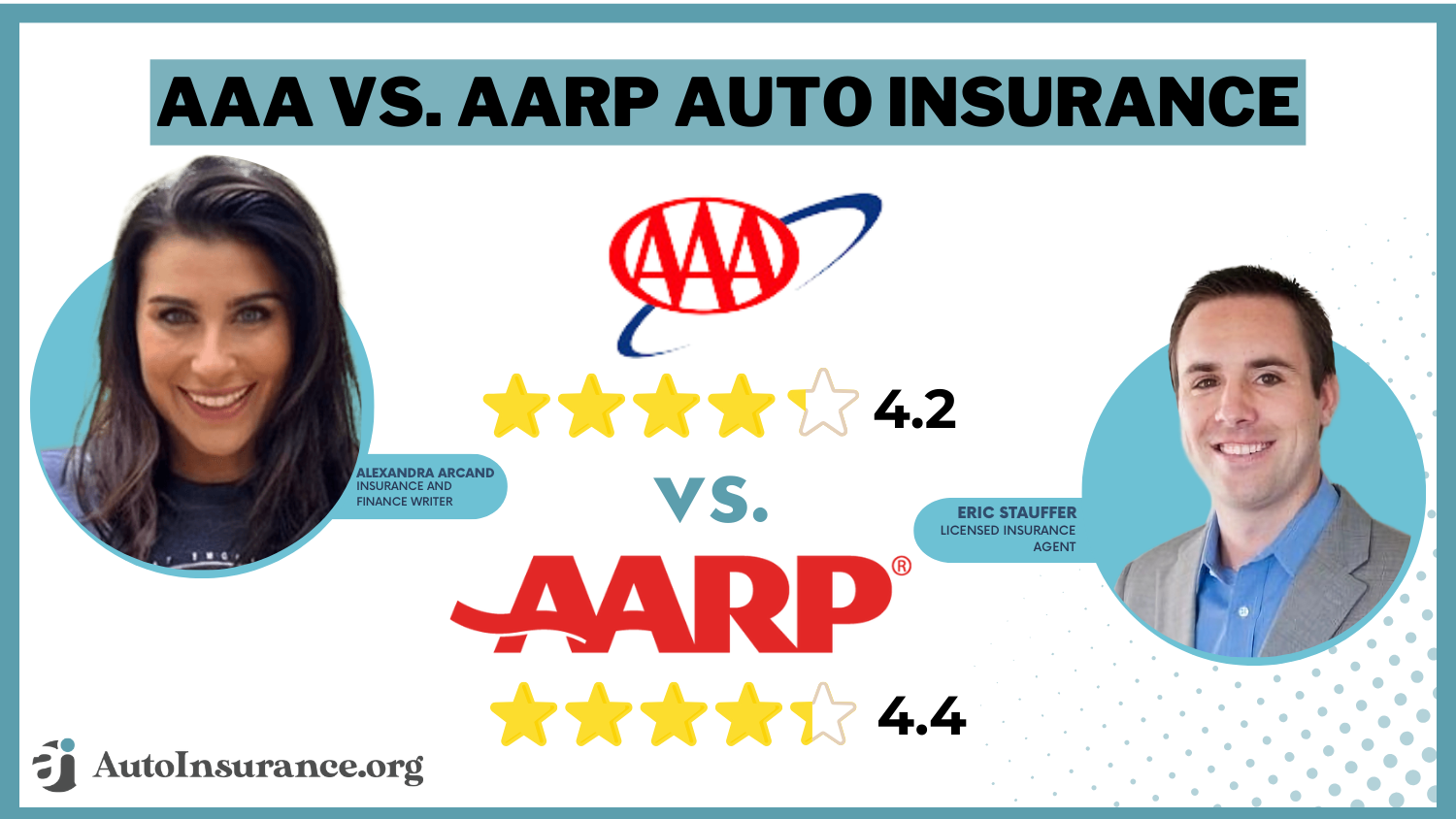
AARP does not function as an insurance company; instead, it provides members with access to auto insurance products underwritten by The Hartford. When members experience issues, complaints typically relate to premium increases, the claims settlement process, or communication gaps. Resolving these concerns requires navigating both AARP’s membership services and the specific underwriting policies established by The Hartford.
Understanding the Relationship Between AARP and The Hartford
To effectively address any grievances regarding AARP auto insurance, it is essential to understand the organizational structure involved. AARP—the American Association of Retired Persons—is a nonprofit, nonpartisan organization that advocates for individuals aged 50 and older. It does not possess a license to underwrite or sell insurance directly.
Instead, AARP enters into a contractual relationship with The Hartford Financial Services Group, Inc. This relationship is often referred to as an insurance program. Under this agreement, The Hartford manages the day-to-day operations of the auto insurance policies, including underwriting, rate setting, policy issuance, and the processing of claims. When a policyholder files a complaint about "AARP auto insurance," they are legally and operationally lodging a complaint against The Hartford, which is the entity responsible for the insurance contract.
Common Categories of Insurance Complaints
Complaints regarding auto insurance policies typically fall into three primary categories. Recognizing which category your concern falls into is the first step toward finding a resolution.
1. Premium and Billing Disputes
Many complaints arise when policyholders notice significant increases in their premiums upon renewal. While insurance rates are influenced by broader market conditions, inflation, and local accident trends, consumers often feel that these increases are disproportionate to their driving records. Billing issues also occur if automatic payments fail or if there is confusion regarding discounts and policy credits.
2. Claims Handling and Settlement
This is often the most significant source of consumer dissatisfaction. Complaints in this area frequently involve delays in communication, disagreements over the valuation of a totaled vehicle, or disputes regarding the selection of repair shops. If a claimant feels the adjuster is not prioritizing their case or is offering an insufficient settlement, the stress of the situation can lead to a formal complaint.
3. Customer Service and Communication
Insurance is a technical, jargon-heavy field. When policyholders feel that customer service representatives are not providing clear answers or are failing to explain why certain coverage was denied, frustration mounts. Poor communication is often cited in consumer surveys as the primary driver for switching insurance providers, even when the premium rates themselves are competitive.
Steps to Resolve Your Complaint Effectively
If you encounter a problem with your policy or a claim, there is a structured path you should follow to ensure your voice is heard and your issue is addressed systematically.
- Document Everything: Before initiating a formal complaint, gather all relevant documentation. This includes your policy number, the claim number (if applicable), names of representatives you have spoken with, dates of conversations, and summaries of what was discussed. Having a chronological record of events is vital.
- Contact The Hartford’s Direct Support: For claims-related issues, reach out to your assigned claims adjuster first. If you are unsatisfied, request to speak with a supervisor. For policy or billing issues, contact the customer service department specifically dedicated to the AARP auto insurance program.
- Escalate to the Ombudsman or Management: Many insurance companies, including The Hartford, have internal procedures for handling complaints that reach an impasse. Ask if there is a formal appeal process or if you can present your concern to a manager or ombudsman.
- State Insurance Department: If you have exhausted all internal avenues with The Hartford and remain unsatisfied, you have the right to file a complaint with your state’s Department of Insurance (DOI). Every state maintains a consumer protection division that oversees insurance companies operating within their borders. They can investigate whether the company is complying with state laws and regulations.
Comparing Methods of Recourse
| Recourse Level | Purpose | When to Use |
|---|---|---|
| Customer Service | Initial Inquiry | For routine billing errors or simple clarification questions. |
| Supervisor Review | Escalation | When a representative fails to provide a clear answer or resolves an issue incorrectly. |
| State DOI Complaint | Regulatory Oversight | When the company has denied a claim or action you believe is contrary to your contract or state law. |
| Legal Counsel | Litigation | When there is a significant financial loss or a breach of contract that cannot be settled administratively. |
The Role of Regulatory Oversight
State Departments of Insurance are arguably the most powerful tool available to a consumer with a legitimate grievance. These departments are tasked with ensuring that insurance carriers are financially solvent and acting in good faith.
When you file a complaint with the state, the insurance company is legally required to respond to the regulator. This process often forces the company to take a second look at your file. If the regulator finds that the company did not follow the terms of your policy or failed to follow state procedures, they may order the company to correct the action, pay a claim, or adjust a billing error. Note that regulators generally cannot force an insurance company to change its underwriting guidelines or premium rates, provided those rates have been approved by the state.
Preventing Future Issues
While some complaints are inevitable in a complex financial product like auto insurance, many can be avoided through proactive management of your policy.
- Review Policy Documents Annually: Do not simply renew your policy automatically. Read the declarations page every year to ensure that your coverage limits are still appropriate for your lifestyle and that all eligible discounts—such as those for safe driving, anti-theft devices, or low mileage—are still applied.
- Clarify Coverage Before a Loss: Many disputes arise because the policyholder assumed they had "full coverage," only to find their specific loss (such as rental car reimbursement or gap insurance) was not included. Ask for a policy review if you are unsure about what your policy does and does not cover.
- Maintain Digital Records: Keep copies of all correspondence with your insurance agent or company. In the event of a dispute, being able to point to an email or a recorded conversation can shift the outcome in your favor.
Understanding the Limitations of AARP Membership
It is important to acknowledge that holding an AARP membership does not grant special exemptions from insurance industry standards. An AARP-branded insurance policy is still subject to the same underwriting rules, actuarial data, and risk assessments as any other policy provided by The Hartford. Membership may provide access to specific group discounts or program features, but it does not alter the fundamental legal nature of the insurance contract between the policyholder and the insurer.
Frequently Asked Questions
How do I file a formal complaint against my auto insurance provider?
Start by contacting the company’s internal customer service or claims department and asking for their formal complaint procedure. If that fails to yield a resolution, locate the contact information for your state’s Department of Insurance and submit your complaint through their official portal.
Does filing a complaint with the state increase my premiums?
No. Insurance companies are prohibited by law from retaliating against policyholders for filing a legitimate complaint with a regulatory body. Filing a complaint is a consumer right protected by state statutes.
What if I disagree with the value assigned to my car after an accident?
If you believe the insurance company’s valuation is too low, provide your own evidence. This can include printouts from reputable vehicle valuation websites (such as Kelley Blue Book or NADA Guides) showing current market prices for similar vehicles in your area, or documentation of recent maintenance and upgrades you have performed on your car.
Can AARP intervene in my insurance dispute?
AARP serves as the program sponsor but typically does not act as an advocate for individual policyholders in specific insurance claims or billing disputes. They facilitate the relationship with The Hartford, but they are not a party to the insurance contract itself. Your primary point of contact for dispute resolution must be The Hartford.
What should I do if my insurance company cancels my policy?
If you receive a cancellation notice, check the reason provided. If you believe the cancellation is based on inaccurate information or violates state law, contact your state’s Department of Insurance immediately. Some states have strict rules about how much notice an insurer must provide before cancelling or non-renewing a policy.
Is there a statute of limitations for filing an insurance complaint?
Yes, but it varies by state and the nature of the issue. Generally, it is best to file your complaint as soon as you have exhausted internal company appeals. Waiting too long can make it difficult to obtain evidence or records related to your policy or claim.
Final Next Action
If you are currently facing a problem with your auto insurance policy, your immediate next step should be to request a written explanation from your claims adjuster or customer service representative regarding their decision. Once you have this in writing, you have a solid basis for an internal appeal or for a formal inquiry with your state Department of Insurance. Do not accept vague verbal explanations; always request that the company put their final decision, and the reasoning behind it, in writing.