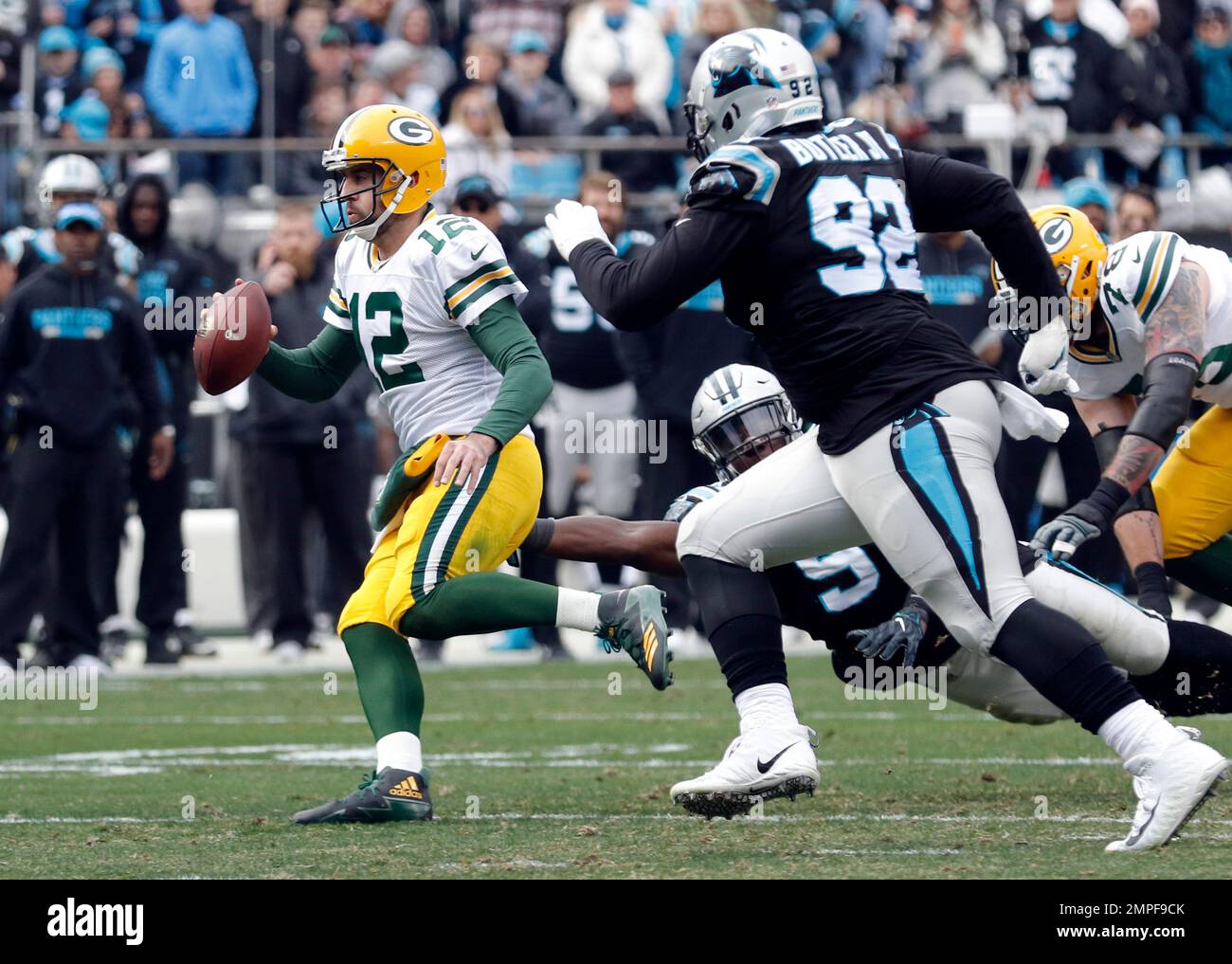
Aaron Rodgers’ first regular-season NFL game took place on August 27, 2005, during a preseason opener, but his first meaningful regular-season action occurred on October 2, 2005, against the New Orleans Saints. Entering the game in relief of Brett Favre during the fourth quarter, Rodgers completed three of five passes for 15 yards as the Green Bay Packers closed out a 52-3 victory.
The Context of the 2005 Green Bay Packers
To understand the significance of Aaron Rodgers’ first appearance, one must look at the landscape of the Green Bay Packers in 2005. The team was firmly anchored by future Hall of Fame quarterback Brett Favre, who at the time held the NFL record for consecutive starts. The selection of Rodgers in the first round (24th overall) of the 2005 NFL Draft was viewed as a long-term succession plan rather than an immediate need.
At the time, the NFL was transitioning into a more pass-heavy era, yet the Packers remained deeply entrenched in the identity of the Favre era. The draft process for Rodgers had been famously stressful, as he tumbled from a projected top-five pick down to the 24th selection. By the time training camp arrived in the summer of 2005, the narrative was centered on how the young Californian would adapt to the intensity of the cold-weather, blue-collar environment of Green Bay, Wisconsin.
The Specifics of the First Regular Season Appearance
While many fans recall his preseason debut, Rodgers' official entry into the NFL record books began on October 2, 2005. The setting was Lambeau Field, a stadium known for its historical weight and demanding fan base.
The Packers were dominating the New Orleans Saints, holding a substantial lead entering the final quarter. With the game effectively out of reach at 52-3, head coach Mike Sherman opted to insert the rookie to provide him with live-game repetitions—an essential developmental step for a backup quarterback.
- Opponent: New Orleans Saints
- Venue: Lambeau Field, Green Bay, WI
- Result: Packers won 52–3
- Performance: 3/5 passing, 15 yards, 0 touchdowns, 0 interceptions
While the statistics were modest, the importance of this moment cannot be overstated. For a rookie quarterback, standing on the field during a live NFL game—even in "garbage time"—represents the transition from theoretical scouting reports to the visceral speed and complexity of professional defensive schemes.
Comparison of Early Career Milestones
Evaluating the early trajectory of Aaron Rodgers requires looking at the gap between his arrival and his eventual ascension to the starting role. Unlike modern NFL starters who are often thrown into the fire as rookies, Rodgers experienced a three-year "apprenticeship" behind Favre.
| Milestone | Date | Significance |
|---|---|---|
| NFL Draft | April 23, 2005 | Selected 24th overall by the Green Bay Packers. |
| First Preseason Appearance | August 13, 2005 | Debut against the San Diego Chargers. |
| First Regular Season Action | October 2, 2005 | Appearance in relief vs. New Orleans Saints. |
| First Career Start | September 7, 2008 | Season opener vs. Minnesota Vikings. |
This timeline serves as a primary example of a developmental model that has become increasingly rare in the modern NFL. Where contemporary franchises often prioritize immediate impact, the Packers’ 2005–2007 strategy focused on internal refinement.
The Developmental Philosophy of the Mid-2000s
The decision to keep Rodgers on the sideline for three full seasons was a subject of intense debate among sports media and fans. From a technical perspective, this period allowed him to refine his mechanics, specifically his footwork and his release point, under the guidance of then-coaching staff, including eventual head coach Mike McCarthy.
During these years, the primary challenge for a backup was mastering the playbook. In 2005, the Packers’ offensive scheme was complex, relying heavily on timing patterns and specific reads that were designed for a veteran quarterback like Favre. Adapting to this while only receiving limited snaps during practice was a rigorous test of intellectual preparation. The "first game" in 2005 was merely the first time the public saw the output of this preparation, but the real work was occurring in the film room and during the scout team practices throughout the week.
Challenges Faced by Rookie Quarterbacks
It is worth noting the hurdles that Rodgers—and any rookie in that era—faced. First, there was the "speed of the game" adjustment. Defensive coordinators in the NFL utilize complex disguises, zone blitzes, and post-snap rotations that are significantly more sophisticated than those found in collegiate programs.
Furthermore, there is the psychological pressure of playing for a franchise with the legacy of the Green Bay Packers. When Rodgers first stepped onto the field, he was not just auditioning for the league; he was standing in the shadow of a legendary predecessor. The ability to handle this pressure—maintaining focus when the game was already won—was the first indicator of the mental fortitude that would define his later career.
Frequently Asked Questions
Did Aaron Rodgers start his first NFL game? No. Aaron Rodgers did not start his first NFL game. He spent his first three seasons as the primary backup to Brett Favre. His first official NFL start occurred on September 7, 2008, in a game against the Minnesota Vikings.
How many yards did Rodgers have in his first appearance? In his first regular-season appearance on October 2, 2005, Rodgers completed three passes for a total of 15 yards. He did not record any touchdowns or interceptions during that brief relief appearance.
Who was the Packers' head coach during Rodgers' debut? Mike Sherman was the head coach of the Green Bay Packers during the 2005 season. He was responsible for the team that drafted Rodgers and provided him with his first regular-season playing time during the blowout win against the Saints.
How did the media react to his first performance? The media reaction was muted and largely procedural. At the time, the focus was entirely on the team’s performance under Brett Favre. Rodgers’ debut was viewed as a standard developmental move for a rookie backup rather than a harbinger of a future transition, as the team was still deeply committed to Favre’s leadership.
What was unique about the 2005 Packers roster? The 2005 roster was characterized by a mix of veteran leadership and a high-stakes transition period. The most unique element was the internal environment of having a long-tenured superstar and a first-round draft pick working in the same quarterback room, a dynamic that influenced how the team operated for the next several years.
Conclusion and Next Steps
The debut of Aaron Rodgers in 2005 was not marked by fireworks or a dramatic comeback, but rather by the quiet, systematic integration of a future franchise cornerstone. For students of NFL history, his journey underscores the value of patience in athletic development.
If you are researching the career of Aaron Rodgers, the next logical step is to analyze his 2008 season. That year serves as the true "Book II" of his career, documenting his transition from a backup role to a full-time starter. Comparing his 2005 limited snaps against his 2008 breakout performance provides a comprehensive look at how professional preparation transforms a raw talent into a league-leading quarterback.