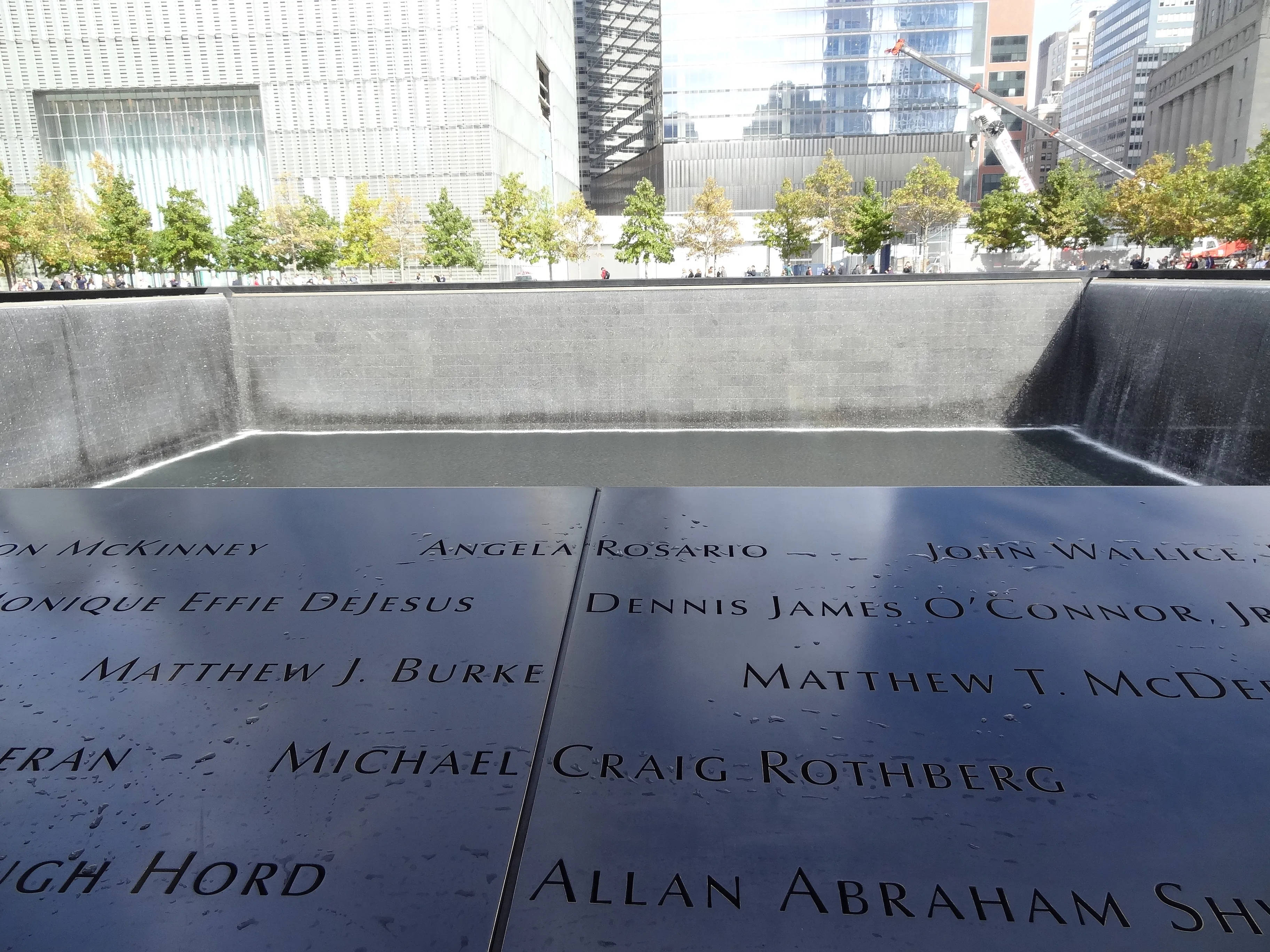
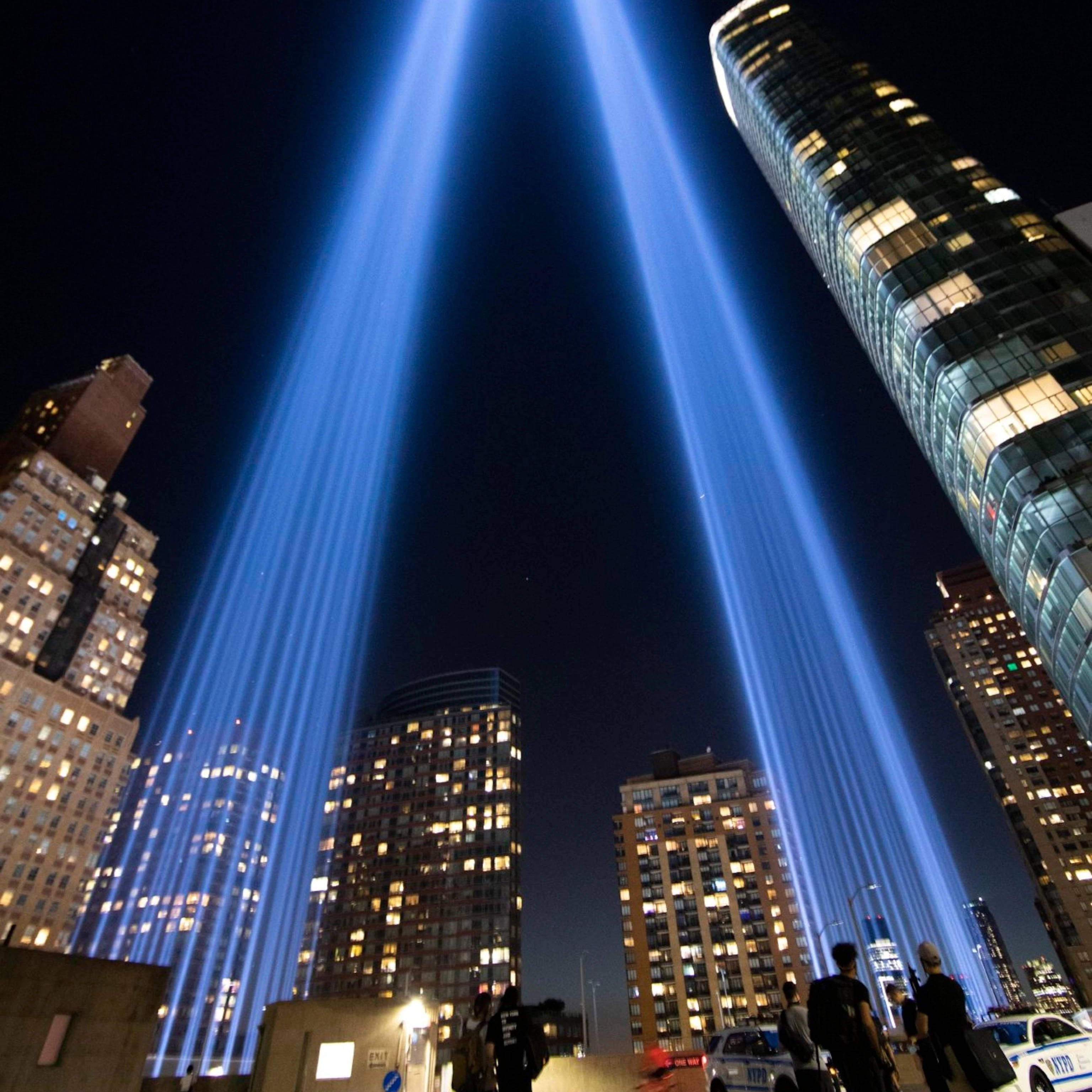
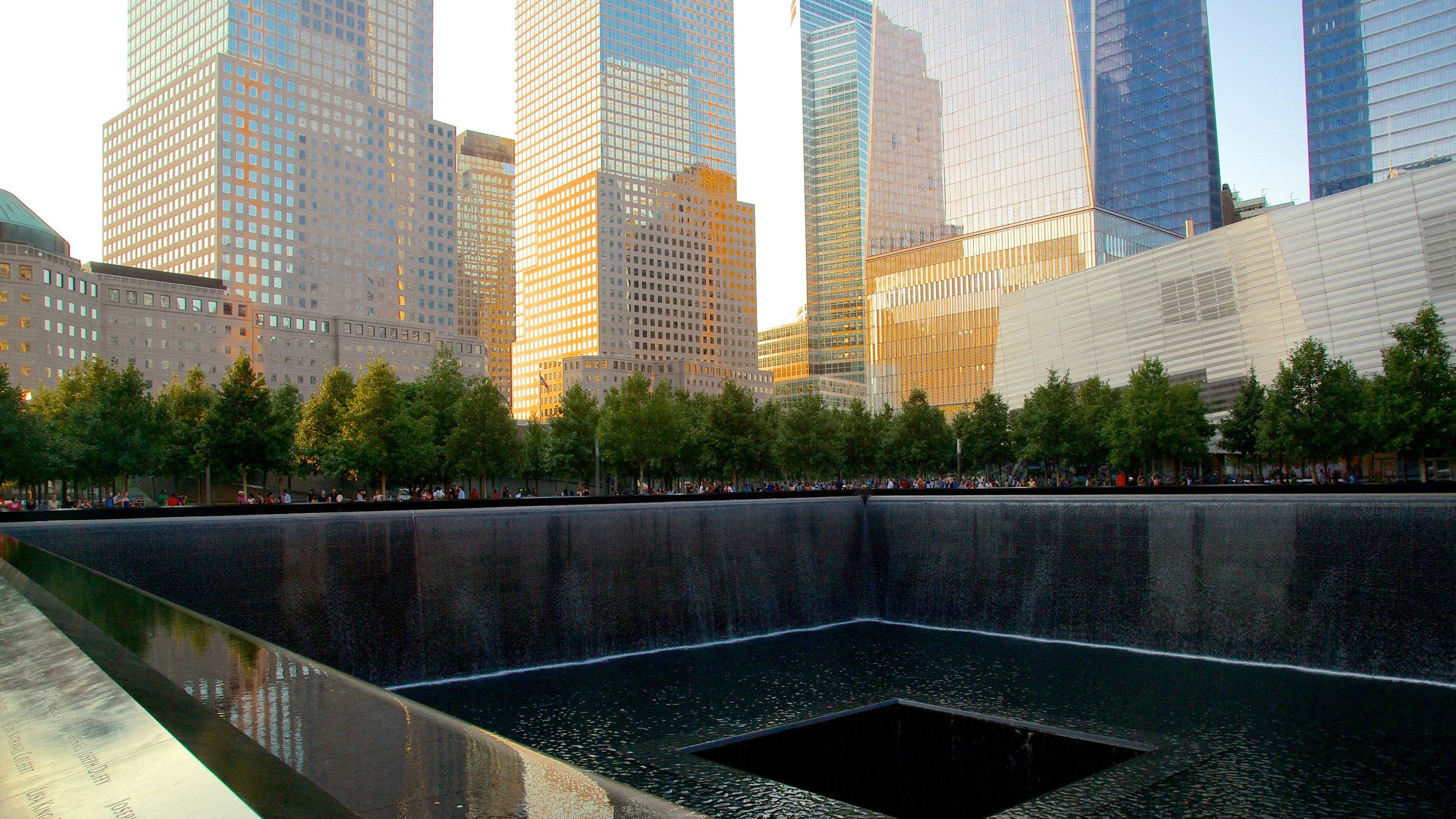
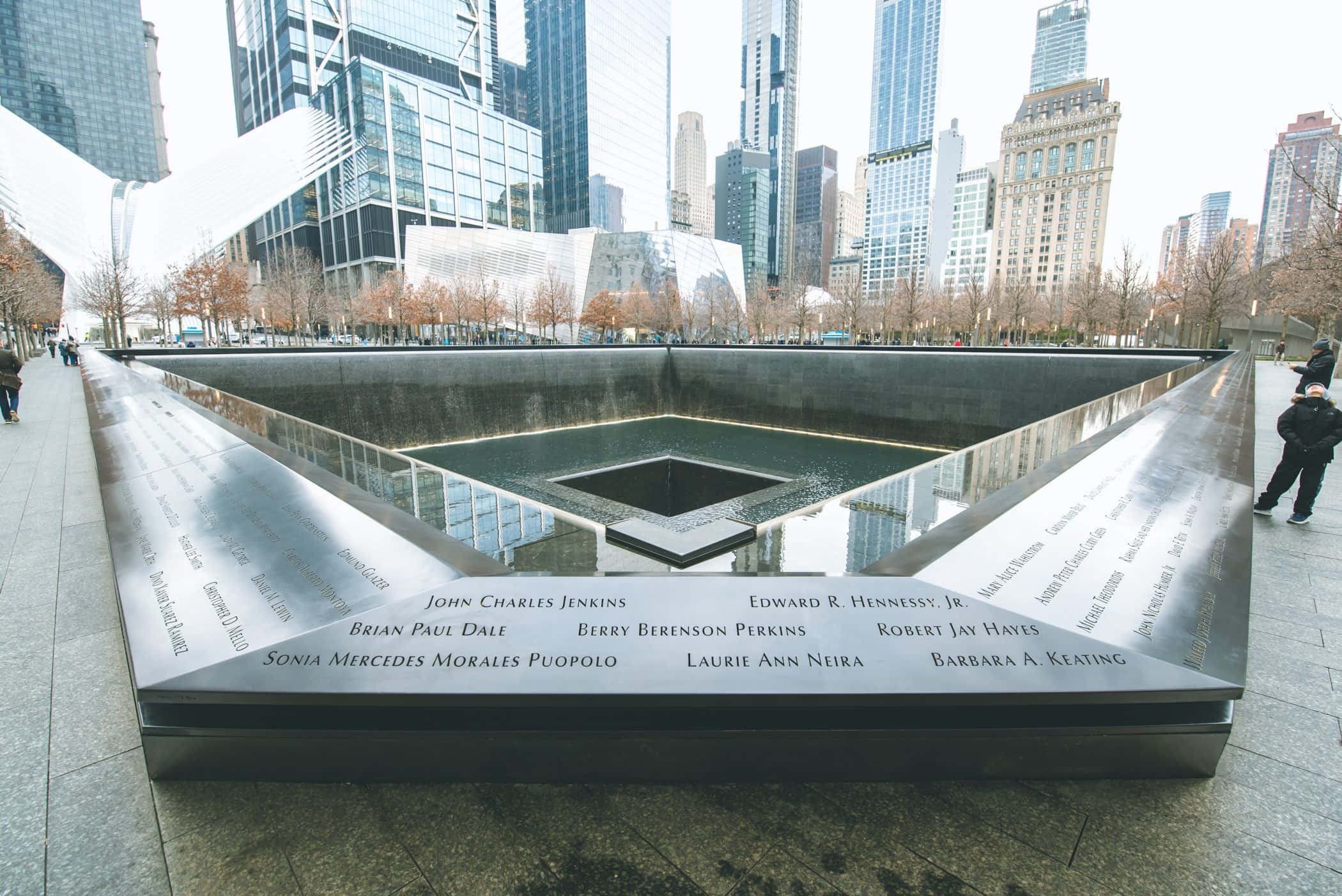
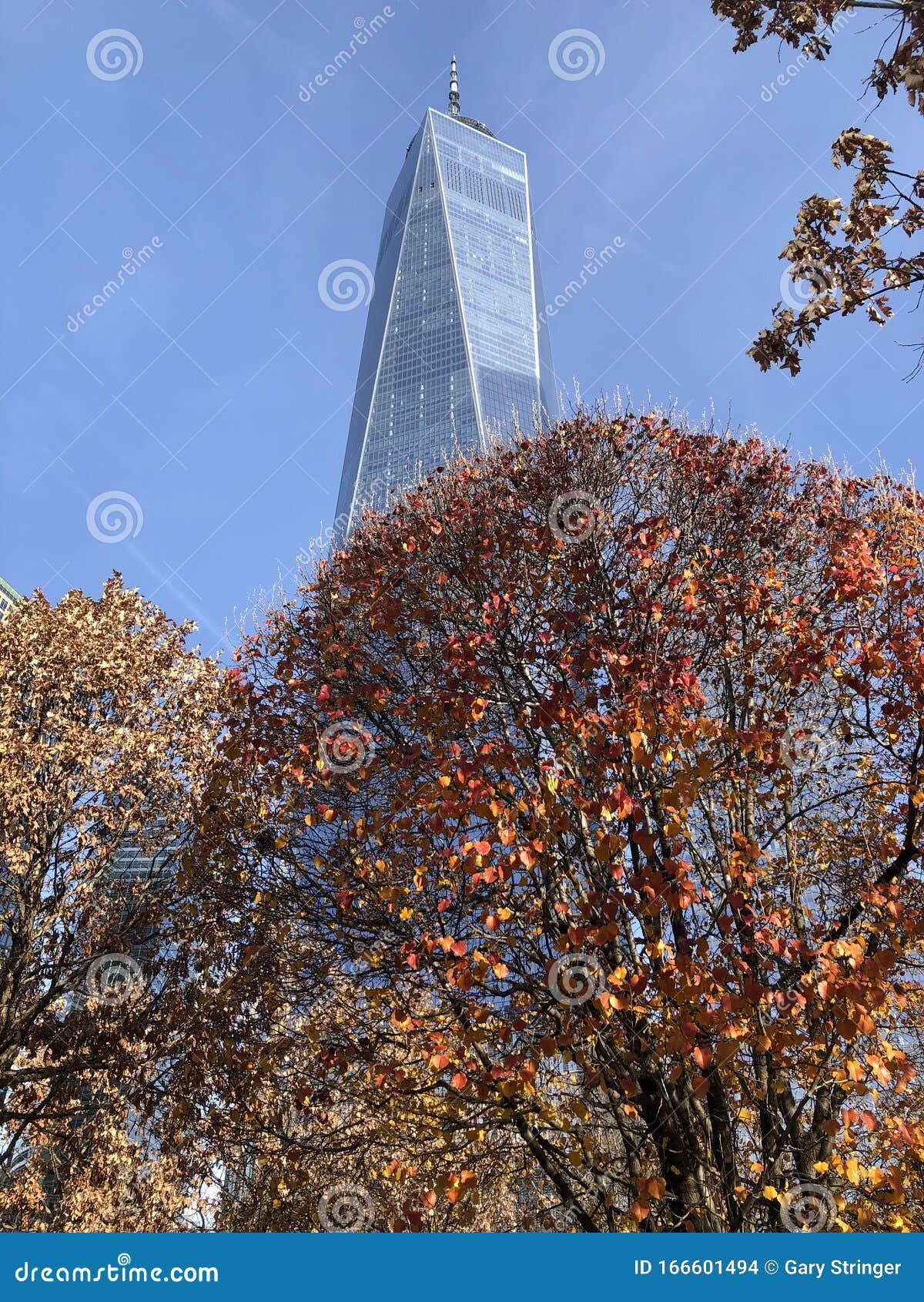
The 911 memorial trees constitute a living forest of over 400 Swamp White Oaks and one singular Callery Pear, known as the Survivor Tree, surrounding the Reflecting Absence pools in Lower Manhattan. These trees symbolize rebirth and resilience, providing a tactile, seasonal connection to the passage of time at the World Trade Center site.
As we stand in 2026, the 911 Memorial forest has reached a state of breathtaking maturity. What began as a complex architectural and arboricultural challenge has transformed into a lush, green canopy that offers shade, solace, and a profound sense of continuity. This urban grove is not merely a landscape feature; it is a sophisticated biological system designed to endure for centuries while honoring the lives lost on September 11, 2001.
The Architectural Vision: A Forest of Reflection
The landscape design of the National September 11 Memorial, titled "Reflecting Absence," was a collaborative effort between architect Michael Arad and landscape architect Peter Walker. Their goal was to create a space that felt both monumental and intimate. The "absence" is represented by the two massive recessed pools where the Twin Towers once stood, while the "presence" is represented by the grove of trees.
In the design, the trees are arranged in a non-linear, staggered grid. This layout was intentional; it creates a "cathedral-like" atmosphere where visitors can feel enclosed in a natural sanctuary despite being in the heart of one of the world's busiest financial districts. By 2026, the interlocking branches of these trees have created a continuous ceiling of leaves, which significantly reduces the ambient noise of the city and lowers the temperature of the plaza through evapotranspiration.
Why the Swamp White Oak?
The selection of the Swamp White Oak (Quercus bicolor) was a decision rooted in both symbolism and pragmatism. During the planning phases, several species were considered, but the Swamp White Oak emerged as the superior choice for several reasons:
- Hardiness: These trees are remarkably resilient to the harsh urban conditions of New York City, including wind tunnels created by skyscrapers and the heat reflected from concrete.
- Longevity: Oaks are known for their long lifespans, often living for several hundred years, which aligns with the memorial's mission of permanent remembrance.
- Aesthetic Consistency: The Swamp White Oak maintains a relatively uniform shape and size, which was necessary for the geometric precision of the landscape design.
- Symbolic Origin: The trees were sourced from nurseries in New York, Pennsylvania, and near Washington, D.C.—the three locations impacted by the September 11 attacks. This creates a literal biological link between the sites of the tragedy.
The Engineering Marvel Beneath the Roots
One of the most significant technical achievements of the 911 Memorial is hidden beneath the pavement. Traditional urban trees often struggle because their roots are confined to small pits with compacted soil, leading to a "bonsai effect" or early death. To prevent this, the 911 memorial trees are planted in a suspended pavement system.
This system uses a network of concrete piers and structural slabs to support the weight of the plaza and emergency vehicles, while leaving the soil below uncompacted. This allows the roots to spread naturally into a vast, continuous volume of nutrient-rich soil.
- Soil Volume: Each tree has access to approximately 1,000 cubic feet of soil.
- Irrigation: A sophisticated, automated drip irrigation system monitors soil moisture levels in real-time, ensuring the trees receive the exact amount of water needed without drowning the roots.
- Drainage: Because the trees sit atop the World Trade Center Transportation Hub and the Memorial Museum, a complex drainage layer prevents water from seeping into the structures below.
As of 2026, this system has proven its worth. The trees have shown growth rates that exceed typical urban expectations, with many now reaching heights of 35 to 45 feet, creating the dense canopy envisioned by Peter Walker decades ago.
The Survivor Tree: A Singular Icon of Hope
While the 400+ oaks provide the collective strength of the memorial, one tree stands apart: The Survivor Tree. This Callery Pear (Pyrus calleryana) was discovered in the rubble of the World Trade Center in October 2001. At the time, it was a charred, eight-foot-tall stump with only one living branch.
Recovery and Replanting
The tree was removed from the site and placed under the care of the New York City Department of Parks and Recreation at the Arthur Ross Nursery in Van Cortlandt Park. Over the course of nearly a decade, the tree was nursed back to health. It grew from a mangled stump into a vibrant, 30-foot tree.
In December 2010, the Survivor Tree was returned to the World Trade Center site. Today, it stands near the South Pool, distinguishable by its lighter-colored bark and white blossoms in the spring. If you look closely at its trunk, you can still see the gnarled scars of its original injuries, contrasted against the smooth, healthy growth that has occurred since its rescue.
The Seedling Program
The legacy of the Survivor Tree extends far beyond Manhattan. Every year, the 911 Memorial & Museum selects three communities that have endured recent tragedies to receive seedlings grown from the seeds of the Survivor Tree.
By 2026, "Survivor Tree" descendants have been planted in dozens of locations worldwide, including:
- Communities affected by mass shootings.
- Areas devastated by natural disasters like hurricanes and wildfires.
- International sites of terror attacks, such as Paris, France, and Manchester, England.
This program ensures that the message of resilience found in the 911 memorial trees continues to provide hope to others facing their darkest hours.
Seasonal Transformations and Visitor Experience
The 911 memorial trees offer a different experience depending on the time of year. Unlike the static stone of the reflecting pools, the trees provide a dynamic reminder of life’s cycles.
| Season | Aesthetic Characteristics | Visitor Impact |
|---|---|---|
| Spring | Bright green buds and white blossoms (on the Survivor Tree). | Symbolizes new beginnings and the return of life. |
| Summer | Deep green, dense canopy providing maximum shade. | Offers a cool "urban forest" respite from New York's humidity. |
| Autumn | Leaves turn shades of gold, amber, and orange. | Provides a somber, beautiful backdrop for anniversary commemorations. |
| Winter | Bare, architectural branches often dusted with snow. | Highlights the stark, geometric beauty of the plaza's design. |
Visitors in 2026 should note that the memorial plaza is a place of transition. The sound of the wind through the oak leaves and the rustle of the canopy are intentional parts of the acoustic experience, designed to help visitors move from the chaos of the city into a state of reflection.
Maintenance and Long-Term Care
The health of the 400+ trees is monitored with surgical precision. The 9/11 Memorial & Museum employs a dedicated team of arborists, often in partnership with specialized firms like Bartlett Tree Experts.
Maintenance protocols include:
- Regular Pruning: To maintain the health of the canopy and ensure clear sightlines for security and aesthetics.
- Nutrient Management: Soil samples are taken annually to adjust the organic fertilizer mix delivered through the irrigation lines.
- Pest Monitoring: Vigilance against invasive species like the Emerald Ash Borer or Spotted Lanternfly is constant to protect the grove.
- Ground Cover: The base of the trees is often surrounded by ivy or other ground covers that help retain moisture and protect the root flare from foot traffic.
Practical Information for Visitors (2026)
If you are planning to visit the 911 memorial trees in 2026, here are the essential details:
- Location: The 8-acre plaza is located at the World Trade Center site in Lower Manhattan. It is bounded by West Street, Liberty Street, Fulton Street, and Greenwich Street.
- Hours: The Memorial plaza is typically open daily from 8:00 AM to 8:00 PM.
- Admission: Access to the memorial plaza and the trees is free to the public. (Note: Admission is required for the 9/11 Memorial Museum).
- Etiquette: The plaza is a place of remembrance. While photography of the trees is encouraged, visitors are asked to remain respectful, keep noise levels low, and refrain from climbing on the trees or the bronze parapets.
- Accessibility: The entire plaza is wheelchair accessible, with smooth paving stones and gradual slopes.
For the most up-to-date information on security procedures or special events, visitors should consult the official 9/11 Memorial website.
FAQs About the 911 Memorial Trees
How many trees are at the 911 Memorial?
There are currently 412 Swamp White Oaks and one Callery Pear (the Survivor Tree) on the main memorial plaza. Additional trees are planted in the surrounding Liberty Park and the World Trade Center complex, bringing the total in the immediate vicinity to over 500.
Are the trees the same ones planted in 2011?
Yes, the vast majority of the trees are the original ones planted during the construction of the memorial. A small number of trees that did not thrive or were damaged by extreme weather have been replaced over the years with specimens of the same age and size to maintain the uniformity of the grove.
Can I buy a seedling from the 911 memorial trees?
While you cannot typically buy seedlings for private use, the 9/11 Memorial & Museum occasionally offers commemorative items or programs related to the trees. The primary seedling program is reserved for official donations to communities in need of a symbol of hope.
Why do the trees look different from one another in the fall?
Even though they are the same species, individual trees may change color at slightly different times based on their specific micro-environment—such as how much sun they receive or their proximity to the reflecting pools. This creates a beautiful, variegated tapestry of color rather than a monolithic change.
How do they keep the trees alive during New York winters?
Swamp White Oaks are native to the Northeast and are naturally adapted to cold winters. The suspended pavement system actually helps protect the roots from the extreme "freeze-thaw" cycles that can damage trees in standard planters. The arborists also apply organic mulches and ensure the trees are well-hydrated before the ground freezes.
A Growing Monument
The 911 memorial trees represent a shift in how we think about monuments. Unlike stone or steel, which begin to weather and decay from the moment they are installed, these trees grow stronger and more majestic with each passing year. In 2026, twenty-five years after the event they commemorate, the trees stand as a living testimony to the fact that life can and does return, even from the most scarred earth.
Whether you are visiting to pay your respects to a loved one or to marvel at the engineering of a modern urban forest, the trees offer a unique form of healing. They remind us that while the "absence" of the towers is permanent, the "presence" of life and growth is a powerful force that continues to flourish in the heart of New York City.