Rock music between 1980 and 1999 underwent a radical transformation, moving from the polished, synthesizer-heavy production and "hair metal" aesthetics of the 1980s to the raw, distorted, and emotionally vulnerable "grunge" and alternative sounds of the 1990s. This period defined modern rock through the rise of MTV and the shift from analog to digital recording.
The Sonic Landscape of the 1980s: Innovation and Excess
The 1980s began as a decade of recovery and reinvention. Following the explosion of punk in the late 1970s, rock music splintered into several highly successful subgenres. The early 1980s were dominated by New Wave, a genre that blended punk’s energy with electronic synthesizers and a pop sensibility. Bands like The Cars, Devo, and Duran Duran utilized the burgeoning technology of the Roland TR-808 and various FM synthesizers to create a sound that was futuristic yet accessible. This era saw the "gated reverb" drum sound—most famously used by Phil Collins—become the decade's percussive hallmark.
As the decade progressed, Arena Rock and Glam Metal (often derogatorily called "Hair Metal") took center stage. This movement was characterized by massive guitar hooks, virtuosic solos, and a focus on high-production live shows. Groups such as Van Halen, Mötley Crüe, and Poison leveraged the visual power of MTV, which launched in 1981, to turn rock into a theatrical experience. The "guitar hero" became a cultural icon, with players like Eddie Van Halen and Steve Vai pushing the technical limits of the instrument through two-handed tapping and complex whammy bar techniques.
However, the 1980s were not solely about pop-metal. The underground "College Rock" scene was brewing, led by bands like R.E.M. and The Replacements. These artists prioritized jangly guitars and poetic, often cryptic lyrics over the bombast of the mainstream. Simultaneously, Thrash Metal emerged from the San Francisco Bay Area, with Metallica, Slayer, Megadeth, and Anthrax (the "Big Four") providing a faster, more aggressive alternative to the radio-friendly rock of the era. This diversity ensured that while the mainstream was focused on polish, the roots of the next decade’s revolution were already being planted.
The 1990s: The Alternative Revolution and the Death of Glam
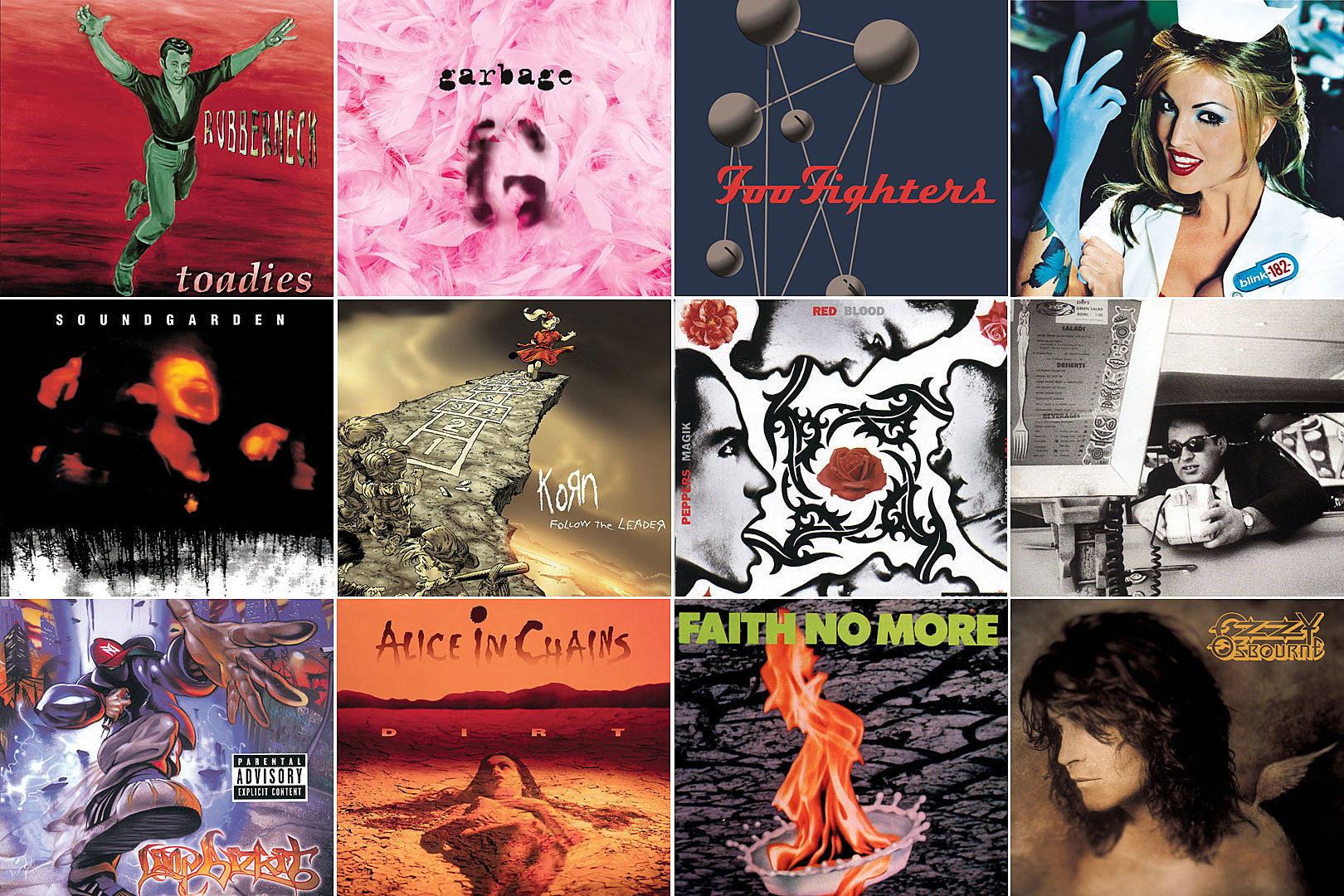
The transition into the 1990s is often marked by a single event: the release of Nirvana’s "Smells Like Teen Spirit" in September 1991. This track effectively ended the dominance of glam metal overnight. The 1990s shifted the focus from technical perfection and party-centric themes to authenticity, social alienation, and raw emotion. The Seattle "Grunge" scene—comprising Nirvana, Pearl Jam, Soundgarden, and Alice in Chains—brought heavy, sludge-inspired riffs and introspective lyrics to the top of the Billboard charts.
The 90s also saw the diversification of "Alternative Rock." What was once a fringe category became the new mainstream. In the United Kingdom, Britpop emerged as a cultural phenomenon, with Oasis and Blur engaging in a highly publicized chart battle. This movement was a reaction against the darkness of American grunge, instead drawing inspiration from 1960s British guitar pop like The Beatles and The Kinks.
By the mid-to-late 90s, the genre expanded further into Pop-Punk and Nu-Metal. Bands like Green Day and Blink-182 brought a high-energy, melodic simplicity back to rock, while acts like Korn and Linkin Park blended heavy metal with hip-hop influences and industrial textures. This decade was characterized by a "come as you are" ethos, where the barrier between the performer and the audience was intentionally thinned, contrasting sharply with the "rock god" personas of the 1980s.
Technical Shifts in Production and Distribution
The technical evolution of rock during these twenty years cannot be overstated. In the 1980s, the recording process remained largely analog, utilizing 2-inch tape machines and massive solid-state logic (SSL) consoles. This contributed to the "warm" but often heavily processed sound of the era. The 80s were also the era of the "Power Ballad," which required sophisticated layering of vocals and keyboards to achieve a cinematic scale.
By the 1990s, the introduction of Digital Audio Workstations (DAWs) like early versions of Pro Tools began to change how music was captured. While many grunge bands insisted on recording live to tape to preserve their "honest" sound, the mid-90s saw a shift toward digital editing. This allowed for more aggressive compression and a louder overall mix, leading to what engineers often call the "Loudness Wars."
The medium of consumption also shifted. The 1980s saw the decline of the vinyl record and the rise of the Cassette Tape, which made music portable for the first time via the Walkman. By the late 1980s and early 1990s, the Compact Disc (CD) became the industry standard, offering higher fidelity and the ability to skip tracks instantly. This change influenced album lengths; 80s albums typically clocked in at 35-45 minutes due to vinyl constraints, while 90s albums often stretched to 60-70 minutes to fill the CD's capacity.
Comparing the Two Eras: A Strategic Overview
The following table highlights the core differences between the dominant rock movements of the 1980s and the 1990s.
| Feature | 1980s Rock (Mainstream) | 1990s Rock (Mainstream) |
|---|---|---|
| Dominant Subgenres | Glam Metal, New Wave, Arena Rock | Grunge, Alternative, Pop-Punk, Nu-Metal |
| Primary Themes | Party culture, escapism, romantic yearning | Social anxiety, alienation, internal struggle |
| Visual Aesthetic | Spandex, big hair, neon, elaborate stage sets | Flannel shirts, unkempt hair, DIY clothing |
| Guitar Style | Highly technical, frequent solos, "shredding" | Riff-based, heavy distortion, "anti-solo" |
| Vocal Approach | High-pitched, operatic, polished | Gritty, baritone-leaning, emotional cracking |
| Production Style | Gated reverb, heavy synth layering, polished | Dry drums, high dynamic range (initially), raw |
| Key Influences | Led Zeppelin, T. Rex, David Bowie | Black Sabbath, The Pixies, The Stooges |
Cultural Impact and the Legacy of the Era in 2026
As of 2026, the influence of 80s and 90s rock remains a powerhouse in the global music economy. The "nostalgia cycle" has essentially merged these two decades into a "classic rock" continuum for younger generations. In the current streaming-dominant landscape, tracks like Fleetwood Mac's "Dreams" (80s resurgence) and Nirvana's "Something in the Way" (90s resurgence) have seen massive spikes in popularity due to their use in films and social media trends.
Furthermore, the business of rock has changed. Many iconic artists from this period, including Bruce Springsteen and the estate of David Bowie, have sold their publishing catalogs for hundreds of millions of dollars. This ensures that 80s and 90s rock songs will continue to be featured in advertising, films, and video games for decades to come. The "reunion tour" industry also remains robust in 2026, with 90s bands that once stood for "anti-commercialism" now headlining major global festivals, proving the enduring marketability of the alternative movement.
The 80s taught the industry how to market rock as a visual product, while the 90s taught it how to market vulnerability and "the outsider." Together, they provide the blueprint for almost every rock subgenre that has emerged since the turn of the century.
Frequently Asked Questions
What was the main difference between 80s and 90s rock?
The primary difference was the shift from the high-production, image-focused "party rock" of the 80s (like Van Halen or Bon Jovi) to the stripped-back, emotionally heavy "alternative rock" of the 90s (like Nirvana or Pearl Jam). The 80s celebrated excess and technical virtuosity, while the 90s celebrated authenticity and the "everyman" persona.
Why did hair metal disappear so quickly in the early 90s?
Hair metal suffered from over-saturation and a perceived lack of substance. By the end of the 80s, the genre had become formulaic, focusing more on power ballads and image than musical innovation. When grunge arrived with a darker, more realistic tone that resonated with the economic anxieties of the time, the flamboyant style of hair metal suddenly appeared dated and out of touch.
Who were the most influential rock artists of the 80s?
Bands like U2, Guns N' Roses, and Metallica defined different facets of 80s rock. U2 brought a new level of political and spiritual depth to arena rock, Guns N' Roses returned a dangerous, bluesy edge to the mainstream, and Metallica brought underground thrash metal to the masses.
How did MTV change rock music during this period?
MTV made the visual component of a band as important as the music itself. In the 80s, this led to elaborate music videos and a focus on fashion. By the 90s, MTV helped break "alternative" acts into the mainstream by giving heavy rotation to low-budget, high-concept videos that appealed to a younger, more cynical audience.
Is 90s rock considered "Classic Rock" in 2026?
Yes. In 2026, the "Classic Rock" radio and streaming formats typically include music that is at least 25-30 years old. This means that seminal 90s albums like Nevermind, Ten, and (What's the Story) Morning Glory? are now firmly established alongside 70s and 80s staples in the classic rock canon.
What is "Post-Grunge" and when did it start?
Post-grunge emerged in the mid-90s as a more radio-friendly version of the Seattle sound. Bands like Bush, Candlebox, and later Nickelback took the distorted guitars and vocal affectations of grunge but applied them to more traditional pop-rock song structures, leading to massive commercial success throughout the late 90s and early 2000s.
Practical Recommendation for Listeners
To truly understand the evolution of rock between these decades, listeners should explore "bridge" albums that show the transition in real-time. Start with The Pixies' "Doolittle" (1989), which heavily influenced the 90s quiet-loud dynamic. Follow this with Guns N' Roses' "Appetite for Destruction" (1987) to see the 80s at its most raw, and conclude with Nirvana's "In Utero" (1993) to hear the 90s at its most uncompromising. For those looking to build a collection in 2026, focus on high-fidelity "Remastered" versions of these albums, as modern digital transfers have significantly improved the clarity of the often muddy-sounding 90s recordings.