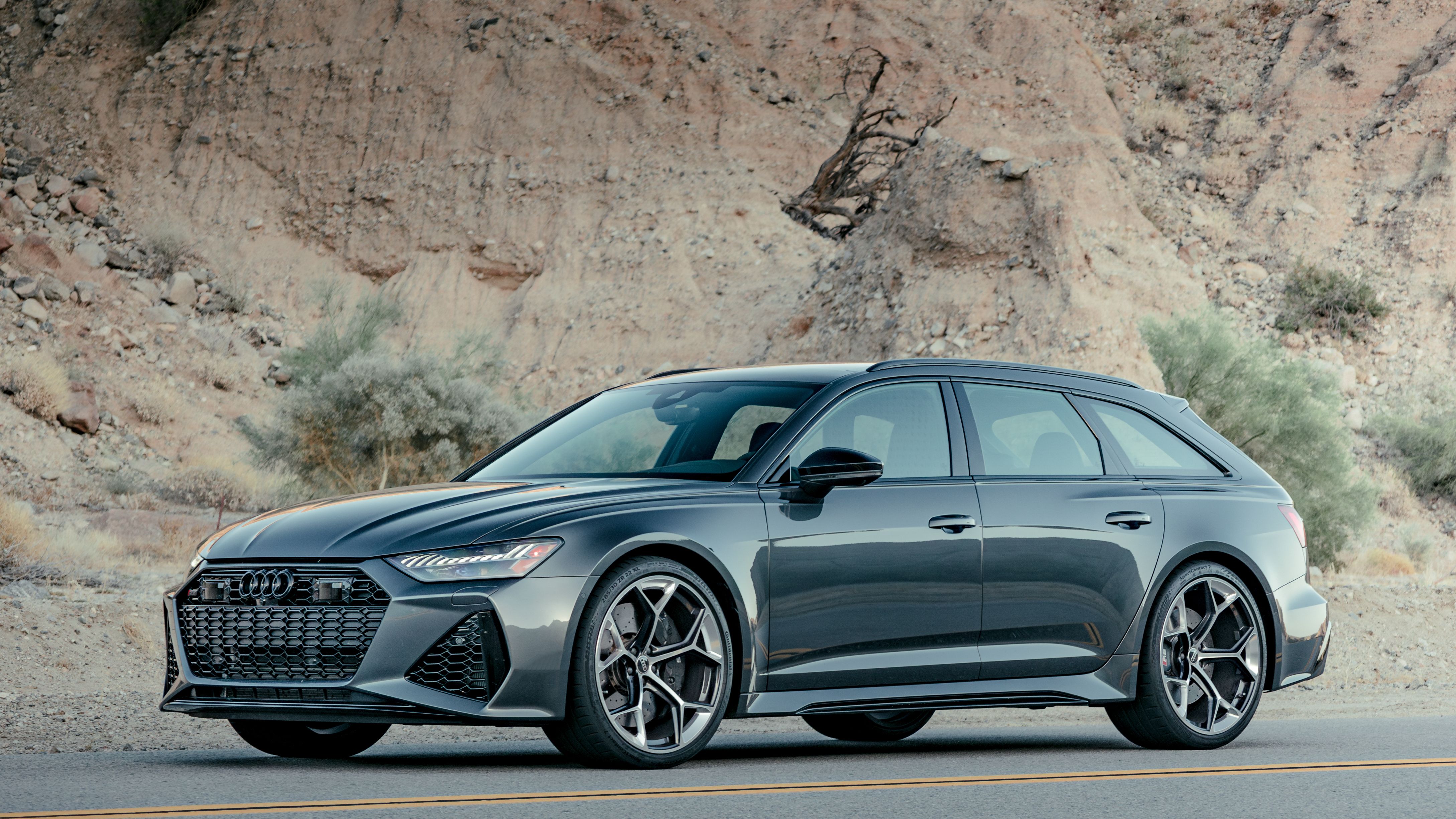
The Audi RS6 Avant represents the pinnacle of high-performance utility, blending supercar-level acceleration with the practical architecture of a premium station wagon. As of 2026, the RS6 remains a benchmark for the "sleeper" aesthetic, powered by a 4.0-liter twin-turbo V8 engine producing up to 621 horsepower in its Performance trim, coupled with an advanced Quattro all-wheel-drive system that enables a 0-60 mph sprint in just 3.3 seconds.
For decades, the RS6 has served as the definitive "one-car garage" solution for enthusiasts who refuse to sacrifice cargo space for raw power. In the current 2026 automotive landscape, where electrification is rapidly transforming the high-performance segment, the RS6 Avant (specifically the C8 generation) stands as one of the final and most refined expressions of internal combustion engineering. Whether you are a prospective buyer or a technical enthusiast, understanding the nuances of its mechanical and digital architecture is essential for appreciating why this wagon continues to command a premium in the global market.
1. The Powertrain: Biturbo V8 with 48V Mild-Hybrid Integration
At the heart of the RS6 Avant is a masterclass in engine downsizing—not in terms of cylinder count, but in the efficiency of power delivery. The 4.0-liter V8 TFSI engine utilizes two twin-scroll turbochargers located in the "Hot V" of the engine block. This placement minimizes the distance exhaust gases must travel to reach the turbines, significantly reducing turbo lag and sharpening throttle response.
In the 2026 context, the "Performance" specification of this engine is the gold standard. It produces 621 horsepower and 627 lb-ft of torque. To manage this power efficiently during daily driving, Audi integrates a 48-volt Mild Hybrid System (MHEV). This system uses a belt alternator starter (BAS) to recover energy during deceleration, storing it in a small lithium-ion battery. This energy allows the car to coast with the engine off at certain speeds and facilitates a smoother start-stop transition, contributing to marginal fuel savings without compromising the V8’s visceral character.
Furthermore, the Cylinder on Demand (COD) technology can deactivate four of the eight cylinders under light load conditions. By closing the intake and exhaust valves of cylinders 2, 3, 5, and 8, the engine operates as a high-efficiency four-cylinder unit until the driver demands more power, at which point the dormant cylinders reactivate in milliseconds.
2. Acceleration and Top Speed: Supercar Territory
The RS6 wagon’s performance figures are often compared to dedicated mid-engine supercars. Thanks to the optimized shift times of its eight-speed Tiptronic transmission and the relentless grip of the Quattro system, the RS6 Performance hits 60 mph from a standstill in approximately 3.3 seconds. This level of acceleration is particularly impressive given the vehicle’s curb weight, which exceeds 4,900 pounds.
Top speed is electronically governed based on the selected package:
- Standard: 155 mph (250 km/h)
- RS Dynamic Package: 174 mph (280 km/h)
- RS Dynamic Package Plus: 190 mph (305 km/h)
The "Plus" package typically includes the Ceramic Brake system, which is a prerequisite for safely managing the heat generated when slowing down from nearly 200 mph. The acceleration isn't just about the 0-60 sprint; the mid-range torque delivery ensures that overtaking at highway speeds is instantaneous, providing a level of confidence rarely found in family-oriented vehicles.
3. Quattro All-Wheel Drive and the Self-Locking Center Differential
The RS6's ability to put power to the pavement is managed by a permanent Quattro all-wheel-drive system. Unlike many modern "on-demand" systems that operate primarily in front-wheel drive, the RS6 utilizes a mechanical self-locking center differential. Under normal driving conditions, the torque is distributed in a rear-biased 40:60 ratio. This setup provides the car with a sporty, rear-wheel-drive-centric feel while maintaining the security of AWD.
When slip is detected, the system can automatically redirect up to 70% of the torque to the front wheels or up to 85% to the rear. This mechanical redirection is faster and more predictable than electronic clutch-based systems. For 2026, the RS6 also features the Quattro Sport Differential on the rear axle. This active torque-vectoring component can distribute torque between the left and right rear wheels. By overdriving the outside wheel during cornering, the system effectively "pushes" the car into the apex, virtually eliminating the understeer historically associated with heavy, front-engined Audi models.
4. Advanced Suspension Options: DRC vs. Adaptive Air
One of the most critical technical highlights of the RS6 spec sheet is the choice between two distinct suspension philosophies. Understanding the difference is vital for matching the car to your driving environment.
RS Adaptive Air Suspension
The standard fitment is an RS-tuned adaptive air suspension. This system allows for a 20mm lower ride height than the standard A6 and can lower the car an additional 10mm at speeds above 75 mph to improve aerodynamics. It offers a "wafting" ride quality in Comfort mode, making it the ideal choice for long-distance touring and daily commutes over imperfect road surfaces.
RS Dynamic Ride Control (DRC)
For the purist, the optional RS Sport Suspension Plus with Dynamic Ride Control is a mechanical masterpiece. It replaces the air springs with steel springs and uses a complex network of hydraulic lines to connect diagonally opposed shock absorbers. When the car enters a corner, the hydraulic system restricts fluid flow to the outside dampers, significantly reducing pitch and body roll without the need for heavy electronic actuators. This system provides a more connected, communicative chassis feel, though it is noticeably firmer than the air suspension.
5. Braking and Unsprung Mass Reduction
Stopping a two-and-a-half-ton wagon requires immense thermal capacity. The RS6 comes standard with massive steel rotors, but the highlight of the technical specs is the optional RS Ceramic Brake system.
The ceramic rotors measure 440mm at the front and 370mm at the rear. Beyond their fade-resistant properties under track-like conditions, the primary advantage is a massive reduction in unsprung mass. The ceramic system saves approximately 34 kilograms (75 lbs) compared to the steel counterparts. By reducing the weight that the suspension has to manage, the car's steering becomes more precise, and its ability to track over bumps improves significantly. In the 2026 market, these brakes are often finished in signature colors like red, blue, or grey, clamped by ten-piston calipers at the front.
6. Widebody Design and Aerodynamics
The RS6 Avant shares only the front doors, roof, and tailgate with the standard Audi A6 Avant. Every other body panel is specific to the RS model. The flared wheel arches increase the vehicle's width by 80mm (approximately 3.1 inches), allowing for a wider track and the fitment of massive 21-inch or 22-inch wheels.
This width isn't just for aggression; it facilitates better cooling and aerodynamics. The "Powerdome" hood and the RS-specific front bumper with large side air intakes are designed to feed the intercoolers and brakes. At the rear, the signature oval tailpipes—the largest ever fitted to an RS model—integrate into a functional diffuser that manages underbody airflow to reduce lift at high speeds. For 2026 models, many of these elements are available in matte carbon fiber or high-gloss black, allowing for significant visual customization.
7. The Virtual Cockpit and Interior Utility
Inside, the RS6 balances digital sophistication with the utility of a wagon. The Audi Virtual Cockpit Plus features a 12.3-inch high-definition display with RS-specific layouts. These include displays for:
- G-force meters
- Lap timers
- Tire pressure and temperature (critical for high-performance driving)
- Engine output (horsepower and torque percentages)
- Boost pressure
Despite the performance focus, the RS6 remains a wagon. It offers 30 cubic feet of cargo space with the rear seats up, expanding to 59.3 cubic feet when folded. This makes it one of the few vehicles on earth that can carry a mountain bike or a week's worth of luggage while outperforming dedicated sports cars on a circuit.
Technical Specifications Summary (2026 Performance Trim)
| Feature | Specification |
|---|---|
| Engine | 4.0L Twin-Turbo V8 with 48V MHEV |
| Horsepower | 621 hp |
| Torque | 627 lb-ft (850 Nm) |
| Transmission | 8-Speed Tiptronic Automatic |
| Drivetrain | Quattro AWD with Sport Differential |
| 0-60 mph (96 km/h) | 3.3 Seconds |
| Top Speed | 155 - 190 mph (Dependent on Package) |
| Curb Weight | ~4,982 lbs (2,260 kg) |
| Cargo Capacity | 30.0 - 59.3 cu. ft. |
| Wheel Size | 21" Standard / 22" Optional |
Common Questions About the RS6 Wagon
Does the 2026 Audi RS6 Avant have a "Drift Mode"?
Unlike some of its competitors that use a completely disconnectable front axle to allow for 100% rear-wheel drive, the RS6 does not have a dedicated "Drift Mode." However, the Quattro system is heavily rear-biased, and when the Electronic Stabilization Control (ESC) is set to "Sport" or turned off entirely, the Sport Differential can induce controlled oversteer by overdriving the outside rear wheel.
Is the Audi RS6 Avant fuel-efficient for long trips?
While the RS6 is a performance-first vehicle, it uses several technologies to improve efficiency during highway cruising. The 48V mild-hybrid system allows for engine-off coasting between 34 and 99 mph, and the Cylinder on Demand system turns the V8 into a V4 during low-load situations. Expect roughly 15 mpg in the city and up to 22 mpg on the highway, which is respectable for a 600+ hp vehicle.
What is the difference between the "Standard" and "Performance" trims?
In 2026, most RS6 models found in showrooms are the "Performance" variant. The Performance trim features larger turbochargers, a boost increase from 2.4 to 2.6 bar, and a reduction in sound insulation between the engine compartment and the cabin. This results in an extra 30 hp and 37 lb-ft of torque compared to the early C8 base models, along with a more visceral engine note.
Can the RS6 Avant be used as a daily driver?
Yes, the RS6 is widely considered one of the best daily drivers in the world. When the Audi Drive Select is in "Efficiency" or "Comfort" mode, the exhaust valves close, the air suspension softens, and the transmission shifts early, making it as docile and quiet as a standard A6. The 30 cubic feet of cargo space and ISOFIX points for car seats ensure it meets all family requirements.
How do the Ceramic Brakes perform in cold weather?
Modern carbon-ceramic brakes, like those on the RS6, are designed to work effectively even in cold or wet conditions. While older ceramic technology required significant heat to become effective, the current Audi systems provide consistent bite from the first stop. However, they may occasionally produce more "squeal" than steel brakes during low-speed city driving when cold.
Final Recommendation
If you are looking for the ultimate balance of mechanical soul and modern technology in 2026, the Audi RS6 Avant Performance remains an unparalleled choice. For those prioritizing comfort and "stealth" long-distance travel, we recommend opting for the RS Adaptive Air Suspension. However, if you intend to explore the car's dynamic limits or value a more raw driving experience, the Dynamic Ride Control (DRC) paired with the RS Ceramic Brakes is the definitive configuration. Regardless of the options chosen, the RS6’s spec sheet confirms its status as a legendary all-rounder that justifies its position at the top of the Audi Sport hierarchy.