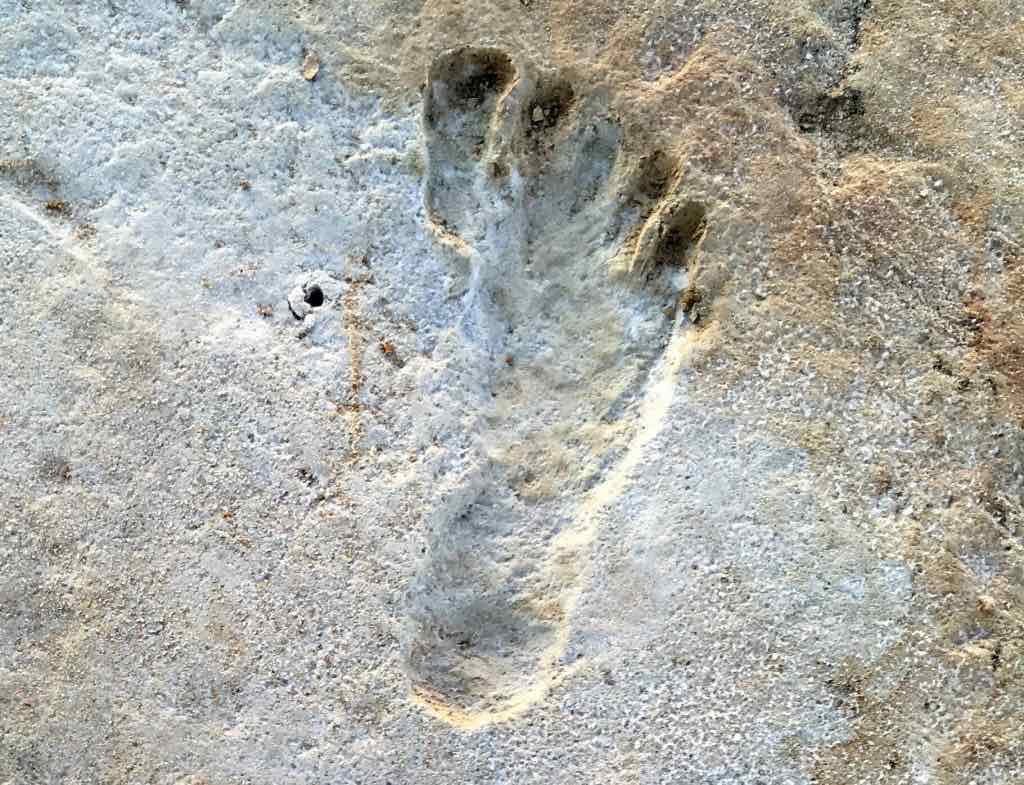
Discovering and analyzing 7,000-year-old human remains provides bioarchaeologists, geneticists, and anthropologists with invaluable windows into early Holocene societies, ancient migration patterns, dietary shifts, and paleopathology. These specimens bridge the gap between late hunter-gatherer populations and the earliest sedentary agricultural communities.
Introduction to Mid-Holocene Human Remains
The study of human remains dating back approximately 7,000 years places researchers firmly in the mid-Holocene epoch. During this chronological window, roughly 5000 BCE, global climate stabilization following the end of the last Ice Age allowed human populations to expand, settle, and experiment with novel subsistence strategies. Remains from this era are exceptionally significant because they capture humanity during a profound transitional phase: the shift from purely mobile foraging to incipient food production, animal domestication, and village life.
When researchers examine 7,000-year-old human bones and teeth, they are not merely looking at ancient anatomy; they are deciphering the biological biographies of individuals who lived through monumental cultural revolutions. These remains offer empirical data regarding health, stature, disease prevalence, genetic ancestry, and social structures long before the advent of written records. Through modern bioarchaeological techniques, scientists can reconstruct ancient lifeways with astonishing precision, transforming fragile skeletal fragments into detailed historical narratives.
Chronological and Archaeological Context
Placing human remains into a 7,000-year-old context requires meticulous archaeological stratigraphy, absolute dating techniques, and cultural artifact association. The mid-Holocene was characterized by regional diversification. In Europe, this era corresponds to the late Mesolithic or the consolidation of the Neolithic transition, where farming communities from Anatolia encountered and interacted with indigenous hunter-gatherer populations. In the Americas, this period reflects Archaic hunter-gatherer adaptations, where diverse regional bands utilized specialized seasonal resources. In Asia and Africa, river valley civilizations and pastoralist networks were beginning to lay the groundwork for complex social hierarchies.
Archaeologists utilize several primary methods to verify the age of these remains:
- Radiocarbon Dating (Carbon-14): Measuring the decay of radioactive carbon isotopes in collagen extracted from bone or associated organic material.
- Stratigraphic Analysis: Evaluating the layer of earth, sediment, or rock in which the skeleton was interred relative to surrounding geological markers.
- Typological Dating: Examining grave goods, pottery styles, or lithic tools buried alongside the individual to establish a relative chronology.
- Accelerator Mass Spectrometry (AMS): A refinement of radiocarbon dating that requires microscopic sample sizes, preserving the integrity of delicate skeletal elements.
Bioarchaeological Analysis and Analytical Techniques
The examination of 7,000-year-old human remains has been revolutionized by rapid technological advancements over the past few decades. Physical anthropologists and osteologists no longer rely solely on visual inspection and basic measurements. Today, a multidisciplinary laboratory framework is applied to every significant discovery to extract maximum data with minimal destructive sampling.
Osteological and Paleopathological Assessment
Macroscopic and microscopic analysis of bones and teeth reveals intimate details about an individual's life. Osteologists can determine biological sex, age at death, and estimated stature through standard metrics of the pelvis, skull, and long bones. Paleopathology—the study of ancient diseases—identifies markers of stress, trauma, and infection. For instance, cribra orbitalia and enamel hypoplasia often signal childhood malnutrition or systemic stress, while healed cranial fractures or defensive parry fractures provide evidence of interpersonal violence or accidental trauma.
Dental Anthropology and Micro-Wear Analysis
Teeth are the most durable structures in the human body and often survive when long bones have degraded. Dental anthropologists study tooth wear to infer dietary habits, such as the consumption of abrasive stone-ground grains versus softer foraged plants. Furthermore, dental calculus (calcified plaque) traps microscopic food particles, starches, and ancient proteins, allowing researchers to reconstruct the exact plant and animal components of a 7,000-year-old individual's last meals.
Ancient DNA (aDNA) and Isotopic Testing
Perhaps the most transformative developments in the study of ancient humans are archaeogenetics and stable isotope analysis.
- Genomic Sequencing: Extracts preserved DNA, typically from the petrous bone at the base of the skull, to map the individual's genetic ancestry, track population migrations, and identify physical traits such as eye color, skin pigmentation, and genetic predispositions to certain conditions.
- Strontium Isotope Analysis: Measures ratios of strontium isotopes in tooth enamel and bone to determine where an individual lived during childhood versus where they resided later in life, revealing patterns of mobility and migration.
- Carbon and Nitrogen Isotopes: Analyzes bone collagen to differentiate between marine, terrestrial, and agricultural dietary inputs over the final decades of the person's life.
Comparison of Mid-Holocene Regional Adaptations
The following table contrasts the typical archaeological, biological, and cultural characteristics of human populations from around 7,000 years ago across three distinct geographic regions:
| Geographic Region | Cultural Phase | Primary Subsistence Strategy | Common Pathological Markers | Genetic & Migratory Profile |
|---|---|---|---|---|
| Western Europe | Late Mesolithic / Early Neolithic | Foraging, fishing, and nascent agriculture | Enamel hypoplasia, low trauma rates, robust muscle attachment sites | admixture between indigenous hunter-gatherers and early European farmers |
| Mesoamerica / Americas | Early-to-Middle Archaic | Foraging, hunting, and seasonal plant domestication | Dental wear from grinding stones, degenerative joint disease | High regional genetic continuity with distinct regional adaptations |
| Near East / Levant | Pottery Neolithic | Settled agriculture, livestock domestication | Spinal degeneration from heavy labor, infectious disease exposure | Rapid demographic expansion, early farming lineage expansion |
Preservation Challenges and Taphonomic Factors
Recovering and analyzing human remains that have rested in the earth for seven millennia is fraught with environmental and chemical challenges. Taphonomy—the study of how organisms decay and become fossilized or preserved in the archaeological record—dictates whether skeletal material survives in a condition suitable for advanced scientific analysis.
Acidic soils rapidly dissolve bone mineral content, leaving behind only faint organic stains or completely destroying the burial. Conversely, alkaline soils, arid environments, waterlogged bogs, and deep cave systems with stable, cool temperatures provide exceptional preservation conditions. Even in favorable environments, bone collagen degrades over time, making DNA extraction difficult or impossible if temperatures fluctuate or if the soil is contaminated by groundwater minerals.
Archaeologists must carefully excavate these fragile remains using meticulous hand tools, documenting every spatial relationship before lifting the bones. Once removed, bones undergo controlled stabilization, cleaning, and climate-controlled curation in specialized anthropological laboratories to prevent degradation from atmospheric exposure.
Ethical Considerations and Indigenous Repatriation
The scientific study of ancient human remains operates within a complex ethical framework. Human skeletons are not merely scientific data points; they are the ancestors of modern human populations, and their excavation, curation, and genetic sequencing carry profound cultural weight.
Modern archaeological standards mandate strict ethical protocols, particularly when dealing with indigenous or culturally affiliated remains. Laws such as the Native American Graves Protection and Repatriation Act (NAGPRA) in the United States, alongside international heritage management guidelines, govern how ancient human remains are handled. Researchers, museums, and academic institutions must consult with descendant communities, respect local cultural values, and, when requested, facilitate the repatriation and reburial of ancestral remains rather than keeping them in perpetual scientific custody.
Frequently Asked Questions
How do scientists know human remains are 7,000 years old?
Scientists rely primarily on Accelerator Mass Spectrometry (AMS) radiocarbon dating of bone collagen or associated charcoal. This method measures the radioactive decay of carbon-14 isotopes. It is cross-referenced with stratigraphic layer dating and the typological analysis of artifacts found within the same archaeological context.
What can DNA tell us about a 7,000-year-old human?
Ancient DNA extracted from bones reveals genetic lineages, ancestral origins, and population movements. It can also identify biological sex, lactose tolerance capacity, pathogen exposure, and physical traits like hair and eye color, providing a vivid biological portrait of prehistoric individuals.
Are 7,000-year-old bones turned into stone?
No. At 7,000 years old, bones are typically sub-fossilized rather than fully mineralized or petrified. While organic collagen degrades over millennia, the mineral matrix (hydroxyapatite) of the bone often remains intact if the surrounding soil chemistry is favorable.
Where are most 7,000-year-old human remains found?
These remains are discovered in environments that naturally preserve bone, such as limestone caves, European peat bogs, arid rock shelters in the Americas, and deeply stratified tell sites in the Near East. They are uncovered during planned archaeological excavations or accidental construction discoveries.
Can researchers determine what these ancient humans ate?
Yes. By performing stable isotope analysis on bone collagen and examining dental calculus, researchers can reconstruct long-term dietary habits. This reveals whether an individual relied on marine resources, terrestrial game, wild plants, or domesticated agricultural crops.
Conclusion and Next Actions
The scientific exploration of 7,000-year-old human remains remains a cornerstone of modern anthropological research. These ancient individuals provide irreplaceable empirical data regarding how our ancestors navigated climatic shifts, dietary revolutions, and demographic migrations. For students, researchers, and history enthusiasts engaging with this field, the best next step is to explore peer-reviewed open-access journals such as the Journal of Archaeological Science or the American Journal of Biological Anthropology, where contemporary excavations and paleogenomic breakthroughs are regularly published.