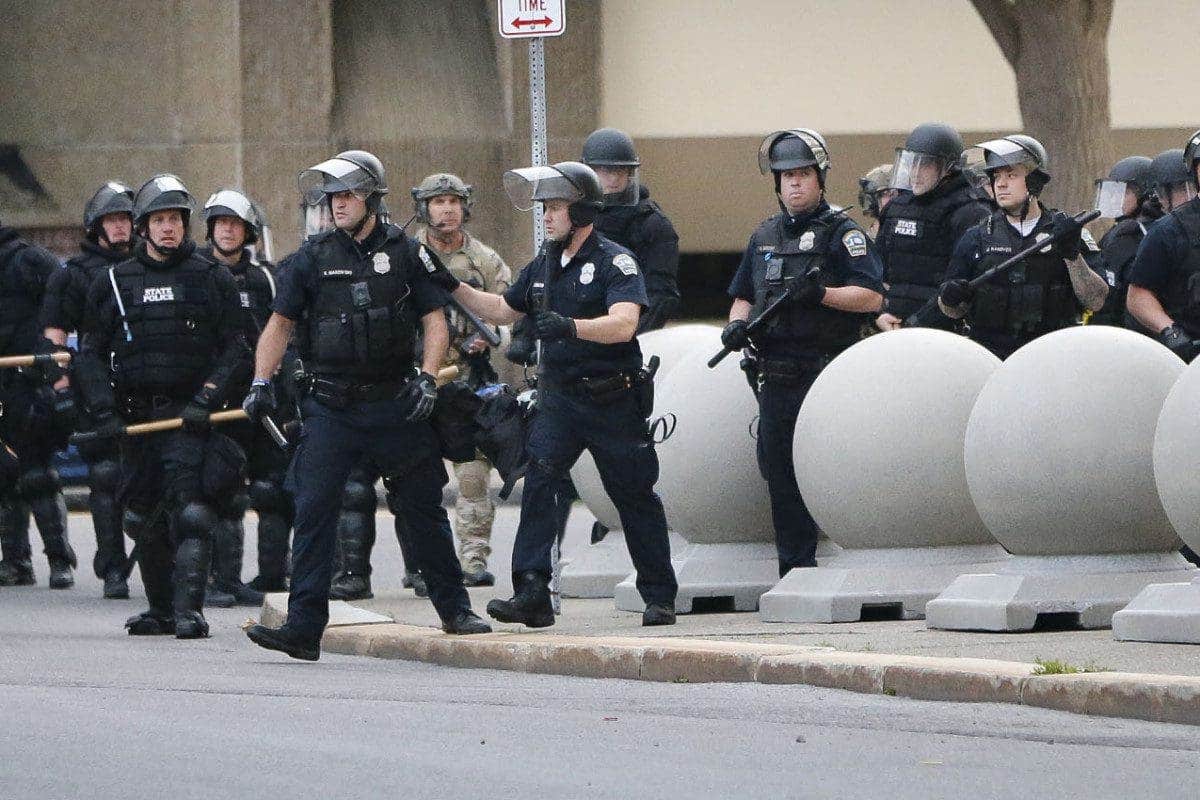
In June 2020, 57 members of the Buffalo Police Department’s Emergency Response Team resigned from the specialized unit in solidarity with two suspended officers who had pushed a 75-year-old protester named Martin Gugino to the ground. While the officers did not leave the police department entirely, their collective resignation from the tactical unit spotlighted deep tensions between municipal law enforcement, police unions, and public accountability movements nationwide.
Context and Background of the Buffalo Emergency Response Team Incident
The events surrounding the resignation of the 57 Buffalo police officers occurred during a period of intense civil unrest across the United States. Following the murder of George Floyd in Minneapolis, cities nationwide saw continuous demonstrations demanding police reform, systemic accountability, and changes to law enforcement tactics. Buffalo, New York, was no exception, experiencing large-scale protests outside City Hall and police headquarters.
The Emergency Response Team (ERT) was a specialized, highly trained tactical unit within the Buffalo Police Department deployed to manage crowd control, civil disturbances, and high-risk operational scenarios. These officers typically receive advanced training in riot control techniques, tactical formations, and the use of specialized crowd-management equipment. However, the nature of these assignments places ERT members at the literal and figurative intersection of public protest and law enforcement response, creating volatile environments where split-second decisions carry immense legal and public relations consequences.
Understanding the resignation of these 57 officers requires examining the dual pressures facing urban police departments during the summer of 2020. Departments were tasked with maintaining public order under immense political scrutiny, while rank-and-file officers frequently reported feeling abandoned by municipal leadership and subjected to intense public hostility. The ERT resignations signaled a breakdown in internal morale and highlighted the friction between departmental disciplinary actions and union representation.
The Catalyst: The Incident Involving Martin Gugino
The immediate trigger for the ERT resignations was the suspension of two fellow officers, Robert McCabe and Aaron Torgalski, on June 4, 2020. During a demonstration outside Buffalo City Hall, a confrontation occurred between police officers clearing HPC Plaza and a group of civilians.
Video footage captured by local media outlet WBFO showed 75-year-old Martin Gugino approaching the line of advancing officers in riot gear. Officers McCabe and Torgalski can be seen pushing Gugino backward. He fell, struck his head on the concrete pavement, and began bleeding from his ear. The officers initially walked past him, though one officer briefly paused before being urged to move forward by a supervisor. Gugino suffered a fractured skull and brain injury, leading to immediate hospitalization and subsequent national outrage.
Buffalo Mayor Byron Brown and Police Commissioner Byron Lockwood acted swiftly following the release of the video. Both officers were suspended without pay within hours of the incident and later faced criminal charges of second-degree assault. The rapid condemnation from city officials and the decision to suspend the officers without an internal investigation or due process favored by the union became the central grievance cited by the broader ERT unit.
The Collective Resignation: Motivation and Union Response
Hours after McCabe and Torgalski were suspended, 57 members of the Emergency Response Team submitted a collective letter resigning from the tactical unit, though they remained active-duty police officers within the department. John Evans, then-president of the Buffalo Police Benevolent Association (PBA), defended the action, stating that the officers were simply "following orders" to clear the area and felt that their colleagues had been treated unfairly by being suspended and criminally charged for performing their duties.
The union’s stance emphasized a perceived lack of institutional support for frontline officers operating in high-stress environments. From the perspective of the resigning officers and union leadership, the swift disciplinary action established a demoralizing precedent where officers could face criminal prosecution for executing lawful dispersal orders under chaotic conditions.
Critics and reform advocates, however, interpreted the resignation as an act of insubordination and an attempt to shield officers from accountability. Civil rights organizations and community leaders argued that the incident demonstrated a systemic reluctance within police unions to accept responsibility for excessive use of force, particularly against vulnerable or elderly individuals.
| Aspect | City Administration & Reform Advocates | Police Union & Resigning Officers |
|---|---|---|
| Primary Concern | Police accountability and protection of civil liberties | Support for due process and institutional backing |
| View of the Incident | Unjustified use of excessive force against a civilian | Officers executing lawful orders under difficult conditions |
| Response to Suspensions | Necessary and immediate action for public safety | Premature, punitive, and lacking appropriate review |
| Impact of ERT Resignations | Demonstration of resistance to reform | Expression of solidarity and low departmental morale |
Legal and Administrative Aftermath
The legal repercussions of the incident extended far beyond the initial resignations. Officers McCabe and Torgalski were charged with second-degree assault. In February 2021, a grand jury dismissed the criminal charges against the two officers, citing insufficient evidence to secure a conviction under the legal standards required for police conduct during active civil disturbances. Despite the dismissal of criminal charges, internal disciplinary proceedings within the Buffalo Police Department remained a point of contention.
In addition to the criminal proceedings, Martin Gugino filed a federal civil rights lawsuit against the City of Buffalo, the police department, and individual officers involved in the incident. The litigation focused on allegations of excessive force and the violation of First Amendment rights to peacefully assemble and protest.
The administrative fallout also forced the Buffalo Police Department to re-evaluate its crowd-control protocols, tactical training procedures, and supervisory oversight during civil unrest. The absence of the specialized ERT unit required the department to modify its operational strategies for managing subsequent demonstrations, relying more heavily on standard patrol units and external agency assistance when necessary.
Broader Impacts on Policing and Civil Unrest
The event in Buffalo served as a micro-cosm of the broader national debate concerning police culture, union influence, and civilian oversight during the summer of 2020. Several key themes emerged from the incident that continue to influence modern law enforcement policy:
- Specialized Unit Vulnerability: Tactical units like the ERT are frequently deployed into high-risk, volatile scenarios, making them flashpoints for controversies involving use of force.
- Union Solidarity vs. Accountability: The tension between maintaining internal solidarity among rank-and-file officers and satisfying public demands for rapid accountability remains a persistent structural challenge for municipal departments.
- De-escalation Training: The incident accelerated calls across the United States to prioritize non-violent conflict resolution and de-escalation techniques over traditional riot-control formations.
- Public Trust and Transparency: Rapid institutional responses, transparent investigations, and clear communication from municipal leadership are critical in mitigating community outrage and preventing departmental fracture.
Frequently Asked Questions
Did the 57 Buffalo police officers lose their jobs when they resigned?
No. The 57 officers resigned exclusively from the Emergency Response Team, which is a specialized tactical assignment within the Buffalo Police Department. They remained employed as active-duty police officers and were reassigned to standard patrol or administrative duties.
What happened to the two officers who pushed Martin Gugino?
Officers Robert McCabe and Torgalski were suspended without pay immediately following the incident and faced criminal charges of second-degree assault. In February 2021, a grand jury dismissed the criminal charges, though internal departmental reviews and civil litigation followed.
What was the stated reason for the ERT unit's resignation?
The Buffalo Police Benevolent Association stated that the officers resigned from the tactical unit in solidarity with McCabe and Torgalski. The union argued that the suspended officers were merely following operational orders and that management treated them unfairly without adequate due process.
How did the Buffalo Police Department manage protests after the ERT resigned?
Following the collective resignation from the tactical unit, the department adjusted its operational planning by utilizing standard patrol personnel, modifying crowd-control tactics, and coordinating with regional law enforcement partners to ensure public safety during ongoing demonstrations.
Next Actions and Operational Takeaways
For municipal administrators, law enforcement leaders, and policymakers, the 57 Buffalo cops resign incident underscores the importance of balancing internal officer support with transparent public accountability. Moving forward, departments must ensure that clear operational guidelines, rigorous de-escalation training, and fair internal review processes are firmly established before crises occur. Building sustainable trust between police agencies and the communities they serve requires proactive communication, adherence to constitutional policing standards, and robust mechanisms for independent oversight.