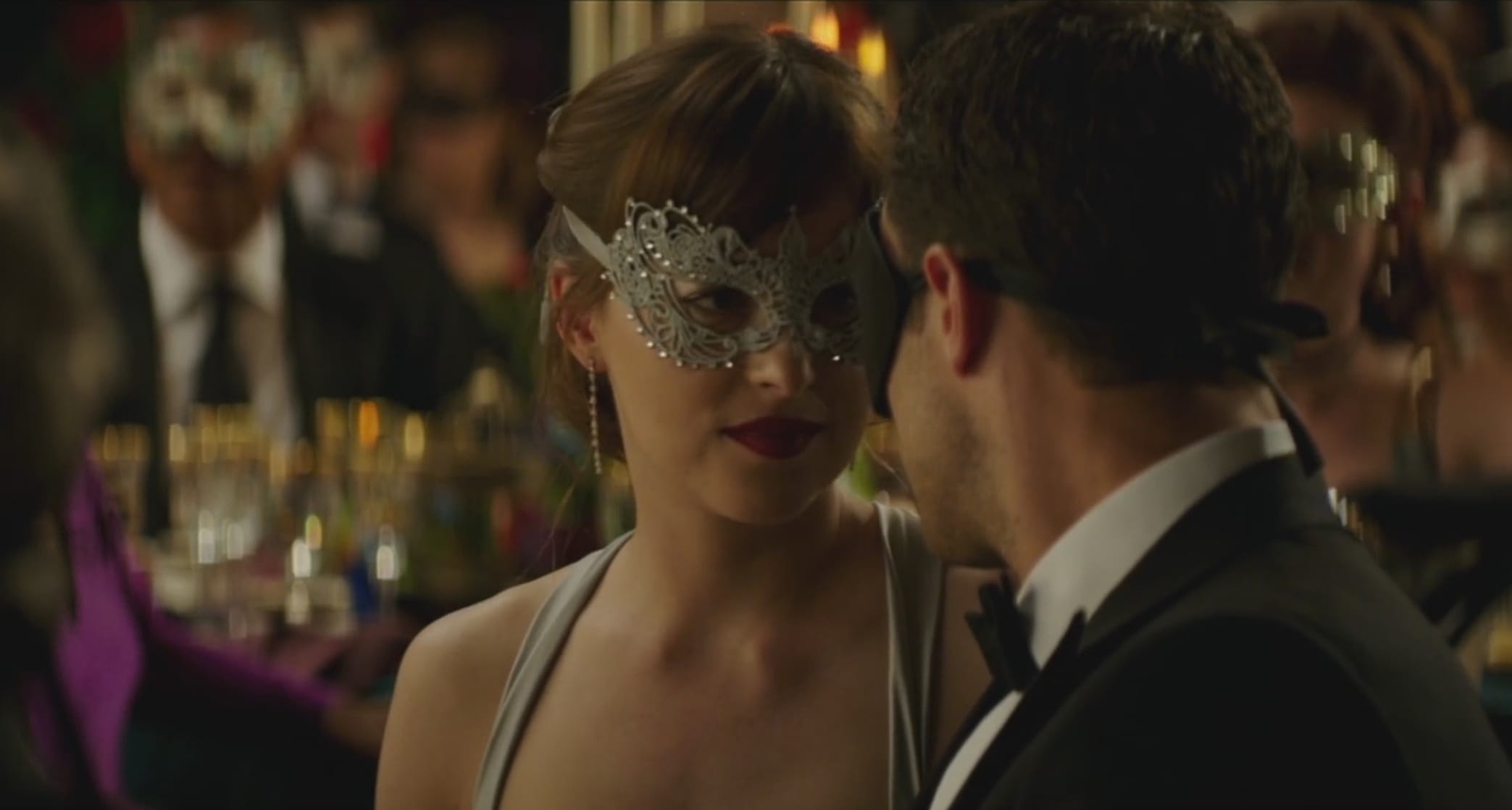
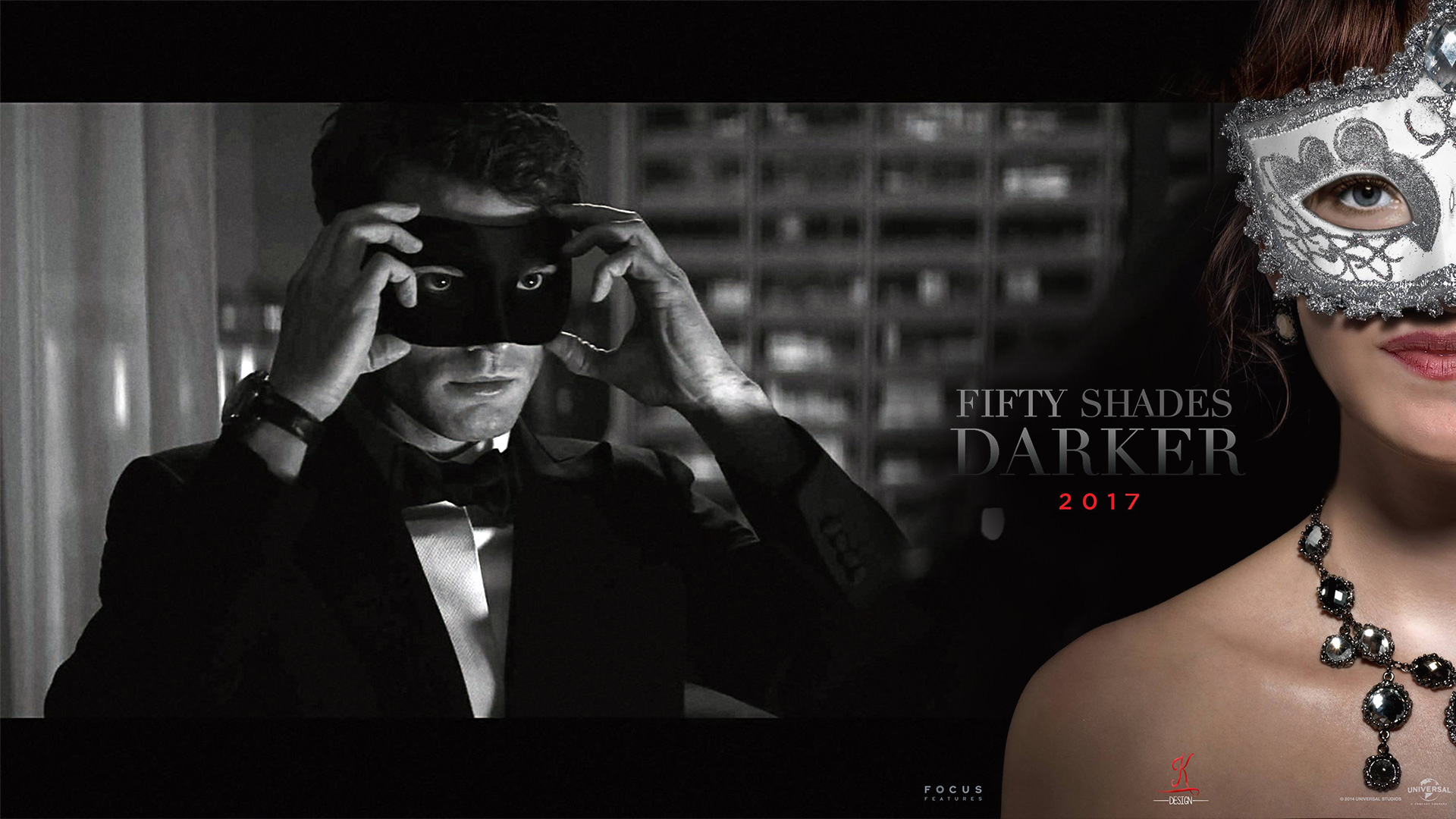
The cinematic and literary phenomenon of E.L. James’s second installment delivers a compelling blend of romantic suspense, emotional reconciliation, and heightened dramatic tension that continues to captivate audiences worldwide.
The phrase "50 shades dark deliciously" captures the public fascination with the darker, more atmospheric tone of Fifty Shades Darker, the second installment in the blockbuster Fifty Shades trilogy written by E.L. James. First published by The Writer's Coffee Shop in 2012 before being acquired by Vintage Books, the novel and its subsequent 2017 film adaptation directed by James Foley explore a complex evolution in the relationship between Anastasia Steele and Christian Grey. While the first story establishes the boundaries of their unconventional dynamic, this second chapter introduces psychological suspense, external threats from their respective pasts, and a deeper exploration of emotional vulnerability wrapped within opulent aesthetics, lavish parties, and a moody, seductive atmosphere.
Understanding why this narrative resonates requires examining its literary origins, cinematic translation, thematic shifts, and cultural impact. Navigating these elements reveals how the story balances high-stakes drama with romantic escapism.
The Literary Foundation: Transitioning from Rules to Reconciliation
In Fifty Shades Darker, the narrative architecture shifts significantly from its predecessor, Fifty Shades of Grey. In the opening volume, the relationship is defined by strict contracts, negotiated boundaries, and an explicit power exchange. However, the conclusion of that first volume shatters that paradigm when Anastasia Steele walks away from Christian Grey, unwilling to accept the terms that leave her emotionally unfulfilled and physically bruised without the promise of genuine affection.
When Fifty Shades Darker begins, the power dynamic undergoes a fundamental inversion. Christian, unaccustomed to rejection or loss, must pursue Anastasia on her terms. This introduces the "deliciously dark" tension that fans appreciate: the juxtaposition of Christian’s formidable, controlling wealth and damaged psyche against Anastasia’s newfound confidence and refusal to be easily placated.
Key Narrative Shifts in the Sequel
- From Contract to Compromise: Christian abandons the traditional contract, offering Anastasia a traditional courtship while still attempting to navigate his internal demons.
- Introduction of Psychological Antagonists: The narrative expands beyond internal psychological conflict to include external threats, notably figures from Christian's past such as Elena Lincoln (Mrs. Robinson) and Leila Williams, as well as Anastasia's unstable boss, Jack Hyde.
- Atmospheric Suspense: The tone transitions from a focused character study of a developing romance into a thriller-infused romance where Anastasia's physical safety is actively threatened.
Cinematic Adaptation and Aesthetic Style
When Universal Pictures adapted the novel into a feature film released in February 2017, starring Dakota Johnson as Anastasia and Jamie Dornan as Christian, the production leaned heavily into a moody, visually rich aesthetic. Directed by James Foley—who took over the reins from Sam Taylor-Johnson—the film embraced a lavish, glamorous visual language that matched the seductive, opulent tone readers envisioned.
The cinematic experience of Fifty Shades Darker relies heavily on sensory elements: high-fashion masquerade balls, sweeping orchestral scores, dramatic Seattle skylines, and meticulously lit interiors that mirror the characters' internal emotional states. This heightened sensory design contributes directly to the "delicious" reputation of the franchise. It treats viewers to high-end lifestyle fantasies while anchoring the drama in the genuine vulnerability of the central performances.
Production and Design Elements
- Costume Design: The annual charity masquerade ball serves as a prime example of the film's visual opulence, featuring intricate Venetian masks, elegant formal wear, and striking color contrast.
- Musical Score and Soundtrack: Composed by Danny Elfman with a star-studded companion soundtrack featuring artists like Taylor Swift and Zayn Malik ("I Don't Wanna Live Forever"), the audio landscape amplifies the dark, moody romance.
- Location and Cinematography: Moody lighting, rain-slicked Seattle streets, and sleek modern architecture underscore the psychological tension between the characters.
| Feature Area | Fifty Shades of Grey | Fifty Shades Darker |
|---|---|---|
| Primary Conflict | Introduction of BDSM dynamic; boundary setting | External threats, jealousy, and emotional maturity |
| Power Balance | Controlled strictly by Christian Grey | Negotiated and increasingly challenged by Anastasia |
| Tone & Atmosphere | Clinical, exploratory, and intense | Suspenseful, dramatic, glamorous, and protective |
| Central Threat | Christian's emotional unavailability | Stalker elements (Jack Hyde, Leila Williams) and past figures |
The Appeal of "Dark Romance" and Psychological Depth
The enduring popularity of the Fifty Shades series, particularly its middle chapter, speaks to the broader literary genre of dark romance. Readers and viewers are frequently drawn to narratives where protagonists must confront profound trauma to achieve intimacy. Christian Grey represents the archetype of the "broken billionaire"—a man whose external success masks severe internal abuse and neglect.
Anastasia functions not merely as a romantic interest, but as an emotional anchor who refuses to be intimidated. The psychological push-and-pull between Christian's obsessive need for control and his genuine terror of losing Anastasia creates an addictive narrative engine. For audiences who enjoy character-driven emotional recovery stories wrapped in escapist luxury, this dynamic hits a sweet spot.
Core Themes Explored in the Narrative
- Trauma and Recovery: Examining how childhood abuse shapes adult attachment styles and romantic expectations.
- Agency and Consent: The ongoing negotiation of personal boundaries within a relationship that evolves from transactional to egalitarian.
- Trust and Jealousy: Overcoming insecurities tied to vastly different social backgrounds and past experiences.
Common Misconceptions and Critical Reception
The Fifty Shades franchise has polarized critics and audiences since its inception, leading to several common misconceptions regarding its themes and cultural footprint. Understanding these nuances helps contextualize why the series generates such passionate responses.
1. Misconception: The Story Glorifies Abusive Control
While the initial premise involves extreme power dynamics and psychological dominance, the overarching arc of the trilogy—and Fifty Shades Darker in particular—focuses on the dismantling of those rigid controls. Anastasia consistently asserts her boundaries, and Christian undergoes significant personal growth to meet her emotional requirements, signaling a journey toward mutual respect rather than subjugation.
2. Misconception: It Is Strictly an Erotic Artifact
Though the explicit scenes attracted immense media attention upon release, readers and viewers frequently cite the emotional evolution, mystery elements, and romantic suspense as the primary drivers of engagement. The addition of thriller plotlines involving Jack Hyde shifts the genre balance firmly toward romantic suspense.
Frequently Asked Questions
What is the main plot of Fifty Shades Darker?
The story follows Anastasia Steele and Christian Grey as they attempt to reconcile after their initial breakup. Christian agrees to a new set of conditions for their relationship, but their renewed romance is threatened by figures from Christian's past and a dangerous stalker who targets Anastasia.
How does Fifty Shades Darker differ from the first book?
While the first book focuses on the introduction and negotiation of a BDSM lifestyle, the second book introduces external threats, psychological suspense, and a shift toward traditional emotional commitment and equality within the relationship.
Who directed the film adaptation of Fifty Shades Darker?
The film adaptation was directed by James Foley, who also directed the third installment, Fifty Shades Freed.
What genre does the story belong to?
It belongs to the erotic romance and romantic suspense genres, characterized by high-stakes emotional drama, luxurious settings, and suspenseful subplots.
Is prior reading required to understand Fifty Shades Darker?
Yes. Because the narrative relies heavily on the established history, rules, and emotional baggage developed in Fifty Shades of Grey, reading the first installment is essential for fully understanding the character motivations in the sequel.
Practical Next Steps for Fans and Readers
For those looking to fully explore the Fifty Shades Darker experience, a structured approach enhances appreciation of the work:
- Read the Source Material First: Begin with E.L. James’s original novel to appreciate the internal monologues and detailed backstory omitted in the cinematic adaptation.
- Explore the Companion Novel: Read Darker: Fifty Shades Darker as Told by Christian to gain insight into Christian’s internal perspective, fears, and motivations during the events of the sequel.
- Watch with Commentary: View the cinematic adaptation utilizing the director's commentary tracks or behind-the-scenes featurettes to understand the choices made in costume design, scoring, and set construction.