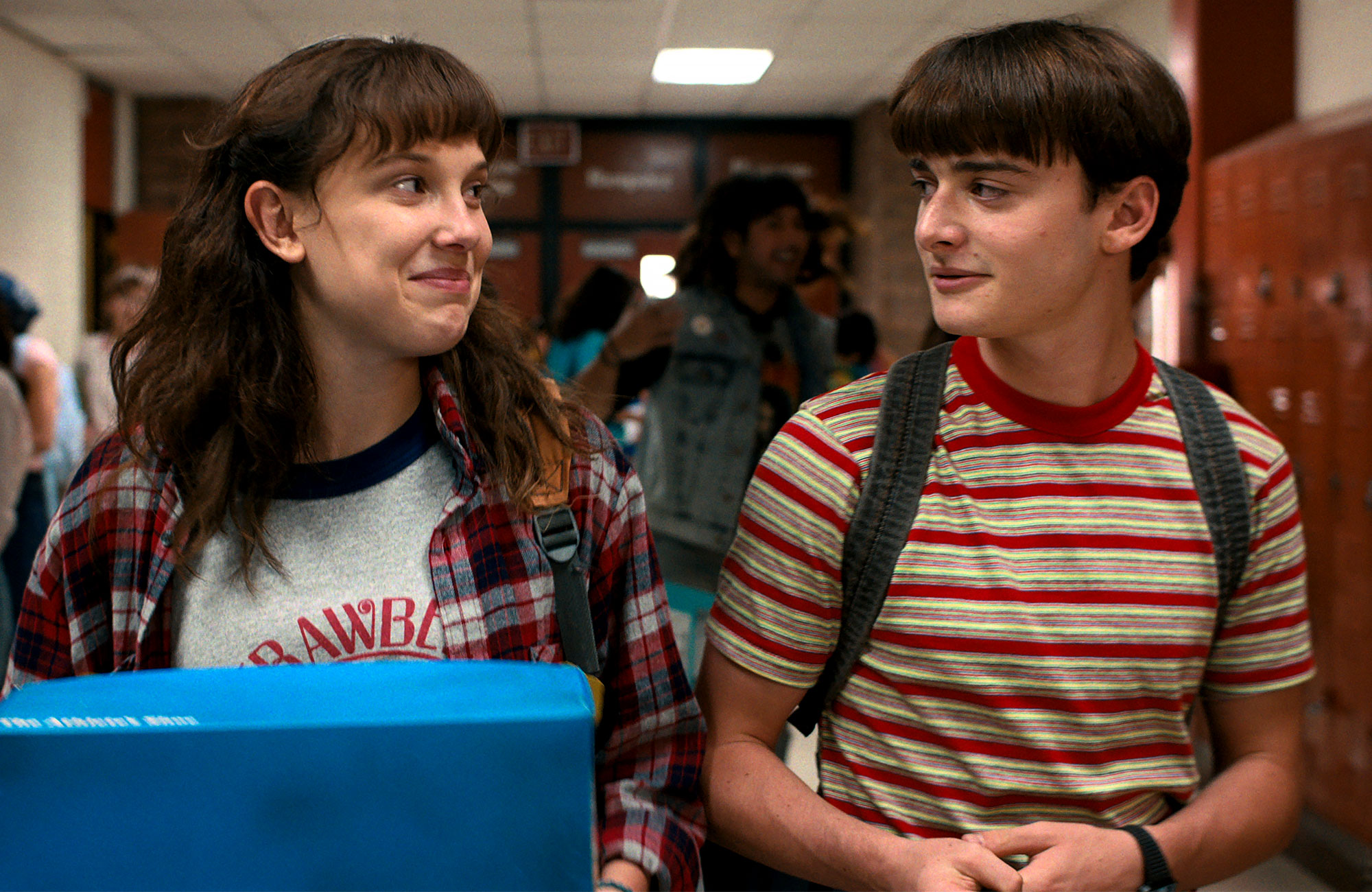
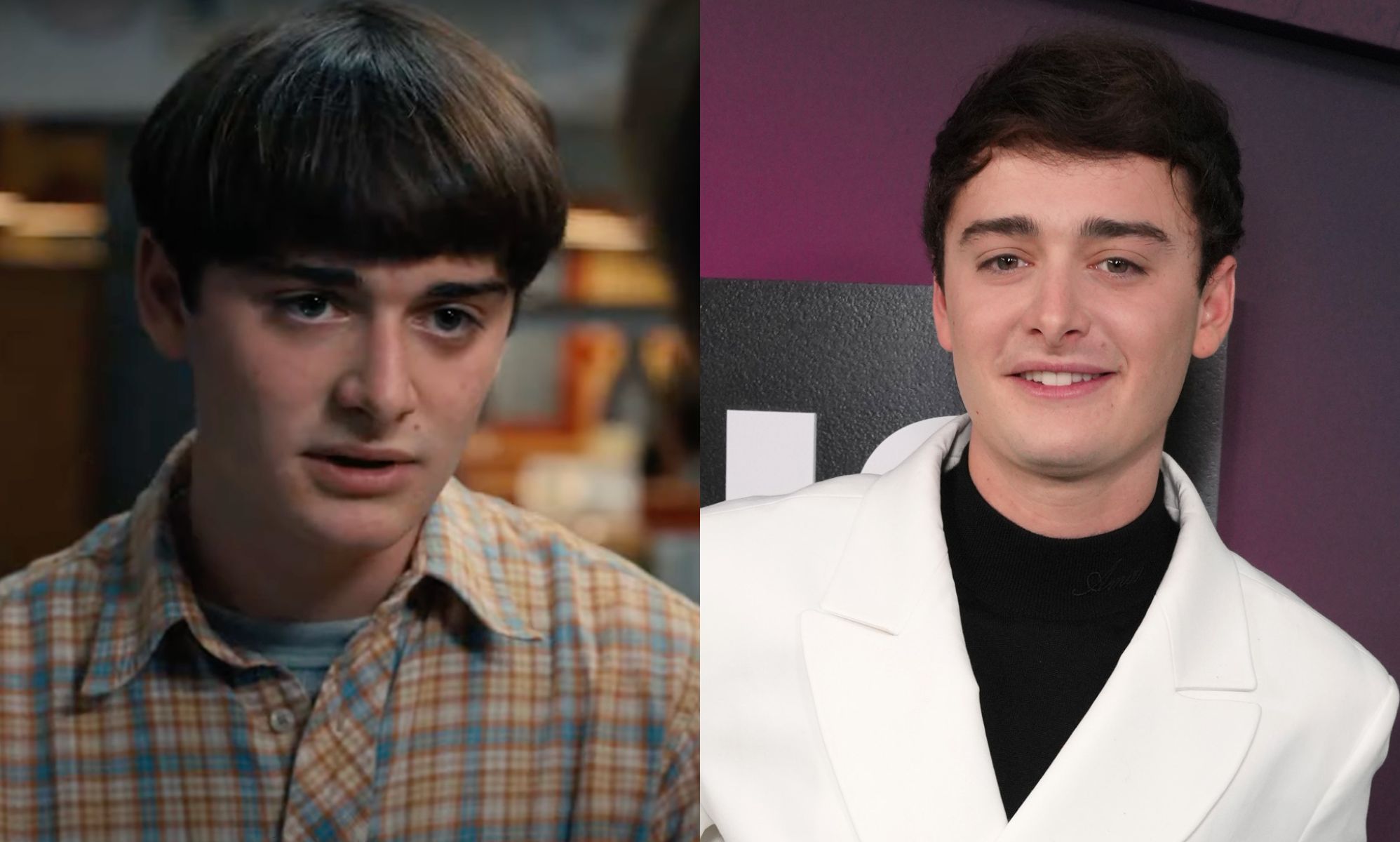
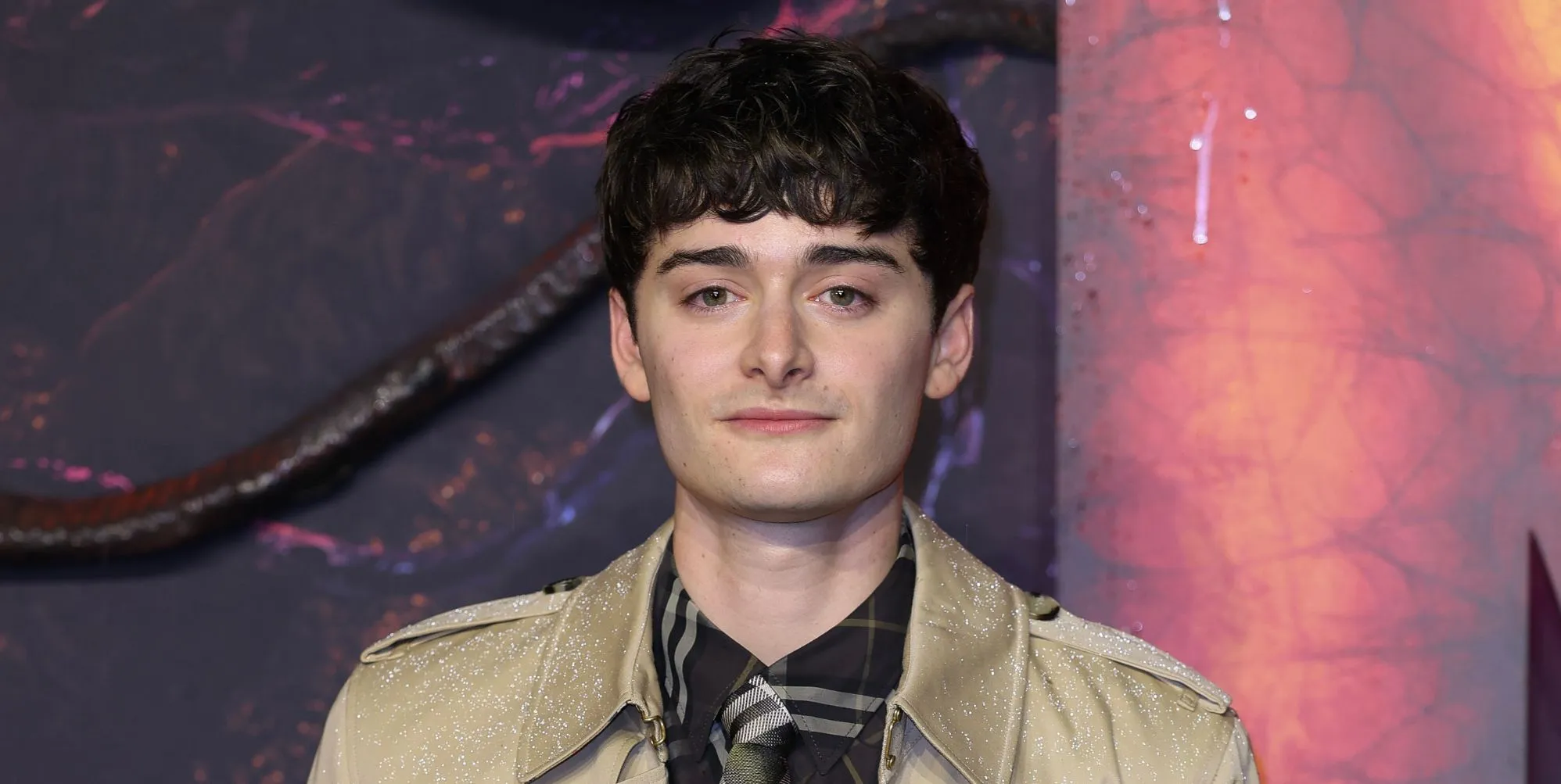
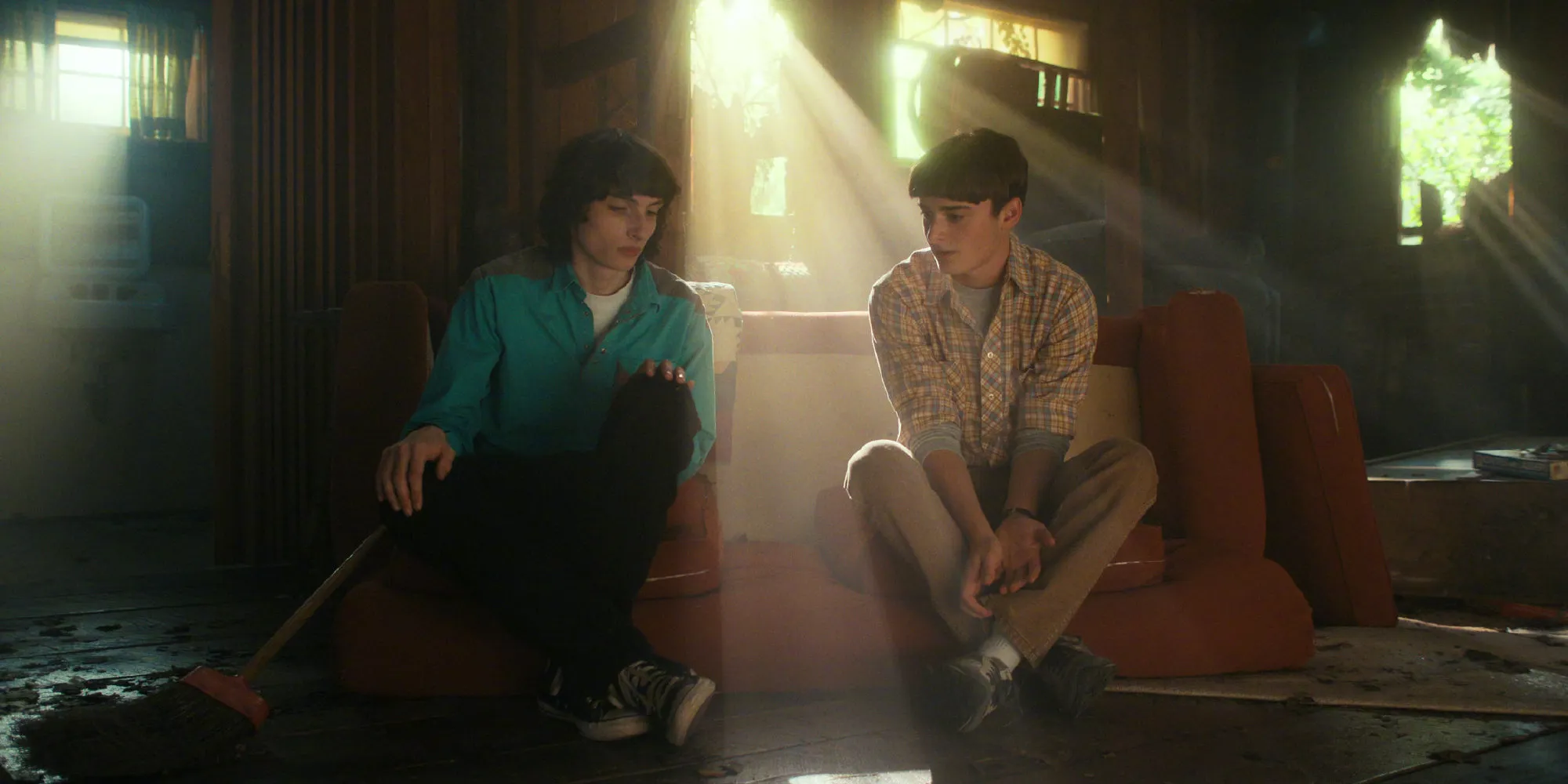
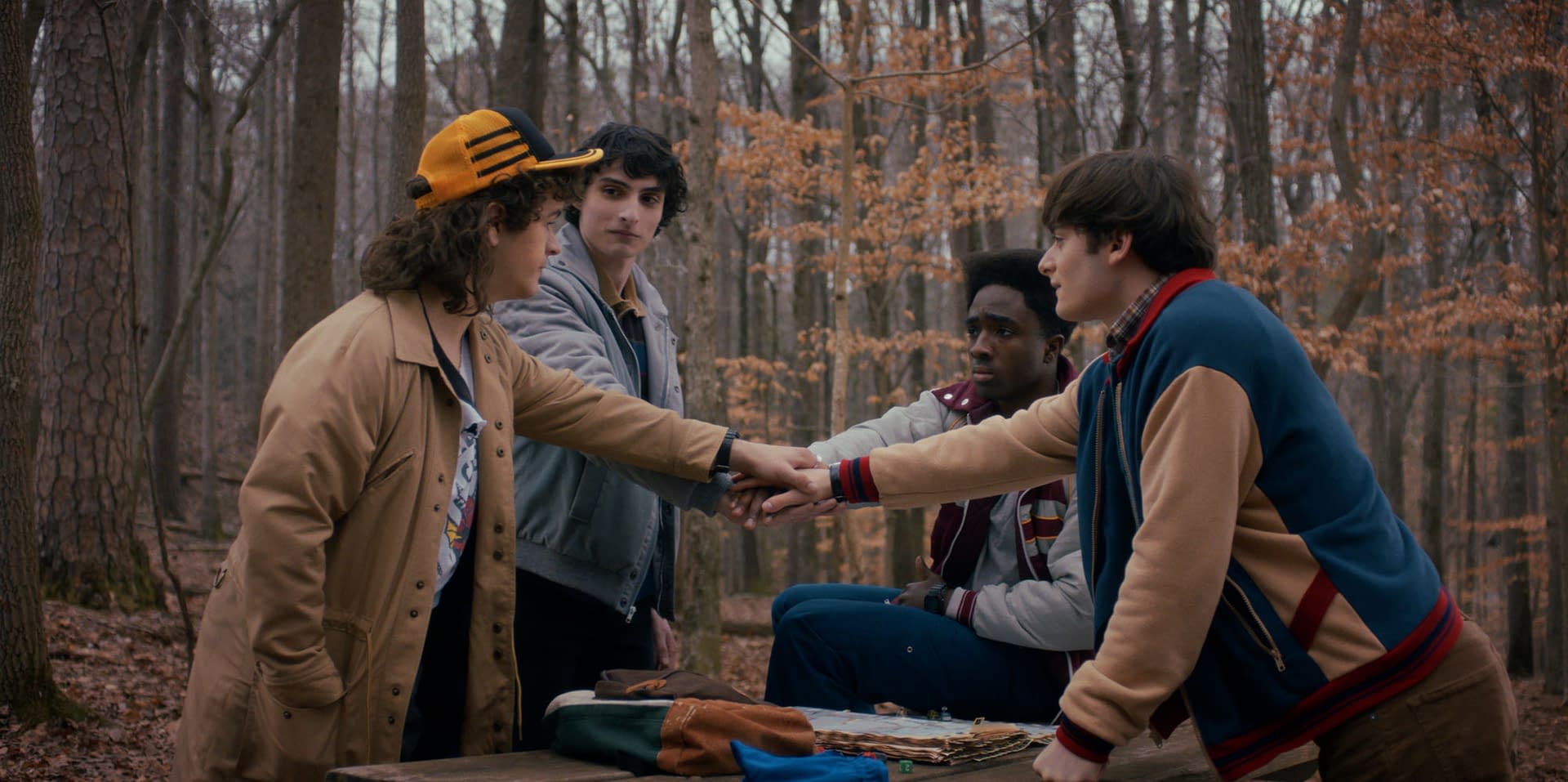
Will Byers is a gay character in Stranger Things, a fact that has been officially confirmed by both the actor Noah Schnapp and the show’s creators, the Duffer Brothers. His journey is defined by a "slow-burn" realization of his identity, complicated by the trauma of the Upside Down and the social pressures of the 1980s.
The narrative arc of Will Byers, portrayed by Noah Schnapp, has been one of the most discussed elements of the Netflix global phenomenon Stranger Things. As we evaluate the series in 2026, looking back at the complete cultural impact of the show, Will's sexuality stands out as a masterclass in long-form character development and queer coding within a genre framework. From the very first episode, where Joyce Byers mentions his father’s homophobic slurs, to the heart-wrenching emotional climaxes of the later seasons, Will’s identity is woven into the DNA of the show’s themes of alienation and "otherness."
To understand Will’s sexuality is to understand the complexity of growing up queer in a small Midwestern town during a decade defined by both vibrant pop culture and rigid social conservatism. Here are five essential things to understand about Will Byers’ sexuality in Stranger Things.
1. The Confirmation: From Subtext to Canon
For years, fans debated whether Will’s apparent lack of interest in the girls of Hawkins was a result of his trauma in the Upside Down or a reflection of his sexual orientation. This ambiguity was resolved following the release of Season 4. Actor Noah Schnapp confirmed in July 2022 that Will is gay and has romantic feelings for his best friend, Mike Wheeler.
The Slow Burn Methodology
The Duffer Brothers utilized a "slow-burn" approach to Will’s identity. In the first season, his sexuality was hinted at through external perceptions—specifically how his father, Lonnie, and the town bullies viewed him. In Season 2 and 3, the focus shifted to Will’s internal struggle. While his friends were navigating the hormonal shifts of puberty and seeking out romantic relationships with girls (Mike and Eleven, Lucas and Max, Dustin and Suzie), Will remained tethered to their childhood games of Dungeons & Dragons.
This was initially interpreted by some viewers as "stunted growth" due to his time in the Upside Down—the idea that he simply wanted to reclaim the childhood he lost. However, Season 3 provided a pivotal moment in the episode "The Case of the Missing Lifeguard," where Mike yells, "It’s not my fault you don't like girls!" This line served as a catalyst for the audience to recognize that Will’s "differentness" was not just about trauma, but about his fundamental identity.
Direct Confirmation from the Source
Following the emotional finale of Season 4, Noah Schnapp spoke with Variety to clarify the character’s trajectory. He stated, "It was always kind of there, but you never really knew, is it just him growing up slower than his friends? Now that he’s gotten older, they made it a very real, obvious thing. Now it’s 100% queer that he is gay and he does love Mike." This confirmation was vital for many fans who had felt the character's struggle resonated with their own experiences of queer coding in media.
2. The Power of the "Van Scene" and the Painting
One of the most significant moments in modern television history regarding queer subtext is the "van scene" in Season 4, Episode 8, "Papa." In this scene, Will uses a painting he made to "speak" to Mike about Eleven’s needs, while actually describing his own feelings of being a mistake and a burden.
Decoding the Metaphor
The painting depicts their D&D group fighting a three-headed dragon, with Mike leading the charge as the "heart" of the group. Will tells Mike that Eleven needs him, saying, "She’s so different from other people, and when you’re different, sometimes you feel like a mistake." As he speaks, it is painfully clear to the audience—and to Will’s brother, Jonathan, who watches through the rearview mirror—that Will is talking about himself.
This scene is a masterpiece of writing because it functions on two levels:
- The Text: Will is encouraging Mike to be there for Eleven, helping Mike find the confidence to lead.
- The Subtext: Will is confessing his love for Mike and his fear of rejection. He uses Eleven as a proxy because he doesn't believe he can safely express his true self directly.
The Emotional Impact
The brilliance of this scene lies in Will’s self-sacrifice. He prioritizes Mike’s happiness and the stability of their friend group over his own emotional relief. The sight of Will sobbing silently as he looks out the window after delivering his "speech" is a stark representation of the "closet" in the 1980s. He has found a way to say the truth without actually saying the words, which is a common survival tactic for LGBTQ+ youth in unsupportive environments.
3. The Parallel with Noah Schnapp’s Personal Journey
In early 2023, Noah Schnapp came out as gay in real life via a TikTok video. This event created a profound bridge between the actor and the character, adding a layer of authenticity to Will’s portrayal that resonated deeply with the global audience.
Real-Life Reflection
In his announcement, Schnapp noted the irony of his situation, captioning his video, "I guess I’m more like Will than I thought." This parallel is important because it highlights how representation in media can sometimes precede or even assist in an actor’s personal understanding of themselves. Schnapp’s performance in Season 4, particularly the crying scenes in the van, was lauded for its raw vulnerability. Knowing that the actor was navigating similar questions of identity adds a historical weight to the performance.
Impact on Media Representation
Before Schnapp’s coming out, Stranger Things already had a prominent LGBTQ+ character in Robin Buckley (played by Maya Hawke). However, Will’s journey is distinct. While Robin came out to Steve in a moment of platonic bonding, Will’s journey is one of unrequited love and a slower, more internal discovery. This provides a broader spectrum of queer experiences on screen, showing that "coming out" is not a monolithic event but a varied process that depends on personal safety and the era in which one lives.
4. The 1980s Context and Queer Coding
To understand Will’s sexuality, one must understand the era of the show. Hawkins, Indiana, in 1986 is not a place where being gay is openly discussed or accepted. The show uses "queer coding"—the use of traits or behaviors to signal a character's LGBTQ+ identity without explicitly stating it—to reflect the reality of the time.
Historical Barriers
In the 1980s, the "closet" was not just a metaphor but a necessity for many. The HIV/AIDS crisis was beginning to dominate the national conversation, and anti-LGBTQ+ sentiment was prevalent in both political rhetoric and local communities. For a kid like Will, admitting to being gay would mean risking his social standing, his safety, and his friendship with the people who saved his life.
The Role of Jonathan Byers
Jonathan Byers plays a crucial role in Will’s journey as a silent ally. In a scene following the van conversation, Jonathan tells Will, "I don't want you to ever forget that I'm your brother and I love you. And there is nothing in this world, okay, absolutely nothing, that will ever change that."
This moment is vital because it establishes a safe harbor for Will. In the 80s, having even one family member who "knows" without forcing a confrontation was a life-saving grace. Jonathan doesn't force Will to say the words; he simply lets him know that the words aren't necessary for his love to remain unconditional.
| Season | Will's Sexuality Indicators | Key Narrative Moment |
|---|---|---|
| Season 1 | External perception/Coding | Joyce mentions Lonnie called Will "queer" and "f-word." |
| Season 2 | Feeling "Othered" | The struggle to be "normal" after the Upside Down; feeling like a freak. |
| Season 3 | Resistance to heteronormativity | Frustration with Mike/Lucas's obsession with girls; "It's not my fault you don't like girls." |
| Season 4 | Overt subtext / Unrequited love | The painting reveal and the van monologue; Jonathan's silent acceptance. |
| Post-S4 | Canonical Confirmation | Noah Schnapp and the Duffer Brothers confirm Will is gay. |
5. Narrative Significance: The "Heart" of the Story
Will Byers’ sexuality is not a "side plot" or "diversity checklist" item; it is central to the show’s exploration of the "found family" and the "outcast" tropes. The Duffer Brothers have often stated that Will is the "heart" of the group, and his internal struggle is a mirror for the larger external threats they face.
The Upside Down as a Metaphor
Many analysts have suggested that the Upside Down serves as a metaphor for the hidden parts of the self. Will was the first to be taken there, and he remains the most connected to it. Just as the Upside Down is a dark, distorted version of his world that he has to navigate in secret, his sexuality is a core part of his identity that he initially feels he must keep "under the surface."
By making Will gay, the writers have grounded the supernatural horror in a very real, human struggle. The fear of a literal monster (the Mind Flayer) is compounded by the social fear of being rejected by his "party." This intersectionality makes Will one of the most layered characters in the series.
The Evolution of the "Friendship" Theme
The core of Stranger Things is the idea that "friends don't lie." For Will, his sexuality creates a paradox: to be his true self, he must reveal a truth that feels dangerous, yet by keeping it hidden, he feels he is lying to the people he loves most. This tension drives much of his character development in the final arcs of the series. It moves the show beyond a simple "kids vs. monsters" story into a poignant coming-of-age drama about the courage it takes to be oneself in a world that demands conformity.
Frequently Asked Questions
Did Mike Wheeler know Will was gay?
In the context of the show through Season 4, it is not explicitly shown that Mike has fully processed Will’s sexuality. Mike is often portrayed as somewhat oblivious to the emotional nuances around him, particularly regarding Will. While Mike clearly cares for Will deeply as a friend, he appears to take Will’s "van speech" at face value (as being about Eleven) rather than recognizing the confession hidden within it. However, the tension between them suggests an underlying shift in their dynamic that Mike is still struggling to understand.
What was the significance of the painting Will gave to Mike?
The painting was a bridge. Will used it to express his feelings for Mike without the risk of a direct verbal confession. By depicting Mike as the "heart" of their group and the one who holds them together, Will was validating Mike’s leadership and importance in his life. More importantly, the painting served as a "mask"—Will could say everything he felt by pretending he was speaking for Eleven, allowing him to experience a moment of honesty while remaining safely in the closet.
Is Will Byers the only LGBTQ+ character in Stranger Things?
No. Robin Buckley, introduced in Season 3, is the first explicitly queer character in the series. She came out to Steve Harrington in a bathroom after they were drugged by the Russians. There are also smaller instances of queer coding and implications for other characters, but Will and Robin represent the most significant LGBTQ+ representation in the main cast.
Why did it take four seasons for Will’s sexuality to be confirmed?
The delay was intentional for both narrative and historical reasons. Narratively, the showrunners wanted to mirror the slow, confusing process of a young person discovering their identity. Historically, because the show is set in the 1980s, a sudden or easy coming-out story would have felt anachronistic. The "slow burn" allowed the audience to feel Will's isolation and the weight of his secret, making the eventual confirmation more impactful.
Did the Duffer Brothers plan for Will to be gay from the start?
According to the original "Montauk" pitch documents (the early title for the show), Will was described as having "sexual identity issues." While the terminology and specifics evolved as the show was written, the core concept of Will being "different" and struggling with his identity was part of the character's blueprint from the very beginning.
Practical Recommendations for Fans and Researchers
For those interested in the evolution of Will Byers and the broader implications of his character arc:
- Rewatch Season 1 with a new lens: Note how Joyce and Jonathan react to mentions of Will’s "sensitivity"—it highlights their protective nature and their awareness of his vulnerability.
- Analyze the Script: Review the Season 4 scripts (often available in Emmy "For Your Consideration" packets) to see the stage directions during the van scene, which often provide more detail on Will’s internal state than the dialogue alone.
- Explore 1980s Queer History: To truly appreciate the stakes for Will, research the social climate of Indiana in the mid-80s. This provides essential context for his fear and his silence.
- Follow Official Channels: As of 2026, many retrospective documentaries and "making of" books have been released that detail the creative decisions behind Will’s arc. These are the best sources for verified information from the Duffer Brothers.
Will Byers’ journey remains a landmark for LGBTQ+ representation in high-budget genre fiction, proving that even in a world of monsters and parallel dimensions, the most harrowing and rewarding journey is the one toward self-acceptance.