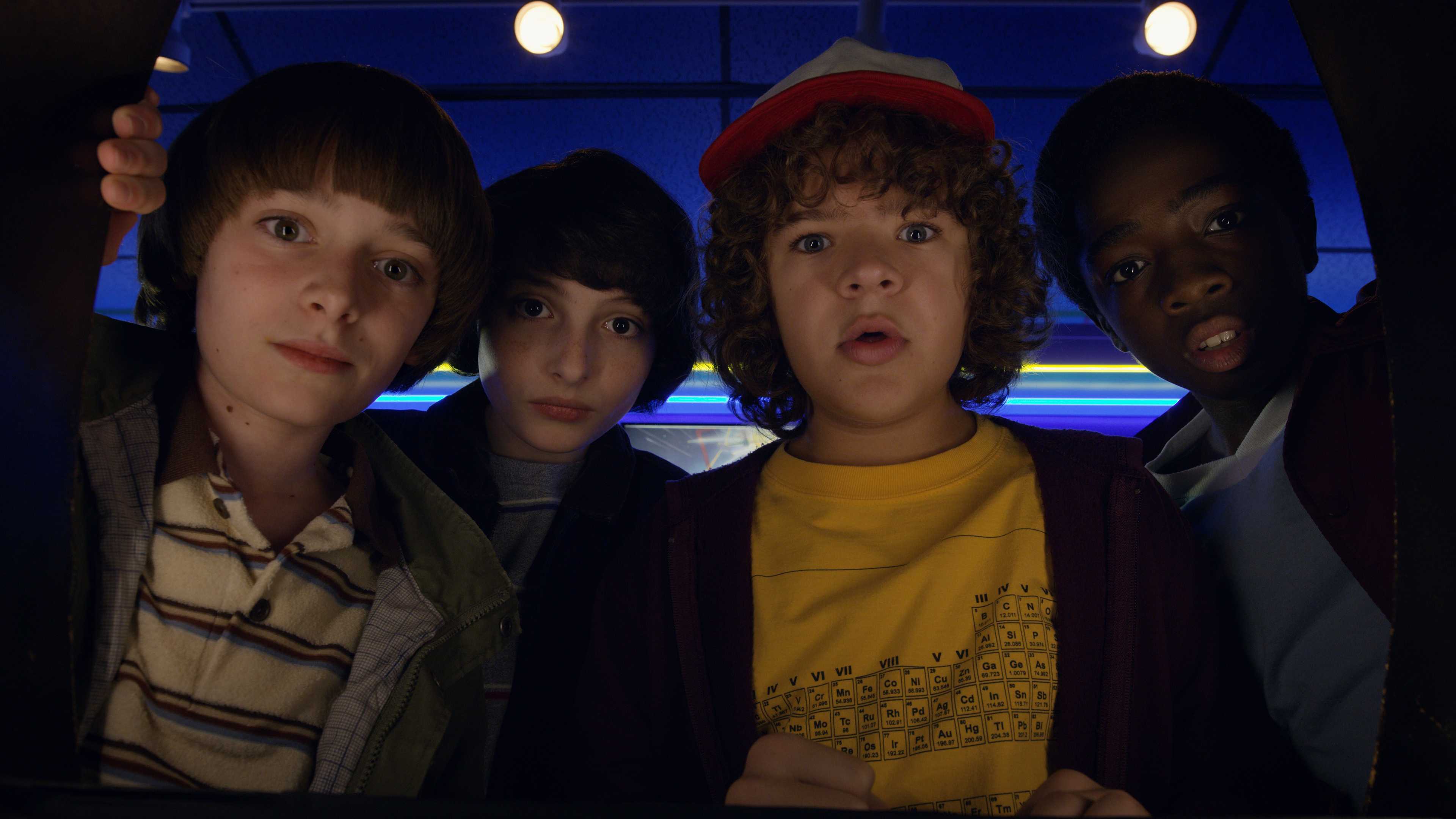
Capturing the distinct, nostalgic atmosphere of the 1980s aesthetic found in the hit television series requires a deliberate blend of location scouting, specialized lighting techniques, period-accurate wardrobe styling, creative prop integration, and cinematic color grading. Executing a successful concept shoot hinges on orchestrating these five distinct elements to transport viewers straight to Hawkins, Indiana.
Planning a themed creative project based on a major pop-culture phenomenon like the Netflix series requires moving beyond a simple costume session and aiming for an immersive narrative world. Whether you are aiming to recreate the eerie, fog-drenched atmosphere of the Upside Down, the neon-lit arcades of 1985, or the cozy, string-light-decorated living room of the Byers household, a structured approach is essential. Achieving professional results that resonate with fans requires attention to historical detail, technical lighting execution, and careful post-processing choices that honor the source material's distinct visual signature.
1. Mastering 1980s Location Scouting and Environmental Design
The foundation of any successful themed portrait session rests on selecting a location that naturally mirrors the suburban grit or rural isolation of mid-1980s America. Modern minimalist apartments or sleek corporate offices will immediately break the illusion, requiring extensive digital cleanup in post-production. Instead, creators should seek out physical spaces that possess authentic mid-century architectural details or natural decay.
Suburban Backdrops and Woodland Settings
For exterior shots, look for traditional suburban neighborhoods featuring single-story ranch homes, wood-paneled station wagons, overgrown lawns, and dense deciduous forests. Dense woods serve as a direct analog to the Mirkwood forest or the ominous perimeter surrounding Hawkins National Laboratory. To maximize the cinematic effect, schedule your shooting window during the "blue hour"—the brief period just before sunrise or after sunset—when the natural ambient light takes on a cool, desaturated blue tone that sets an eerie mood.
Interior Spaces and Set Decoration
If your concept calls for indoor scenes, scout for locations featuring wood-paneled walls, floral-print wallpaper, shag carpeting, and vintage furniture silhouettes. If you are constructing a studio set, paying close attention to period-accurate ephemera is critical. Incorporate elements such as:
- Rotary-dial telephones and heavy corded desk phones
- Wood-encased cathode-ray tube (CRT) televisions
- Stacked analog audio cassettes and bulky dual-cassette boomboxes
- Board games from the era, such as vintage editions of Dungeons & Dragons
| Location Type | Best Used For | Key Visual Elements to Include | Potential Challenges |
|---|---|---|---|
| Dense Woodland | Upside Down or forest chase scenes | Tall pines, heavy undergrowth, fog/smoke elements | Managing natural light drop-off, moisture |
| Suburban Exterior | 1980s neighborhood atmosphere | Brick/vinyl siding homes, bicycles, vintage cars | Modern vehicles, paved modern roads |
| Vintage Interior | Byers living room or Hawkins High | Wood paneling, floral wallpaper, analog electronics | Finding unmodified spaces |
| Night Street / Alley | Neon-drenched urban aesthetics | Brick facades, puddle reflections, wet asphalt | Safety, controlling ambient modern light pollution |
2. Implementing Cinematic Lighting and Atmosphere
The visual signature relies heavily on dramatic, motivated lighting that mimics period sources while delivering a polished, cinematic look. Natural light alone rarely suffices; you must shape your environment using a combination of practical lights and off-camera strobes or continuous LEDs.
Practical Lights as Key Sources
Integrate real-world light sources directly into your frame to ground the scene in reality. Desk lamps with amber or warm-toned incandescent bulbs, vintage flashlights cutting through smoke, and strings of multi-colored Christmas bulbs draped across a wall provide authentic catchlights in the eyes of your subject and create natural fall-off.
To recreate the iconic alphabet wall communication scene, string standard C9 holiday bulbs across a painted backdrop and wire them individually or map them to a controller so specific letters can be illuminated to spell out messages. The warm, slightly flickering glow of these incandescent filaments provides a wonderful contrast against cooler background tones.
Atmospheric Effects and Color Gels
Adding haze or smoke via a portable fog machine is one of the most effective ways to introduce depth, texture, and light diffusion into your frame. When theatrical smoke interacts with directional beams from a backlight or a colored strobe, it creates visible light shafts that instantly elevate production value.
Pair your smoke effects with bi-color LED panels or strobe lights fitted with color gels. The classic palette relies on a stark complementary contrast: deep cyans and electric blues in the shadows balanced against warm magentas, oranges, or neon pinks as key or rim lights. This dual-tone approach separates the subject from the background and mimics the neon-soaked interiors of locations like Starcourt Mall or local skating rinks.
3. Wardrobe, Styling, and Period-Accurate Hair
Costuming can make or break the narrative credibility of your imagery. A common pitfall is relying on modern interpretations of vintage fashion rather than studying authentic reference imagery from the mid-1980s. Every character archetype in the series represents specific subcultures of that decade, giving you several distinct styling routes to follow.
Wardrobe Archetypes
- The Suburban Youth: Layered clothing is key. Think striped ringer T-shirts, denim jackets with sherpa linings, corduroy trousers, high-top canvas sneakers, tube socks with colored stripes pulled up high, and digital wristwatches.
- The Mall / Skate Culture: Embrace bright neon windbreakers, acid-wash denim, scrunchies, graphic sweatshirts, roller skates, and bold geometric patterns.
- The Authority / Lab Personnel: Solid-color button-down shirts, wide ties, tweed suit jackets, trench coats, or clean, institutional white lab coats paired with thick-rimmed safety glasses and clipboard props.
Hair and Makeup Nuances
Hair styling in this era was defined by volume, texture, and natural finishes. Avoid heavy modern matte pomades or sleek high-fades; instead, utilize texturizing sprays, sea salt sprays, and lightweight mousses to achieve natural wave, feathered bangs, or classic curls. Makeup should remain relatively understated for younger characters—focusing on a natural, youthful flush—while adult characters may feature period-appropriate blue eyeshadow, frosted lipsticks, or subtle contouring that reflects the cosmetic trends of 1983 to 1985.
4. Crafting Narrative Props and Interactive Elements
Props should never feel like static background decoration; they must be actively integrated into the pose and interaction of the model to tell a visual story. The right props immediately anchor the viewer in the narrative universe and give your subjects natural actions to perform, reducing awkward posing.
Iconic Prop Integration
- Bicycles with Basket Liners: Classic 1980s BMX or commuter bicycles equipped with front wire baskets, handlebar streamers, and old-school thumb bell shifters serve as excellent environmental props for exterior action shots.
- Walkie-Talkies: Large, army-green or black brick-style handheld radios add a sense of urgency and operational coordination to group shots.
- Eggo Waffle Boxes and Retro Snacks: Utilizing vintage-label product packaging—such as classic cardboard waffle boxes, New Coke cans, or retro cereal boxes—adds incredible tactile realism to kitchen or tabletop scenes.
- Flashlights and Compass Instruments: Brass compasses and heavy-duty metal flashlights help generate tension in wooded night environments, especially when the beam is pointed directly toward the camera lens to create intentional lens flare.
When positioning these props, ensure they feature appropriate wear and tear. Brand-new, pristine props will immediately look like modern replicas. Scuff the edges of the walkie-talkies, dust the bicycle frames, and wrinkle cardboard packaging to suggest they have lived through suburban adventures.
5. Post-Processing and Cinematic Color Grading
The final stage of realizing your concept happens during digital development. Raw image files captured straight out of the camera often look too clean, sharp, and modern. To bridge the gap between digital photography and 1985 cinematic film stock, your color grading workflow should emulate the grain, contrast curve, and color separation characteristic of vintage motion picture film.
Emulating Film Grain and Halation
Modern sensors capture ultra-clean, clinical details. To soften this digital edge, apply a fine, organic film grain texture across your image layer. Additionally, simulating film halation—the red or orange glow that occurs around intense highlight sources on analog stock—adds a warm, nostalgic bloom to neon signs, string lights, and bright specular highlights.
Color Grading Strategy
Adjust your tone curves to lift the shadows slightly, creating a matte, faded black point reminiscent of aged print film. Push your shadow tones gently toward cyan and green, while shifting your midtones and highlights toward warm amber and magenta. This split-toning technique establishes the signature atmospheric mood that defines the visual identity of the series.
- Step 1: Balance exposure and recover highlight details in RAW processing software.
- Step 2: Apply a cinematic S-curve to the tone curve, slightly softening absolute blacks.
- Step 3: Implement split-toning: cool shadows (cyan/blue) and warm highlights (orange/yellow).
- Step 4: Add subtle chromatic aberration and authentic 35mm film grain overlays.
- Step 5: Mask the subject to selectively increase local contrast while keeping background atmospheres hazy and soft.
Frequently Asked Questions
What camera settings work best for a moody, low-light atmosphere?
To capture a moody aesthetic without introducing excessive digital noise, shoot with a wide-aperture prime lens (such as a 35mm or 50mm f/1.4 or f/1.8) to maximize light intake. Keep your ISO as low as lighting conditions allow—typically between 400 and 1600—and rely on stable supports like tripods if your shutter speed drops below hand-holdable thresholds during blue-hour exterior shoots.
How can I make modern clothing look like 1980s fashion?
Thrift stores and vintage specialty shops are your best resources for authentic garments. If you must use modern basics, look for specific silhouettes: high-waisted mom jeans, oversized knit sweaters, bold color-blocked windbreakers, and cotton ringer tees. Avoid synthetic, shiny modern athletic fabrics in favor of heavy cottons, corduroy, wool, and distressed denim.
What is the easiest way to create fog or haze outdoors without a professional machine?
While portable battery-powered fog machines provide the most consistent results, safety-approved theatrical smoke bombs or colored smoke grenades can be used safely in outdoor woodland environments. Always check local fire regulations, ensure you have a fire extinguisher on hand, and verify that your smoke source will not stain your talent's wardrobe.
How do I avoid modern elements in my background shots?
Scout your location thoroughly at the exact time of day you plan to shoot to identify modern intrusions such as contemporary street lamps, parked modern automobiles, modern signage, or utility wires. Frame your shots tightly using shallow depth of field to throw background distractions out of focus, or position your subjects against natural barriers like dense tree lines or rustic brick walls.
Can I achieve the aesthetic using only smartphone photography?
Modern smartphones feature advanced computational photography and manual pro modes that allow you to capture stunning imagery. To succeed with a phone, prioritize physical lighting control, use third-party camera apps to shoot in RAW format for better post-processing flexibility, and apply your cinematic color grading presets using mobile editing suites.
Next Actions and Execution Plan
Begin your project by locking down your creative concept and mood board before purchasing props or booking locations. Gather your wardrobe items from thrift stores, test your practical lighting gear and fog machine in a controlled indoor space, and schedule your shoot during the optimal blue-hour window to secure natural atmospheric lighting. By methodically aligning your location, light, wardrobe, props, and color grade, you will produce an immersive visual narrative that captures the timeless spirit of 1980s cinematic storytelling.