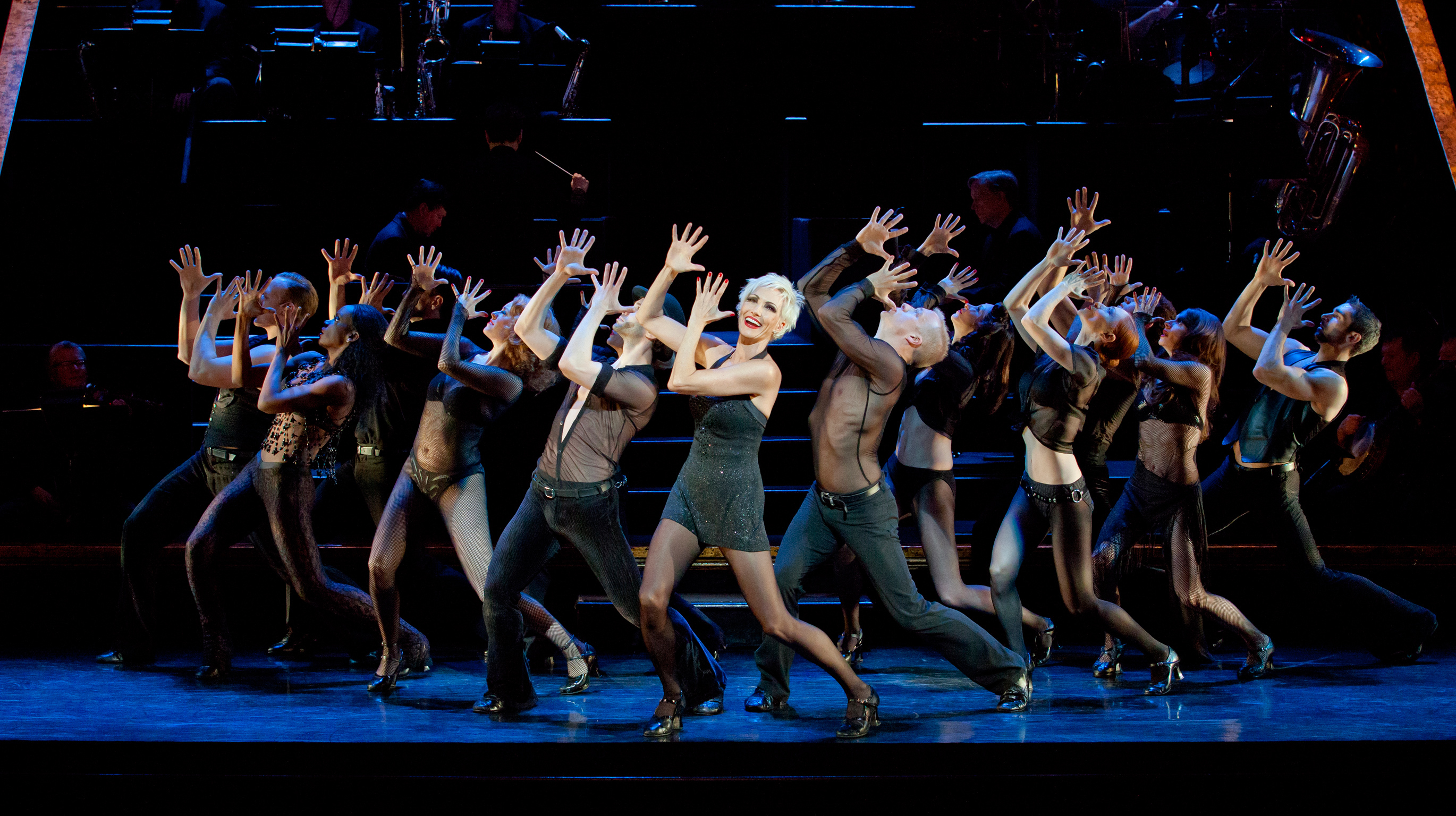
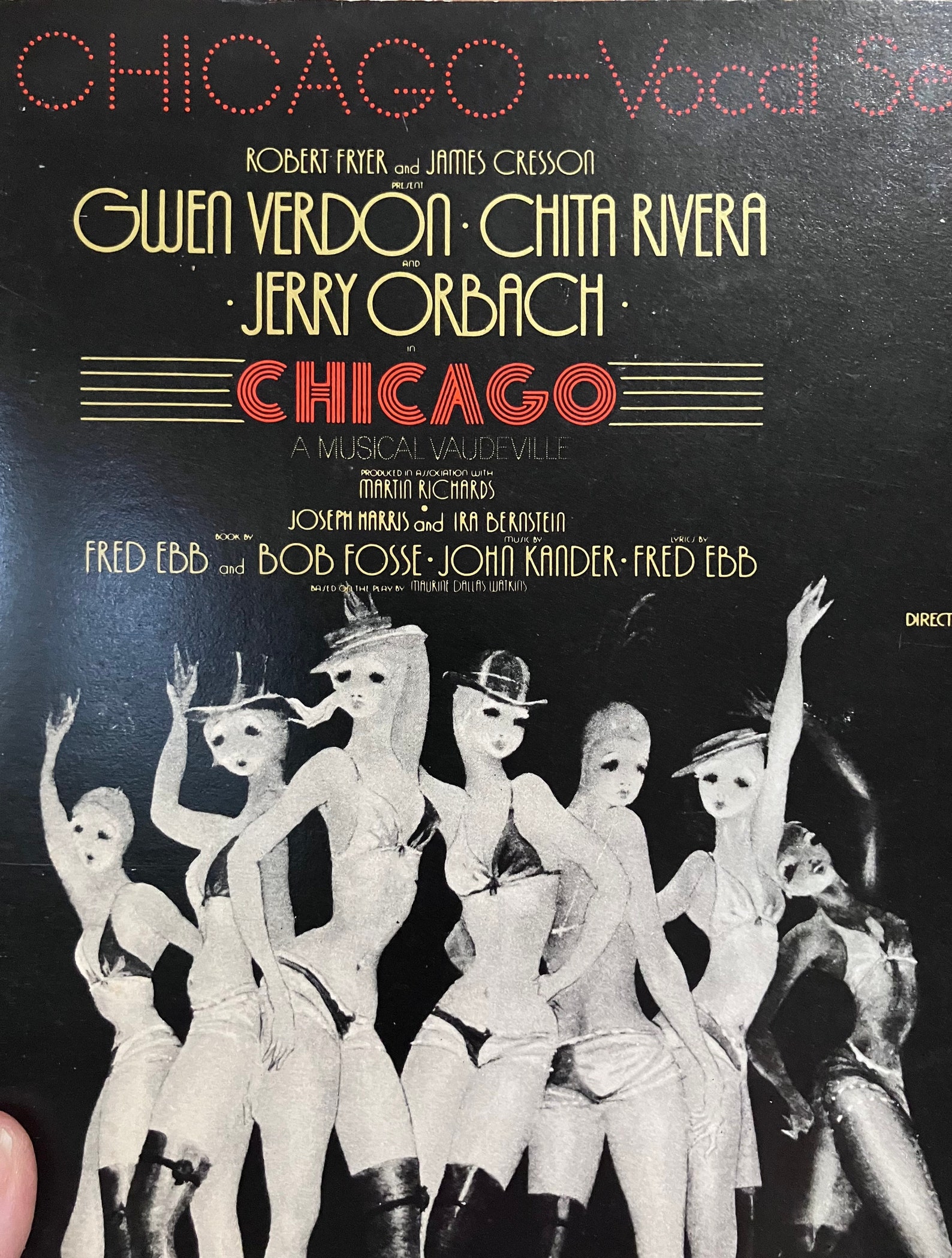
The original 1975 Broadway production of Chicago featured a legendary cast led by Chita Rivera as Velma Kelly and Gwen Verdon as Roxie Hart. They were joined by Jerry Orbach as the silver-tongued Billy Flynn, Barney Martin as Amos Hart, and Mary McCarty as Matron "Mama" Morton, defining this Bob Fosse masterpiece.
The Context of the 1975 Original Broadway Production
To understand the weight of the original cast of Chicago, one must look at the landscape of the American theatre in the mid-1970s. When the show premiered on June 3, 1975, at the 46th Street Theatre (now the Richard Rodgers Theatre), it was a sharp, cynical departure from the "Golden Age" musicals that preceded it. Directed and choreographed by Bob Fosse, with music by John Kander and lyrics by Fred Ebb, the production was a "musical vaudeville" that used early 20th-century entertainment tropes to satirize corruption in the criminal justice system and the cult of celebrity.
The 1975 cast was not merely a group of talented performers; they were the architects of a specific aesthetic that would later become a global phenomenon. While the 1996 revival is often what modern audiences visualize, the 1975 company possessed a gritty, vaudevillian authenticity that reflected Fosse’s specific, dark vision. As of 2026, the legacy of these performers remains the gold standard for how these roles are analyzed by historians and critics alike.
1. Chita Rivera as Velma Kelly
Chita Rivera was already a Broadway titan by the time she stepped into the role of Velma Kelly. Having originated the role of Anita in West Side Story (1957), she brought a formidable athleticism and a razor-sharp precision to Fosse’s choreography. In the 1975 production, Rivera’s Velma was the quintessential "vaudeville star" fallen from grace, fighting to stay relevant amidst the rising fame of Roxie Hart.
Rivera’s performance of "All That Jazz" established the opening of the show as one of the most iconic sequences in theatre history. Unlike later interpretations that leaned heavily into the "femme fatale" archetype, Rivera played Velma with a weary, professional toughness. She was a woman who had worked the circuits and knew exactly how much effort it took to make "the business" look easy. Her chemistry with Gwen Verdon provided the necessary tension that fueled the show’s narrative arc.
Her technical ability was paramount. Fosse’s choreography—characterized by turned-in knees, rolled shoulders, and "jazz hands"—required a level of muscle control that Rivera possessed in spades. Even as we look back from the vantage point of 2026, her execution of "I Can't Do It Alone" remains a case study in how to perform high-intensity choreography while maintaining the character’s desperate, manipulative persona.
2. Gwen Verdon as Roxie Hart
Gwen Verdon was more than just the lead actress; she was Bob Fosse’s longtime collaborator and former wife. By 1975, she was 50 years old, an age that added a layer of poignancy to Roxie Hart’s desperate quest for stardom. Verdon brought a unique, "breathy" vocal quality and a dancer’s discipline that defined the role of the murderess who dreams of being a vaudeville headliner.
Verdon’s Roxie was less of a sociopath than some modern interpretations; she was a woman whose moral compass had been completely erased by the glitter of the spotlight. Her performance of the song "Roxie," accompanied by her "boys," was a masterclass in stage presence. It demonstrated how a performer could command a stage through subtle movements and a deep understanding of the "cynical innocence" required by the script.
It is worth noting that during the original run, Verdon had to take a brief hiatus for surgery to remove a feather that had lodged in her lung (a literal occupational hazard of 1970s stage costumes). During this time, Liza Minnelli stepped in as a replacement, which became a legendary moment in Broadway history. However, Verdon’s DNA is what is truly baked into the character of Roxie Hart. Her influence on the role’s development is why Roxie remains one of the most coveted parts in the musical theatre canon today.
3. Jerry Orbach as Billy Flynn
Before he became a household name as Detective Lennie Briscoe on Law & Order, Jerry Orbach was the premier leading man of the Broadway stage. His portrayal of Billy Flynn in 1975 set the template for the "silver-tongued" lawyer. Orbach possessed a natural charisma and a baritone voice that could swing from smooth persuasion to booming authority.
In "All I Care About," Orbach perfectly captured the hypocrisy of the character—a man who claims to care only about love while actually caring only about the $5,000 retainer. His rendition of "We Both Reached for the Gun" showcased his ability to handle Fosse’s stylized direction, acting as a ventriloquist to Verdon’s Roxie.
Orbach’s Billy Flynn was distinct because he didn't play the character as a cartoonish villain. He played him as a highly competent professional who viewed the courtroom as just another stage. This grounded approach made the show’s satire of the legal system even more biting. For researchers looking back from 2026, Orbach's performance is often cited as the definitive balance of "razzle dazzle" and cold, calculated pragmatism.
4. Barney Martin as Amos Hart
Barney Martin originated the role of Amos Hart, Roxie’s invisible, "mister cellophane" husband. Martin, who would later achieve fame as Morty Seinfeld on the sitcom Seinfeld, brought a pathetic yet deeply sympathetic quality to the role. Amos is arguably the only character in Chicago with a shred of genuine morality, making him the ultimate victim of the show's world.
Martin’s performance of "Mr. Cellophane" was a highlight of the 1975 production. Inspired by the legendary vaudevillian Bert Williams, the number required Martin to perform with a quiet, understated sadness that contrasted sharply with the high-octane energy of the rest of the cast.
His ability to disappear into the role—literally and figuratively—was a testament to his skill as a character actor. Martin didn't play for laughs at the expense of the character; he played the tragedy of being a "nice guy" in a world that only values notoriety. This nuance provided the emotional anchor that the show needed to prevent it from becoming a purely nihilistic exercise.
5. Mary McCarty as Matron "Mama" Morton
Mary McCarty brought a rich history of vaudeville and film experience to the role of Matron "Mama" Morton, the keeper of the keys at the Cook County Jail. McCarty’s "Mama" was a woman of substantial presence, both physically and vocally. She embodied the "reciprocity" philosophy of the character, treating the inmates not as prisoners, but as business clients.
Her signature song, "When You're Good to Mama," was performed with a brassy, old-school belt that harkened back to the era of Sophie Tucker. McCarty understood the "wink and a nod" nature of the character—the idea that corruption is just another form of social etiquette.
McCarty’s contribution was vital because she established the jail as a place of commerce rather than punishment. In the 1975 production, her interactions with Rivera and Verdon provided a framework for the "sisterhood" of the cell block, which was built entirely on mutual benefit. Her performance ensured that the character of Mama Morton was never a caricature, but a formidable power player in the Chicago underworld.
Comparison of Original 1975 Cast Roles and Significance
The following table summarizes the key contributions of these five notable members, focusing on their primary musical numbers and the archetypes they established for the 1975 production.
| Performer | Role | Key Musical Number | Archetype Established |
|---|---|---|---|
| Chita Rivera | Velma Kelly | "All That Jazz" | The hardened, professional vaudevillian seeking a comeback. |
| Gwen Verdon | Roxie Hart | "Roxie" | The "cynically innocent" dreamer driven by fame. |
| Jerry Orbach | Billy Flynn | "Razzle Dazzle" | The suave, manipulative lawyer who views life as a show. |
| Barney Martin | Amos Hart | "Mr. Cellophane" | The invisible "everyman" and the show's moral casualty. |
| Mary McCarty | Matron Morton | "When You're Good to Mama" | The pragmatic, corrupt matriarch of the "system." |
The Enduring Legacy of the 1975 Company
While the 1975 production was a critical success and ran for 936 performances, it was famously "shut out" at the Tony Awards by A Chorus Line, which swept most categories that year. However, time has been kind to the 1975 cast. In 2026, historians recognize that without the foundation laid by Rivera, Verdon, and Orbach, the later success of the 1996 revival and the 2002 film would not have been possible.
The "Fosse Style" that these actors mastered is now taught in conservatories worldwide. The original cast had to define what that style meant: the isolation of body parts, the use of hats as props, and the "cool" detachment that masks intense internal emotion. They were the first to navigate the tonal shifts of Kander and Ebb’s score, which requires a performer to be both a singer and a storyteller.
The Technical Demands on the 1975 Cast
The 1975 production was significantly more "mechanical" in its staging than modern versions. The cast had to work with a complex set of elevators and moving platforms that were state-of-the-art at the time. This required a level of spatial awareness that added to the physical demands of the choreography.
Furthermore, the vocal requirements of the 1975 cast were unique. Kander and Ebb wrote the score specifically to fit the "character voices" of Verdon and Rivera. Verdon’s voice had a vibrato and a rasp that suggested a life lived in smoky jazz clubs, while Rivera’s had a percussive strength. Modern casts often try to "beautify" these vocals, but the 1975 originals remain the most texturally appropriate for the show's gritty themes.
Common Misconceptions About the 1975 Cast
- Misconception: The 1975 cast was "overshadowed" by the movie. Actually, many of the choices seen in the Academy Award-winning film—such as the "ventriloquist" staging of "We Both Reached for the Gun"—were directly lifted from the 1975 production's staging for Jerry Orbach and Gwen Verdon.
- Misconception: Chita Rivera was the "lead" over Gwen Verdon. In reality, it was a true double-billing. The rivalry between Velma and Roxie was mirrored in the star power of the two women, though Verdon was often seen as the "heart" of the project due to her connection with Fosse.
- Misconception: The show was an instant blockbuster. While it did well, the 1975 production was considered "too dark" by some audience members who were used to the optimism of shows like The Sound of Music. It took the cynical shift of the 1990s for the show's brilliance to be fully embraced by the mainstream.
Frequently Asked Questions
Who played Velma Kelly in the 1975 Broadway cast?
Chita Rivera originated the role of Velma Kelly. She received a Tony Award nomination for Best Actress in a Musical for her performance. Her portrayal is celebrated for its technical precision and athletic choreography.
Did Gwen Verdon win a Tony for her role as Roxie Hart?
No. Despite her legendary performance, Gwen Verdon did not win the Tony for Chicago. She was nominated, but 1976 was the year of A Chorus Line, which dominated the awards. Verdon had already won four Tonys previously in her career.
Who was the male lead in the original Chicago musical?
Jerry Orbach played the male lead, Billy Flynn. He was the primary protagonist among the male characters and performed iconic numbers like "All I Care About" and "Razzle Dazzle."
Is the 1975 cast different from the 1996 revival cast?
Yes, entirely. The 1996 revival cast featured Bebe Neuwirth (Velma), Ann Reinking (Roxie), and James Naughton (Billy Flynn). While the revival is more famous today, the 1975 cast originated the characters and the specific Fosse choreography.
What happened to Barney Martin after Chicago?
Barney Martin continued a successful career in theatre and film, but he became most famous globally in the 1990s for playing Morty Seinfeld, Jerry Seinfeld’s father, on the hit NBC sitcom Seinfeld.
Final Recommendation for Theatre Historians
For those seeking to truly understand the roots of Chicago, the original 1975 cast recording is an essential resource. While visual footage of the full original production is rare, the audio captures the specific vaudevillian timing and character-driven vocalizations of Rivera, Verdon, and Orbach. To appreciate the show in 2026, one must look past the "slickness" of modern revivals and reconnect with the raw, gritty, and deeply theatrical performances of the original five notable cast members. Their work remains the blueprint for every production that has followed in the last fifty years.