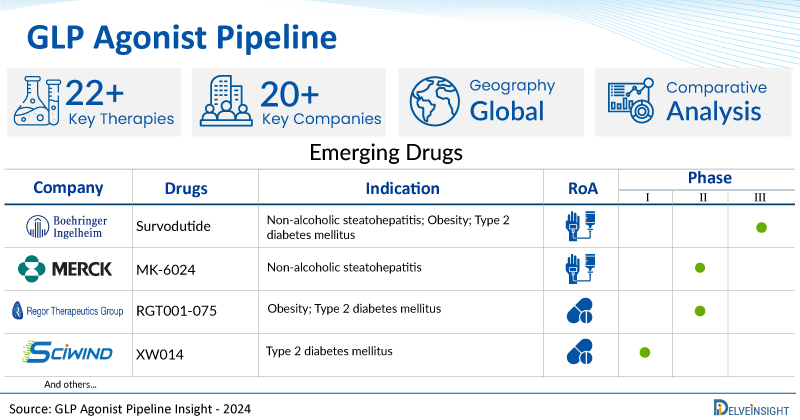
Glucagon-like peptide-1 (GLP-1) receptor agonists have transformed modern metabolic medicine, evolving from specialized type 2 diabetes treatments into multifaceted tools that address obesity, cardiovascular disease, and chronic kidney disorders. This clinical evolution is marked by shifting delivery mechanisms, expanded therapeutic indications, and a deeper understanding of multi-receptor pharmacology.
Introduction to GLP-1 Receptor Agonists and Their Clinical Evolution
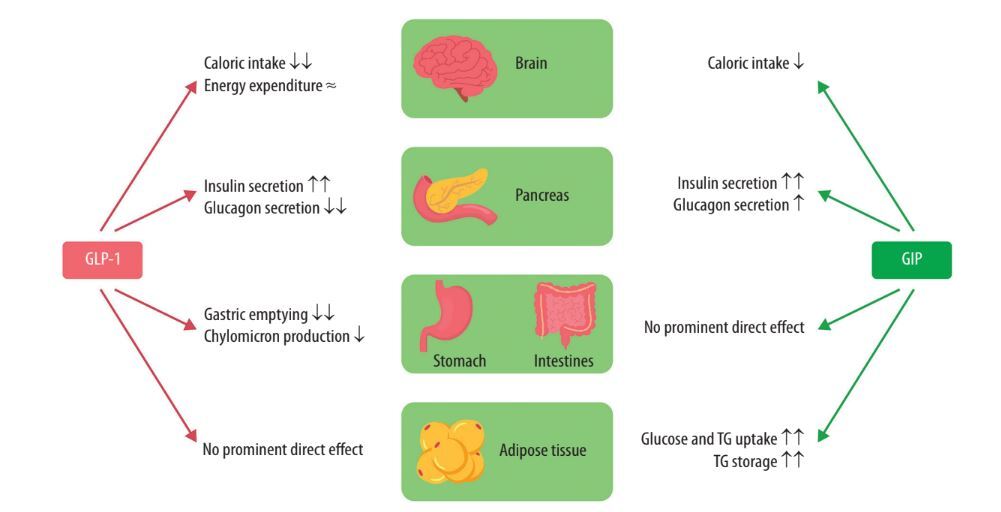
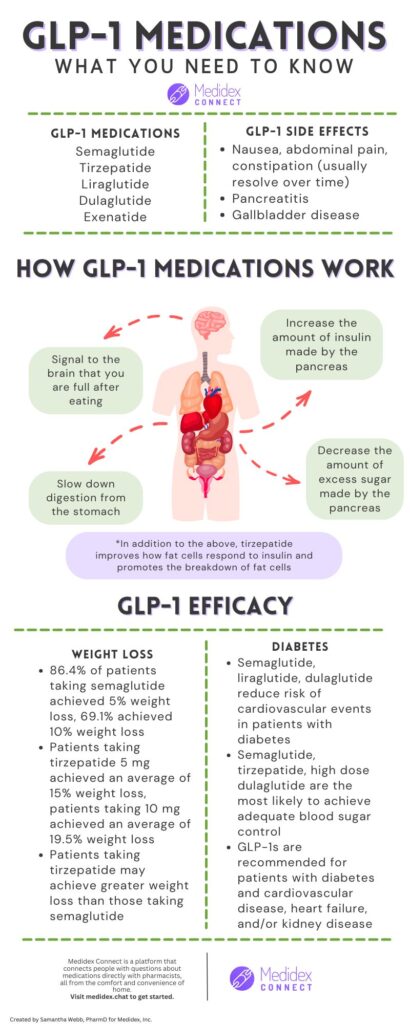
Glucagon-like peptide-1 receptor agonists mimic the endogenous incretin hormone GLP-1, which stimulates glucose-dependent insulin secretion, suppresses glucagon release, slows gastric emptying, and promotes satiety via central nervous system pathways. Originally introduced to glycemic management protocols for type 2 diabetes mellitus, these agents have demonstrated profound extrapancreatic benefits.
The clinical focus has expanded rapidly due to robust evidence from large-scale cardiovascular outcome trials and weight-management studies. Navigating this therapeutic class requires an understanding of how delivery formats, regulatory approvals, supply chain dynamics, and new molecular combinations are redefining patient care. Below are five key developments shaping the landscape of GLP-1 agents.
1. Expansion into Non-Glycemic Indications: Cardiovascular, Renal, and Metabolic Health
The therapeutic utility of GLP-1 receptor agonists has expanded well beyond glycemic control. Regulatory bodies and clinical guidelines now recognize these agents for their protective effects on major adverse cardiovascular events (MACE) and chronic kidney disease progression.
Cardiovascular Protection
Landmark clinical trials, such as the SELECT trial for semaglutide, demonstrated a significant reduction in the risk of cardiovascular death, nonfatal myocardial infarction, and nonfatal stroke in patients with established cardiovascular disease and overweight or obesity, even in the absence of diabetes. This shift has redefined how cardiologists and primary care physicians approach secondary prevention in metabolic syndrome.
Renal Outcomes and Chronic Kidney Disease
In addition to cardiovascular benefits, GLP-1 agents have shown substantial nephroprotective effects. Clinical trials evaluating kidney outcomes in patients with type 2 diabetes and chronic kidney disease have reported reductions in the progression of renal impairment, persistent macroalbuminuria, and renal-specific mortality. Consequently, clinical guidelines from organizations such as the American Diabetes Association (ADA) and Kidney Disease: Improving Global Outcomes (KDIGO) now advocate for the inclusion of GLP-1 receptor agonists in treatment regimens for qualifying patients regardless of baseline glycemic control.
2. Evolution of Administration Routes: Moving Beyond Weekly Injections
While subcutaneous weekly injections remain the gold standard for efficacy and adherence within the class, pharmaceutical innovation has introduced alternative delivery modalities designed to improve patient compliance and accommodate varying treatment preferences.
Oral Formulations
The development of oral peptide delivery has represented a significant technical hurdle due to the enzymatic degradation of peptides in the gastrointestinal tract. However, co-formulation technologies—such as the combination of oral semaglutide with the absorption enhancer sodium N-(8-[2-hydroxybenzoyl] amino) caprylate (SNAC)—have made daily oral administration viable. This oral option provides similar glycemic and weight-loss efficacy to injectable counterparts, offering an alternative for patients with needle phobia or those in early treatment stages.
Investigational Delivery Formats
Research continues into longer-acting delivery systems, including monthly subcutaneous formulations and implantable delivery devices. While these platforms undergo clinical evaluation, healthcare providers must carefully weigh the convenience of extended dosing intervals against the challenge of managing potential adverse effects over prolonged elimination half-lives.
3. Shift Toward Multi-Receptor Agonism (Twin-Grip and Triple-Agonists)
The pursuit of enhanced metabolic efficacy has driven the development of multi-receptor co-agonists. These molecules simultaneously target GLP-1 receptors alongside other gut-derived hormone receptors to achieve synergistic physiological effects.
| Receptor Target Class | Primary Hormonal Mechanisms & Clinical Goals |
|---|---|
| GLP-1 Monagonists | • Glucose-dependent insulinotropic action• Satiety signaling & delayed gastric emptying |
| GLP-1 / GIP Co-Agonists | • Enhanced insulin secretion• Synergistic weight loss & lipid metabolism |
| GLP-1 / GIP / GCG Triple Agonists | • Triple receptor activation• Maximized energy expenditure & fat oxidation |
Glucose-Dependent Insulinotropic Polypeptide (GIP) Integration
Agents such as tirzepatide combine GLP-1 receptor agonism with GIP receptor agonism. GIP synergizes with GLP-1 to enhance insulin sensitivity and insulin secretion while acting on central neural pathways to reduce food intake. Clinical trials have consistently demonstrated superior glycemic control and weight reduction compared to selective GLP-1 receptor agonists.
Triple-Receptor Agonists on the Horizon
The next tier of development includes triple agonists that target GLP-1, GIP, and glucagon (GCG) receptors. By incorporating glucagon receptor activity, these molecules aim to increase energy expenditure and hepatic lipid clearance, pushing the boundaries of medical weight management and non-alcoholic steatohepatitis (NASH) treatment.
4. Supply Chain Vulnerabilities and Access Challenges
Despite widespread clinical endorsement, the rapid surge in demand for GLP-1 receptor agonists has exposed severe vulnerabilities in global pharmaceutical supply chains, leading to persistent shortages and complex access barriers for patients.
Manufacturing and Distribution Bottlenecks
The production of complex peptide therapeutics requires specialized sterile fill-finish capacity and precise temperature-controlled supply chains. Manufacturing facilities have struggled to scale production quickly enough to meet the exponential rise in off-label and on-label prescriptions for obesity and diabetes management.
Insurance Coverage and Out-of-Pocket Costs
Access to these medications remains highly variable. While most commercial and public health plans cover GLP-1 agents for type 2 diabetes, coverage for chronic weight management is frequently restricted, subject to strict prior authorization criteria, or entirely excluded. This disparity has fueled out-of-pocket spending, prompting discussions among policymakers regarding pricing regulation, formulary transparency, and the long-term economic sustainability of chronic metabolic therapies.
5. Safety Profiles, Adverse Effect Management, and Long-Term Considerations
As millions of patients initiate therapy with GLP-1 receptor agonists, post-marketing surveillance and clinical trials continue to refine our understanding of their safety profiles, tolerability, and long-term monitoring requirements.
Gastrointestinal Tolerability
The most common adverse effects associated with this drug class are gastrointestinal, including nausea, vomiting, diarrhea, constipation, and early satiety. These symptoms typically manifest during dose titration and can often be managed through slower escalation schedules, dietary modifications, and patient education regarding portion sizes and high-fat meal avoidance.
Rare Risks and Surgical Considerations
Clinical guidelines require monitoring for rarer complications, including acute pancreatitis, gallbladder disease, and thyroid C-cell tumors (observed primarily in rodent studies, leading to black box warnings for specific agents in patients with a personal or family history of medullary thyroid carcinoma). Additionally, because GLP-1 agents delay gastric emptying, perioperative management protocols now require specific preoperative fasting guidelines or temporary discontinuation to minimize the risk of pulmonary aspiration during anesthesia.
Frequently Asked Questions
What are the primary differences between selective GLP-1 agonists and dual GIP/GLP-1 receptor agonists?
Selective GLP-1 agonists activate only the GLP-1 receptor, whereas dual GIP/GLP-1 receptor agonists stimulate both GLP-1 and glucose-dependent insulinotropic polypeptide receptors. This dual-action approach generally produces greater reductions in glycated hemoglobin (HbA1c) and superior weight loss outcomes, though gastrointestinal side effect profiles during titration remain comparable.
Why are GLP-1 receptor agonists frequently in short supply?
Global shortages stem from exponential demand growth that has outpaced complex manufacturing, sterile packaging, and active pharmaceutical ingredient (API) production capacities. These supply constraints have affected both diabetes and obesity indications across multiple geographic regions.
Can patients without type 2 diabetes access GLP-1 medications for weight management?
Yes, specific GLP-1 and dual-agonist products have received regulatory approvals for chronic weight management in adults with obesity or overweight plus at least one weight-related comorbid condition. However, insurance coverage for this indication varies significantly and often requires meeting strict clinical criteria.
How do oral GLP-1 formulations compare in efficacy to weekly injections?
Clinical trial data indicate that daily oral formulations, such as oral semaglutide, achieve comparable glycemic control and weight reduction to their subcutaneous counterparts when taken according to precise fasting instructions. Patient preference, ease of daily adherence, and gastrointestinal tolerability usually guide the selection between oral and injectable routes.
What are the standard protocols for managing gastrointestinal side effects?
Gastrointestinal adverse effects are typically mitigated by gradual dose titration, avoiding high-fat or spicy meals, eating smaller portions, and staying adequately hydrated. Clinicians may temporarily maintain a patient at a lower dose if escalation precipitates severe nausea or vomiting.
Practical Recommendations and Next Actions
For clinicians and patients navigating the expanding utility of GLP-1 receptor agonists, success relies on careful patient selection, structured dose escalation, and proactive management of adverse effects. Prior to initiating therapy, verify current formulary requirements, check local availability through reliable distribution networks, and establish a baseline metabolic and renal panel.
Patients should be counseled on realistic expectations regarding long-term treatment persistence, as metabolic benefits often require continuous therapy. Close communication with prescribing physicians ensures that dosage adjustments remain aligned with individual tolerability and clinical goals.