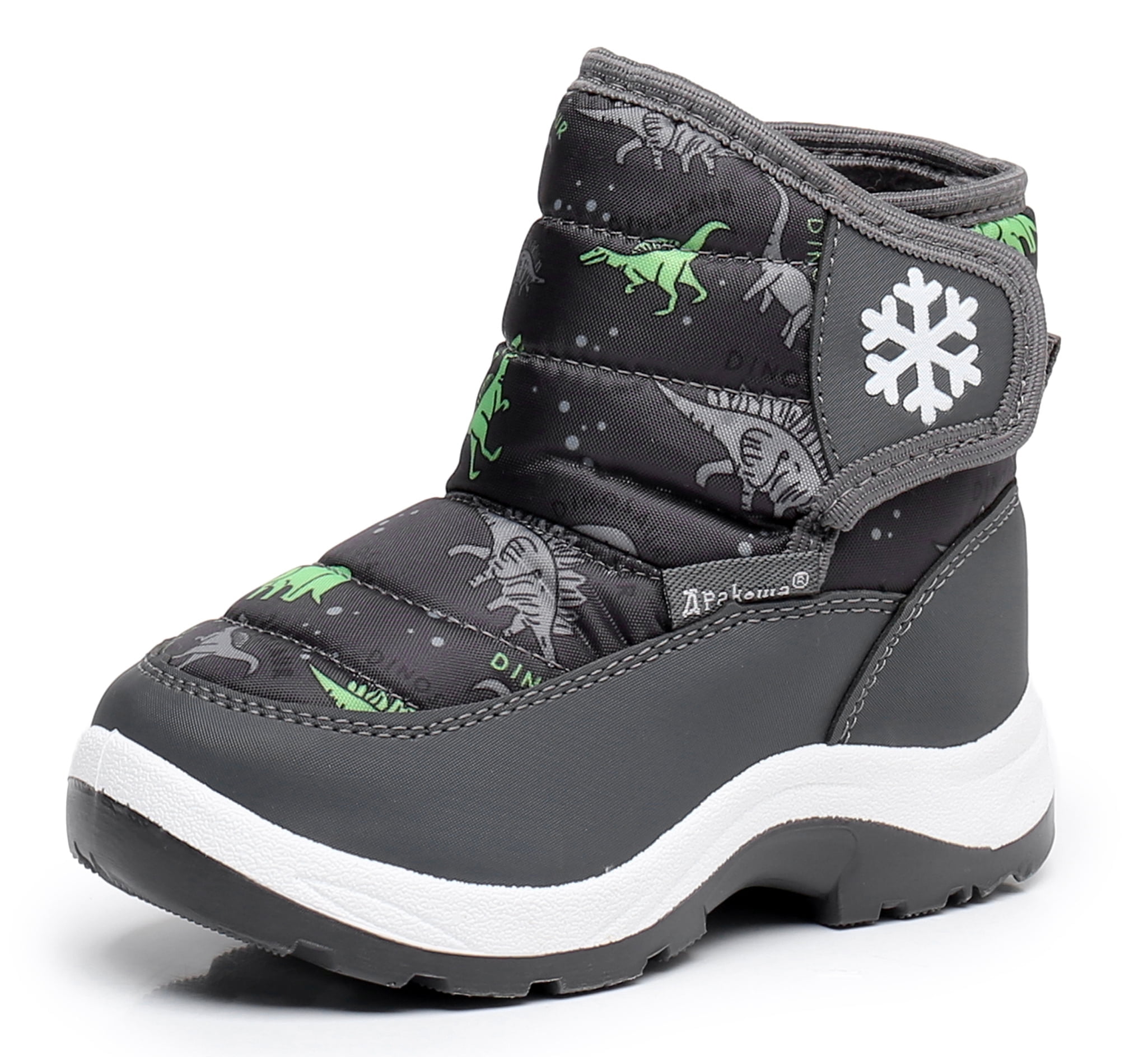
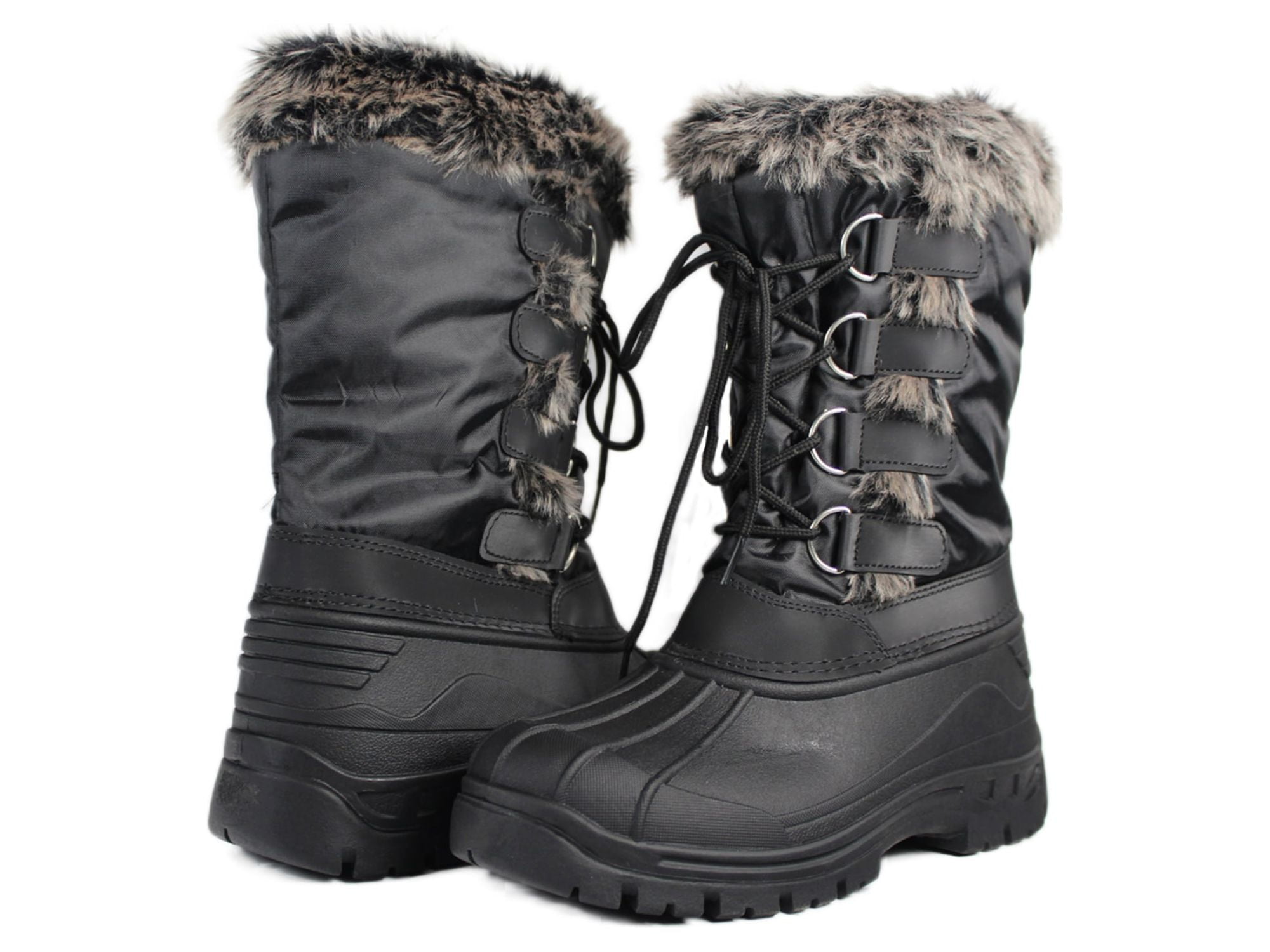
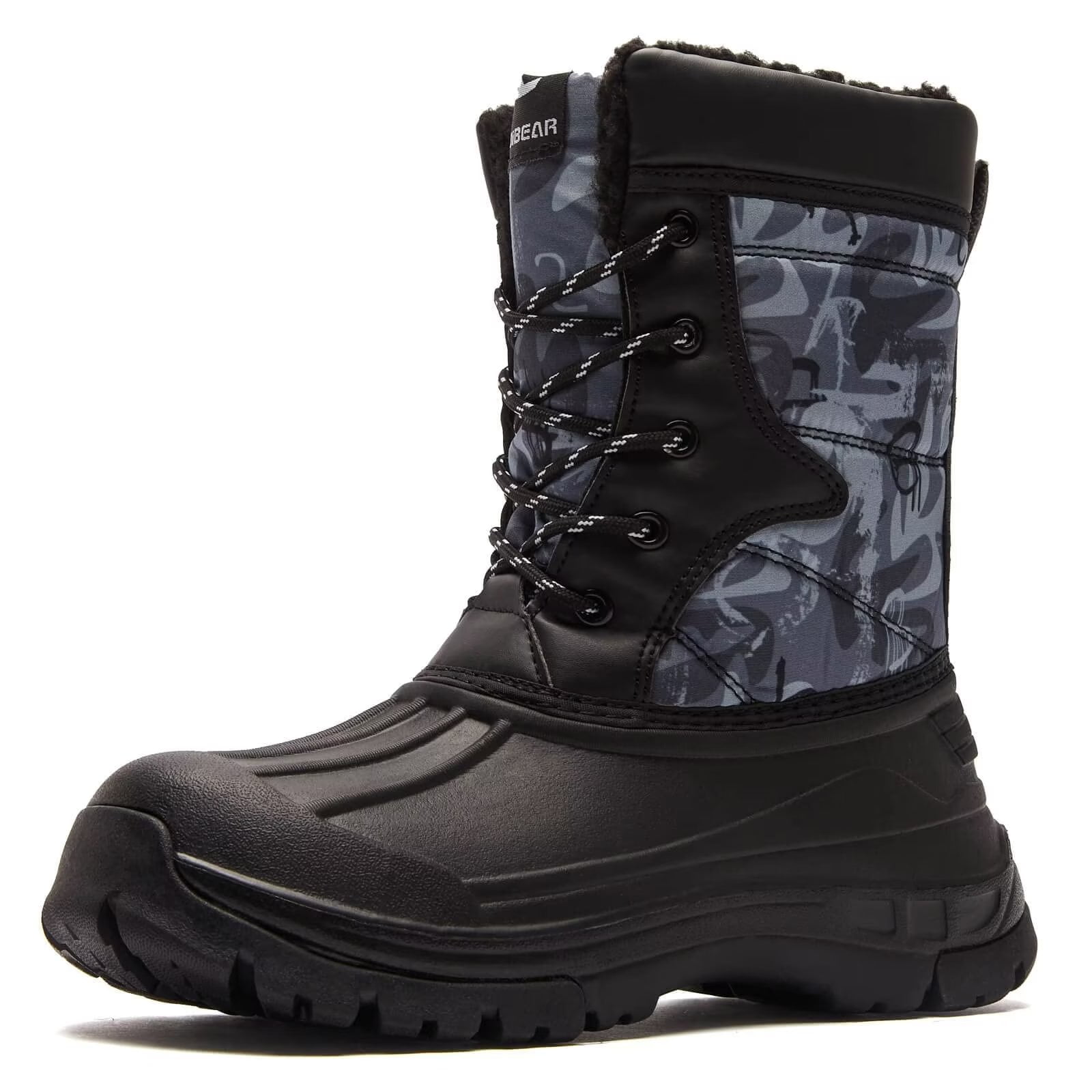
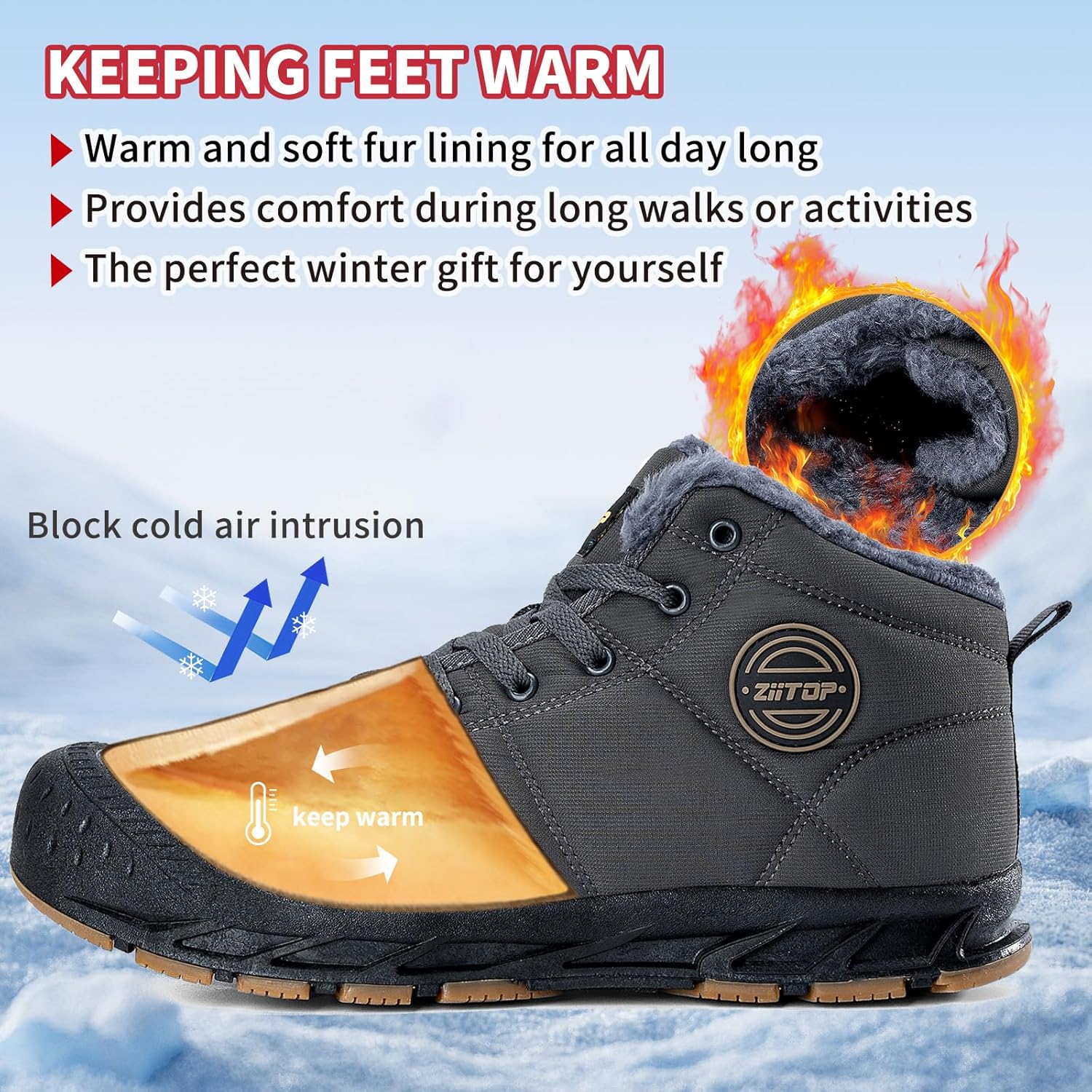
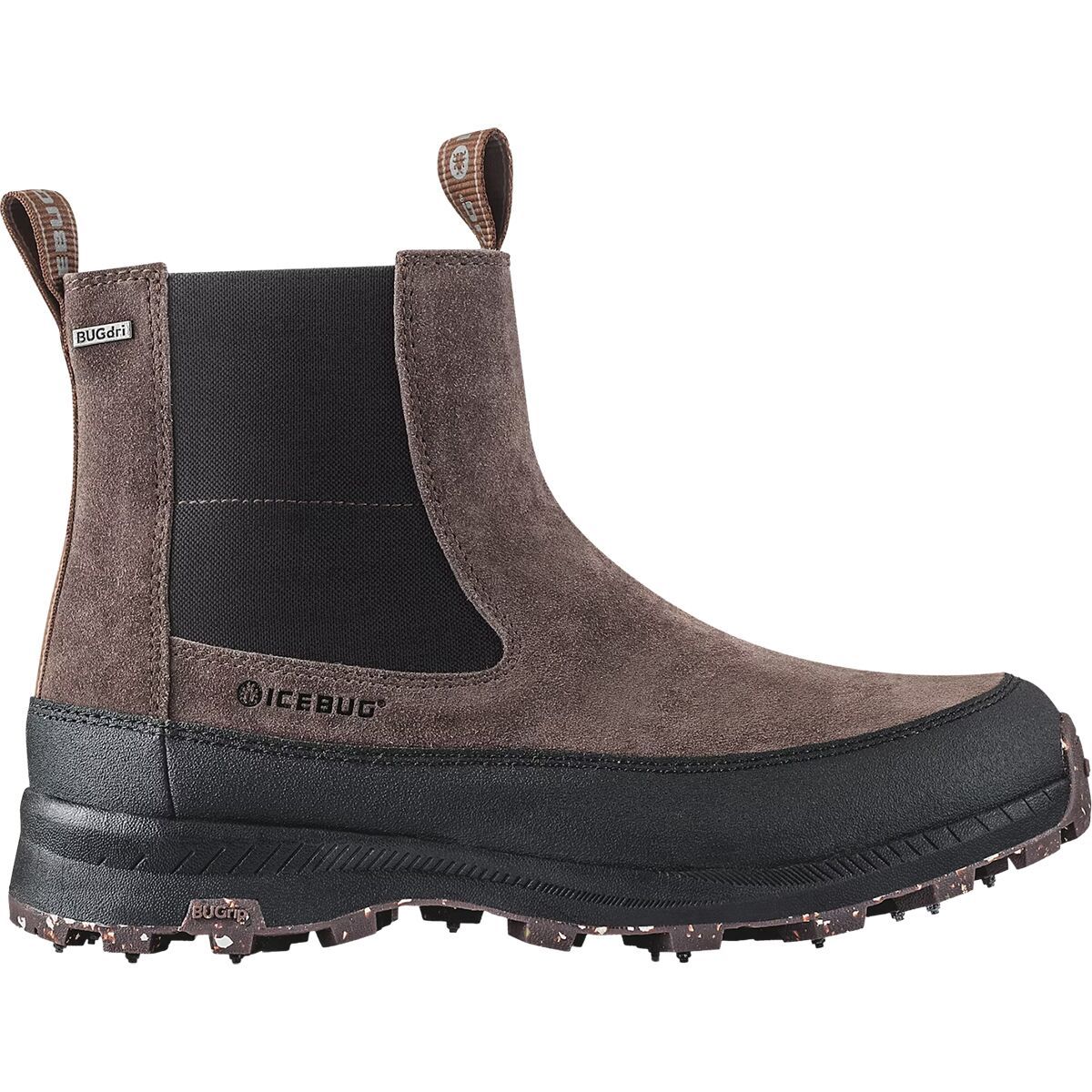
Finding the right pull on snow boots for cold weather eliminates the hassle of traditional laces and frozen fingers while keeping feet warm and dry through heavy snow and sub-zero temperatures. These slip-on designs rely on insulated linings, waterproof rubber shells, and secure goring or toggle closures to lock out moisture and snowbanks.
Navigating winter weather without the proper footwear can quickly turn a peaceful walk or a necessary errand into an uncomfortable ordeal. When temperatures plummet and snow accumulates, traditional lace-up boots often require time, dexterity, and patience to tie and adjust—commodities in short supply when you are rushing out the door into a freezing blizzard. This is where pull-on snow boots shine. By combining slip-on convenience with high-performance insulation and waterproof engineering, these boots deliver rapid protection against deep snow, slush, and biting wind.
Evaluating the market requires looking beyond mere convenience. True cold-weather performance demands rigorous material science, reliable traction on sheet ice, and robust waterproofing that survives repeated freeze-thaw cycles. Whether you are shoveling a long driveway, walking the dog through packed powder, or navigating urban slush, selecting the right pair involves understanding temperature ratings, sole construction, and shaft heights.
Understanding the Anatomy of a Quality Pull-On Snow Boot
Before examining specific models, it is essential to understand what makes a winter boot genuinely capable of handling extreme cold. Unlike standard fashion boots, functional cold-weather footwear integrates several technical layers designed to manage moisture, retain body heat, and maintain grip on treacherous surfaces.
- Exterior Waterproof Shell
- Insulation Layer (Thinsulate / Fleece / Shearling)
- Moisture-Wicking Lining
- Cushioned Midsole & Outsole with Deep Lug Tread
The Waterproof Lower Shell
The foundation of any snow boot is its lower construction. Most durable pull-on boots utilize a waterproof thermoplastic rubber (TPR) or vulcanized rubber lower shell. This seamless barrier prevents melting slush and standing water from seeping into the footbed. The upper shaft, which extends up the calf, is typically constructed from heavy-duty nylon, waterproof suede, or treated full-grain leather, often backed by a waterproof membrane like Gore-Tex or proprietary sealed-seam linings.
Insulation Technology
Keeping feet warm requires trapping body heat while preventing sweat accumulation. Modern pull-on snow boots utilize various insulation materials:
- Synthetic Insulation: Materials such as 3M Thinsulate or PrimaLoft offer high warmth-to-weight ratios and retain insulating properties even if they become slightly damp.
- Removable Felt Liners: Traditional pack boots feature thick, multi-layer felt inner boots that can be pulled out to dry near a heat source overnight.
- Natural Shearling and Fleece: Premium leather and suede pull-on boots frequently feature genuine shearling or heavy fleece linings, providing plush comfort and natural temperature regulation.
Traction and Outsole Engineering
Ice and packed snow present significant slipping hazards. Winter-specific outsoles feature multi-directional rubber lug patterns designed to channel water away from the contact patch and bite into frozen surfaces. Softer rubber compounds remain flexible in sub-zero temperatures, whereas cheap plastics harden and become slick on ice.
Evaluating the Top 5 Pull-On Snow Boots
To help you choose the right footwear for your specific winter environment, we have evaluated five of the most reliable, performance-proven pull-on snow boots available for cold weather.
1. Sorel Caribou X Boot / Sorel Joan of Arctic (Classic Pac Boot Style)
The Sorel brand is synonymous with heavy-duty winter footwear, and their classic tall pull-on designs remain gold standards for deep snow and sub-zero environments.
- Materials: Waterproof full-grain leather upper, handcrafted waterproof vulcanized rubber shell, and a removable 9mm ThermoPlus washable felt inner boot.
- Temperature Rating: Rated down to -40°F (-40°C), making them exceptional for arctic blasts and deep snowpacks.
- Performance & Fit: These boots offer a generous, sturdy fit designed to accommodate thick wool socks. The heavy rubber shell completely encases the foot, ensuring zero moisture penetration when stepping into deep drifts. The removable felt liner makes drying out sweat or melted snow remarkably easy.
- Pros: Outstanding extreme-cold insulation; completely waterproof lower; durable construction that lasts for years.
- Cons: Bulky and heavy compared to lightweight urban styles; requires a break-in period for the stiff leather shaft.
2. Bogs Classic High Winter Boot
Bogs is famous for its 100% waterproof neoprene construction, making them a favorite among outdoor workers, gardeners, and anyone facing relentless wet slush.
- Materials: Durable hand-lasted rubber over a 7mm Neo-Tech waterproof insulation core.
- Temperature Rating: Comfort-rated from temperate conditions down to -40°F (-40°C).
- Performance & Fit: Featuring signature cut-out handles at the top, Bogs boots are arguably the easiest pull-ons to slip into in seconds. The stretchy neoprene shaft conforms naturally to the calf, sealing out snow without pinching. They feature DuraFresh biotechnology to fight unwanted odors and Max-Wick moisture-moving linings to keep feet dry from the inside out.
- Pros: Extremely easy to slip on and off; 100% waterproof up to the calf; superior traction on slippery mud and slush.
- Cons: Neoprene can feel warm and less breathable during active exertion in milder weather; less ankle rigidity than traditional leather boots.
3. Merrell Thermo Chill Pull-On Waterproof Boot
For those who prioritize athletic agility and lightweight comfort without sacrificing thermal performance, Merrell provides a streamlined solution.
- Materials: Waterproof PU-coated leather and mesh upper, M-Select DRY barrier, and 200 grams of lightweight synthetic insulation.
- Temperature Rating: Suitable for moderate to cold winter conditions down to approximately -20°F.
- Performance & Fit: Unlike bulky pac boots, the Merrell Thermo Chill offers a snug, supportive fit that feels closer to a hiking boot. The air-cushion heel absorbs shock and adds stability on uneven, frozen trails, while the sticky rubber outsole provides reliable grip on icy terrain.
- Pros: Lightweight and agile; excellent arch support; comfortable straight out of the box with minimal break-in.
- Cons: Lower insulation weight means they are less suited for standing still for hours in extreme sub-zero weather.
4. Kamik NationPlus / Kamik Snowfall Series
Kamik balances heritage craftsmanship with modern weatherproofing, offering reliable Canadian-tested performance at an accessible price point.
- Materials: Waterproof suede and nylon upper, moisture-wicking lining, and a synthetic rubber outsole.
- Temperature Rating: Comfort rated down to -40°F.
- Performance & Fit: Kamik pull-on and bungee-closure styles provide a secure fit that keeps snow out during deep shoveling sessions. The synthetic rubber shell is lightweight yet tough, and the deep lugs on the Snow-Tread outsole offer confident stability.
- Pros: Exceptional value for money; sturdy Canadian-tested build quality; dependable cold-weather rating.
- Cons: Suede uppers require regular waterproofing treatment to prevent salt stains; stiff initial shaft feel.
5. Columbia Bugaboot Celsius Slip-On
Columbia integrates advanced thermal-reflective technology into a convenient slip-on architecture, maximizing heat retention without adding excessive bulk.
- Materials: Waterproof leather and textile upper, Omni-Heat reflective lining, and 200g insulation.
- Temperature Rating: Rated to -25°F (-32°C).
- Performance & Fit: The standout feature is Columbia’s Omni-Heat metallic lining, which reflects your body heat back to your feet. Combined with a TechLite lightweight midsole for long-lasting comfort, these boots bridge the gap between heavy snow stompers and comfortable winter daily drivers.
- Pros: Innovative thermal-reflective lining boosts warmth; sleek modern aesthetic; responsive cushioning.
- Cons: Opening can feel narrow for individuals with high insteps; best suited for active use rather than deep sitting snow.
Comprehensive Comparison Table
| Brand & Model | Primary Materials | Insulation Type | Approx. Temp Rating | Best Suited For |
|---|---|---|---|---|
| Sorel Caribou / Joan | Leather & Vulcanized Rubber | 9mm Removable Felt | -40°F / -40°C | Deep snow, extreme cold, shoveling |
| Bogs Classic High | 7mm Neo-Tech Neoprene & Rubber | Built-in Neoprene Core | -40°F / -40°C | Wet slush, muddy conditions, quick slip-on |
| Merrell Thermo Chill | Leather/Mesh & M-Select DRY | 200g Synthetic Insulation | -20°F / -29°C | Winter hiking, active outdoor tasks |
| Kamik NationPlus | Suede, Nylon & Rubber | Fixed Thermal Guard | -40°F / -40°C | Budget-conscious extreme cold protection |
| Columbia Bugaboot | Leather/Textile & Omni-Heat | 200g + Reflective Lining | -25°F / -32°C | Cold-weather commuting, active daily wear |
Critical Factors to Consider When Buying
Choosing the correct pair of pull-on snow boots requires aligning product specifications with your specific climate, lifestyle, and physical needs.
1. Sizing and Sock Allowance
Winter boots should never fit skin-tight. To maintain warm feet, air must circulate around your toes. Furthermore, cold weather demands thicker socks—often merino wool blends. When shopping for pull-on boots, check manufacturer recommendations regarding sizing up. Boots with thick removable felt liners or heavy insulation frequently require moving up a full size to accommodate heavy socks comfortably without compressing the insulation layers.
2. Shaft Height and Snow Depth
Evaluate the typical depth of snow in your region.
- Low-profile ankle or mid-height boots (under 6 inches) work well for light suburban commuting, driving, and cleared sidewalks.
- Tall boots (10 to 14 inches, such as Sorel or Bogs models) are essential if you routinely walk through unplowed driveways, deep yards, or fresh powder where snow can easily spill over a low collar.
3. Ease of Entry (Instep Clearance)
Because pull-on boots lack laces to expand the throat of the boot, individuals with high arches or wide feet can struggle to slide their feet into certain rigid models. Look for boots featuring elastic gore panels, rear pull loops, or wide neoprene shafts (like Bogs) if you require effortless entry and exit.
Common Mistakes to Avoid
- Ignoring Breathability: While waterproofing is vital, boots that completely trap moisture without a wicking lining will cause sweat to accumulate. When you stop moving, that moisture cools down, leading to freezing toes. Look for breathable membranes or moisture-wicking inner socks.
- Assuming All Rubber Soles Grip Ice: Standard rubber hardens in freezing temperatures and slips on smooth ice. Ensure the boots feature specialized winter rubber compounds or specific traction lugs designed for frozen surfaces.
- Neglecting Regular Maintenance: Leather and suede uppers exposed to road salt and melting slush will dry out, crack, and lose their waterproof seal. Clean your boots regularly with fresh water and apply appropriate leather conditioners or waterproofing sprays.
Frequently Asked Questions
Are pull-on snow boots as warm as lace-up boots?
Yes. Warmth is determined by the quality and thickness of the insulation layer and the waterproof seal, not the fastening system. High-end pull-on boots utilize identical rated insulation materials (such as 200g to 400g synthetic fills or thick felt liners) found in traditional lace-up boots.
How do I prevent my feet from sliding around in pull-on boots?
Because pull-on boots cannot be tightened across the instep with laces, selecting the correct size is crucial. If your heel slips, adding a quality thermal orthotic or wearing medium-weight moisture-wicking wool socks underneath thick boot socks will fill excess volume and secure your foot.
Can I drive a car wearing bulky pull-on snow boots?
Bulky pac boots with wide rubber outsoles can make it difficult to feel the pedals accurately, increasing the risk of accidentally pressing the gas and brake simultaneously. For long commutes, many drivers prefer keeping a lighter pair of driving shoes in the vehicle and slipping into their heavy pull-on boots upon arrival.
How should I store my winter boots during the summer?
Store your boots in a cool, dry, well-ventilated area away from direct sunlight, which can degrade rubber and fade leather. Clean off all mud and road salt before storage, and stuff them with clean paper or boot formers to maintain their structure during the off-season.
Final Recommendation
For maximum protection against deep snow and sub-zero temperatures, the Sorel Caribou series remains the definitive benchmark for rugged durability and warmth. If your primary winter battle involves wet slush, muddy yards, and the need to slip your boots on in under five seconds, the Bogs Classic High is the superior choice. Assess your local winter climate, check your sizing requirements, and invest in a quality pair to keep your feet warm and dry all season long.