Choosing the right face primer is essential for creating a smooth canvas, extending the wear time of your foundation, and addressing specific skin concerns like oiliness, dryness, or uneven texture. The best face primer acts as a bridge between your skincare and makeup, ensuring your cosmetic products adhere evenly and last throughout the day without separating, caking, or sliding off.
To help you navigate the crowded cosmetics market, we have evaluated top-tier formulations designed to suit diverse skin types and finish preferences. Whether you need a mattifying formula to control midday shine, a hydrating elixir to plump dry patches, or a radiance-boosting base for a luminous glow, understanding the chemical structure, performance, and application methods of these products will elevate your beauty routine.
Understanding Face Primers: Chemistry and Function
Before diving into specific product recommendations, it is vital to understand what a face primer actually does and why it is a non-negotiable step in professional makeup artistry. At its core, a face primer is a cosmetic preparation applied after moisturizer and before foundation. Formulated primarily with silicones (such as dimethicone) or water-based polymers, primers create an invisible, breathable micro-film over the skin.
This film serves two primary purposes:
- Physical Barrier: It fills in fine lines, enlarged pores, and acne scars, effectively smoothing out uneven skin topography so that liquid or powder foundation does not settle into crevices.
- Adhesion Agent: It regulates sebum production and provides a tacky or velvet-smooth grip that locks pigments and liquid bases in place, dramatically improving longevity.
Selecting the wrong formula for your skin type can lead to counterproductive results—such as a mattifying primer clinging to dry patches or an oil-heavy formula causing a slip-and-slide effect on combination skin. Below is a comprehensive breakdown of five exceptional primers, each engineered to target distinct complexion needs.
1. Smashbox Photo Finish Foundation Primer
Best Overall for Smoothing and Pore-Blurring
The Smashbox Photo Finish Foundation Primer is a legendary industry staple that has maintained its status as a gold standard in makeup kits worldwide. Its popularity stems from a reliable, oil-free silicone formulation that prioritizes texture refinement.
Performance and Formulation
This transparent gel glides onto the skin effortlessly, transforming rough patches and enlarged pores into a velvety, soft-focus canvas. It is rich in antioxidants like vitamins A and E, which help protect the skin from environmental stressors throughout the day. Because it is free of oils, parabens, and phthalates, it suits a wide range of skin types, particularly normal to combination skin.
Pros and Cons
- Pros:
- Exceptionally lightweight and breathable.
- Significantly extends the wear time of liquid and powder foundations.
- Does not clog pores (non-comedogenic).
- Cons:
- Can feel too slippery for those who prefer a completely dry-touch finish.
- Contains silicones, which may not appeal to users following strictly organic skincare routines.
2. Milk Makeup Hydro Grip Primer
Best for Dry Skin and Long-Lasting Hydration
For individuals struggling with dry, flaky skin or those who want a glassy, dewy finish that locks makeup down for hours, the Milk Makeup Hydro Grip Primer offers a distinct technological approach.
Performance and Formulation
Unlike silicone-heavy primers, the Hydro Grip formula is water-based and packed with skincare actives. It features blue agave extract, which forms an invisible, gripping layer to hold makeup in place. Additionally, it contains hyaluronic acid and niacinamide to draw moisture into the skin barrier and soothe redness, ensuring your complexion remains hydrated and plump. When applied, it feels slightly tacky, which acts almost like double-sided tape for your foundation.
Pros and Cons
- Pros:
- Deeply hydrating without feeling heavy or greasy.
- Provides up to 12 hours of secure hold.
- Infused with beneficial skincare ingredients like hyaluronic acid.
- Cons:
- The tacky finish requires a minute or two to set fully before foundation application.
- May feel overly rich for extremely oily skin types.
3. Benefit Cosmetics The Porefessional Face Primer
Best for Minimizing Pores and Controlling Oil
Enlarged pores and excess sebum production can disrupt even the most meticulously applied makeup. Benefit Cosmetics The Porefessional Face Primer is specifically formulated to combat these issues with targeted precision.
Performance and Formulation
This translucent balm features a silky, lightweight texture that melts into the skin upon contact. It contains a derivative of vitamin E known to protect skin from free radicals. Its primary superpower lies in its ability to instantly blur the appearance of pores and fine lines, creating a matte, airbrushed finish. It absorbs excess oil in the T-zone without stripping the skin of its natural moisture balance.
Pros and Cons
- Pros:
- Exceptional pore-blurring capabilities.
- Controls shine effectively in oily T-zones.
- Can be applied over makeup for midday touch-ups.
- Cons:
- Can pill or ball up if layered too thickly or over incompatible moisturizers.
- Limited hydrating benefits for dry skin zones.
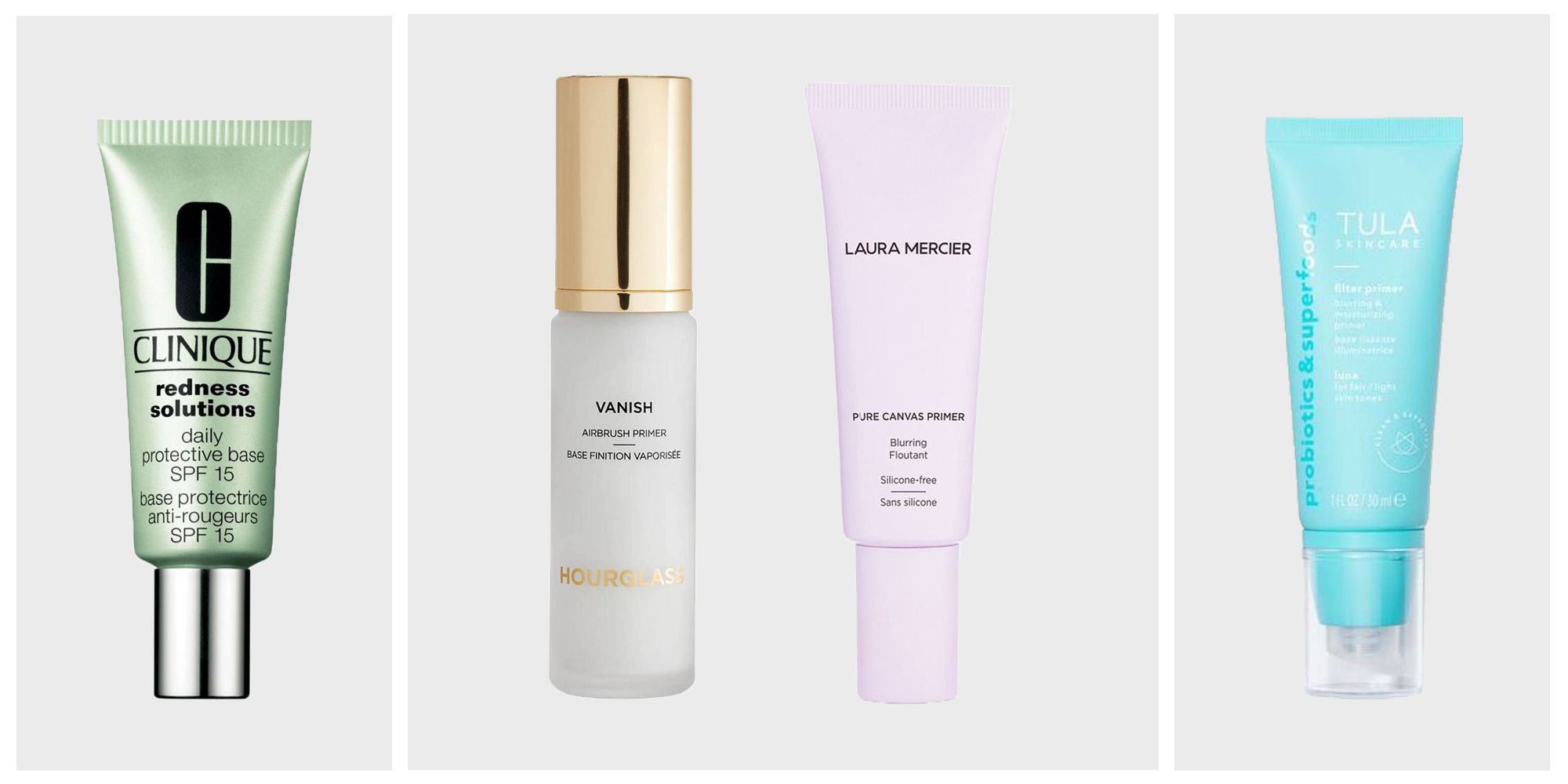
4. Laura Mercier Pure Canvas Primer - Illuminating
Best for a Natural, Radiant Glow
If your skin looks dull, tired, or lacks vitality, a standard mattifying primer will only exacerbate the issue. The Laura Mercier Pure Canvas Primer in Illuminating is designed to inject life back into the complexion while preparing it for makeup.
Performance and Formulation
This water-based, silicone-free primer is infused with microscopic light-reflecting pearls that impart a subtle, lit-from-within glow. Rather than relying on chunky glitter, it utilizes porcelain flower extract and micronized minerals to brighten the skin tone naturally. It creates a luminous barrier that allows foundation to glide on smoothly while maintaining a healthy, radiant sheen.
Pros and Cons
- Pros:
- Silicone-free formula that feels weightless on the skin.
- Delivers a sophisticated, natural radiance rather than an oily shine.
- Breathable and comfortable for daily wear.
- Cons:
- Not suitable for those who prefer a matte or velvet finish.
- Provides minimal oil control.
5. Tatcha The Silk Canvas Protective Primer
Best Luxury Option for Sensitive and Textured Skin
For a luxurious skincare-makeup hybrid, Tatcha The Silk Canvas Protective Primer offers a sophisticated formulation that shields the skin from pollutants while perfecting texture.
Performance and Formulation
Pressed into a sleek compact, this balm is crafted from pressed silk extracts and botanical active ingredients. It melts into a weightless veil that acts as a barrier between your skin and makeup, preventing clogging and breakouts. It smooths out dry patches and fills in fine lines while featuring anti-pollution natural actives that defend against environmental stressors and heavy metals.
Pros and Cons
- Pros:
- Luxurious packaging and sensory application experience.
- Infused with anti-pollution and skin-protecting botanicals.
- Excellent for sensitive skin prone to makeup irritation.
- Cons:
- Higher price point compared to standard liquid primers.
- Requires a dedicated spatula or clean fingers for hygienic product retrieval from the compact.
Comparison of the 5 Best Face Primers
| Product Name | Primary Skin Benefit | Key Active Ingredients | Finish Type | Best Suited For |
|---|---|---|---|---|
| Smashbox Photo Finish | Smoothing & Longevity | Vitamins A & E, Silicones | Velvet / Soft-Focus | Normal, Combination |
| Milk Makeup Hydro Grip | Hydration & Adhesion | Hyaluronic Acid, Blue Agave | Dewy / Tacky | Dry, Normal |
| Benefit The Porefessional | Pore-Blurring & Mattifying | Vitamin E Derivative | Matte | Oily, Combination |
| Laura Mercier Illuminating | Radiance & Brightness | Porcelain Flower Extract | Luminous | Dull, Normal, Dry |
| Tatcha The Silk Canvas | Skin Protection & Smoothing | Pressed Silk, Botanicals | Natural Satin | Sensitive, Textured |
How to Choose and Apply Your Face Primer
Selecting the right product is only half the battle; proper application technique determines how well your makeup performs throughout the day. Follow these steps to maximize the efficacy of your face primer:
- Prep the Skin: Always cleanse your face and apply your daily moisturizer and sunscreen. Allow your skincare products to absorb completely for 3 to 5 minutes before introducing primer. Applying primer to wet or sticky moisturizer can cause the products to mix and pill.
- Use the Right Amount: You only need a pea-sized amount of product for your entire face. Applying too much primer is the number one cause of foundation sliding, separating, or caking.
- Target Application Zones: Focus the primer where you need it most. If you have an oily T-zone, concentrate mattifying formulas on your forehead, nose, and chin. If you have dry cheeks, apply hydrating or illuminating formulas strictly to the perimeter of your face.
- Press, Don't Rub: Instead of rubbing the product into your skin like a lotion, use your fingers or a damp makeup sponge to gently press and pat the primer into the skin. This ensures that the product fills in pores and fine lines rather than sitting on top of them.
- Set and Wait: Allow the primer to set for 60 seconds before applying your liquid foundation or concealer. This brief pause lets the polymers form their adhesive micro-film.
Frequently Asked Questions
Can I wear a face primer without foundation?
Yes. Many modern primers—particularly illuminating or pore-blurring balms like Benefit The Porefessional or Laura Mercier Illuminating—can be worn alone. They help blur imperfections, control shine, and impart a healthy finish for a minimal, makeup-free look.
Should my primer match the base of my foundation?
As a general rule of thumb, you should pair water-based primers with water-based foundations, and silicone-based primers with silicone-based foundations. Mixing opposing bases (such as a heavy silicone primer with a water-based liquid foundation) can cause the makeup to repel itself, leading to separation and patchiness.
How do I know if my skin needs a mattifying or hydrating primer?
Assess how your skin feels and looks a few hours after cleansing. If your face looks shiny and your makeup tends to slip off, you need a mattifying, oil-controlling primer. If your skin feels tight, flaky, or causes foundation to cling to dry patches, you require a hydrating formula packed with humectants like hyaluronic acid.
Does primer actually make makeup last longer?
Yes. Primers create a chemical and physical barrier that prevents natural facial oils from breaking down foundation pigments. They also provide a tacky or velvet surface that anchors liquid and powder products, often doubling the wear time of your overall makeup application.
Can face primer cause breakouts?
Certain heavy silicone primers can trap dirt, oil, and bacteria if the skin is not cleansed thoroughly at the end of the day. If you are prone to acne, look for non-comedogenic, oil-free, and skincare-infused formulas, and always practice a thorough double-cleansing routine nightly.
Conclusion
Investing in the right face primer transforms your makeup routine from a frustrating exercise in touch-ups to a seamless, long-lasting application. Whether you choose the oil-controlling prowess of Benefit The Porefessional, the moisture-locking grip of Milk Makeup, or the luxurious skin-smoothing barrier of Tatcha, matching your primer to your specific skin type is the key to achieving a professional, flawless finish. Assess your skin's daily needs, select a compatible foundation pairing, and apply with a gentle pressing motion to enjoy a polished complexion that lasts all day.