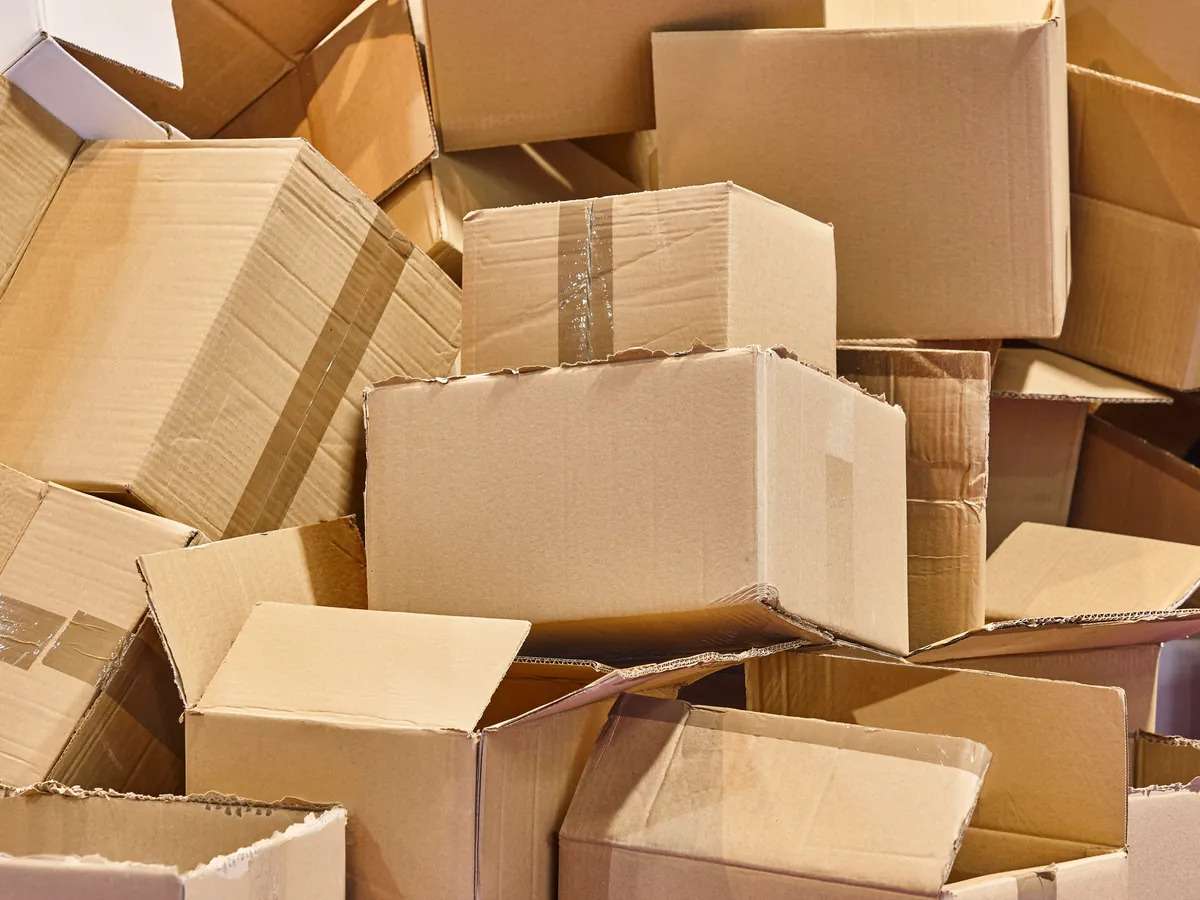
Finding the right cardboard boxes involves matching your packing volume, budget, and structural requirements with a reliable supplier. Whether you are orchestrating a residential move, launching an e-commerce fulfillment operation, or archiving corporate documents, the best places to source boxes range from free local pickup options to specialized industrial manufacturers offering bulk corrugated containers.
Evaluating cardboard box suppliers requires looking beyond the initial price tag to consider factors like structural flute size, edge crush test (ECT) ratings, delivery lead times, and minimum order quantities. Different users—from casual hobbyists clearing out a garage to high-volume commercial shippers—face distinct constraints. Selecting the correct procurement channel prevents packaging failures, structural crushing during transit, and unnecessary expenditure on oversized or substandard materials.
1. Local Retailers and Grocery Stores (Best for Free, Small-Scale Moves)
For individuals managing a residential move or a small cleaning project on a strict zero-dollar budget, local grocery stores, big-box retailers, and liquor stores represent the most accessible starting point.
How to Source Boxes Locally
Retailers receive daily shipments of inventory packed in durable corrugated containers. Instead of paying recycling fees, many store managers are willing to set aside clean boxes for local residents. The most effective approach involves visiting customer service desks during non-peak hours—typically mid-morning on weekdays—to ask when their delivery trucks arrive and when empty cartons are broken down for recycling.
Who Should Use This Source
- Residential Movers on a Budget: Homeowners or renters moving a studio apartment or a small one-bedroom home who want to eliminate packaging expenses entirely.
- DIY Crafters and Hobbyists: Individuals needing occasional cardboard for school projects, pet habitats, or small workshop tasks.
Advantages and Limitations
While entirely free, local retail boxes present significant operational limitations. These containers lack uniformity in size, making it difficult to stack them efficiently in a moving truck or storage unit. Furthermore, boxes from grocery stores may carry residual food odors, grease, or moisture that attract pests or weaken the structural integrity of the paperboard.
2. U-Haul and Moving Supply Companies (Best for Standardized Residential Moves)
National truck rental agencies and moving supply companies specialize in uniform, durable corrugated containers designed explicitly for household relocation and storage.
Product Offerings and Specifications
Moving supply retailers provide boxes categorized by specific household applications. Small boxes are engineered for heavy, dense items like books and canned goods; medium and large boxes suit clothing and linens; and specialty boxes include wardrobe containers equipped with metal hanging bars, dish-pack boxes featuring double-walled construction, and telescoping picture frame boxes.
Who Should Use This Source
- Standard Household Movers: Families and individuals moving larger homes who require stackable, uniform containers to maximize space in rental trucks.
- Fragile Item Shippers: People packing delicate glassware, electronics, or heirlooms who need engineered protection and guaranteed weight tolerances.
Advantages and Limitations
The primary advantage is predictability; every box is standardized, clean, and structurally sound, rated for specific weight capacities. Additionally, many companies offer a buyback program for unused, flat boxes with a receipt. The main drawback is cost: purchasing brand-new, virgin-kraft moving boxes from a retail storefront is significantly more expensive than sourcing free alternatives or bulk industrial supplies.
3. Uline (Best for Small-to-Medium Businesses and High-Volume Variety)
Uline stands as a dominant distributor of industrial packaging, shipping supplies, and warehouse materials, catering primarily to growing businesses, e-commerce vendors, and corporate offices.
Industrial Variety and Customization
Uline maintains a massive inventory featuring over 1,000 box sizes, ranging from standard regular slotted containers (RSCs) to heavy-duty double-wall and triple-wall boxes, flat parcel boxes, and side-loading cartons. Boxes are categorized by Edge Crush Test (ECT) ratings—such as 32 ECT or 44 ECT—allowing businesses to select containers that withstand specific stacking and drop-test thresholds.
Who Should Use This Source
- E-Commerce Startups: Online sellers shipping dozens to hundreds of orders per week who need reliable, professional-grade packaging delivered quickly.
- Corporate Offices and Archives: Organizations managing extensive record retention programs that require standardized banker’s boxes and heavy-duty storage files.
Advantages and Limitations
Uline offers unmatched inventory depth and rapid shipping from regional distribution centers across North America. However, Uline enforces strict minimum order quantities (typically sold in bundles of 15 to 25 or more), and shipping costs can be unexpectedly high due to the dimensional weight of bundled cardboard unless the buyer qualifies for freight shipping or local will-call pickup.
4. The Home Depot and Lowe’s (Best for Convenient, Retail-Priced Moving Supplies)
Home improvement warehouse chains provide a reliable middle ground between local retail scavenging and specialized industrial distributors, offering accessible, high-quality cardboard boxes in physical brick-and-mortar storefronts.
In-Store Accessibility and Pricing
These home improvement stores stock comprehensive moving supply aisles featuring individual boxes and discounted moving kits. Their corrugated products are manufactured to industry standards, featuring clear labeling on the exterior face that indicates box dimensions, cubic volume, and maximum recommended weight limits.
Who Should Use This Source
- Last-Minute Movers: Individuals who discover mid-packing that they require additional boxes and want to purchase them immediately without waiting for courier delivery.
- Small Business Owners Needing Quick Restocks: Local retailers or service providers who need a quick pack of shipping boxes without committing to a wholesale industrial supplier bundle.
Advantages and Limitations
The primary advantage is convenience; buyers can inspect box quality in person, purchase exact quantities, and easily return unused supplies. The limitation lies in pricing and selection. While cheaper than boutique moving companies, retail home improvement stores cannot match the unit-cost economies of scale offered by wholesale industrial distributors.
5. Box / Packaging Manufacturers and Wholesale Distributors (Best for High-Volume Commercial Shippers)
Direct-to-manufacturer procurement represents the ultimate tier for commercial packaging, involving custom-printed or stock corrugated boxes purchased by the pallet.
Direct Sourcing and Custom Specifications
Working directly with a corrugated box plant allows businesses to order custom dimensions, specific flute configurations (such as B-flute for fine printing or C-flute for general stacking strength), and custom brand printing. Manufacturers evaluate supply chain needs to deliver truckloads of flat-packed cartons directly to fulfillment centers.
Who Should Use This Source
- Established E-Commerce Brands: High-volume retailers shipping thousands of orders monthly who require custom-branded unboxing experiences and lowest-possible per-unit box costs.
- Manufacturers and Industrial Exporters: Businesses shipping heavy machinery, automotive components, or bulk wholesale goods requiring engineered, heavy-duty structural packaging.
Advantages and Limitations
Purchasing direct from manufacturers yields the lowest possible unit cost and unlocks full custom branding capabilities. However, this channel is entirely unsuitable for casual users or small businesses due to massive minimum order requirements (often starting at several hundred to thousands of units per size) and the requirement for substantial warehouse storage space to house incoming pallets.
Comparison of Cardboard Box Sources
| Sourcing Channel | Primary Audience | Cost Level | Minimum Order | Uniformity & Quality |
|---|---|---|---|---|
| Local Retailers / Grocers | Budget movers, crafters | Free | None | Variable sizes, potential wear/odors |
| Moving Supply Agencies | Household relocators | Moderate to High | 1 box | High; specialized for moving |
| Uline / Industrial Suppliers | E-commerce, offices | Moderate | Bundle quantities (15–25+) | High; rated by ECT and flute size |
| Home Improvement Stores | General consumers | Moderate | 1 box or kits | High; retail-standard quality |
| Box Manufacturers | High-volume commercial | Low (per unit) | Pallet or high minimums | Customizable and engineered |
Frequently Asked Questions
What does ECT rating mean when buying cardboard boxes?
ECT stands for Edge Crush Test, a standardized laboratory metric measuring the vertical compression strength of corrugated board. A 32 ECT box is certified to support up to 32 pounds of force per linear inch along its edge before crushing, making it ideal for standard shipping. Higher ECT ratings, such as 44 or 48 ECT, indicate superior stacking strength for heavy industrial goods.
Can I recycle cardboard boxes if they have tape or labels on them?
Yes, standard paper tape, plastic packing tape, and shipping labels generally do not need to be removed before placing corrugated boxes into standard curbside recycling bins. Modern paper recycling mills utilize pulping screens and centrifugal cleaners that efficiently separate adhesives, plastic strips, and staples during the repulping process.
How do I calculate what size box I need for shipping?
To determine the correct box size, measure the length, width, and height of your product in inches, then add 1 to 2 inches of clearance in each dimension to accommodate protective cushioning materials like bubble wrap, air pillows, or crumpled kraft paper. Ensure the final external dimensions do not exceed the carrier limits for your chosen shipping service class.
Are heavy-duty double-wall boxes worth the extra cost?
Double-wall boxes feature two layers of corrugated fluting sandwiched between three linerboards, providing exceptional puncture resistance and vertical load-bearing capacity. They are worth the investment if you are shipping heavy, dense items, fragile electronics, or storing goods in humid environments where single-wall cardboard might sag over time.
Final Recommendation
Choosing the right cardboard box source depends entirely on your immediate volume and intended application. If you are moving a home on a tight budget, visit local retail stores first to secure free supplies, supplementing with standardized boxes from home improvement centers for fragile belongings. If you operate an e-commerce business or commercial warehouse, establish an account with an industrial distributor like Uline for reliable, uniform inventory, transitioning to direct-to-manufacturer pallet orders as your shipping volume scales.