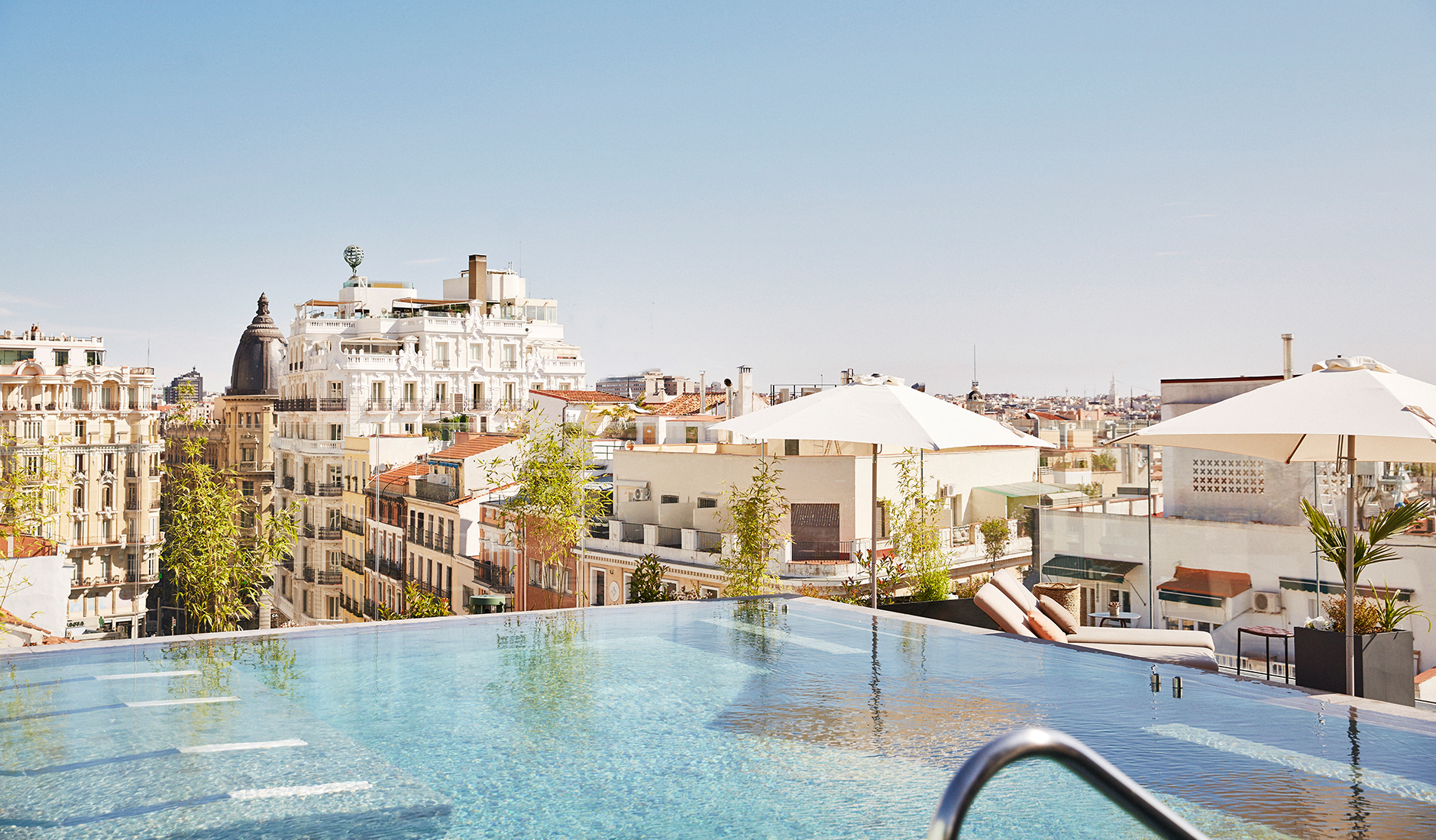
Choosing where to stay in Madrid depends heavily on your travel style, pace, and purpose, as Spain's capital features distinct neighborhoods with vastly different atmospheres, architectural styles, and proximity to major attractions. From the historic grandeur of Sol and Gran Vía to the bohemian charm of Malasaña and the upscale sophistication of Salamanca, understanding the city's urban layout ensures you book accommodations that complement your itinerary.
Understanding Madrid's Urban Layout: Neighborhoods at a Glance
Madrid is geographically compact compared to other European capitals, yet its neighborhoods function almost like independent villages, each possessing a unique cultural fingerprint. Before diving into specific hotel locations, it helps to understand how the city is organized around its central axes. The historic core centers on Puerta del Sol and Plaza Mayor, radiating outward toward landmark squares like Plaza de España and Cibeles.
Navigating the city relies heavily on the Madrid Metro network, one of the most efficient and extensive underground transit systems in Europe, complemented by an extensive commuter rail (Cercanías) and municipal bus network managed by the Consorcio Regional de Transportes de Madrid. Because most central areas are heavily pedestrianized, choosing a hotel location isn't just about how close you are to a museum; it is about balancing noise levels, nightlife access, walkability, and direct transit lines to major transportation hubs like Madrid-Barajas Adolfo Suárez Airport and Atocha Station.
1. Centro (Sol and Gran Vía): Best for First-Timers and Sightseers
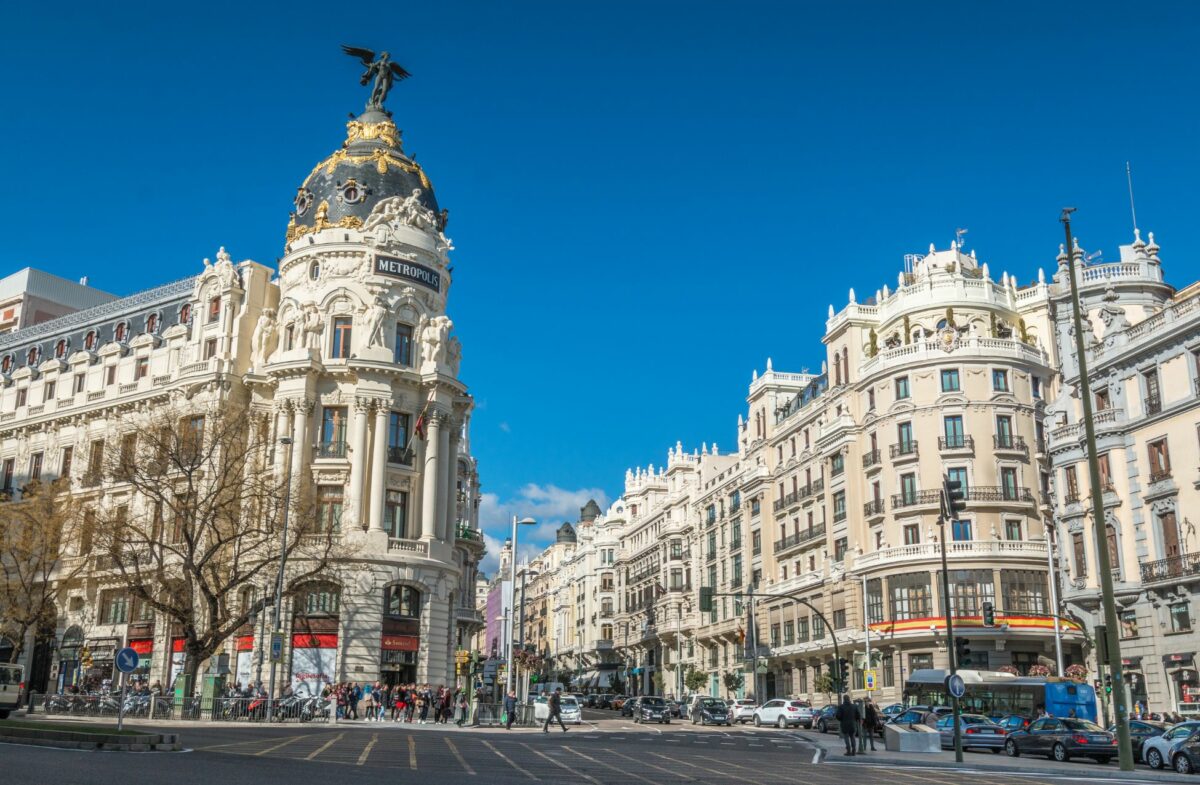
For travelers visiting Madrid for the first time, staying in the Centro district—specifically near Puerta del Sol, Gran Vía, or Plaza Mayor—places you at the absolute geographic and cultural epicenter of the city. This location minimizes transit time to iconic sights such as the Royal Palace (Palacio Real de Madrid), the bustling shopping strip of Gran Vía, and the historic culinary hub of Mercado de San Miguel.
Atmosphere and Character
The Centro district never truly sleeps. It is a high-energy environment defined by 19th- and early 20th-century architecture, illuminated billboards, theaters, and a continuous stream of pedestrians. Staying here means you can step out of your hotel and immediately be immersed in the city's pulse.
Pros and Cons
- Pros: Unbeatable walkability to major monuments, excellent metro connectivity (Sol station connects lines 1, 2, and 3 plus multiple commuter trains), and an abundance of dining and entertainment options right outside your door.
- Cons: High noise levels late into the night, significantly higher accommodation prices during peak seasons, and dense crowds that can feel overwhelming for travelers seeking tranquility.
Who It Is For
First-time visitors on a tight schedule, theater enthusiasts, shoppers who want to be steps away from flagship retail stores, and travelers who prefer not to rely heavily on taxis or late-night public transit.
2. Salamanca: Best for Luxury Travelers and Sophisticated Shoppers
If your travel preferences lean toward high-end boutiques, Michelin-starred dining, and elegant, quiet residential streets, the Salamanca district is Madrid's premier luxury enclave. Developed in the 19th century under the mastermind of the Marquis of Salamanca, this grid-patterned neighborhood is frequently compared to Paris's Haussmann-style quarters.
Atmosphere and Character
Salamanca is characterized by stately aristocratic facades, immaculate wrought-iron balconies, upscale art galleries, and the famous Golden Mile (Milla de Oro), encompassing streets like Calle de Serrano and Calle de Ortega y Gasset. The pace here is noticeably calmer, cleaner, and more refined than the chaotic energy of Centro.
Pros and Cons
- Pros: Exceptional safety, high-end boutique hotels with world-class service, proximity to some of the city's finest gastronomic experiences, and upscale shopping without the crushing tourist throngs.
- Cons: Premium price points across all categories (hotels, dining, and services), a more subdued nightlife scene that requires traveling to other neighborhoods for traditional tapas bars, and a slightly more corporate or affluent residential feel rather than historic grit.
Who It Is For
Luxury travelers, fashion-focused shoppers, business professionals, and visitors seeking upscale accommodations, quiet nights, and proximity to the prestigious museums in the adjacent Barrio de Salamanca and Retiro areas.
3. Retiro: Best for Families and Nature Lovers
Bordered by the magnificent El Retiro Park (Parque de El Retiro), this neighborhood offers an ideal urban oasis for travelers who want a balance of cultural sightseeing and green open spaces. It is peaceful, residential, and strategically located right next to Madrid's famous "Art Walk" (Paseo del Arte).
Atmosphere and Character
Retiro blends stately 20th-century apartment buildings with wide, tree-lined avenues. The neighborhood's anchor is the 125-hectare Retiro Park, a former royal property featuring manicured gardens, the Crystal Palace (Palacio de Cristal), and a boating lake. It provides a distinctly neighborhood feel where locals walk dogs, jog, and gather on weekends.
Pros and Cons
- Pros: Immediate access to Madrid's best green space, walking distance to the Prado Museum, Thyssen-Bornemisza Museum, and Reina Sofía Museum, and a much quieter nighttime environment compared to Centro.
- Cons: Fewer budget-friendly hotel options, limited late-night dining choices directly within the quieter residential pockets, and slightly farther removed from northwestern neighborhoods like Malasaña and Chueca.
Who It Is For
Families traveling with children, outdoor enthusiasts, art lovers wanting to stay close to the Golden Triangle of Art, and travelers seeking a peaceful night's sleep without sacrificing central accessibility.
4. Malasaña and Chueca: Best for Nightlife, Culture, and Trendy Explorers
For travelers drawn to independent coffee shops, vintage boutiques, street art, and a vibrant nightlife scene, the adjacent neighborhoods of Malasaña and Chueca offer an eclectic urban experience. While Malasaña was the birthplace of the Movida Madrileña cultural counter-movement in the 1980s, Chueca is celebrated globally as Madrid's vibrant, inclusive LGBTQ+ hub.
Atmosphere and Character
These neighborhoods feature narrow, winding streets, historic plazas like Plaza de Chueca and Plaza del Dos de Mayo, and an energetic, youthful spirit. Daytime brings remote workers to specialty cafes and artisanal bakeries, while nighttime transforms the area into a bustling social hub filled with cocktail bars, traditional taverns, and lively terraces.
Pros and Cons
- Pros: Incredible culinary diversity, fantastic local independent shopping, vibrant cultural atmosphere, and central positioning just north of Gran Vía.
- Cons: Street noise can be a significant issue on weekends, hotel rooms in historic buildings may be smaller or lack elevators, and parking is exceptionally difficult for drivers.
Who It Is For
Solo travelers, young couples, nightlife enthusiasts, foodies looking for modern culinary trends alongside classic tabernas, and creative professionals.
5. La Latina and Lavapiés: Best for Authentic Local Culture and Budget-Conscious Explorers
Located in the historic southern section of the city, La Latina and Lavapiés offer a raw, highly authentic glimpse into Madrid's multicultural working-class roots and medieval street plans. La Latina is famous for its tapas culture around Calle Cava Baja and the Sunday Rastro flea market, while Lavapiés is a vibrant, multi-ethnic enclave known for arts centers and global cuisine.
Atmosphere and Character
La Latina retains its medieval layout with steep, winding streets and hidden plazas that fill up with outdoor terraces every weekend afternoon. Lavapiés is gritty, diverse, and culturally progressive, hosting independent theaters, cultural squats turned community centers (La Tabacalera), and spice markets (Mercado de San Fernando).
Pros and Cons
- Pros: Outstanding traditional tapas culture, generally more affordable accommodation options, deep historic character, and a welcoming, artsy community feel.
- Cons: Hilly terrain with cobblestones can be difficult for travelers with heavy luggage or mobility issues, parts of Lavapiés can feel run-down at night, and standard amenities in boutique properties can vary widely.
Who It Is For
Budget-conscious travelers, cultural anthropologists, food enthusiasts eager to experience traditional Spanish social life, and repeat visitors looking to escape mainstream tourist zones.
Comparing Madrid's Top Hotel Locations
To help you determine which district aligns best with your trip parameters, review the comparative breakdown below.
| Neighborhood | Best For | Primary Highlight | Noise Level | Price Range |
|---|---|---|---|---|
| Centro (Sol/Gran Vía) | First-timers & Sightseers | Puerta del Sol, Gran Vía, Royal Palace | Very High | Mid to High |
| Salamanca | Luxury Travelers & Shoppers | Golden Mile, upscale dining | Low | High to Luxury |
| Retiro | Families & Nature Lovers | El Retiro Park, Prado Museum | Low to Moderate | Mid to High |
| Malasaña / Chueca | Nightlife & Culture Seekers | Plaza del Dos de Mayo, indie boutiques | High (Weekends) | Mid |
| La Latina / Lavapiés | Authentic Local Culture & Budget | El Rastro, Calle Cava Baja tapas | Moderate to High | Budget to Mid |
Frequently Asked Questions
Which Madrid neighborhood is best to stay in without a car?
Centro, Malasaña, and Retiro are exceptionally walkable and connected by the Madrid Metro network, making a rental car entirely unnecessary. Most major attractions, restaurants, and transit hubs can be reached on foot or via a short metro ride.
How do I get from Madrid-Barajas Airport to central hotel locations?
The most efficient option is Metro Line 8, which runs from the airport terminals to Nuevos Ministerios station, where you can transfer to lines 6 or 10. Alternatively, the Exprés Aeropuerto bus operates 24/7, connecting terminals directly to Cibeles and Atocha stations, while fixed-rate taxis offer direct door-to-door service to central zones.
Is Madrid safe for tourists staying in central neighborhoods?
Madrid is widely considered one of the safest capital cities in Europe for travelers. Standard urban precautions apply, particularly keeping a close eye on belongings in crowded tourist areas like Puerta del Sol, El Rastro, and the metro system to prevent opportunistic pickpocketing.
Are hotels in Madrid air-conditioned?
Yes, the vast majority of hotels in Madrid feature air conditioning. However, because Madrid experiences intense summer heatwaves where temperatures frequently exceed 40°C (104°F) in July and August, it is always wise to confirm centralized or individual climate control when booking older boutique properties in historic districts.
Which area is best for a quiet night's sleep?
If avoiding street noise is a priority, look for boutique hotels located in residential pockets of Salamanca or Retiro, or request an interior-facing room (habitación interior) if booking a property in bustling areas like Centro, Malasaña, or La Latina.
Final Recommendation for Your Stay
Selecting the ideal hotel location in Madrid ultimately comes down to prioritizing your daily routine. If you want maximum sightseeing efficiency on a short itinerary, book a property near Gran Vía or Sol in Centro. If you prioritize tranquility, open green space, and refined dining after a long day of museum-hopping, focus your search along the borders of El Retiro park or the sophisticated avenues of Salamanca. Research your transit links, verify room orientation for noise management, and secure your accommodations well in advance if visiting during peak spring and autumn travel windows.