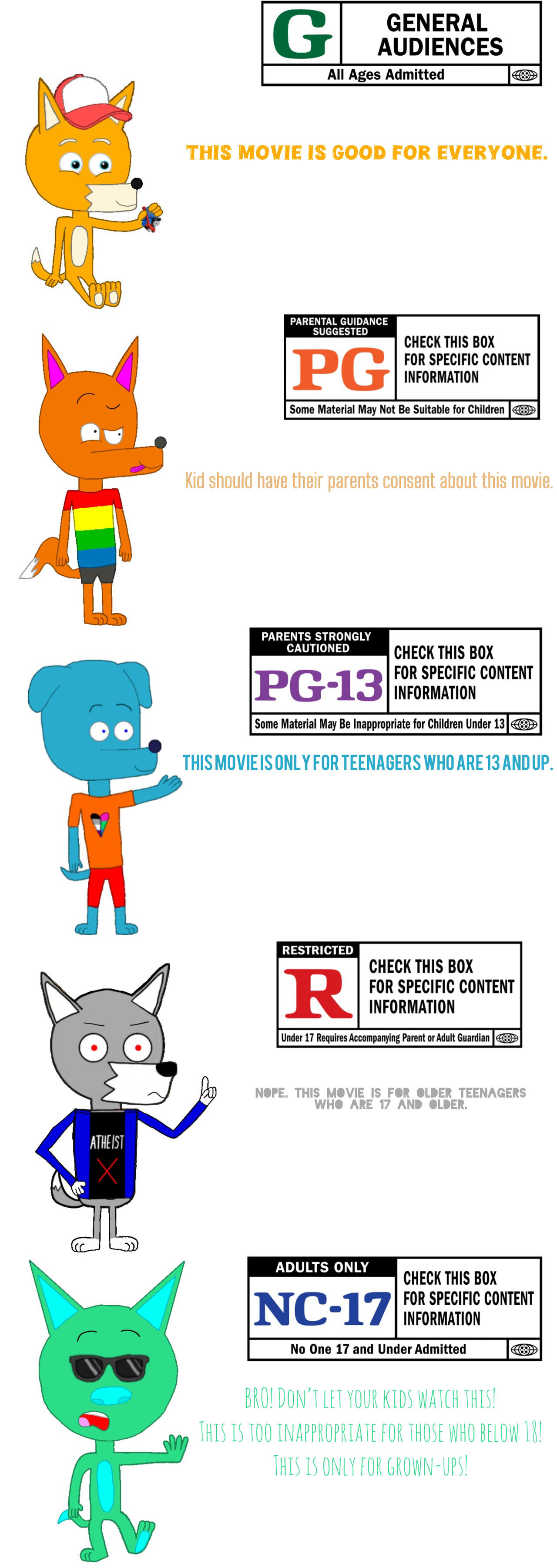
The 2007 historical action film 300 is officially rated R for graphic frame-by-frame combat violence, sexuality, nudity, and intense battle sequences. Directed by Zack Snyder and based on Frank Miller’s graphic novel, the film is strictly intended for mature audiences and is generally unsuitable for viewers under the age of 17 without adult accompaniment.
Introduction to the Motion Picture Association Rating System
Navigating the landscape of cinematic age ratings can be challenging, especially when dealing with stylized, high-impact action films. The Motion Picture Association (MPA), formerly known as the Motion Picture Association of America (MPAA), is responsible for providing parents and adult consumers with informative guidance regarding the content of feature films. When an iconic, visually distinct movie like 300 is released, understanding the rationale behind its classification helps audiences make informed viewing decisions.
Released in theaters in March 2007, 300 reimagines the historic Battle of Thermopylae through a heavily stylized, hyper-visual, and artistic lens. Because of its unique cinematic style—which blends live-action performances with digital backgrounds—some viewers mistake its comic-book aesthetic for a fantastical, bloodless adventure akin to superhero blockbusters. However, the MPA evaluation panel recognized the film's gritty, uncompromising depiction of ancient warfare, leading to an R rating. This guide breaks down every element that contributes to the classification of 300, examining the specific criteria used by rating bodies in the United States and international jurisdictions, potential triggers for sensitive viewers, and practical screening considerations for home viewing.
Core Classification Breakdown: Why "300" Received an R Rating
The MPA assigned 300 an R rating explicitly for "epic battle sequences where a lot of blood is shed, strong violence, some sexuality and nudity." Understanding these categories requires looking closely at how the film depicts physical conflict, human anatomy, and dramatic tension.
Unlike PG-13 action films that often rely on quick cuts and minimal blood to keep violence sanitized for a broader market, 300 leans heavily into visceral combat. The choreography utilizes slow-motion frames that emphasize spear thrusts, sword cuts, and strategic dismemberment. While much of the blood is rendered via digital visual effects that contrast sharply against the dark, sepia-toned color grading of the film, the sheer volume of explicit injury places the film firmly in the restricted category.
Violence and Gore
The dominant factor in the age rating of 300 is combat violence. The story centers on King Leonidas and his elite force of 300 Spartans holding off the massive Persian army. Consequently, the narrative is an extended series of large-scale military engagements and close-quarters skirmishes. Viewers witness frequent stabbings, decapitations, severing of limbs, and fatal wounds depicted with stark clarity. The stylized blood spray is a signature aesthetic of the film, ensuring that the violence is neither hidden nor glossed over.
Sexuality and Nudity
In addition to combat, the film contains elements of adult sexuality and nudity. Several scenes feature Spartan culture and mythology, which historically embraced physical form and ritual. The characters frequently appear shirtless or in minimal battle attire, displaying athletic physiques. Furthermore, specific sequences involve sensuality, partial nudity, and suggestive dialogue, particularly in scenes involving the Spartan council, the Oracles, and court intrigues in Sparta. While these moments are brief compared to the battle scenes, they contribute to the mature rating threshold.
Language and Thematic Intensity
The thematic intensity of 300 revolves around sacrifice, duty, war, and impending death. The characters face overwhelming odds, and the tone is relentlessly grim, defiant, and serious. The dialogue features aggressive confrontation, battle cries, and occasional strong language appropriate for a war epic of this scale. The psychological weight of the narrative—depicting brave soldiers knowingly marching to their doom—adds to the overall maturity required to fully process the film.
International Age Ratings for "300"
Age rating systems vary significantly around the globe. While the MPA rating governs United States theatrical and home media distribution, international regulatory bodies evaluate films based on local cultural standards, sensibilities, and statutory frameworks. Examining how other major rating boards classified 300 highlights the universal consensus that the film is strictly for mature audiences.
| Country / Region | Rating Board | Rating Assigned | Typical Minimum Age | Primary Reasons Cited |
|---|---|---|---|---|
| United States | MPA | R | 17 (under 17 requires adult guardian) | Graphic combat violence, blood, nudity, sexuality |
| United Kingdom | BBFC | 15 | 15 | Strong bloody violence, sustained threat, adult themes |
| Canada (Ontario) | OFRB | 14A | 14 (accompanied by adult or viewer discretion) | Frequent intense battle violence, gore, nudity |
| Australia | ACB | R18+ | 18 | High-impact violence, explicit martial combat |
| Germany | FSK | 16 | 16 | Intense war violence, dark tone, graphic imagery |
As demonstrated in the comparison table, international standards generally align with the United States R rating, placing the minimum viewing age between 15 and 18 depending on regional legal restrictions. In jurisdictions like Australia, the R18+ classification places a strict legal boundary on who can purchase or rent the film, reflecting the uncompromising nature of the combat sequences.
Analyzing the Visual Style: Artistic Expression Versus Content Restrictions
A common point of discussion among film enthusiasts is why 300 received an R rating despite its heavily stylized, almost painterly visual presentation. Director Zack Snyder intentionally mimicked the exact panels of Frank Miller’s graphic novel, utilizing a technique known as "crushed blacks" and digital color grading that turns the skies into golden hues and the blood into stark crimson splashes.
This artistic choice creates a distancing effect. The world of 300 is undeniably artificial, shot almost entirely on soundstages against blue screens. Because the visual environment looks less like real-world historical documentary footage and more like a moving comic book, some argue the violence feels less visceral. However, modern rating boards evaluate content based on the impact of the depiction rather than the production technique. The intentionality of the gore—showing explicit wounds, impalements, and severings in high definition—means that stylistic beauty does not exempt a film from strict age restrictions.
Appropriateness for Teenagers and Younger Viewers
Parents frequently ask whether mature teenagers (such as 14- or 15-year-olds) can handle 300. The answer depends heavily on the individual minor's maturity, media literacy, and tolerance for graphic violence.
- The Appeal to Teens: The fast-paced action, iconic battle lines ("This is Sparta!"), muscular physiques, and themes of honor and rebellion make the film exceptionally popular among teenage demographics, particularly young males.
- The Content Concerns: Beyond the physical violence, the film features fatalistic themes, brief adult content, and an aggressive, hyper-masculine tone that may not be suitable for younger adolescents.
- Parental Guidance: Parents should preview the film or read detailed content breakdowns before allowing viewers under 17 to watch. Discussing the historical context versus cinematic exaggeration can also provide valuable educational framing for older teens.
Common Questions About the Movie "300" and Its Rating
Is "300" suitable for a 13-year-old?
Generally, no. The MPA R rating explicitly discourages viewing by anyone under 17 without a parent or guardian. For a typical 13-year-old, the continuous graphic violence, decapitations, blood spray, and adult themes exceed standard PG-13 thresholds. Parents should exercise strict caution and review specific content clips before making an exception.
Does the unrated version change the age rating?
Home video releases of 300 often include extended cuts or special editions. These versions typically push the content envelope further with slightly extended battle sequences and additional gore, cementing their place as strictly adult-only media. They do not lower the barrier for younger viewers.
Why is the violence in "300" considered graphic if it looks like a comic book?
Rating boards evaluate the functional impact of imagery on screen. Even though the background is computer-generated and the color palette is stylized, the film explicitly depicts human bodies being pierced, severed, and dismembered with clear visual detail, triggering a mature classification.
Are there any sexual scenes that require skipping?
While the primary focus of the film is warfare, there are specific sequences involving the Spartan queen, the council, and mystic rituals that feature partial nudity and sensual tension. These scenes are brief but inconsistent with family-friendly viewing environments.
Where can I verify age ratings for other movies directed by Zack Snyder?
Official ratings for all major theatrical releases can be checked directly through the official website of the Classification and Rating Administration (CARA) via the Motion Picture Association portal, or through international databases such as the British Board of Film Classification (BBFC).
Practical Next Steps for Viewers and Parents
If you are deciding whether to watch 300 or share it with a younger household member, take time to review official content advisories or watch spoiler-free video essays that highlight the film's aesthetic style. For mature audiences interested in ancient history, action cinema, or comic-book adaptations, 300 remains a landmark visual achievement. For families with children under 17, it is best reserved for an adult movie night until viewers reach the appropriate maturity level.