Choosing a merchant services provider requires balancing transaction costs, hardware reliability, integration capabilities, and contract transparency. For businesses operating in 2026, the market is dominated by full-stack payment processors that offer unified ecosystems. By comparing the three industry leaders—Stripe, Square (Block), and PayPal—businesses can identify the best fit based on their specific transaction volume, technical infrastructure, and customer service needs.
Understanding Merchant Services in 2026
Merchant services are the financial bridges that allow businesses to accept credit and debit card payments. In the current landscape, these services go far beyond simple swiping. They encompass payment gateways (the software that transmits data), merchant accounts (the holding area for funds), and the physical or digital point-of-sale (POS) hardware.
As of 2026, the industry is defined by "pay-as-you-go" models, which have largely replaced the rigid, high-fee merchant bank accounts of the past. However, the move toward simplified flat-rate pricing does not mean all services are equal. The primary differences lie in the developer experience, the robustness of hardware, and the specific needs of high-volume versus emerging enterprises.
1. Stripe: The Developer-First Powerhouse
Stripe is the standard for businesses that require deep integration and customization. It is not merely a payment processor; it is an economic infrastructure for the internet.
Core Strengths: Stripe excels in its API (Application Programming Interface) quality. For e-commerce businesses that build custom storefronts, Stripe allows developers to craft a bespoke checkout experience. Its documentation is widely considered the industry benchmark, and its modular approach allows businesses to add features like recurring billing (Stripe Billing), fraud detection (Stripe Radar), and tax calculation (Stripe Tax) as they scale.
Best For:
- SaaS platforms requiring subscription management.
- Marketplaces that need to split payments between vendors.
- Businesses with a dedicated engineering team.
Operational Considerations: While Stripe is powerful, it is not a "plug-and-play" hardware-first solution in the same way its competitors are. While they offer terminal hardware for in-person payments, their primary focus remains the digital transaction layer. Users seeking a comprehensive, out-of-the-box physical store setup may find the configuration process more demanding than with other providers.
2. Square: The Integrated Retail Solution
Square, operated by Block, transformed the market by enabling small businesses to accept payments via mobile devices. In 2026, it remains the dominant force for brick-and-mortar retail, food service, and local businesses.
Core Strengths: The primary advantage of Square is its ecosystem. When a business signs up, they receive a cohesive suite of tools: a highly intuitive POS app, inventory management, employee scheduling, and customer loyalty programs. Unlike Stripe, which requires building or connecting these components, Square provides them natively within their hardware ecosystem.
Best For:
- Brick-and-mortar retail and coffee shops.
- Pop-up businesses and service providers (consultants, hair salons).
- Business owners who want a single dashboard to manage their entire physical operation.
Operational Considerations: Square uses a flat-rate pricing model that is transparent but can become expensive as a business scales to very high monthly volumes. Businesses doing hundreds of thousands of dollars in monthly sales may find that high-volume merchant accounts with interchange-plus pricing offer better long-term cost efficiency than Square’s standard rates.
3. PayPal: The Trusted Brand for Consumers
PayPal is the longest-standing incumbent in the digital payments space. In 2026, it serves as a bridge for businesses that need to capture transactions from the massive pool of consumers who already hold active PayPal and Venmo balances.
Core Strengths: PayPal’s greatest asset is trust and ubiquity. A significant percentage of consumers prefer to pay using PayPal or Venmo because it avoids the need to enter credit card details on a new website. By integrating PayPal, merchants often see an increase in conversion rates because customers feel more secure using their stored credentials.
Best For:
- Small-to-medium e-commerce sites.
- Businesses targeting consumers who prioritize digital wallet convenience.
- Sellers using third-party platforms (like eBay or Etsy) where PayPal is natively integrated.
Operational Considerations: PayPal is frequently criticized for its risk-management algorithms. When a merchant experiences a sudden spike in sales or a high rate of chargebacks, PayPal has a history of freezing accounts for review. While this protects the platform, it can cause severe cash-flow disruptions for small businesses that rely on immediate access to their funds.
Comparative Analysis Table
| Feature | Stripe | Square | PayPal |
|---|---|---|---|
| Primary Focus | API & Customization | Integrated Retail POS | Consumer Trust/Wallets |
| Pricing Model | Custom/Flat Rate | Flat Rate | Flat Rate |
| Ideal User | Online Platforms/SaaS | Brick-and-Mortar | General E-commerce |
| Setup Difficulty | High (Developer-led) | Low (Out-of-the-box) | Very Low |
| Hardware | Limited/Terminal focus | Comprehensive | Basic/Third-party |
Evaluating Costs and Contractual Obligations
In 2026, transparency is the industry norm. However, "transparency" does not mean "low cost." You must analyze two primary pricing structures:
- Flat-Rate Pricing: This is used by Square and PayPal. You pay a fixed percentage (e.g., 2.9%) plus a fixed fee per transaction (e.g., $0.30). This is predictable but often more expensive for high-volume merchants.
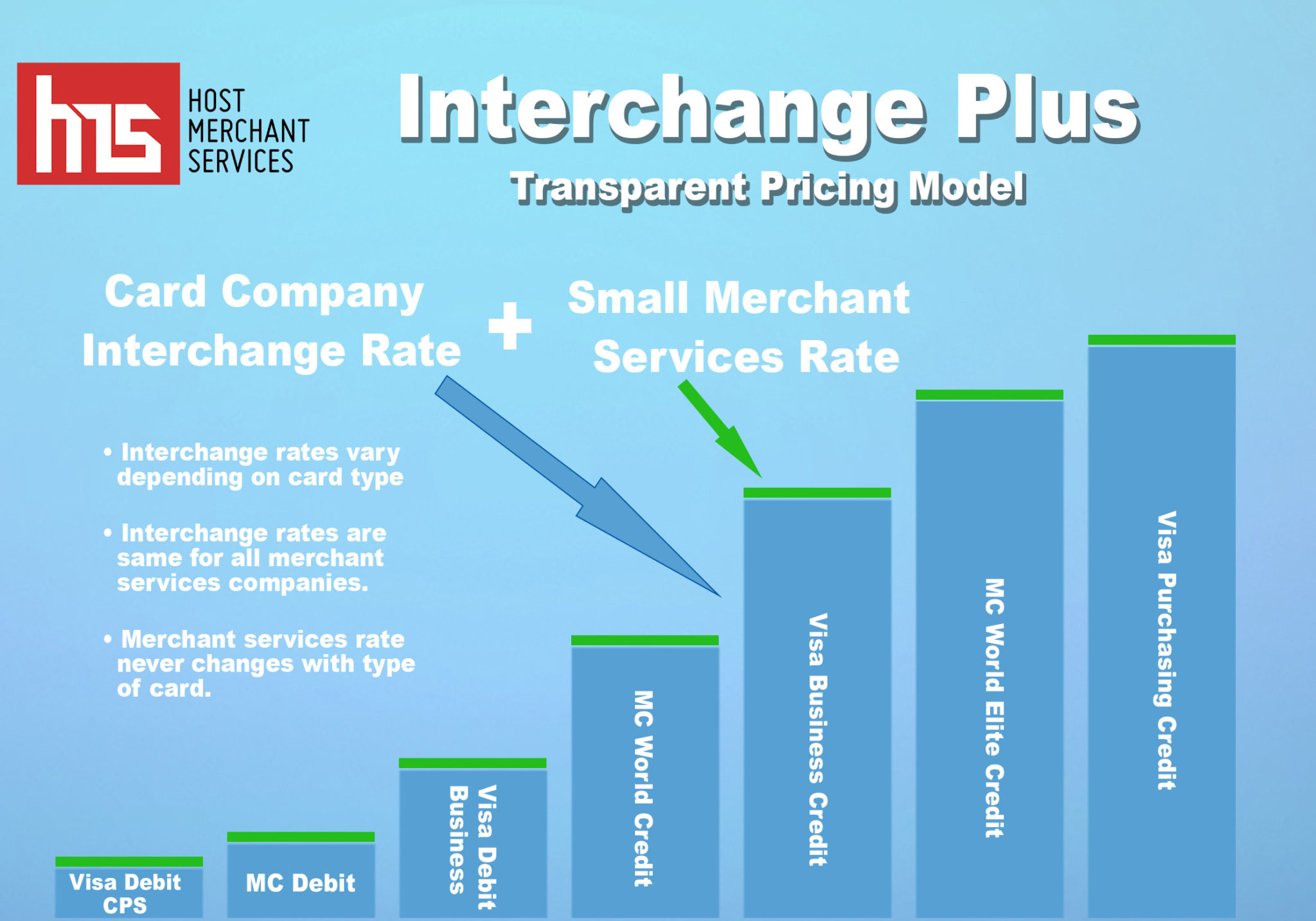
- Interchange-Plus Pricing: Often accessible via Stripe for high-volume enterprise clients, this passes the wholesale cost of the card network (the interchange fee) directly to the merchant, plus a small markup. This can be significantly cheaper for high-transaction environments.
Always check for "hidden" fees. These include monthly account maintenance fees, PCI compliance fees (a security standard for credit card data), and international transaction surcharges. In 2026, reputable providers have largely eliminated long-term cancellation fees, but ensure your service agreement does not have a "locked-in" period that makes switching providers difficult.
Troubleshooting and Support Expectations
Merchant services are critical to operations; when payments stop, revenue stops. Before selecting a provider, investigate their support tiers.
- Support Channels: Does the provider offer 24/7 phone support, or are they limited to chat and email? For a busy restaurant, chat-only support is often insufficient during a terminal outage on a Saturday night.
- Dispute Resolution: Chargebacks (when a customer disputes a transaction) are a reality of doing business. A good merchant service provider should offer a dashboard that simplifies the process of uploading evidence to contest a chargeback.
- Verification and Stability: Ensure your business model aligns with the provider’s "Acceptable Use Policy." Many processors automatically flag businesses in high-risk industries (such as CBD, travel, or adult entertainment). Always clarify your business type during sign-up to avoid unexpected account closures later.
Frequently Asked Questions
Are these services compliant with global security standards? Yes. Stripe, Square, and PayPal are all PCI-DSS (Payment Card Industry Data Security Standard) compliant. They utilize end-to-end encryption to ensure that credit card information is never stored locally on your device in plain text.
Can I use more than one merchant service provider? Yes, it is common for larger businesses to use a hybrid approach. For example, a business might use Square for their physical point-of-sale hardware while using Stripe to power their subscription-based website. However, managing two different payment stacks requires robust accounting software to reconcile the revenue.
What happens if my account is frozen? Account freezes occur when a processor detects "suspicious" activity—usually a sudden surge in sales or a high frequency of refunds. To minimize this risk, communicate with your provider if you are planning a massive sales event. If you are frozen, immediately provide all requested documentation, such as invoices and proof of inventory, to resolve the inquiry.
Which provider is best for a new startup? For most startups, Square is the easiest starting point because of its user-friendly interface and low barrier to entry. As your technical needs grow, transitioning to or adding a layer of Stripe integration is a standard growth trajectory.
Next Steps for Your Business
To determine the right provider for your needs in 2026, follow these three steps:
- Map your transaction flow: List where your payments happen. Are they purely online, purely in-person, or a mix of both? If in-person, you need a provider with superior hardware, like Square. If online, prioritize API capability, like Stripe.
- Calculate your volume: Take your projected monthly sales volume. If you are processing over $20,000 per month, request a custom quote from your potential provider. Never accept the standard "small business" rate if you have high-volume leverage.
- Perform a test run: Before committing, order a card reader or integrate the API in a sandbox environment. Ensure the reporting dashboard gives you the data you need to manage your taxes and accounting without manual data entry.