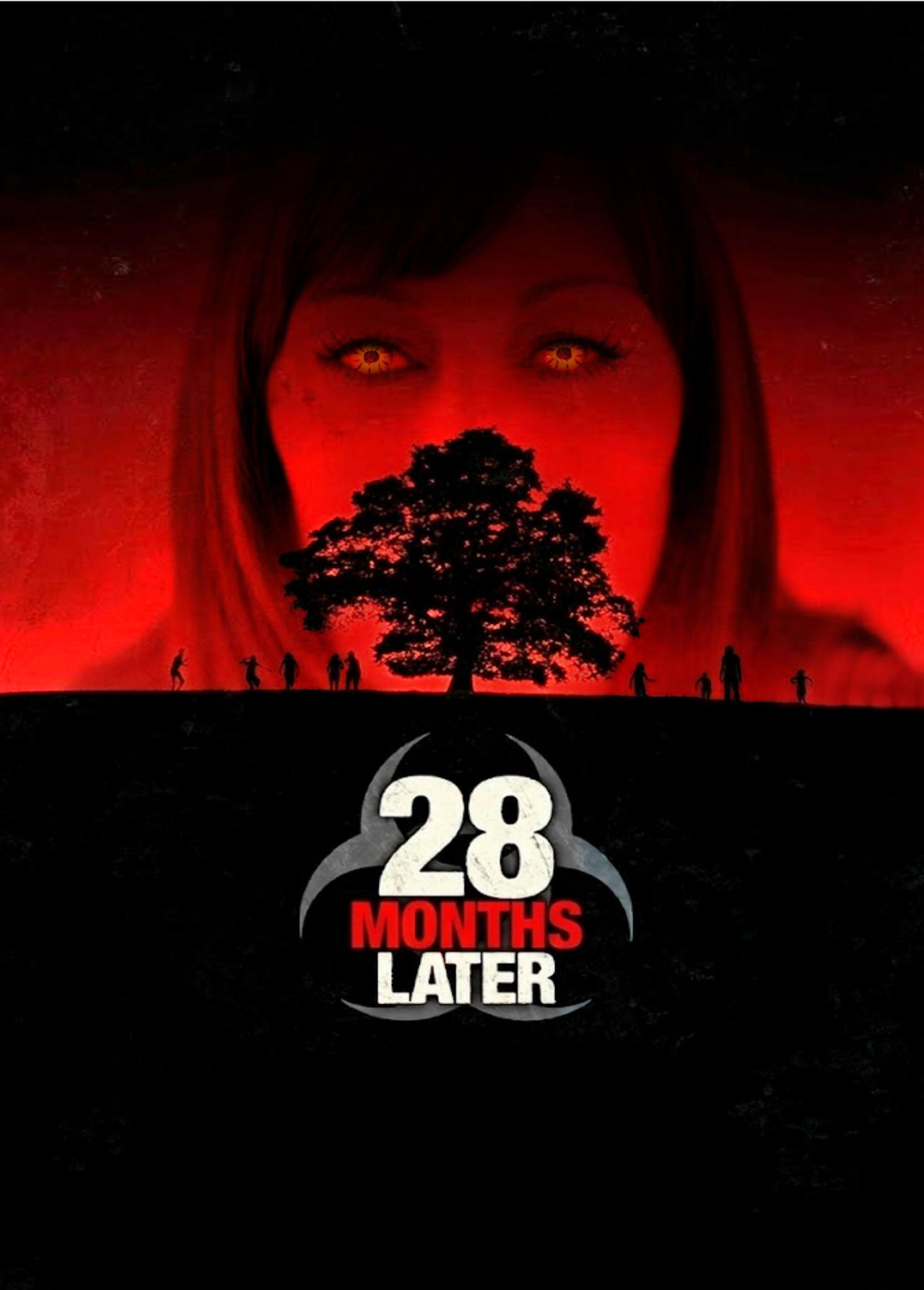
To watch the 28 Days Later franchise in order, follow the release sequence: 28 Days Later (2002), 28 Weeks Later (2007), 28 Years Later (2025), and 28 Years Later: Part II: The Bone Temple (2026). While "28 Months Later" was the long-rumored title for a third film, the series officially jumped ahead to the "Years" timeline for its modern trilogy.
The "28" franchise, birthed by the creative duo of director Danny Boyle and writer Alex Garland, redefined the horror genre at the turn of the millennium. By replacing the traditional slow-moving, supernatural undead with "Infected"—humans driven into a permanent, murderous frenzy by a laboratory-engineered "Rage Virus"—the series injected a sense of kinetic terror that influenced a decade of cinema. As of 2026, the franchise has expanded significantly beyond its original two entries, finally delivering the long-awaited continuation of the British apocalyptic saga.
Understanding the order of these films requires looking at both the narrative chronology and the production history, especially given the nearly two-decade gap between the second and third installments.
The Release and Chronological Order of the Franchise
For most viewers, the release order is the most effective way to experience the escalation of the Rage Virus outbreak. Because the films are named based on the time elapsed since "Day Zero," the release order and the chronological order are identical.
1. 28 Days Later (2002)
The film that started it all introduces us to Jim (Cillian Murphy), a bicycle courier who wakes from a coma in a deserted London hospital. The world he knew has vanished, replaced by a desolate urban landscape and a terrifying new predatory threat. This entry focuses on the immediate aftermath of the outbreak, highlighting the breakdown of social structures and the primal instinct for survival.
2. 28 Weeks Later (2007)
Set approximately six months after the initial infection, this sequel examines the first attempts at reconstruction. The U.S. Army has stepped in to oversee a "Green Zone" in London, attempting to repatriate survivors. However, a catastrophic security breach proves that the Rage Virus is far from eradicated. This film scales up the action, moving from the intimate survivalist tone of the first movie to a broader military and societal collapse.
3. 28 Years Later (2025)
After nearly 20 years of development hell and rumors surrounding a "28 Months Later" script, Danny Boyle and Alex Garland returned to the franchise for this 2025 blockbuster. The film skips the "Months" timeframe entirely to look at a world that has lived with—and been shaped by—the Rage Virus for nearly three decades. It serves as both a sequel and a soft reboot, introducing a new generation of survivors while bringing back key figures from the original 2002 cast.
4. 28 Years Later: Part II: The Bone Temple (2026)
Filmed almost back-to-back with its predecessor, this 2026 release continues the new trilogy's narrative. Directed by Nia DaCosta, The Bone Temple explores the global state of the infection and the psychological toll on a civilization that has never known a world without the threat of the Infected.
Detailed Breakdown of the Original Classics
28 Days Later: The Birth of Fast Zombies
Released in 2002, 28 Days Later was revolutionary for its use of digital video. Shot primarily on the Canon XL1, a consumer-grade digital camera, the film possessed a grainy, immediate, and documentary-like quality that felt distinct from the glossy horror films of the late 1990s. This aesthetic choice allowed the production to shut down major London landmarks like Westminster Bridge and Piccadilly Circus for brief windows, creating the haunting image of a truly empty metropolis.
The "zombies" here aren't zombies in the Romero sense; they are living humans infected with a highly contagious virus that manifests as uncontrollable rage. This distinction is crucial to the franchise's technical depth—the Infected can starve, they can be killed by standard means, and they possess the speed and agility of a healthy human. This increased the stakes of every encounter, as the protagonists could not simply outwalk their pursuers.
28 Weeks Later: The Failure of Containment
While Danny Boyle moved to an executive producer role for the 2007 sequel, director Juan Carlos Fresnadillo maintained the frantic energy of the first film while increasing the scale. 28 Weeks Later is often cited for its harrowing opening sequence, which features a father (played by Robert Carlyle) abandoning his wife to escape a horde of Infected.
The film explores themes of guilt, the fallibility of military intervention, and the biological reality of asymptomatic carriers. It also introduced the concept that the virus could persist in ways the authorities didn't anticipate, leading to the "Code Red" protocol—the total firebombing of the containment zone. This entry ended on a bleak cliffhanger, showing the infection reaching mainland Europe via the Chunnel, setting the stage for a global catastrophe that wouldn't be fully explored until the 2025 revival.
The Evolution to "28 Years Later"
The transition from the rumored "28 Months Later" to the actual "28 Years Later" represents a major shift in the franchise's philosophy. For years, fans expected a film that would cover the immediate aftermath of the Paris outbreak seen at the end of 28 Weeks Later. However, Alex Garland eventually decided that a longer time jump allowed for a more profound exploration of a "post-apocalyptic" world rather than just another "survival" movie.
Production and Technical Innovations in 2025/2026
In a nod to the original film’s pioneering use of digital cameras, 28 Years Later (2025) made headlines for being the largest budget film ever shot primarily on smartphones. Specifically, the production utilized heavily modified iPhone 15 Pro Max systems equipped with professional lenses. This choice, overseen by Academy Award-winning cinematographer Anthony Dod Mantle, serves as a thematic bridge to the low-fi digital look of the 2002 original while utilizing the 2020s' cutting-edge mobile technology.
This new trilogy, backed by Sony Pictures, marks a significant investment in the franchise. By securing the original director and writer, the producers ensured a level of tonal consistency that many long-dormant horror franchises lack when they finally return to theaters.
| Film Title | Release Year | Primary Director | Key Themes | Timeline Status |
|---|---|---|---|---|
| 28 Days Later | 2002 | Danny Boyle | Initial shock, survival, human nature | Day 28 Post-Outbreak |
| 28 Weeks Later | 2007 | Juan Carlos Fresnadillo | Containment, military failure, guilt | Week 28 Post-Outbreak |
| 28 Years Later | 2025 | Danny Boyle | Legacy, societal adaptation, return | Year 28 Post-Outbreak |
| 28 Years Later: Part II | 2026 | Nia DaCosta | Global impact, psychological trauma | Year 28+ Post-Outbreak |
Expanding the Lore: Comics and Graphic Novels
To fully appreciate the "28 months later movies in order" experience, hardcore fans should look toward the comic book series, which bridges the massive gaps between the theatrical releases.
- 28 Days Later: The Aftermath (2007): Published by Fox Atomic Comics, this graphic novel provides four interconnected stories that fill the gap between the first and second films. It explains the origins of the Rage Virus and the initial spread across the UK before the events of 28 Days Later.
- 28 Days Later (Comic Series, 2009-2011): This series, consisting of 24 issues, follows Selena (the survivor played by Naomie Harris in the first film). It is set between the first and second movies and depicts her journey back into Great Britain to act as a guide for an American news crew.
These supplementary materials are considered canon by many fans and provide the only "28 Months" era content currently available, as the movies jumped directly to the 28-year mark. They offer deep insights into the biology of the virus and the early attempts by various governments to understand the scope of the disaster.
Key Characters and Continuity
The return of Cillian Murphy as Jim in the 2025/2026 trilogy provides a rare narrative thread through a franchise that is largely an anthology of different survivor groups. In the original 2002 film, Jim was the audience surrogate—a blank slate learning the rules of the new world. By the time of 28 Years Later, his character has evolved into a veteran of the apocalypse, mirroring the audience's own 24-year wait for his return.
Continuity in the "28" universe is grounded more in the behavior of the virus than in specific recurring characters. The Rage Virus has specific "rules" that have remained consistent:
- Infection Speed: Symptoms manifest within 10 to 20 seconds of contact with infected blood or saliva.
- No Reanimation: The hosts are not dead; they are physiologically alive and can die from dehydration, starvation, or physical trauma.
- Animal Vectors: While the virus was originally tested on primates, the films primarily show human-to-human transmission, though the comic lore suggests wider possibilities.
Frequently Asked Questions
Is there a "28 Months Later" movie?
There is no movie officially titled 28 Months Later. While this was the planned title for many years, the creators eventually decided to jump further ahead in time, resulting in the 2025 film 28 Years Later. The "Months" period of the timeline is largely covered by the 2009-2011 comic book series.
Can I watch the movies out of order?
While you can watch 28 Days Later as a standalone film, 28 Weeks Later and the 28 Years Later trilogy rely heavily on the world-building established in the original. It is highly recommended to watch them in release order to understand the evolution of the Rage Virus and the state of the world.
Do the Infected die eventually?
Yes. Unlike traditional zombies, the Infected in this franchise are living humans. In the first film, it is noted that many of the Infected in London eventually died of starvation because they were incapable of caring for themselves or finding consistent food sources once the initial population was decimated.
Is the Rage Virus based on a real disease?
The Rage Virus is a fictionalized version of rabies. Alex Garland and Danny Boyle consulted medical experts during the production of the first film to create a "pathogen-based" horror that felt scientifically plausible, focusing on the idea of a virus that targets the limbic system to trigger permanent aggression.
Why did it take so long for a third movie?
The delay was due to complex rights issues between various production companies and the busy schedules of Danny Boyle and Alex Garland. It wasn't until early 2024 that the original creators officially reunited to bring the new trilogy to life with Sony Pictures.
Final Recommendation for Viewers
If you are new to the franchise or planning a marathon in 2026, the best approach is to start with the 2002 original. Its low-budget, gritty atmosphere sets a standard that the sequels build upon with higher stakes. After finishing the first two films, we recommend looking into the BOOM! Studios comic series to see Selena's continued journey before moving into the high-stakes, modern production of 28 Years Later and its 2026 sequel, The Bone Temple. This path provides the most comprehensive understanding of how a small lab leak in Cambridge evolved into a global event that redefined the cinematic apocalypse.