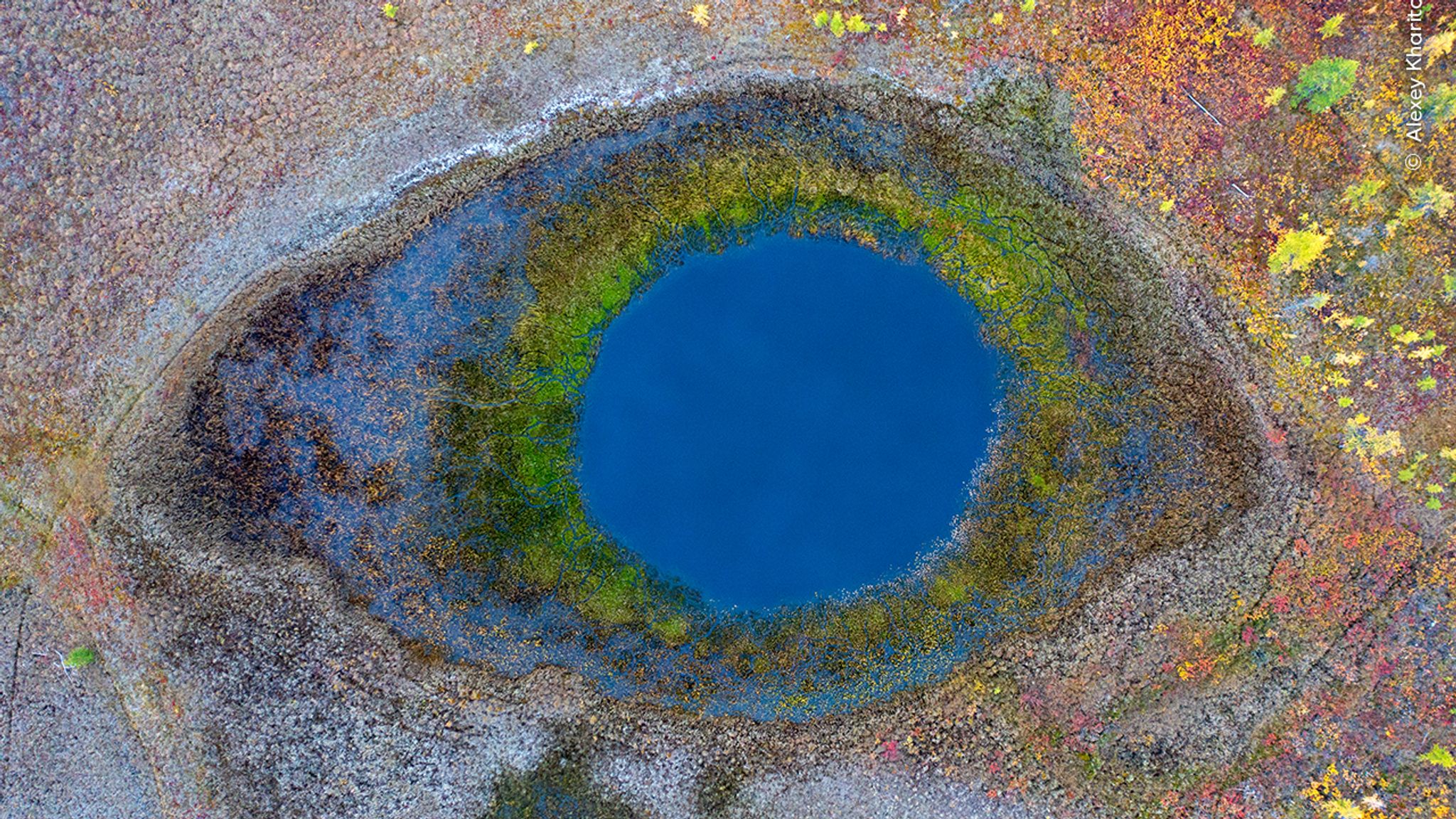
The Wildlife Photographer of the Year (WPY) competition, established by the Natural History Museum in London, serves as the premier global platform for nature photography. The 2025 iteration—the 61st edition of this prestigious event—represents the pinnacle of artistic expression and scientific documentation in the field, setting the standard for visual storytelling regarding the natural world and the urgent conservation challenges facing our planet today.
The Significance of the Wildlife Photographer of the Year
Since its inception in 1965, the Wildlife Photographer of the Year competition has evolved from a small magazine-backed initiative into a global phenomenon. Managed by the Natural History Museum, London, the competition is widely regarded as the "Oscars" of the photography world. Its primary objective is to inspire the discovery of nature while fostering a deeper understanding of biodiversity and the necessity for global conservation efforts.
The 2025 cycle of this competition is particularly notable for its rigorous selection process and the technological advancements reflected in the winning imagery. As professional and amateur photographers alike push the boundaries of what is possible with digital sensor technology, drone cinematography, and macro optics, the WPY provides a filtered view of the most compelling wildlife interactions captured over the preceding year. Winning an award in this competition is considered one of the highest honors a nature photographer can achieve, often serving as a career-defining moment that grants them international recognition.
Understanding the Competition Structure and Categories
The WPY is not a singular contest but a multi-faceted evaluation of technical skill, artistic composition, and journalistic integrity. To maintain the integrity of the entries, the Natural History Museum implements a tiered structure that ensures photographers are judged against peers shooting in similar environments or using specific methodologies.
Primary Award Categories
The competition typically organizes its entries into several core categories, including:
- Behavior: Capturing a unique animal interaction or social dynamic.
- Portraits: Focusing on the individuality and character of a single subject.
- Environment: Showcasing the subject within its larger ecological context.
- Photojournalism: Documenting the relationship—often problematic—between humans and the natural world.
- Rising Star: Dedicated to photographers aged 17–26, highlighting the next generation of visual storytellers.
These categories ensure that the jury can assess imagery based on specific criteria. For instance, a "Behavior" shot is evaluated on the rarity of the action captured, whereas a "Portrait" is judged based on composition, lighting, and the emotional connection established between the viewer and the subject.
Technical Specifications and Ethical Guidelines
A defining feature of the 2025 Wildlife Photographer of the Year competition—and what distinguishes it from social media photography—is its unwavering commitment to ethical standards and technical provenance. Every finalist undergoes a rigorous verification process.
The Code of Ethics
The competition organizers enforce a strict Code of Ethics. Photographers must be able to prove that their presence did not negatively impact the welfare of the animal or the integrity of the habitat. This includes:
- No Baiting: Use of food to lure animals for a better shot is strictly prohibited or must be explicitly disclosed.
- No Captivity: Subjects must be wild. Images of zoo animals or pets are automatically disqualified.
- Minimal Editing: While post-processing is allowed to optimize image quality, the addition or removal of elements from the frame is forbidden.
The verification process often requires the submission of RAW files. Jurors compare these files against the final submitted image to ensure that no "digital manipulation" has occurred. For 2025, the scrutiny on AI-generated or AI-enhanced imagery became a focal point of the judging criteria, with the competition tightening rules to ensure that the final result remains a true representation of reality.
The Role of Scientific Verification
Beyond aesthetics, the WPY serves as a repository of scientific observation. Many of the winning images from the 2025 collection provided biologists with new insights into species behavior, migration patterns, or the effects of climate change on specific habitats. When a photographer captures a rare species or a unique behavioral adaptation, the image becomes a data point.
The panel of judges includes a mix of professional photographers, editors, and scientists. This interdisciplinary approach ensures that the "Wildlife Photographer of the Year" title is awarded to an image that is both technically perfect and scientifically significant. An image might be beautiful, but if it shows a species in a habitat where it is not supposed to be due to human intervention, the scientific jury will prioritize the documentation of that change over pure aesthetics.
Comparison of Photographic Methods
The evolution of technology has changed how wildlife photography is approached. The following table highlights common methods utilized by top-tier photographers participating in the WPY.
| Methodology | Primary Equipment | Core Challenge |
|---|---|---|
| Long-Lens Field | 400mm - 800mm Prime Lenses | Maintaining stability and focus during long waits. |
| Remote Trap | DSLR/Mirrorless + Infrared Trigger | Setting up the hardware without leaving human scent. |
| Drone Imagery | UAV (Unmanned Aerial Vehicle) | Navigating wildlife-sensitive regulations and weather. |
| Underwater | Housing + Macro/Wide-angle Lenses | Managing buoyancy and artificial lighting in water. |
How to Prepare for Future Competitions
For photographers aiming to enter future iterations of the Wildlife Photographer of the Year, preparation starts long before the submission window opens. The process is not merely about finding a "cool" animal; it is about building a narrative.
- Develop a Local Portfolio: You do not need to travel to the Serengeti to win. Many of the most respected entries in recent years focus on urban wildlife or common species observed with an extraordinary perspective.
- Understand the Light: Study the "Golden Hour" and how natural light interacts with the subject's environment. The 2025 winners showcased a mastery of light that turned everyday scenes into cinematic masterpieces.
- Invest in Ethical Research: Before arriving at a location, research the natural history of the subject. Understanding the animal’s routine is more effective than waiting for luck.
- Master Your RAW Workflow: As the competition continues to tighten its rules on digital manipulation, developing a clean, transparent workflow for your RAW images is essential.
Frequently Asked Questions
Can amateur photographers win the Wildlife Photographer of the Year?
Yes. The competition is open to photographers of all levels, provided they meet the age and ethical requirements. Many winners in the past have been hobbyists who spent years observing a single location.
What happens to the winning images after the competition?
Winning and shortlisted images are featured in a global exhibition organized by the Natural History Museum. They are also published in a hardbound book, which is a major revenue stream for the museum’s conservation initiatives.
Are AI-generated images allowed in the WPY?
No. The competition requires that images be captured by a camera and a lens. Any attempt to use generative AI to add, remove, or synthesize elements will lead to immediate disqualification and a potential lifetime ban from future entries.
How are the winners selected?
A panel of international experts reviews thousands of entries anonymously. The judging is blind, meaning judges do not know the identity of the photographer during the selection process to ensure fairness.
Is there a fee to enter?
Yes, there is an entry fee per image. The fees are used to cover the administrative costs of the competition and to support the museum's ongoing scientific research. There are discounts for young entrants and photographers from certain regions to encourage global participation.
Final Recommendations for Aspiring Nature Photographers
If your goal is to one day have your work featured among the winners of the Wildlife Photographer of the Year, your focus should shift from "collecting" species to "observing" behavior. The judges prioritize images that tell a story—images that provoke an emotional response or highlight a critical environmental issue.
Invest time in learning the specific behavior of the wildlife in your region. Documenting a common bird performing an unusual courtship ritual or capturing the resilience of wildlife in a suburban backyard is often more compelling to the jury than a generic portrait of a lion or elephant. Above all, maintain absolute transparency in your workflow and respect the animals you photograph. True mastery in this field is found at the intersection of technical precision, ethical conduct, and the ability to capture the fleeting, profound moments of the natural world.