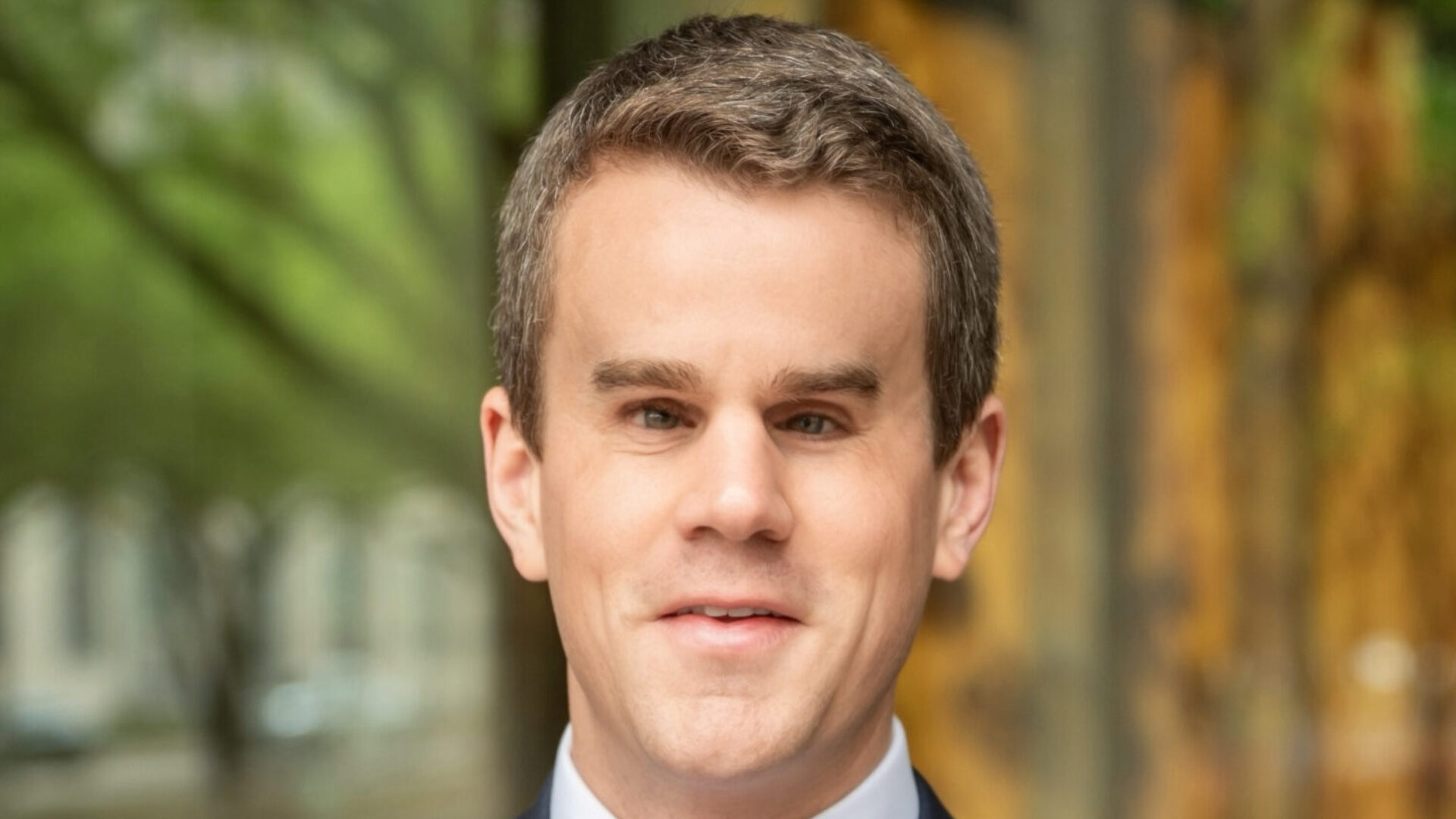
The 2025 relocation of actor Patrick Fugit to Texas reflects a broader cultural trend of notable figures moving from major coastal entertainment hubs to states offering lower population density, different tax structures, and distinct lifestyle advantages. While maintaining his active presence in the film and television industry, Fugit's transition underscores the increasing viability of bi-coastal or remote-based careers for established character actors.
Understanding the Context of Celebrity Relocations to Texas
In recent years, the Lone Star State has emerged as a premier destination for individuals seeking an alternative to the high cost of living and urban density found in Los Angeles and New York. For actors, musicians, and industry professionals, modern production landscapes make it increasingly feasible to maintain a career without living directly adjacent to studio lots.
Patrick Fugit, widely recognized for his breakthrough role as William Miller in Cameron Crowe’s semi-autobiographical 2000 film Almost Famous, as well as subsequent starring roles in projects like Outcast, Gone Girl, and First Man, represents a segment of the entertainment industry that values privacy and geographic flexibility. The decision to relocate involves balancing professional obligations—such as auditions, chemistry reads, and physical production schedules—with personal quality of life considerations.
The appeal of Texas for relocating public figures typically encompasses several practical factors:
- Absence of State Income Tax: Texas does not levy a personal state income tax, providing substantial financial adjustments for high-earning individuals.
- Real Estate Value: Compared to primary coastal markets, capital investment in Texas real estate often yields significantly more square footage, acreage, and privacy.
- Community and Culture: Cities like Austin, Dallas, and smaller regional hubs offer vibrant cultural scenes, outdoor recreational opportunities, and a more deliberate pace of daily life.
- Logistics: Major international airports in Texas provide efficient, direct transit options to both the West Coast and East Coast when production requirements demand in-person attendance.
Career Continuity and Industry Logistics for Traveling Actors
Transitioning a primary residence away from Southern California does not mean a departure from the entertainment industry. The modern casting and production infrastructure relies heavily on digital workflows, remote self-tape auditions, and virtual chemistry reads.
For an established actor with a multi-decade filmography like Fugit, professional longevity provides the industry capital necessary to manage a long-distance lifestyle. When physical presence is mandatory for principal photography, table reads, or promotional press tours, production entities routinely coordinate travel arrangements, allowing talent to reside outside the immediate Los Angeles studio zone.
Production Adaptation and Remote Workflows
The evolution of casting practices, accelerated heavily through the 2020s, has permanently shifted initial audition phases away from immediate in-person cattle calls.
- Self-Tape Integration: Actors routinely record and submit auditions from home studio setups, reducing the necessity of living within a 30-mile studio zone for daily casting calls.
- Virtual Collaboration: Pre-production meetings, director consultations, and script read-throughs frequently occur via secure video conferencing platforms.
- Location Flexibility: Many contemporary film and television productions shoot on location across North America and internationally, meaning actors travel extensively regardless of their home base.
Comparative Overview of Major Entertainment Hubs vs. Texas Relocation
To understand the practical implications of a move from coastal production centers to Texas, it is helpful to examine the structural differences across key lifestyle and professional categories.
| Evaluation Metric | Traditional Coastal Hub (e.g., Los Angeles) | Texas Destination (e.g., Austin / Regional) |
|---|---|---|
| State Income Tax | High progressive rates up to 13.3% | Zero personal state income tax |
| Housing Market Value | High cost per square foot, dense urban/suburban sprawl | Lower baseline cost, increased access to acreage and custom properties |
| Industry Proximity | Immediate, physical access to studio lots, agencies, and crew networks | Remote/digital access with routine air travel for in-person commitments |
| Privacy and Pace | High media visibility, fast-paced urban environment | Greater personal anonymity, community-focused lifestyle |
| Logistics and Travel | Immediate access to local soundstages and post-production houses | Reliance on hub airports (e.g., AUS, DFW) for transcontinental travel |
Frequently Asked Questions
Why do actors choose to move from Los Angeles to Texas?
Actors often relocate to Texas to secure a lower cost of living, avoid state income tax, acquire larger properties with enhanced privacy, and enjoy a quieter lifestyle outside the intense media spotlight of coastal entertainment centers.
Does moving to Texas negatively impact an actor's career?
For established actors with existing industry relationships, moving rarely impacts career viability. Modern casting relies heavily on self-tapes and virtual auditions, while productions frequently shoot on location globally and cover travel expenses when in-person work is required.
How do actors manage auditions and meetings from Texas?
High-speed internet and professional home recording setups allow actors to audition via self-tapes submitted directly to casting directors. Initial creative meetings and script discussions are routinely conducted via secure video conferencing.
What tax advantages does Texas offer residents?
Texas has no personal state income tax, which can result in significant financial savings for individuals with high or fluctuating annual incomes derived from independent contracting, royalties, and film residuals.
Is Patrick Fugit still active in film and television?
Yes, Fugit maintains an active career in the entertainment industry, balancing film and television projects with personal life choices that prioritize geographic flexibility.
Practical Considerations for Creative Professionals Relocating
For industry professionals contemplating a similar geographic transition, careful planning ensures that career momentum remains uninterrupted. Key operational steps include updating agency and management contact configurations, establishing a reliable home studio environment capable of meeting professional audio-visual standards for self-tapes, and selecting a regional location with robust flight connections to major production centers. Maintaining open lines of communication with representation ensures that swift responses to sudden casting opportunities remain possible regardless of physical address.