In 2025, New York State stimulus checks primarily took the form of supplemental payments for the Empire State Child Credit and the Earned Income Credit. Eligibility was based on your 2023 tax return, requiring you to be a full-year resident who qualified for these specific credits. Most payments were issued automatically to eligible taxpayers via mail or direct deposit during the late 2024 and early 2025 period.
The Context of New York’s 2025 Financial Assistance
As we look back from 2026, the 2025 fiscal year in New York was defined by a strategic shift in how the state handled "stimulus" payments. Unlike the broad federal Economic Impact Payments seen during the early 2020s, the 2025 New York rebates were targeted, legislatively-driven supplemental tax credits. These payments were designed to provide relief to low- and middle-income families struggling with the lingering effects of inflation and the high cost of living in the Empire State.
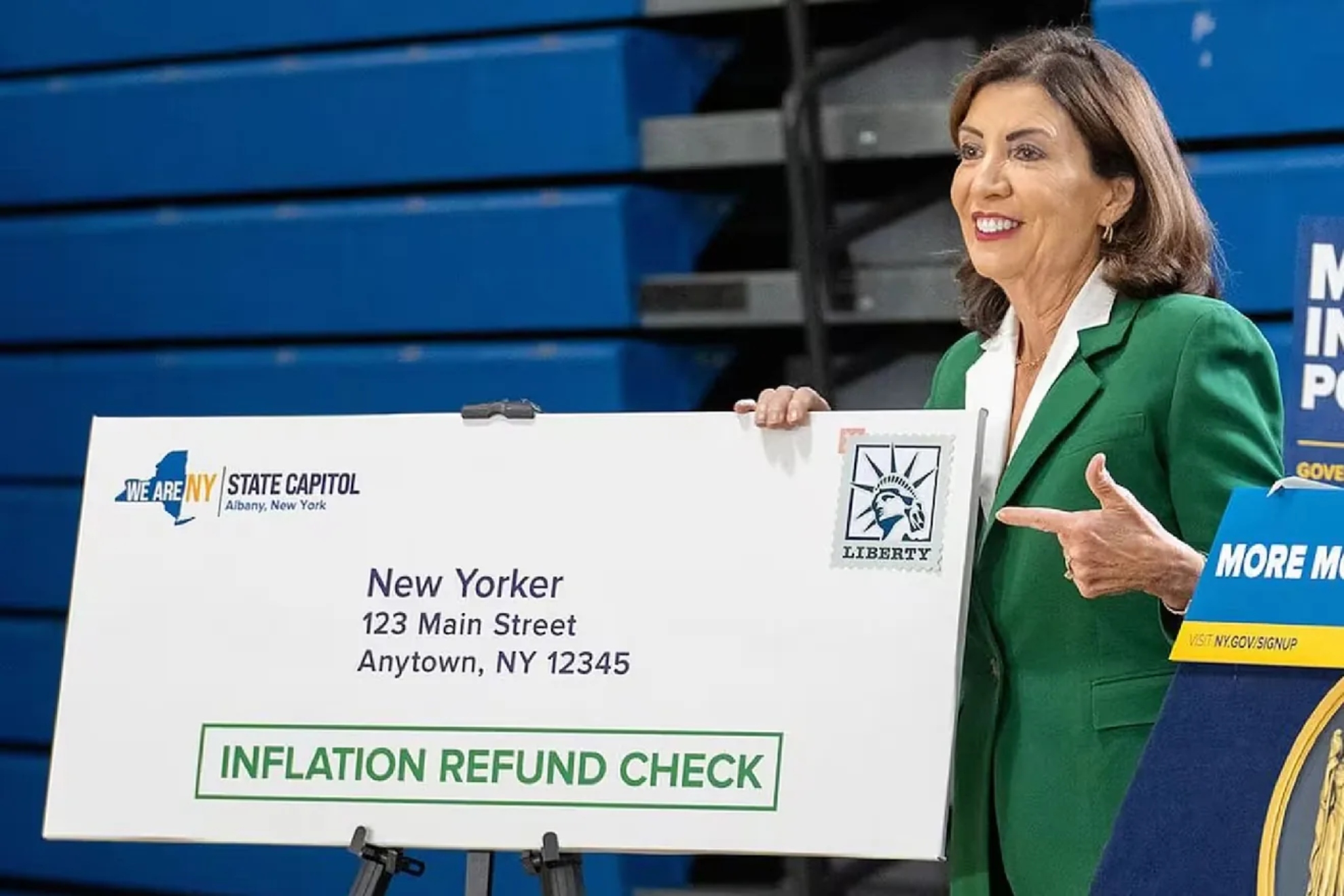
The New York State Department of Taxation and Finance (DTF) managed these disbursements under the authority of the 2024–2025 State Budget. Governor Kathy Hochul and the State Legislature allocated approximately $350 million specifically for a supplemental payment to the Empire State Child Credit. This initiative was not a standalone "stimulus check" in the traditional sense but rather an enhancement of existing tax law structures to provide immediate liquidity to households with children.
Understanding the eligibility for these payments requires a look at how New York defines tax residency and qualifying income. Because these were supplemental payments, if you did not qualify for the base credit on your 2023 tax return (filed in 2024), you were generally ineligible for the supplemental check issued in the 2025 cycle.
Eligibility Requirements for the 2025 Supplemental Empire State Child Credit
The most significant portion of the 2025 New York stimulus activity was tied to the Empire State Child Credit (ESCC). This credit is a refundable tax benefit for New Yorkers with children, and the supplemental payment served as a "top-off" to the standard amount.
Residency and Filing Status
To be eligible for the 2025 supplemental payment, an individual must have been a full-year New York State resident. Part-year residents or non-residents who earned income in New York typically did not qualify for this specific supplemental disbursement, even if they paid New York income taxes.
Furthermore, the taxpayer must have filed a 2023 New York State Income Tax Return (Form IT-201) by the filing deadline (including extensions). The state used the data from the 2023 return to calculate the 2025 check amount. If a taxpayer failed to file or filed a non-resident return (IT-203), they were excluded from the automated payment system.
Income Thresholds and Phase-outs
The Empire State Child Credit is geared toward families within specific income brackets. While the credit does not have a hard "cliff" where eligibility disappears instantly, the amount of the credit—and thus the supplemental payment—gradually reduces as income increases. For the 2025 cycle, the state looked at the Federal Adjusted Gross Income (AGI) from the 2023 tax year.
- Married Filing Jointly: Eligibility generally began to phase out once income exceeded $110,000.
- Single or Head of Household: The phase-out typically began at $75,000.
- Married Filing Separately: The threshold was significantly lower, starting at $55,000.
It is important to note that even if a taxpayer’s income was above these thresholds, they might still have received a partial credit if their income did not exceed the total phase-out limit, which varies based on the number of qualifying children.
Qualifying Dependents and Age Requirements
A "qualifying child" for the 2025 supplemental payment followed the same definitions as the standard Empire State Child Credit. Specifically:
- The child must have been under the age of 17 on December 31, 2023.
- The child must have met the federal requirements for the Child Tax Credit or would have met them if the federal age limit had not been changed by recent federal legislation.
- The child must have a valid Social Security Number (SSN) or Individual Taxpayer Identification Number (ITIN).
The 2025 Earned Income Credit (EIC) Supplement
In addition to the child credit, New York also provided support through the Earned Income Credit (EIC) supplement. This was aimed at the state's lowest-earning workers. Eligibility for this 2025 payment was contingent upon qualifying for the New York State Earned Income Credit on the 2023 tax return.
The NYS EIC is generally equal to 30% of the federal EIC. For the 2025 stimulus cycle, the supplemental payment was often calculated as a percentage (typically 25% to 50%) of the 2023 state EIC amount. To qualify, taxpayers needed to have "earned income" (wages, salaries, or self-employment income) and meet the income limits set by the IRS for the 2023 tax year.
How Much Were the 2025 Checks?
The amount of the check varied significantly based on the taxpayer's initial credit amount from their 2023 return. Unlike federal stimulus checks that were often flat amounts (e.g., $1,200 per person), the New York 2025 payments were proportional.
The following table outlines the estimated supplemental payment ranges for the Empire State Child Credit based on the 2024-2025 budget directives:
| Number of Qualifying Children | Standard 2023 ESCC Range | Estimated 2025 Supplemental Payment (25% - 100% of Base) | Total Potential Benefit |
|---|---|---|---|
| 1 Child | $100 - $330 | $25 - $330 | $125 - $660 |
| 2 Children | $200 - $660 | $50 - $660 | $250 - $1,320 |
| 3 Children | $300 - $990 | $75 - $990 | $375 - $1,980 |
| 4+ Children | $400+ | $100+ | $500+ |
Note: The actual percentage was determined by the Department of Taxation and Finance based on the total number of eligible claimants and the fixed $350 million budget pool. Most families received a supplemental check equal to roughly 25% to 100% of their base 2023 credit.
Distribution Methods and Timelines
One of the most common questions regarding the 2025 New York stimulus was how the money would arrive. The New York DTF utilized two primary methods for distribution: direct deposit and paper checks.
- Direct Deposit: If you received your 2023 tax refund via direct deposit, the state attempted to send the supplemental payment to the same bank account. This was the fastest method, with many payments arriving in late 2024.
- Paper Checks: If the state did not have bank information on file, or if the direct deposit was rejected by the financial institution, a paper check was mailed to the last known address on the 2023 tax return.
Timeline of Events:
- August 2024: Governor's office announced the finalized plan for the $350 million disbursement.
- September – October 2024: The bulk of the supplemental payments were mailed or deposited.
- January – March 2025: Final "cleanup" payments were issued to taxpayers who had filed amended returns or resolved eligibility disputes late in the year.
By the start of 2026, nearly all eligible New Yorkers should have received and processed these payments. If a check was not received by this time, it usually indicated an issue with the underlying tax return or a change of address that was not updated with the DTF.
Troubleshooting Missing or Delayed Payments
For residents who believed they were eligible but did not receive a payment during the 2025 cycle, several factors could have caused the delay.
Unresolved Tax Debts (Offsets)
In many cases, New York State has the authority to "offset" or seize tax rebates to pay for outstanding debts. If a taxpayer owed back taxes to New York State, unpaid child support, or certain other state-mandated debts, the supplemental stimulus check may have been applied to that balance instead of being sent to the taxpayer.
Address Mismatches
If you moved after filing your 2023 tax return in early 2024, your 2025 check might have been sent to your old address. The U.S. Postal Service does not always forward government checks. Taxpayers were encouraged to update their addresses via the New York State Department of Taxation and Finance website to ensure delivery.
Processing Delays for Amended Returns
If you filed an amended return (Form IT-201-X) for the 2023 tax year to claim a missing Child Credit, the processing of your supplemental payment was manually handled and often delayed until well into 2025.
Tax Treatment of 2025 New York Rebates
A critical point of confusion for many was whether the 2025 stimulus check was itself taxable. According to the NY State DTF, these supplemental payments are considered tax-free at the state level. You do not need to report the supplemental Empire State Child Credit as income on your New York State tax return.
However, the federal treatment can be more complex. Generally, state tax rebates are not considered taxable income by the IRS unless the taxpayer deducted their state taxes on their federal return (itemized deductions) and received a tax benefit from that deduction in a prior year. For the vast majority of New Yorkers who take the standard deduction, these stimulus payments are not taxable on the federal level either.
Differences Between Stimulus Checks and STAR Credits
It is vital to distinguish the 2025 stimulus/supplemental payments from the School Tax Relief (STAR) program. While both provide financial relief to New Yorkers, they serve different purposes and have different eligibility rules.
- 2025 Stimulus (ESCC/EIC): Based on income and family size. Aimed at renters and homeowners alike. Issued as a supplemental check or deposit.
- STAR Program: Specifically for homeowners. Provides a reduction in school property taxes. The STAR credit is issued as a check, while the STAR exemption is a reduction in the tax bill.
Eligibility for a 2025 stimulus check did not guarantee eligibility for a STAR credit, and vice versa. Homeowners must ensure they are registered for STAR separately from their income tax filings. Detailed information on STAR can be found on the Official New York State Property Tax page.
Looking Ahead: The 2026 Tax Season and Future Credits
As we navigate the 2026 tax season (filing for the 2025 tax year), New Yorkers should be aware that the "supplemental" nature of the 2025 checks means they were one-time events tied to specific budget surpluses. Unless the New York State Legislature passes new legislation for the 2025–2026 or 2026–2027 fiscal years, taxpayers should not automatically expect a similar "extra" check in 2026.
However, the base Empire State Child Credit and Earned Income Credit remain active. When filing your 2025 tax return in early 2026, ensure you accurately complete:
- Form IT-213: For the Empire State Child Credit.
- Form IT-215: For the Claim for Earned Income Credit.
Accurate filing of these forms is the only way to secure the standard credits, which continue to provide thousands of dollars in relief to New York families annually.
Frequently Asked Questions (FAQs)
1. I had a baby in 2024; was I eligible for the 2025 supplemental check?
Generally, no. The 2025 supplemental payments were based on 2023 tax returns. Because a child born in 2024 would not have appeared on a 2023 tax return, they did not trigger the automated supplemental payment. However, you will be able to claim the standard Empire State Child Credit for that child when you file your 2024 and 2025 tax returns.
2. Is there a separate application for the 2025 New York stimulus?
No, there was no separate application. The New York Department of Taxation and Finance automatically identified eligible taxpayers based on their 2023 IT-201 filings. If you were eligible, the state sent the payment to you without any action required on your part. Beware of scams asking you to "apply" or provide personal information to receive a state stimulus check.
3. What should I do if my 2025 check was lost or stolen?
If you were eligible but your check never arrived or was stolen, you should contact the New York State Tax Department's help line. You may need to file a "check tracer" to have the original check voided and a new one issued. This process can take several weeks to resolve.
4. Are college students eligible for the 2025 New York stimulus?
Eligibility for college students depended on their dependency status. If a student was claimed as a dependent on their parents' 2023 return, the parents may have received a credit if the student was under 17. However, most college students are over 17 and thus did not qualify for the Empire State Child Credit. If a student was independent and qualified for the Earned Income Credit, they might have received that specific supplement.
5. Why was my check smaller than my neighbor's?
The 2025 supplemental payments were calculated as a percentage of your 2023 base credit. Because the base credit is determined by your specific income, filing status, and number of children, the supplemental amount varied from household to household. Higher-income households generally received smaller credits than lower-income households.
Practical Recommendation: Verify Your 2025 Records
As you finalize your records for 2026, your primary action should be to verify that you received all credits you were entitled to during the 2025 disbursement cycle. Review your bank statements from late 2024 through early 2025 for deposits labeled "NYS Tax Refund" or "NYS Child Credit." If you find you were eligible (based on a 2023 AGI under the limits and having qualifying children) but never received the payment, you should log into your NYS Personal Income Tax Online Account to check for any outstanding notices or issues with your 2023 return. Keeping these records organized is essential for resolving any future audits or inquiries from the state.