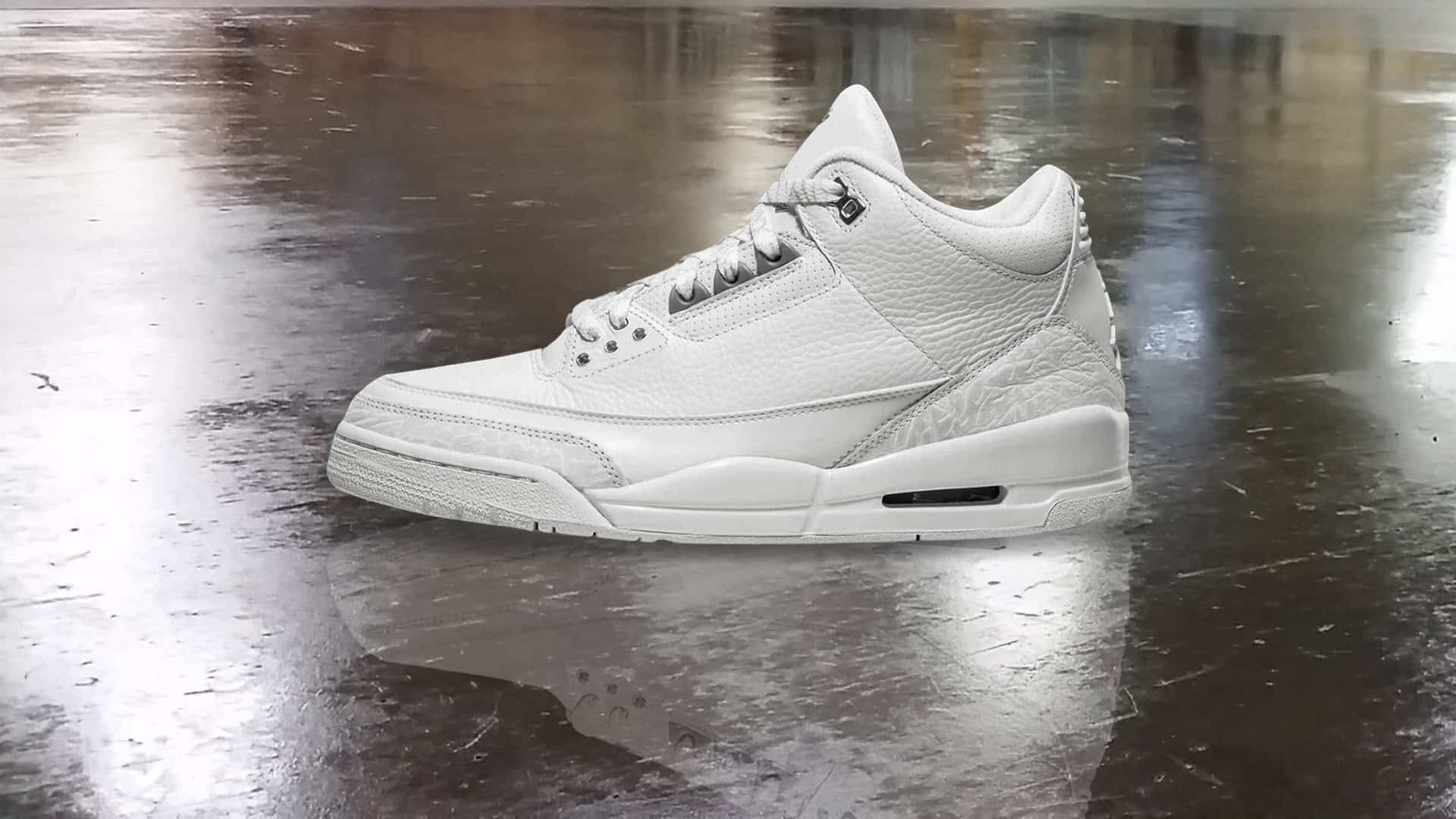
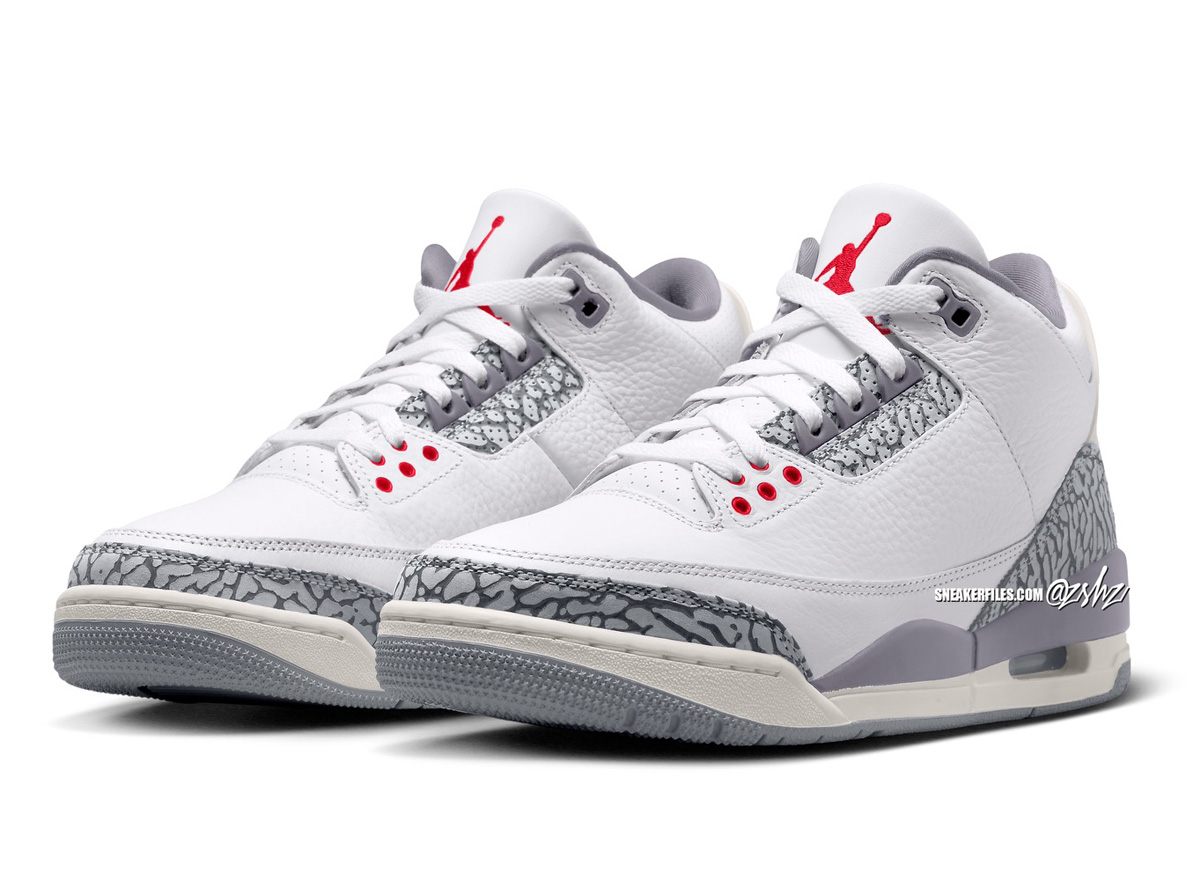
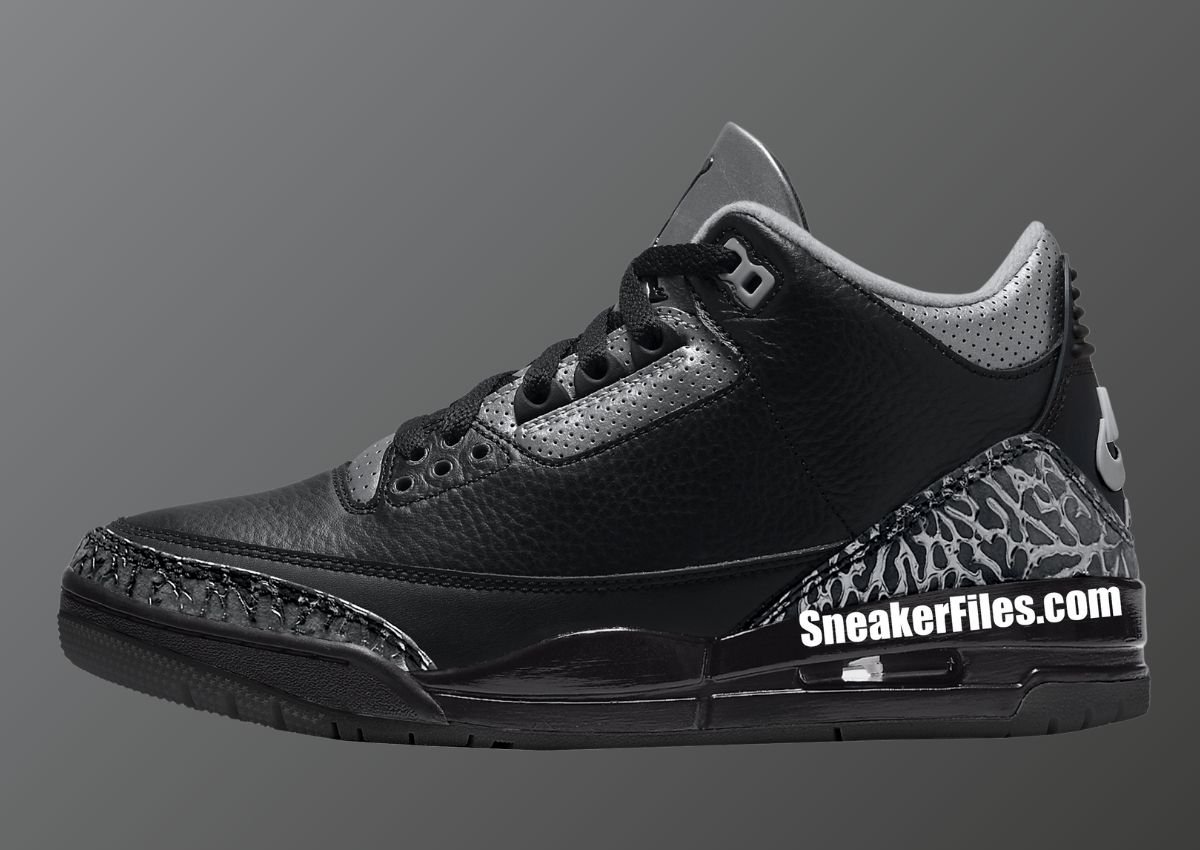
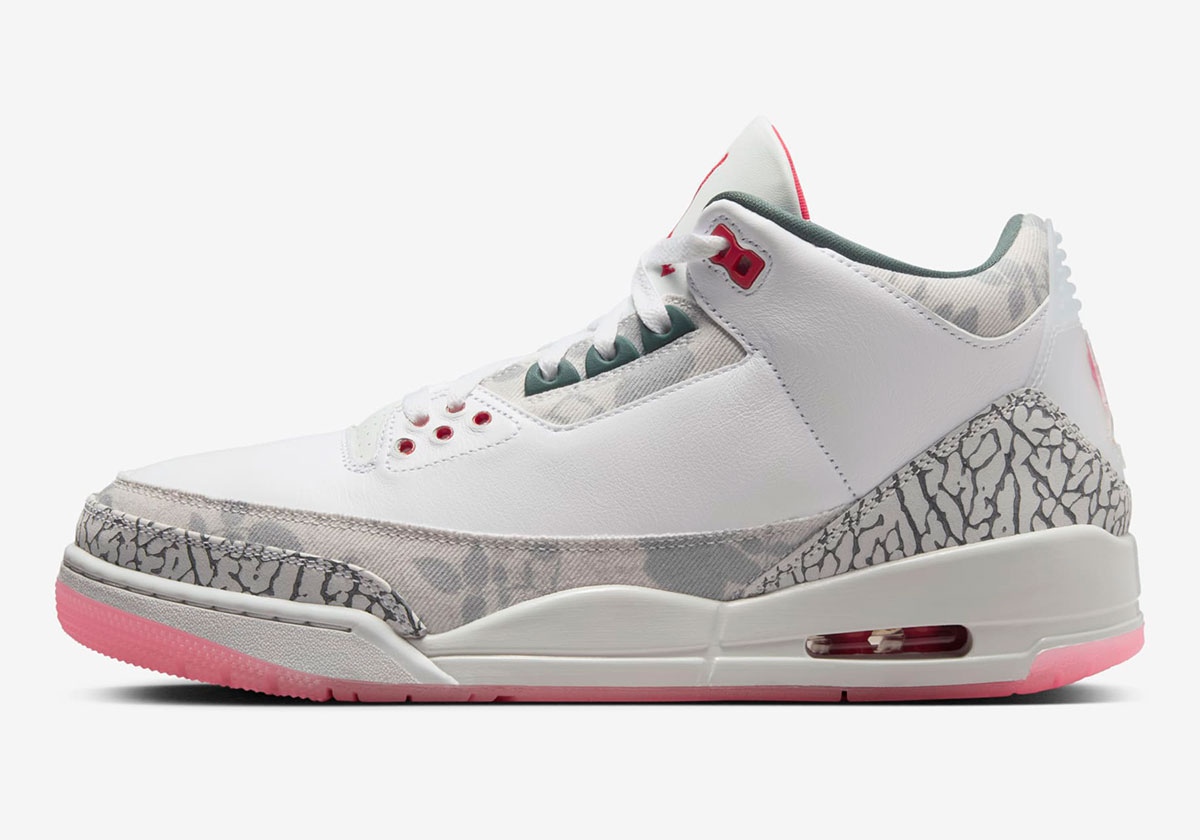
The 2024 Air Jordan 3 release calendar was defined by a strategic blend of heritage colorways, premium material experiments, and targeted collaborations that solidified the silhouette’s status as a cornerstone of sneaker culture. Throughout the year, Jordan Brand prioritized both the archival accuracy of "Original" (OG) aesthetics and the introduction of nuanced, lifestyle-oriented palettes, providing collectors and casual wearers alike with diverse entry points into the model’s storied history.
The Evolution of the Air Jordan 3 in 2024
The Air Jordan 3, originally designed by Tinker Hatfield in 1988, remains one of the most significant silhouettes in the footwear industry due to its introduction of the visible Air unit, the iconic elephant print, and the Jumpman logo. By 2024, the strategy for this model shifted toward balancing retros—which cater to purists seeking to recapture the 1988 spirit—with modern iterations that leverage contemporary material science and color blocking trends.
In 2024, the releases focused on maintaining the "cut" of the shoe—referring to the shape of the mudguard and the height of the collar—to remain as close to the original 1988 specifications as possible. This was a direct response to years of consumer feedback requesting better shape consistency across the brand’s retro catalog.
Significant Releases and Colorway Analysis
The 2024 lineup included several standout models that dominated the secondary market and enthusiast discussions. Each release served a distinct purpose within the brand's quarterly roadmap:
- Air Jordan 3 "White Cement Reimagined" Legacy: While the "Reimagined" series began in previous years, the ripples of its influence continued throughout 2024 as the market saw refinements in how aged aesthetics were applied to mass-produced footwear.
- The "Green Glow" Edition: This release introduced a vibrant, modern accent color to a traditional dark base, demonstrating Jordan Brand’s willingness to experiment with "glow" motifs that deviate from the standard Chicago-inspired color palette.
- Collaborative and Specialized Releases: Limited-edition drops utilized unique textures, such as shaggy suede or varying elephant print depths, moving away from the smooth leather traditionally associated with the 3s.
Technical Specifications and Construction
To understand the 2024 Air Jordan 3, one must look at the technical construction. The primary chassis consists of a polyurethane midsole with a pressurized Air-Sole unit in the heel, which provides the distinctive "bouncy" cushioning characteristic of late-80s basketball shoes.
The 2024 versions generally featured:
- Upper Construction: A mix of full-grain and synthetic leathers, designed for durability and a specific "break-in" period.
- Elephant Print: A synthetic overlay that mimics the appearance of pachyderm skin. In 2024, the application of this print was noted for its consistency in weight and depth compared to previous, more erratic iterations.
- Outsole: A solid rubber outsole with a circular traction pattern, adapted from the original hardwood-performance design to suit daily urban wear.
Comparison Table: Key 2024 Variations
When evaluating the 2024 releases, it is helpful to distinguish between "General Release" (GR) models and "Special Edition" (SE) or collaborative releases.
| Model Name | Material Focus | Primary Color Palette | Release Intent |
|---|---|---|---|
| AJ3 "Green Glow" | Synthetic Leather | Black/Grey/Green | Lifestyle/Trend |
| AJ3 "Fear" (Retro) | Suede/Nubuck | Night Stadium/Total Orange | Archive Reissue |
| AJ3 "Midnight Navy" | Full-Grain Leather | White/Midnight Navy | Traditional Colorblocking |
| AJ3 "Rio" | Premium Suede | Black/Yellow/Gold | Regional/Limited |
Market Impact and Acquisition Strategies
Acquiring these releases in 2024 required a multi-channel approach. Jordan Brand transitioned significantly toward digital-first distribution through the SNKRS application and high-tier partner boutiques.
For the average consumer, the "process" of acquiring a pair evolved into:
- Preparation: Creating accounts on major retail platforms and identifying "authorized retailers."
- Verification: Using trusted sources to confirm release dates, as shipping delays or manufacturing hiccups occasionally caused shifts in the drop calendar.
- Secondary Market: Once the retail window closed, the secondary market served as the primary, albeit more expensive, source. Collectors often used authentication services (such as those integrated into platforms like StockX or GOAT) to verify the authenticity of pairs, as the high demand for specific 2024 colorways led to a surge in high-quality counterfeits.
Addressing Common Enthusiast Questions
Are 2024 Air Jordan 3 releases true to the original 1988 shape? Most 2024 releases feature the "re-engineered" shape that prioritizes a slimmer toe box and a more accurate heel height compared to the boxier shapes seen in the mid-2010s. While not a 1:1 replica of an original 1988 pair, they are considered by experts to be the most accurate "modern" retros to date.
How does the sizing of 2024 Air Jordan 3s compare to other models? The Air Jordan 3 generally runs true to size. However, because the interior lining is generously padded, individuals with wider feet often prefer to go up a half-size to accommodate the initial stiffness of the heel counter and the tongue.
What is the best way to maintain the elephant print on these releases? The elephant print on 2024 models is a synthetic material. It is susceptible to cracking if the leather dries out. Using a leather conditioner on the surrounding leather—avoiding the actual print—and keeping the shoes in a climate-controlled environment (avoiding excessive humidity or direct heat) is the standard recommendation for long-term preservation.
Were there any exclusive 2024 Air Jordan 3s restricted to specific regions? Yes. Some colorways were distributed via "regional exclusivity" or specific "tier-zero" boutiques. These releases often command higher prices on the secondary market due to limited supply and the difficulty of access for global consumers.
How can I verify if an Air Jordan 3 from 2024 is authentic? Authenticity verification should focus on the quality of the stitching, the symmetry of the elephant print overlays, and the presence of a "factory stamp" or production date code inside the shoe. Official retailers remain the only source for guaranteed authentic, non-counterfeit footwear.
Guidance for Collectors and Wearers
The 2024 release cycle was an excellent entry point for new collectors because of the variety in material palettes. If your goal is to build a long-lasting collection, prioritize the "Retro" models that utilize traditional leather, as they tend to age more gracefully than synthetic or heavily dyed suede versions.
When purchasing from the secondary market, always request clear photos of the "size tag" and the box label. Ensure that the seller has a verified reputation. If you are buying to wear, do not be afraid of the "break-in" period; the Jordan 3 is notorious for its rigid heel collar, which requires several wears to become comfortable. Wear thick socks during the first few outings to prevent blisters until the internal padding conforms to your foot shape.
Ultimately, the 2024 Air Jordan 3 releases represent a year where the brand successfully navigated the tension between nostalgia and modern manufacturing, ensuring that the silhouette remains relevant well into the future. By focusing on quality control and recognizable color blocking, the 2024 catalog successfully bridged the gap between the heritage of 1988 and the high-performance standards of the mid-2020s.