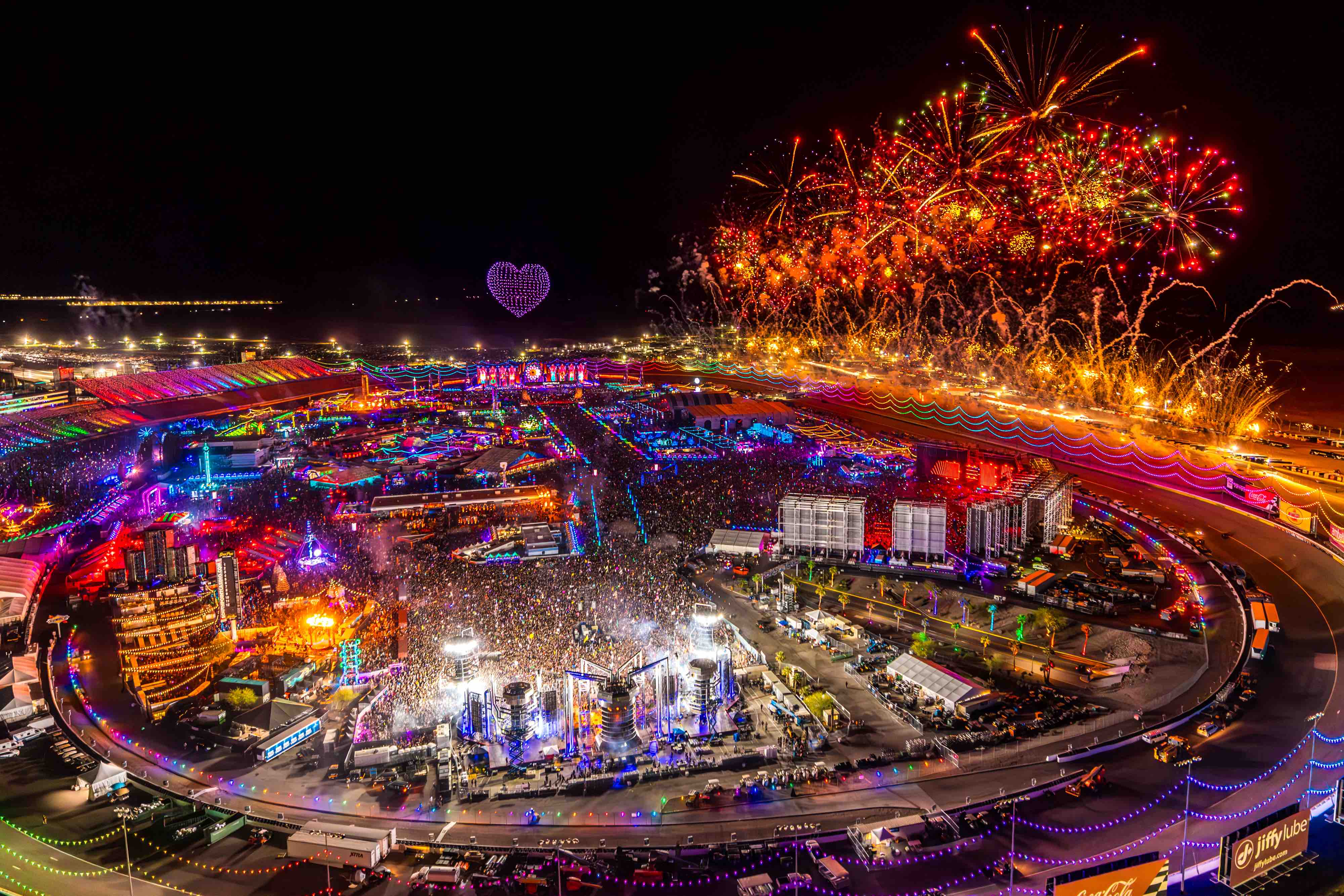
The 2019 Electric Daisy Carnival (EDC) in Las Vegas hosted approximately 465,000 attendees over the course of its three-day run at the Las Vegas Motor Speedway. This massive gathering, produced by Insomniac Events, solidified its position as one of the largest electronic dance music festivals in the world, maintaining high capacity levels through a refined logistics strategy and expansive stage architecture.
Understanding the Scope of EDC Las Vegas 2019
The 2019 iteration of EDC Las Vegas marked a significant milestone for the festival. Held from May 17 to May 19, 2019, the event represented the 23rd edition of the festival and the ninth year it was held at the Las Vegas Motor Speedway. For dance music enthusiasts, the attendance figures are often viewed as a proxy for the health of the electronic dance music (EDM) industry in North America.
With an average of 155,000 attendees per day, the event created a concentrated surge of tourism for the Las Vegas valley. Unlike single-venue indoor concerts, EDC requires a massive logistical undertaking involving transportation, safety, and infrastructure that transforms the speedway into what Insomniac frequently describes as a "temporary city."
Historical Context and Attendance Growth
To understand the significance of the 2019 attendance, it is necessary to look at how the festival evolved. When EDC moved from Los Angeles to Las Vegas in 2011, it began a rapid scaling process. By 2019, the festival had successfully optimized its flow to handle the influx of visitors safely.
The 2019 attendance figures were bolstered by the introduction of several key features that incentivized earlier arrival times and longer stays. Insomniac implemented a variety of camping options, which significantly reduced the pressure on the notoriously difficult traffic routes leading to the speedway. By housing a segment of the population on-site, the festival was able to sustain its high volume of visitors without creating the gridlock that plagued earlier years of the Las Vegas residency.
Logistics and Operational Capacity
The ability to host 465,000 people over three days is not merely a matter of ticket sales; it is a complex engineering challenge. The Las Vegas Motor Speedway provides a unique canvas that allows for immense vertical and horizontal expansion.
Transportation and Traffic Management
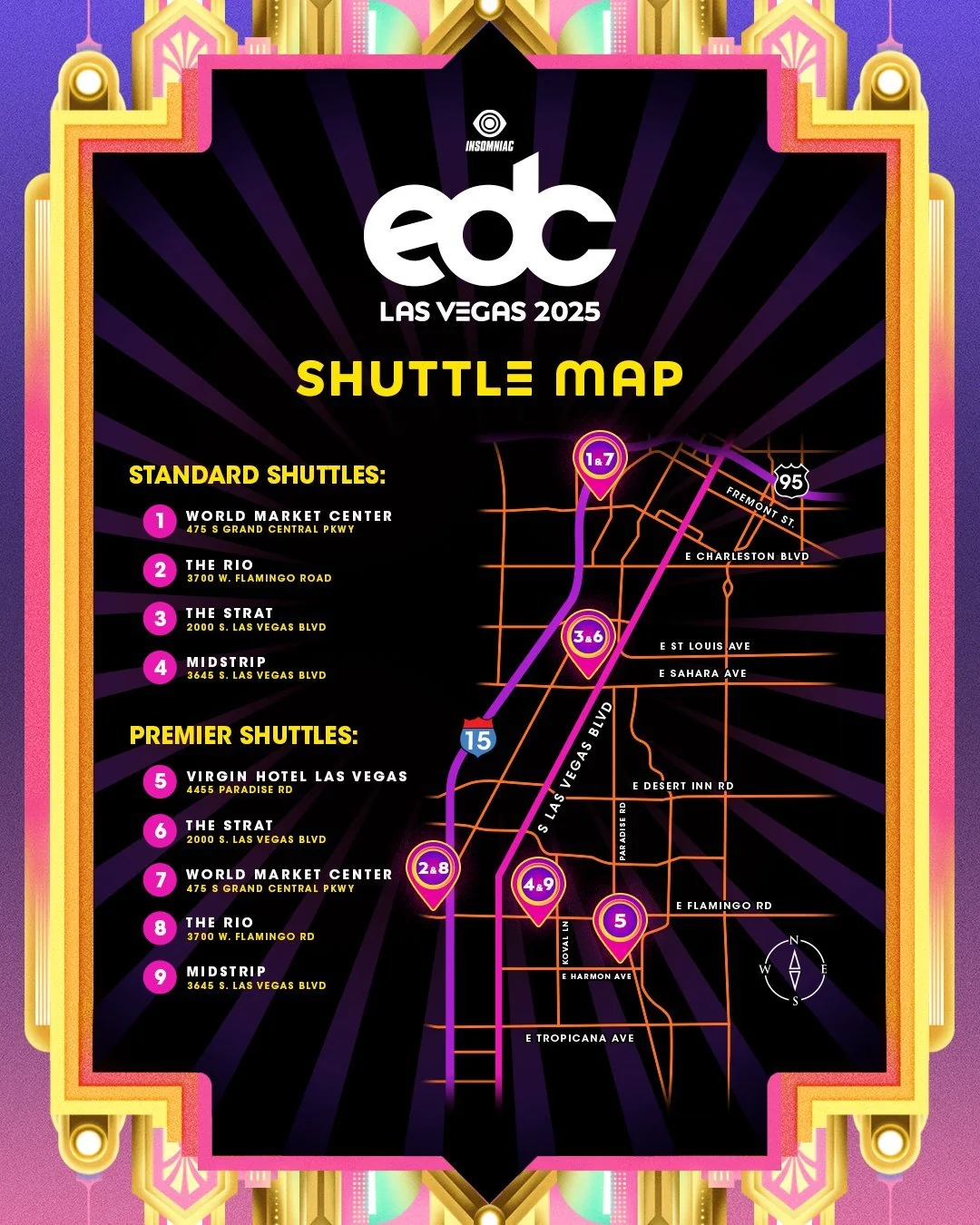
A primary factor in managing the 2019 attendance was the overhaul of the transportation system. With hundreds of thousands of people moving to and from the Strip, the reliance on the shuttle program became the backbone of the event's logistics. In 2019, the organizers prioritized dedicated lanes for shuttles, significantly decreasing the travel time for the thousands of fans who opted for public transit over personal vehicles.
On-Site Camping Initiatives
The "Camp EDC" initiative, which had been introduced in the preceding years, matured by 2019. It provided an immersive experience that allowed fans to remain on the speedway grounds for the duration of the event. This served a dual purpose:
- Logistical Relief: Reduced the number of cars on the I-15 highway.
- Cultural Enhancement: Provided a 24-hour programming environment that extended the festival experience beyond the standard night hours.
Measuring Success: Metrics Beyond Attendance
While the 465,000 figure is the primary metric for attendance, it is often contextualized by other operational markers. In 2019, the festival expanded its footprint to include more art installations, high-tech stage designs, and interactive environments. These elements were necessary to prevent overcrowding in any single area of the speedway.
The distribution of the crowd is a key technical aspect of the festival. By placing eight distinct stages—such as KineticFIELD, CircuitGROUNDS, and NeonGARDEN—in geographically strategic locations, Insomniac successfully managed the flow of humanity. This architectural dispersion is the reason why 155,000 people can occupy the same venue simultaneously without the event feeling insurmountable or dangerous.
Comparative Overview of Event Logistics
The following table outlines the key operational elements that allowed the 2019 festival to accommodate such a large volume of guests effectively.
| Feature | Role in Capacity Management | Impact on Attendee Experience |
|---|---|---|
| Stage Dispersion | Prevents localized congestion | Allows diverse musical sub-genres to breathe |
| On-site Camping | Reduces transit strain | Increases engagement time |
| Dedicated Shuttle Lanes | Minimizes traffic gridlock | Improves arrival and departure efficiency |
| Art Installations | Creates "dwell space" | Decreases foot traffic bottlenecks |
Safety and Security Protocols
Managing an attendance of this magnitude requires rigorous safety protocols. In 2019, the security infrastructure was designed to handle high-density crowds. This involved the use of trained security personnel, medical tents stationed throughout the venue, and the "Ground Control" team—a group of staff members dedicated specifically to the well-being and hydration of the attendees.
The coordination between private security and the Las Vegas Metropolitan Police Department ensured that the massive influx of people remained orderly. From a technical standpoint, the event employed wide corridors and clearly marked ingress and egress points, which are mandated by local ordinances to ensure that even at peak capacity, evacuation routes remain clear.
Economic Impact on Las Vegas
The 2019 attendance figures had a quantifiable impact on the local economy. Studies conducted around that time suggested that EDC contributes hundreds of millions of dollars annually to the local economy. This includes spending on hotel accommodations, local dining, and pre-festival activities along the Las Vegas Strip.
Because the event attracts a significant international audience, the 2019 attendance was not just a local statistic but a major contributor to the tourism industry of Nevada. The influx of nearly half a million people, many of whom stay for five or more days, provides a distinct "shoulder season" boost for the local hospitality industry.
Addressing Common Questions Regarding Attendance
When discussing the scale of the 2019 event, several questions arise regarding how these numbers are calculated and what they mean for the attendee experience.
How does Insomniac track the total attendance?
Attendance is calculated based on unique ticket holders who scan in throughout the weekend. The 465,000 figure represents the cumulative total across all three days. Because many attendees purchase three-day passes, they are counted each day they enter the gates. This is a standard industry practice for multi-day festivals.
Did the 2019 attendance affect the atmosphere?
While 155,000 people per day is a substantial number, the sheer scale of the Las Vegas Motor Speedway ensures that the crowd is spread across a massive landscape. Most attendees report that the festival feels expansive rather than claustrophobic, provided they move between stages at strategic times.
Is it difficult to navigate a crowd of that size?
Navigating a crowd of 150,000+ requires planning. Peak times usually occur during the transition between major headlining acts on the main stage. Experienced attendees often navigate the festival by avoiding the center of the main stage during the absolute peak of the night, opting instead for the peripheral viewing areas or smaller, themed stages.
Why was 2019 considered a high-water mark for the event?
2019 is often cited because it was the last full-scale, unobstructed iteration of the festival before the global disruptions of the early 2020s. It represented the peak of the festival's organizational efficiency and the height of its production quality before the landscape of large-scale events shifted in the following years.
Expert Guidance for Future Planning
For those interested in large-scale event attendance patterns, the 2019 EDC Las Vegas case study highlights that infrastructure is just as important as the musical lineup. If you are planning to attend similar mega-festivals in the future, consider the following strategies:
- Prioritize Logistics: Always favor official shuttles or on-site camping over individual car travel.
- Study the Map: Familiarize yourself with the layout of the venue. Knowing the distance between stages allows you to manage your time and avoid the "bottlenecks" that occur during stage changes.
- Stay Hydrated and Informed: Use the official festival app for real-time updates on crowd density and stage status.
- Engage with the Environment: Do not focus solely on the main stage. The secondary stages often offer better sound quality and more personal space when the main stage reaches peak capacity.
The 2019 EDC Las Vegas event serves as a benchmark for how electronic music festivals can scale their operations to meet massive demand while maintaining safety and accessibility. By integrating on-site living, robust transportation, and intelligent stage placement, the organizers successfully transformed a venue into a city for 465,000 visitors.