In California, Common Interest Developments (CIDs), including Condominium Owners Associations (COAs), Planned Owners Associations (POAs), and Homeowners Associations (HOAs), are generally classified as employers if they hire employees. Under the California Labor Code as it stood in 2018 and persists today, any organization that employs even one person—whether full-time, part-time, or seasonal—must maintain a valid workers' compensation insurance policy to cover work-related injuries or illnesses.
For many California HOAs, the question of whether they qualify as an employer often hinges on the distinction between direct employees, independent contractors, and volunteers. Because the legal obligations surrounding workers' compensation are strictly enforced by the Department of Industrial Relations (DIR), associations must conduct a thorough audit of their labor practices. Failure to secure this coverage not only exposes the association to significant financial penalties and civil litigation but also creates personal liability risks for individual board members if the entity is not properly shielded.
Understanding the Legal Framework for California Associations
The governing documents of an association—the Covenants, Conditions, and Restrictions (CC&Rs) and the Bylaws—often grant the board of directors the authority to hire staff. Whether the association hires an on-site property manager, a maintenance technician, a pool attendant, or a security guard, that association becomes an employer in the eyes of the California Division of Workers' Compensation (DWC).
As of 2018, the statutes governing this requirement remained consistent with long-standing California labor law: employers are mandated to secure insurance through a licensed carrier or via an approved self-insurance program. The intent of this law is to provide a "no-fault" system, meaning that if an employee is injured on the job, the insurance covers medical expenses and lost wages regardless of who was at fault for the accident. In exchange for this coverage, employees generally give up the right to sue the employer for negligence, providing a layer of protection for the HOA.
The Employer-Employee Relationship vs. Independent Contractors
A frequent point of confusion for HOAs is the classification of workers. Associations often outsource tasks such as landscaping, pool cleaning, or accounting to external companies. In these cases, the service providers are typically independent contractors, not employees. The legal test used by the state to determine this status is complex, focusing heavily on the degree of control the association exerts over the worker's methods and schedule.
If an HOA provides the tools, sets the specific hours, and dictates the precise manner in which work is performed, the worker may be classified as an employee, regardless of what a contract labels them. If an association is found to have misclassified employees as independent contractors, the association remains liable for workers' compensation premiums, potential back-taxes, and penalties under the 2018 standards and current regulations.
Coverage Requirements for Volunteers and Board Members
A common misconception is that HOAs do not need insurance because they are comprised of volunteers. While unpaid board members are generally not considered employees, there are nuances. If an association provides a "stipend" or any form of compensation—even if it is intended to reimburse expenses—the lines can blur.
In California, while true volunteers are typically exempt from workers' compensation requirements, associations should tread carefully. If an association creates an environment where a volunteer is performing work that mimics the duties of a paid employee, the association might face scrutiny. Legal counsel often advises that associations maintain a "Voluntary Compensation Endorsement" on their policy, which can provide coverage for volunteers in the event of an injury, effectively closing this liability gap.
Identifying the Risks of Non-Compliance
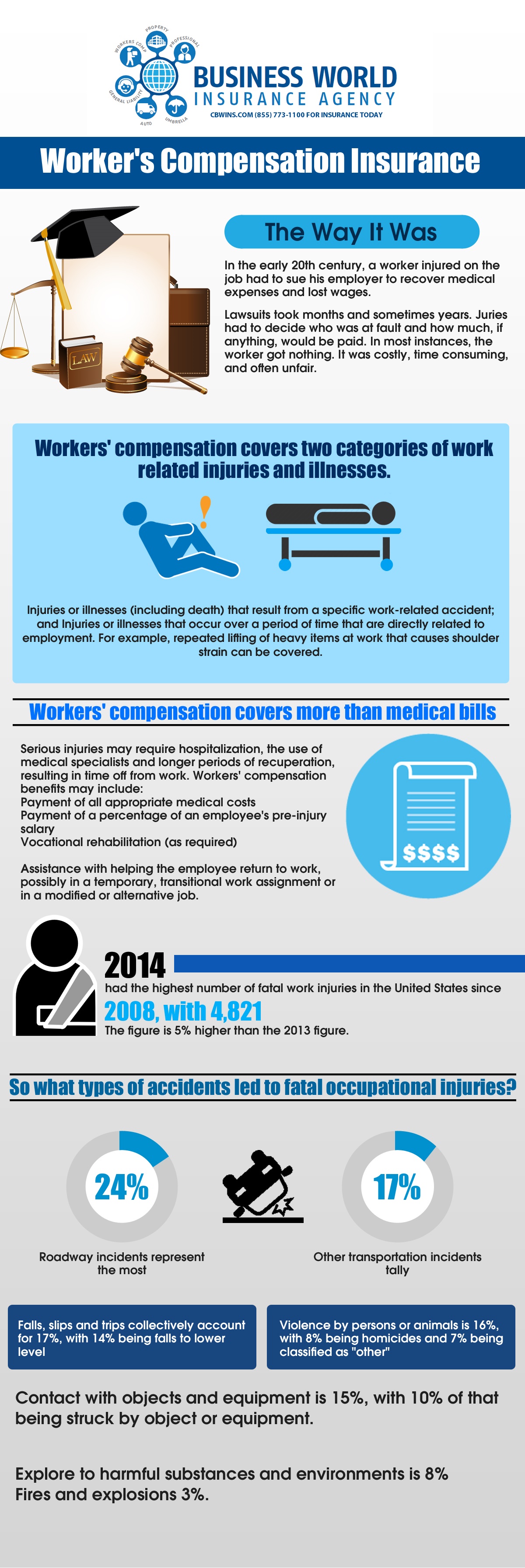
The state of California treats the failure to carry workers' compensation insurance as a severe offense. In 2018, as is the case today, the DIR utilized the Uninsured Employers Benefits Trust Fund (UEBTF) to pay claims for injured workers whose employers failed to provide insurance. The state then pursues the employer for reimbursement, plus hefty interest and penalties.
The financial risk to the association includes:
- Stop Orders: The DIR can issue a "stop order," effectively shutting down all business operations at the common interest development until proof of insurance is provided.
- Civil Penalties: Associations may be subject to fines that escalate based on the length of time they remained uninsured.
- Personal Liability: If the association is not properly incorporated or if the board acted with gross negligence, individual board members could potentially be held personally liable for a portion of the damages.
Determining the Cost of Coverage
The cost of workers' compensation insurance for an HOA is based on the "payroll" of the employees and the specific "class codes" assigned to their duties. A maintenance worker who uses heavy machinery carries a higher risk and therefore a higher premium rate than an administrative assistant working in an association office.
Associations should expect the following factors to influence their annual premiums:
- Experience Modification (Ex-Mod): This is a rating based on the association's history of claims. A safer workplace leads to a lower Ex-Mod, reducing costs.
- Payroll Size: The total remuneration paid to employees.
- Carrier Selection: Different insurance companies have different appetites for insuring HOAs, and comparing quotes is a critical annual task.
Table: Comparison of Coverage Considerations for HOAs
| Entity Category | Employee Status | Insurance Requirement | Typical Risk Factor |
|---|---|---|---|
| On-site Manager | Employee | Mandatory | Low to Moderate |
| Maintenance Staff | Employee | Mandatory | High |
| Board Member | Volunteer | Optional (Endorsement) | Low |
| Landscape Firm | Contractor | N/A (Vendor carries own) | High (Firm's liability) |
| Security Agency | Contractor | N/A (Agency carries own) | High (Agency's liability) |
Best Practices for Verification and Maintenance
To ensure an association remains compliant, the board should adopt a policy of verification for all contractors. Even if an association does not have direct employees, they should never allow an outside vendor onto the property without collecting a Certificate of Insurance (COI). This certificate proves that the vendor has their own workers' compensation policy and general liability insurance.
The board should also perform an annual audit of their own labor needs. If the association decides to stop using a contractor and starts hiring someone directly to handle repairs, they must notify their insurance broker immediately. Adding an employee to the payroll without updating the insurance policy is a primary cause of compliance failure.
Troubleshooting Common Issues
If an association finds itself in a situation where it has been operating without coverage, immediate action is required. Retroactive insurance is difficult to obtain and expensive. The board should consult with a specialized association insurance broker or an attorney familiar with the California Davis-Stirling Common Interest Development Act to understand their specific exposure.
Common troubleshooting steps:
- Review Contracts: Ensure that all vendor agreements require the vendor to provide evidence of workers' compensation insurance naming the HOA as an additional insured.
- Audit Payroll: Periodically review the classification of any individual receiving payment from the association to ensure they are not inadvertently deemed employees.
- Documentation: Maintain a file of all certificates of insurance and correspondence with insurers for at least seven years, as legal claims can emerge long after an injury occurs.
Frequently Asked Questions
1. Does our association need workers' compensation if we only hire one part-time office administrator? Yes. California law requires workers' compensation insurance for all employers, regardless of the number of hours worked. If an individual is on your payroll, you are an employer and must provide coverage.
2. Are we responsible for the injuries of a landscaper who falls off a ladder while working on our property? Generally, no, if the landscaper is an employee of a licensed, insured landscaping company. However, if that person is an independent contractor without their own insurance, or if they are misclassified, the association could be held liable. Always verify insurance before hiring.
3. What if our board members do all the work themselves? If the board members are truly volunteers and receive no compensation (including no waived HOA dues or expense reimbursements that function as pay), they are likely not considered employees. However, check with your association's legal counsel to ensure your internal rules do not create an accidental employer-employee relationship.
4. How do I prove we are in compliance? You should maintain a current "Certificate of Workers' Compensation Insurance" provided by your insurance carrier. This document should be kept in the association’s official records. Your property management company may also track these documents on your behalf.
5. Does the Workers' Compensation Insurance policy cover damage to the association's property? No. Workers' compensation is specifically for the medical and wage-loss needs of injured employees. Property damage is covered under your association’s General Liability and Property Insurance policies. These are distinct products and must be purchased separately.
Final Recommendation
The board of directors holds a fiduciary duty to protect the association from unnecessary risk. Because workers' compensation requirements are non-negotiable under California law, the most prudent course of action is to have your current insurance broker conduct a "gap analysis." This involves comparing your current list of staff and contractors against your active insurance policies to ensure there is no exposure. If you use external vendors, ensure that your association’s management company has a process for collecting and verifying current certificates of insurance annually, as these policies expire and must be renewed by the vendors.