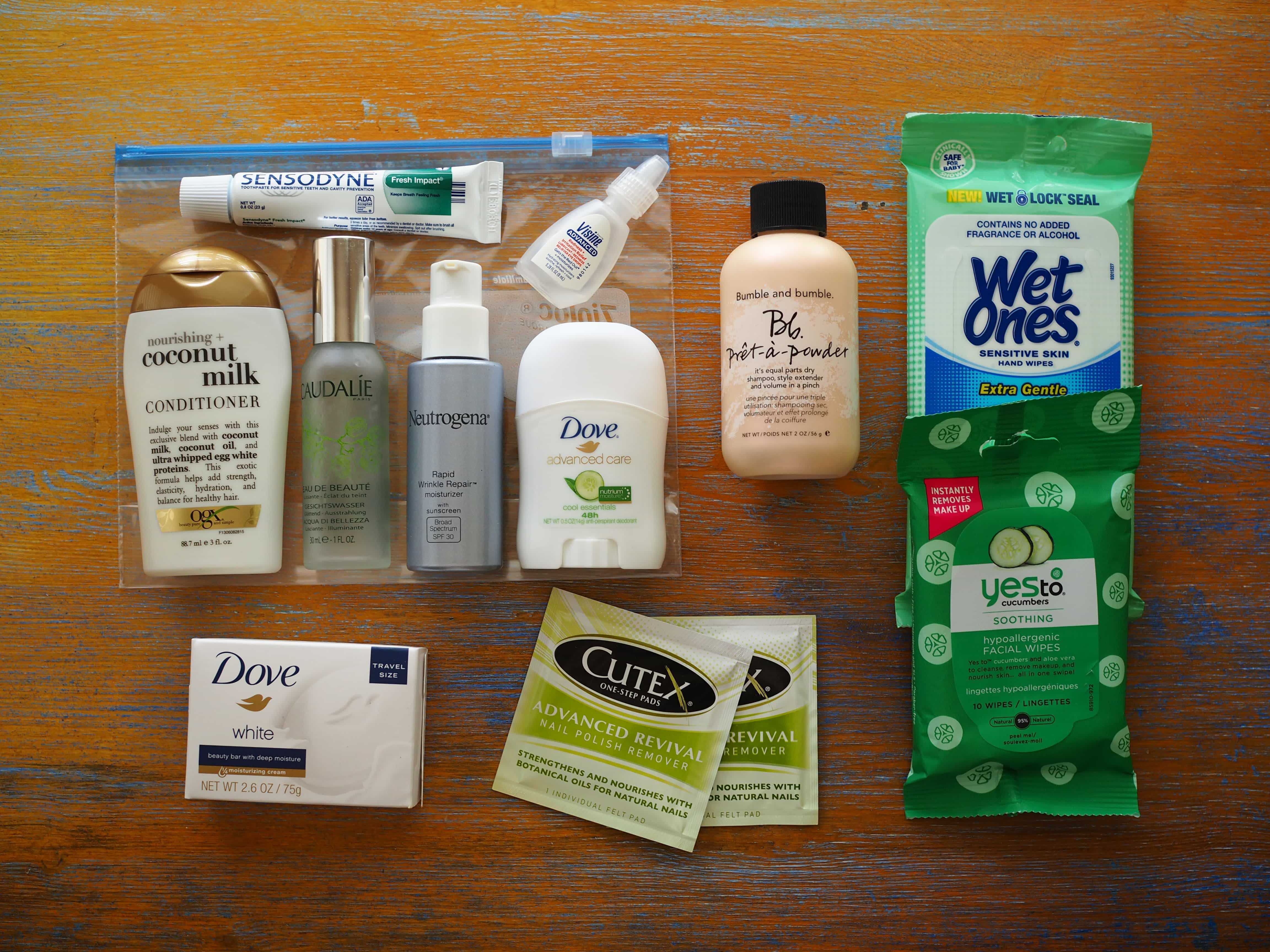
The 2018 TSA liquids carry-on regulations established the framework for the "3-1-1" rule that remains the standard for air travel security screenings today. Travelers are restricted to liquids, gels, and aerosols in containers of 3.4 ounces (100 milliliters) or less, all of which must fit into a single, clear, quart-sized, resealable plastic bag per passenger. This policy was designed to standardize screening protocols across all Transportation Security Administration (TSA) checkpoints and remains the primary protocol for domestic and international flights departing from United States airports.
The Foundation of the 3-1-1 Rule
To navigate airport security efficiently, it is essential to understand the logic behind the "3-1-1" directive, which was solidified in its current form well before 2018. The policy serves as a risk-mitigation strategy to ensure that potentially volatile substances cannot be combined in quantities large enough to pose a significant security threat during flight.
- 3: Containers must hold 3.4 ounces (100 milliliters) or less. It is important to note that the limit applies to the capacity of the container, not the amount of liquid inside. Even if a 6-ounce bottle is only half full, it will generally be rejected at a standard checkpoint because the container itself exceeds the 3.4-ounce threshold.
- 1: All containers must fit inside a single, transparent, quart-sized, resealable bag. The transparency requirement is vital, as it allows TSA officers to inspect the contents of the bag without needing to handle each individual item, thereby speeding up the screening process.
- 1: Each traveler is limited to exactly one of these bags.
By adhering to these dimensions, passengers ensure they remain in compliance with federal aviation security standards, reducing the likelihood of baggage searches or the forced disposal of personal items at the security lane.
Categorizing Liquids, Gels, and Aerosols
A common point of confusion for travelers involves the definition of what constitutes a "liquid." Under TSA regulations, the definition is broad. It includes not just beverages, but any substance that conforms to the shape of its container, such as pastes, creams, gels, and pressurized aerosols.
Common items subject to the 3-1-1 rule include:
- Toiletries: Toothpaste, mouthwash, shampoo, conditioner, hair gel, perfume, and lotion.
- Cosmetics: Liquid foundation, mascara, lip gloss, and nail polish.
- Food Items: Peanut butter, jelly, yogurt, hummus, salsa, and cream cheese. If the item can be spread, pumped, or squeezed, it is treated as a liquid.
- Medical Liquids: Prescribed medications and over-the-counter liquids often have different rules, which are discussed in the section on exemptions below.
If you are unsure whether an item qualifies, the safest approach is to pack it in your checked luggage rather than your carry-on. Items exceeding the size limit that are discovered during the X-ray screening process must be discarded, as TSA officers cannot hold them for later pickup.
Exemptions and Special Circumstances
Not every liquid-based item is subject to the 3.4-ounce limit. The TSA provides specific allowances for items that are medically necessary or essential for the care of infants and children. Understanding these exemptions can save travelers considerable time and prevent the loss of expensive or vital goods.
Medically Necessary Liquids
Passengers are permitted to bring medications in quantities larger than 3.4 ounces if they are medically necessary. This includes prescription medications, essential non-prescription liquids like saline solution for contact lenses, and glucose monitoring supplies.
When traveling with these items, you are not required to place them inside your quart-sized bag. However, you must inform the TSA officer at the start of the screening process that you are carrying medically necessary liquids. These items will be subject to additional screening, which may involve manual inspection or, in some cases, chemical testing of the container's exterior. To facilitate this, it is recommended to keep medications in their original, labeled packaging.
Infant and Child Care
Parents or guardians traveling with children under the age of two are entitled to carry larger quantities of breast milk, formula, and juice. While there is no strict volume limit on these items, they must still be declared to the security officer. Similar to medical exemptions, these items will undergo additional screening. You do not need to have the child present to transport these items, but the rule specifically applies to those traveling with children in that age range.
Comparative Summary of Liquid Regulations
| Item Category | 3.4 oz / 100 ml Limit | Bag Required | Declaration Required |
|---|---|---|---|
| Toiletries/Cosmetics | Yes | Yes | No |
| Solid Foods | No | No | No |
| Spreads/Pastes/Gels | Yes | Yes | No |
| Prescribed Medication | No | No | Yes |
| Breast Milk/Formula | No | No | Yes |
Note: The table above reflects standard checkpoint protocols. Special circumstances may alter how these items are processed.
Strategies for Packing and Compliance
Mastering the 3-1-1 rule is largely a matter of organization. Because the quart-sized bag must be clear and resealable, choose a durable bag that will not tear or lose its seal after multiple trips. Many travelers opt for dedicated toiletry kits designed specifically to accommodate the 3.4-ounce regulation.
Tips for Success:
- Transfer to Travel Containers: Purchase high-quality, reusable silicone or plastic travel bottles. If you have full-sized products you prefer, decant them into smaller containers well before arriving at the airport.
- Organization: Place your quart-sized bag at the top of your carry-on luggage or in an exterior pocket. When you reach the security bin, removing one bag is significantly easier than digging through your belongings.
- Check for "Hidden" Liquids: Remember that items like aerosolized deodorant, hairspray, and even some types of chocolate or creamy snacks count toward your volume limit.
- Avoid Prohibited Items: While liquids are regulated, some items are outright prohibited in carry-on luggage, such as large scissors, tools, or flammable chemicals. The 3-1-1 rule only governs the liquid volume; it does not authorize the carriage of dangerous goods.
Common Troubleshooting and Screening Issues
Even when you follow the rules, the airport security process can occasionally lead to unexpected complications. Understanding the "Why" behind potential delays can help you remain calm and compliant.
If an alarm is triggered by your carry-on bag during the X-ray, the most common reason is an obscured liquid item. If a container is placed behind another dense object, the X-ray may not be able to identify the contents, requiring a manual search. By ensuring all your liquids are in a single, uncrowded, clear bag, you minimize the likelihood of this happening.
If you are asked to remove your bag for secondary screening, cooperate fully. Officers are trained to identify anomalies, and a polite inquiry about the status of your bag is generally welcomed, provided it is done respectfully. Always ensure that the liquids in your bag are clearly labeled or in their original packaging to assist officers during an inspection.
Frequently Asked Questions
What happens if I forget to remove my liquids from my carry-on? If you leave your liquids in your carry-on, you may be pulled aside for a bag search. This will delay your passage through the security checkpoint. While it rarely results in confiscation if the items are within the limits, it will certainly slow down the line and may require you to unpack and repack your bag.
Are there different rules for international flights? While the 3-1-1 rule is standard for domestic flights in the United States, international regulations can vary significantly. If you are flying back to the U.S. from a foreign airport, you must adhere to the rules of that local aviation authority. Furthermore, duty-free liquids purchased abroad may be subject to different screening procedures when you transfer to a domestic flight.
Does a stick deodorant count as a liquid? No, a solid stick deodorant is generally considered a solid, not a liquid, gel, or aerosol. Consequently, it does not need to be placed in your quart-sized bag. However, spray or gel deodorants are strictly governed by the 3.4-ounce rule.
Can I bring an empty water bottle through security? Yes. The regulation specifically targets the liquid contents of the container. You are encouraged to bring an empty reusable bottle through the checkpoint and fill it at a water station on the other side. This is an excellent way to maintain hydration without violating security protocols.
Is it okay to bring a container that is 3.5 ounces? Technically, no. The regulation specifies 3.4 ounces (100 ml) or less. A container marked as 3.5 ounces or larger will likely be rejected by the officer, regardless of how much liquid is actually inside, because the physical size of the container exceeds the established limit.
Final Next Steps for Travelers
Before your next flight, conduct a "pre-flight audit" of your carry-on luggage. Remove any liquids that exceed the 3.4-ounce threshold and move them to your checked luggage or leave them at home. Ensure your liquid items are consolidated into one clear, quart-sized bag and that this bag is easily accessible. By preparing your luggage according to these established standards, you not only ensure compliance but also contribute to a smoother, faster security experience for yourself and your fellow travelers. When in doubt, consult the official TSA website for the most recent updates on prohibited items, as security policies can be adjusted in response to emerging threats or global conditions.