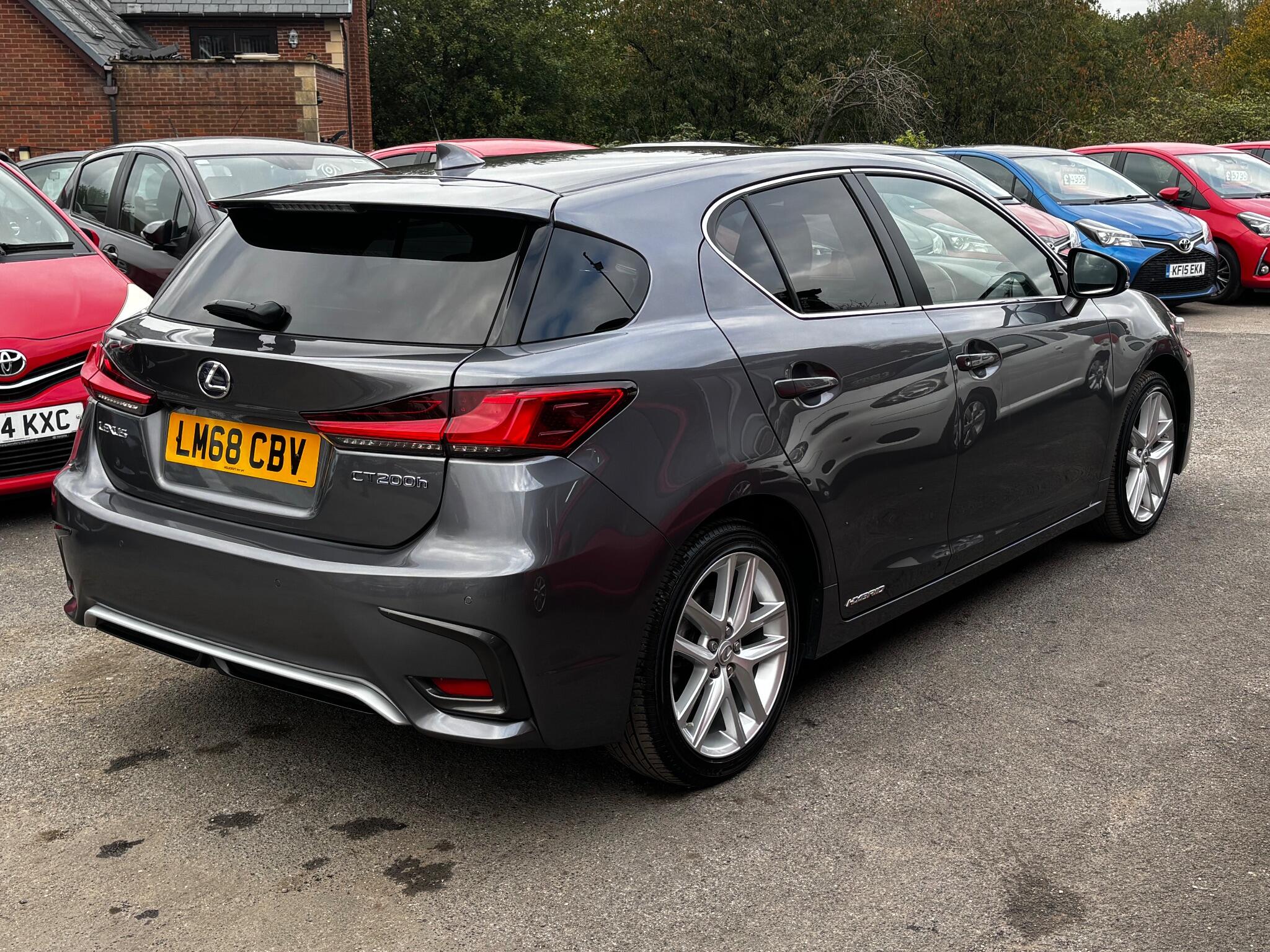
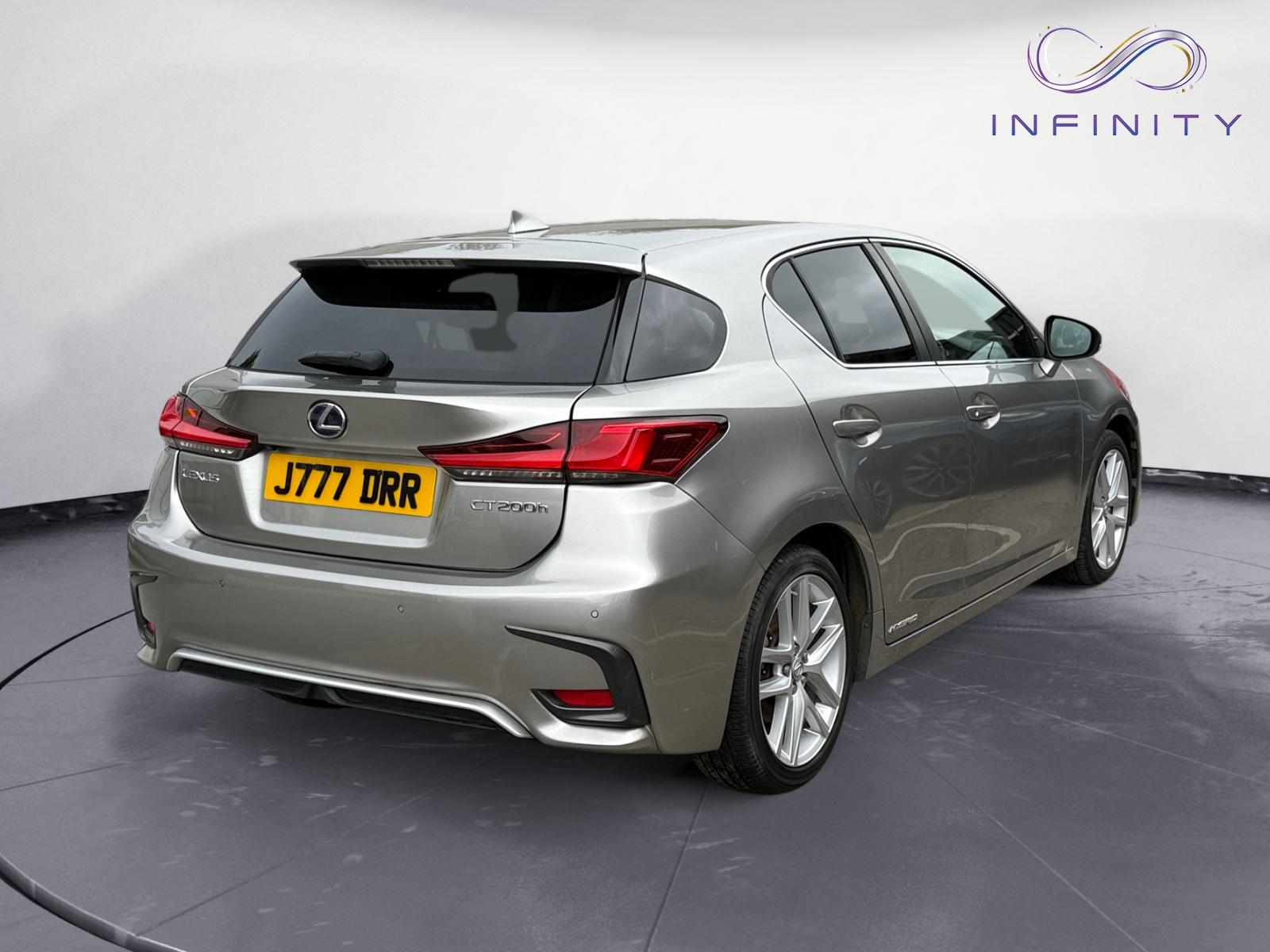
The 2018 Lexus CT200h hatchback represents a unique chapter in the luxury automotive landscape, combining a highly efficient hybrid powertrain with a versatile five-door hatchback body style. Although Lexus withdrew the CT200h from the North American market after the 2017 model year, the vehicle continued its production run in Europe, Japan, and other international markets through 2020. This model year stands out as the final evolution of the nameplate in regions where it remained available, featuring revised exterior styling, updated safety technologies, and an interior centered on fuel economy and refined daily usability.
Introduction to the 2018 Lexus CT200h Hatchback
Discerning buyers looking at used or imported compact luxury cars often encounter the Lexus CT200h. Launched initially as a 2011 model, the CT200h was engineered to bring hybrid efficiency into the entry-level luxury segment. By 2018, the vehicle had undergone its second major refresh, which included a heavily revised spindle grille, distinctive triple-beam-style LED headlights, and revised rear lighting elements that brought its exterior aesthetic closer to the brand's contemporary design language.
Understanding the appeal of this hatchback requires examining its mechanical roots, which it shared with the third-generation Toyota Prius. However, Lexus focused heavily on distinct dynamic tuning, interior material quality, and sound insulation to differentiate the CT200h from its mass-market sibling. For drivers prioritizing fuel economy, urban maneuverability, and premium cabin appointments without the bulk of a crossover SUV, the 2018 model offers a compelling alternative in the secondary market.
Powertrain, Performance, and Hybrid Efficiency
At the heart of the 2018 Lexus CT200h is a 1.8-liter four-cylinder Atkinson-cycle gasoline engine paired with an electric motor, drawing power from a nickel-metal hydride battery pack. This system delivers a combined total output of 134 horsepower through an electronically controlled continuously variable transmission (e-CVT) driving the front wheels.
| Specification Element | Detail / Measurement |
|---|---|
| Engine Type | 1.8L 4-Cylinder Atkinson-cycle |
| Electric Motor | Permanent magnet synchronous motor |
| Net Horsepower | 134 hp (99 kW) |
| Transmission | Electronically controlled CVT (e-CVT) |
| Drivetrain | Front-wheel drive (FWD) |
| EPA Fuel Economy | 43 city / 40 highway / 42 combined mpg (US est) |
| Battery Type | Nickel-Metal Hydride (Ni-MH) |
While 134 horsepower does not translate to straight-line speed—0 to 60 mph takes approximately 10 seconds—the powertrain excels in stop-and-go city environments. Drivers can select from four distinct drive modes via the center console dial: Eco, Normal, Sport, and EV.
- Eco Mode: Dampens throttle response and optimizes climate control operation to maximize fuel efficiency.
- Normal Mode: Provides a balanced mapping suitable for daily commuting.
- Sport Mode: Sharpens throttle input, weights the electric power steering, and alters the instrument cluster illumination to red while displaying a tachometer instead of the hybrid system indicator.
- EV Mode: Allows low-speed, short-distance electric-only driving under light throttle when the battery has sufficient charge.
Exterior Design and Aerodynamics
The exterior styling of the 2018 Lexus CT200h hatchback balances aerodynamic efficiency with aggressive luxury cues. The silhouette is unmistakably a two-box hatchback, optimized to slip through the air with a low drag coefficient. The front fascia features the brand's signature spindle grille, flanked by sharp daytime running lights and optional LED headlamps.
The 2018 refresh brought a mesh pattern to the upper grille inserts, replacing the older horizontal slats, and introduced a more chiseled rear bumper design. L-shaped LED tail lamps wrap into the tailgate, echoing the design language found on larger Lexus sedans and crossovers. Alloy wheel designs ranged from 15-inch aero-optimized wheels designed to reduce rolling resistance to 16- and 17-inch multi-spoke wheels that offered a firmer stance and sharper handling at the expense of a minor fuel economy penalty.
Interior Cabin, Ergonomics, and Cargo Versatility
Inside, the 2018 Lexus CT200h emphasizes driver-focused ergonomics and sustainable luxury. Lexus utilized eco-friendly materials throughout the cabin, including bamboo charcoal-based speaker diaphragms and synthetic NuLuxe leather upholstery, which offers the supple feel of genuine leather with enhanced durability and reduced manufacturing emissions.
The driver sits low, reminiscent of a traditional hatchback rather than a crossover, with clear sightlines over the sloping hood. The center console angles upward toward the dashboard, housing dual-zone climate controls and the controller for the infotainment screen.
- Seating Comfort: Front seats offer adequate bolstering, with power adjustments available on higher trims. Rear legroom is tight for taller adults, a compromise forced by the under-floor battery packaging and the compact wheelbase.
- Cargo Space: Behind the rear seats, the cargo area provides 14.3 cubic feet of storage. Folding the 60/40 split-split rear seatbacks flat expands the usable volume significantly, allowing for bulky items despite the high load floor necessitated by the hybrid hardware underneath.
Infotainment and Technology Features
Technology offerings in the 2018 CT200h reflect the automotive standards of its production era. Lower trims feature a standard audio display, while higher configurations incorporate a navigation system controlled via the Lexus Remote Touch interface—a mouse-like controller on the center console that requires a period of familiarization to operate smoothly while driving.
Smartphone integration relies primarily on Bluetooth hands-free calling and audio streaming, alongside USB and auxiliary inputs. Apple CarPlay and Android Auto were not integrated into this model year, which represents a notable limitation for modern tech-focused drivers. Premium audio upgrades included a Mark Levinson surround sound system, delivering exceptional acoustic clarity throughout the compact cabin.
Safety Ratings and Driver Assistance Systems
Safety equipment received a significant boost with the standard inclusion of the Lexus Safety System+ package for many international markets in 2018. This suite of active safety technologies includes:
- Pre-Collision System (PCS) with Pedestrian Detection: Utilizes radar and camera sensors to detect obstacles and apply automatic emergency braking if the driver fails to react.
- Lane Departure Alert (LDA) with Steering Assist: Monitors lane markings and provides visual/audible warnings alongside minor corrective steering torque if unintentional drift occurs.
- Dynamic Radar Cruise Control (DRCC): Maintains a pre-set following distance from vehicles ahead, capable of slowing the car down in traffic.
- Automatic High Beams (AHB): Automatically switches between high and low beams based on oncoming traffic and ambient light conditions.
Passive safety features include eight standard airbags, Whiplash Injury Lessening (WIL) front seats, and a rigid body structure designed to disperse collision forces away from the passenger cell.
Driving Dynamics and Ride Quality
The handling characteristics of the 2018 Lexus CT200h set it apart from standard economy hybrids. Lexus engineered the chassis with a rigid body shell, a low center of gravity, and a double-wishbone rear suspension setup. This configuration delivers composed handling through winding back roads, resisting body roll better than its taller crossover counterparts.
Ride comfort is firm yet composed. The suspension absorbs sharp impacts well, though models equipped with larger 17-inch wheels and sport-tuned springs transmit more road imperfections into the cabin over rough pavement. Steering feedback is light due to the electronic power-assist system, making parallel parking and tight urban maneuvers effortless.
Maintenance, Reliability, and Ownership Costs
As a derivative of proven Toyota hybrid architecture, the 2018 Lexus CT200h boasts an exceptional reputation for long-term mechanical reliability. Routine maintenance involves standard hybrid upkeep: engine oil changes every 10,000 miles, periodic brake inspections (which benefit from regenerative braking that reduces pad wear), and maintaining the cleanliness of the hybrid battery cooling fan filter located beneath the rear seat.
Fuel costs remain a major advantage, with real-world fuel economy consistently hovering near the EPA-estimated 42 mpg combined mark. Insurance premiums are generally moderate, though repair costs for specialized exterior body panels and LED lighting assemblies can be higher than those for non-luxury compacts.
Common Questions About the 2018 Lexus CT200h
Is the 2018 Lexus CT200h available in the United States?
No. Lexus officially discontinued the CT200h in the United States after the 2017 model year. The 2018 model was sold exclusively in international markets such as Europe, Japan, Australia, and select Asian countries.
Does the 2018 CT200h support Apple CarPlay or Android Auto?
No. The infotainment system relies on Bluetooth, USB connections, and factory navigation. Owners desiring modern smartphone integration typically rely on aftermarket head unit replacements or portable display screens mounted on the dash.
How reliable is the hybrid battery in a used 2018 CT200h?
The nickel-metal hydride battery pack shares its core chemistry and design with ultra-reliable Toyota hybrid models from the same era. These batteries routinely last well beyond 150,000 to 200,000 miles before showing signs of degradation, and replacement options are widely available through both OEM and aftermarket channels.
Can the rear seats fold flat for cargo hauling?
Yes. The rear seats feature a 60/40 split-folding design. While the hybrid battery raises the floor slightly compared to a traditional gas-powered hatchback, folding the seats down opens up ample vertical and horizontal space for luggage and groceries.
How does the CT200h differ mechanically from a Toyota Prius?
While both cars share the same 1.8-liter hybrid powertrain platform, the Lexus CT200h features a stiffer chassis, unique double-wishbone rear suspension geometry, significantly more sound deadening material, and higher-grade interior trim to provide a quieter and more dynamic driving experience.
Final Recommendations for Buyers
For buyers seeking a fuel-efficient daily driver with luxury pedigree, exceptional build quality, and hatchback practicality, the 2018 Lexus CT200h remains an attractive proposition in regions where it was sold. While its technology suite feels dated by modern standards and rear-seat space is restricted, its bulletproof hybrid mechanics and low operating costs ensure enduring appeal. Prospective buyers should verify vehicle maintenance histories, check the condition of the hybrid battery cooling vents, and test-drive models with different wheel sizes to determine their preferred balance of ride comfort and handling response.