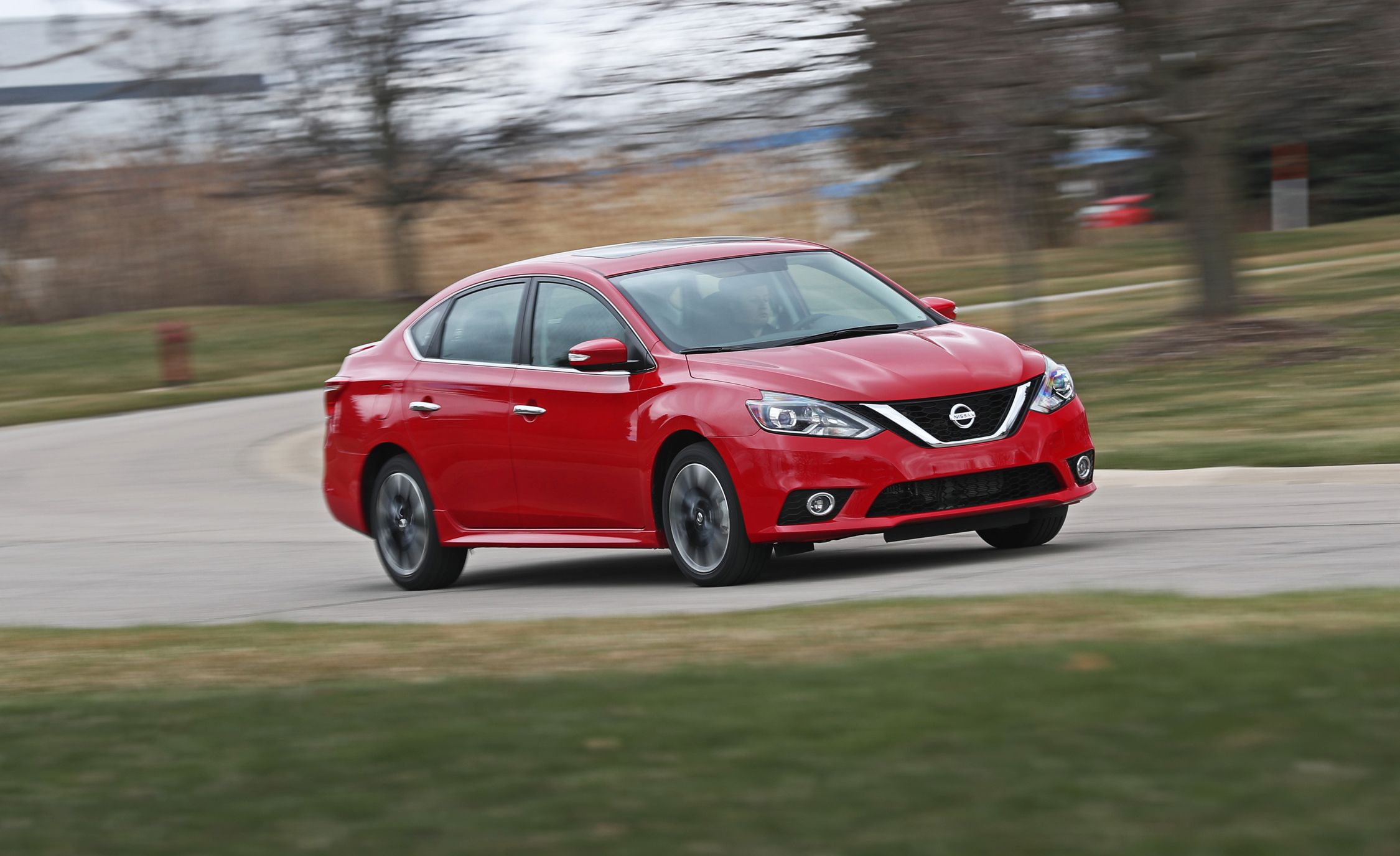
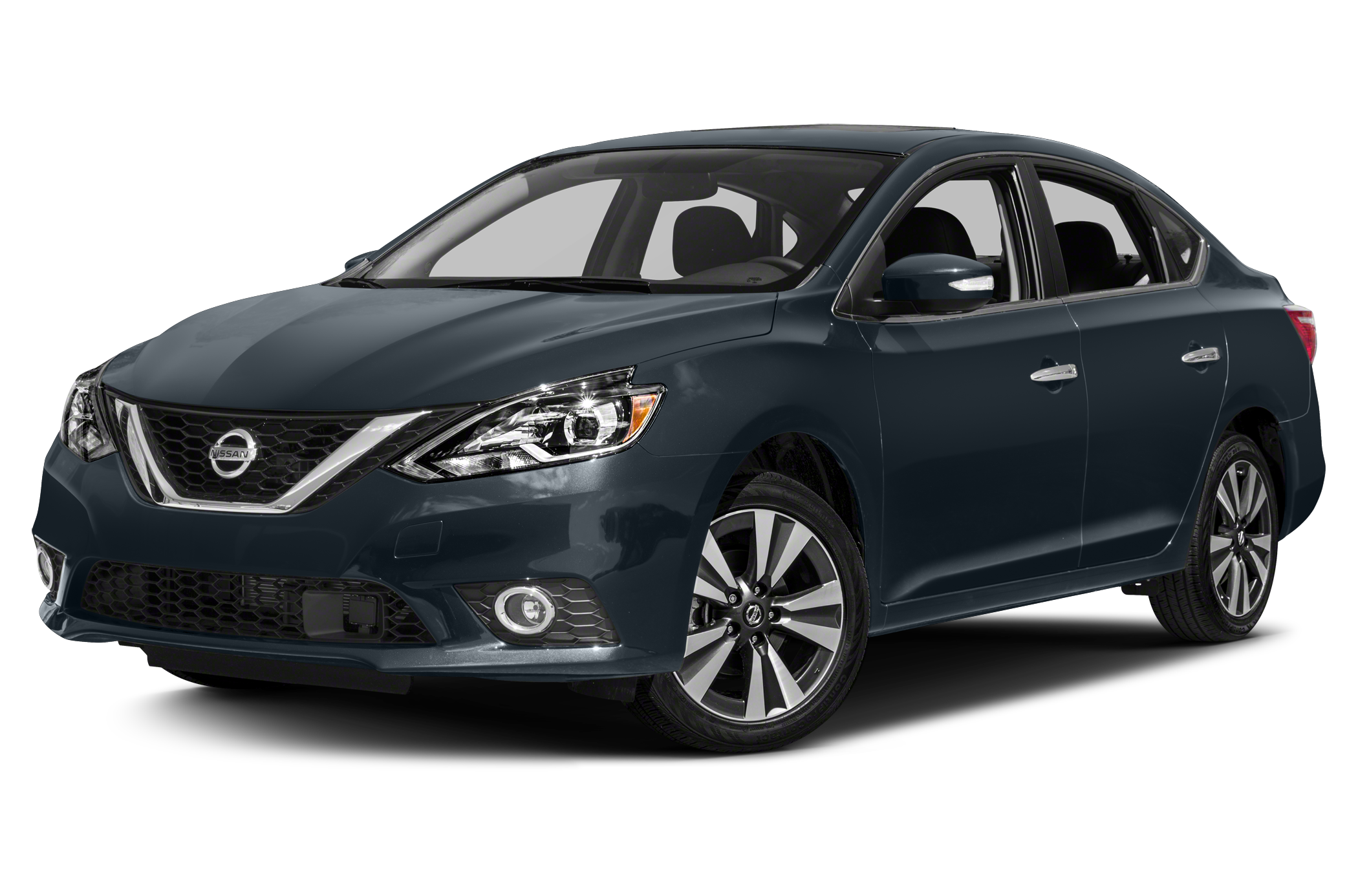
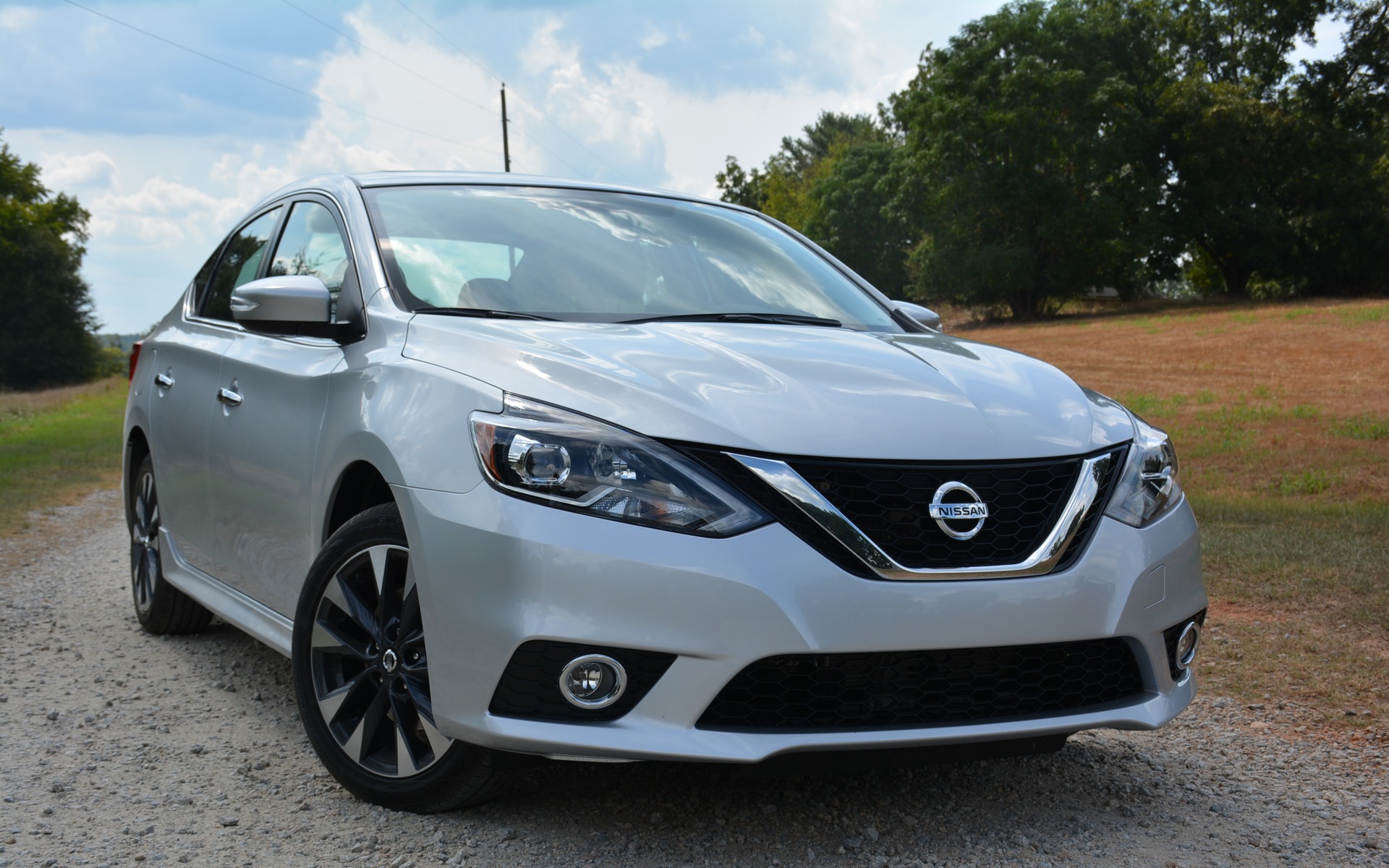
The 2017 Nissan Sentra SR Turbo produces 188 horsepower and 177 lb-ft of torque from a 1.6-liter turbocharged four-cylinder engine, marking a 50 percent increase in horsepower over the standard 1.8-liter model. Available with a six-speed manual or tuned Xtronic CVT, it pairs forced-induction power with upgraded front brakes and stiffer suspension tuning.
Origins and Market Position: Adding Power to the Sentra Lineup
For years, the seventh-generation Nissan Sentra (B17 chassis, produced for model years 2013 through 2019) targeted commuter efficiency and rear-seat space rather than acceleration. Its standard naturally aspirated 1.8-liter four-cylinder engine produced 130 horsepower and 124 lb-ft of torque—adequate for daily driving, but underpowered compared to performance-minded compact sedans.
In 2017, Nissan addressed this gap by introducing the SR Turbo. Positioned directly above the naturally aspirated SR trim, the SR Turbo integrated forced-induction technology derived from the Nissan Juke crossover. It offered buyers a bridge between an economical daily driver and a sports sedan, giving the Sentra model line its first turbocharged option in North America since the earlier SE-R eras.
While the SR Turbo retained the practical interior, large trunk, and high roofline of the standard Sentra, its mechanical revisions altered its character. It competed against warm-hatch and compact sport sedans of its period, such as the Hyundai Elantra Sport, Volkswagen Jetta 1.8T, and Honda Civic EX-T.
The Heart of the SR Turbo: 1.6L DIG Turbocharged Engine
The core upgrade of the 2017 Nissan Sentra SR Turbo is its 1.6-liter Direct Injection Gasoline (DIG) turbocharged inline-four engine, designated by Nissan under the engine code MR16DDT.
Engine Architecture & Performance Specifications:
- Displacement: 1,618 cc (1.6 Liters)
- Bore x Stroke: 79.7 mm x 81.1 mm
- Compression Ratio: 10.5:1
- Peak Horsepower: 188 hp @ 5,600 RPM
- Peak Torque: 177 lb-ft @ 1,600 – 5,200 RPM
- Fuel Delivery: Direct Injection Gasoline (DIG)
- Valve Train: DOHC 16-valve with Continuously Variable Valve Timing Control System (CVTCS)
- Induction: Turbocharged with air-to-air intercooler
Power Delivery and Dynamics
Unlike naturally aspirated engines that require high engine speeds to build power, the MR16DDT reaches its peak torque of 177 lb-ft at just 1,600 RPM. It maintains this torque plateau flat through 5,200 RPM. This broad torque band provides immediate pulling power when merging onto freeways or passing slower traffic without requiring downshifts deep into the upper rev range.
The turbocharger uses a single-scroll unit paired with an air-to-air intercooler mounted behind the front bumper to cool intake air temperatures. Direct injection squirts high-pressure fuel directly into the combustion chamber, allowing for a relatively high 10.5:1 compression ratio for a turbocharged engine. This configuration improves thermal efficiency and low-end throttle response before full boost pressure builds.
Transmission Options: 6-Speed Manual vs. Tuned Xtronic CVT
Nissan offered the 2017 Sentra SR Turbo with two transmission choices, appealing to traditional driving enthusiasts and daily commuters alike.
6-Speed Manual Transmission (6MT)
The standard six-speed manual gearbox features triple-cone synchronizers on first and second gears to smooth engagements during aggressive downshifts. The gear ratios are tailored to keep the 1.6-liter turbo within its powerband:
- 1st Gear: 3.727:1
- 2nd Gear: 2.105:1
- 3rd Gear: 1.518:1
- 4th Gear: 1.156:1
- 5th Gear: 0.918:1
- 6th Gear: 0.775:1
- Final Drive Ratio: 3.833:1
The manual transmission provides direct control over engine speed, eliminating gear-hunting and power lag. The clutch pedal effort is relatively light, making it manageable in stop-and-go traffic while maintaining tactile feedback.
Xtronic CVT with D-Step Shift Logic
For buyers selecting the automatic option, Nissan fitted a specialized version of its Xtronic Continuously Variable Transmission (CVT). Rather than using the conservative calibration found in the 1.8-liter Sentra, the SR Turbo’s CVT features revised "D-Step" shift logic.
Under heavy throttle acceleration, the D-Step software simulates gear steps by rapidly altering pulley ratios at pre-set engine speeds. This creates the sound and feel of a traditional torque-converter automatic, eliminating the continuous high-RPM engine droning common to standard CVTs. Drivers can also select a Sport mode that holds higher effective gear ratios for sharper throttle response.
Chassis, Suspension, and Braking Hardware Upgrades
To control the extra 58 horsepower over the base model, Nissan modified the Sentra’s chassis, suspension damping, steering calibration, and front braking hardware.
Chassis & Braking Upgrades Summary:
| Mechanical Component | Standard Sentra 1.8L | Sentra SR Turbo 1.6T |
|---|---|---|
| Front Brake Rotors | 11.0-inch Vented Discs | 11.7-inch Vented Discs |
| Rear Brake Rotors | 11.5-inch Solid Discs | 11.5-inch Solid Discs |
| Front Spring Stiffness | Standard Rate | +10% Stiffer |
| Front Shock Damping | Standard Calibration | +15% Firmer |
| Rear Shock Damping | Standard Calibration | +5% Firmer |
| Steering Calibration | Standard EPS Mapping | Revised Sport-Tuned EPS |
Front Braking System
Stopping power was increased through larger front ventilated brake disc rotors, expanded from 11.0 inches to 11.7 inches in diameter. The larger rotor surface increases thermal mass, reducing brake fade under repeated heavy deceleration. Rear brakes feature 11.5-inch solid discs, managed by a four-channel Anti-lock Braking System (ABS) with Electronic Brake force Distribution (EBD) and Brake Assist.
Suspension Tuning
The SR Turbo utilizes an independent strut front suspension with coil springs and a stabilizer bar, alongside a torsion beam rear suspension with an integrated stabilizer bar. Nissan upgraded the suspension parameters specifically for this model:
- Front spring rates were stiffened by 10 percent to reduce front-end dive during heavy braking and minimize body roll in corners.
- Front damper valving was stiffened by 15 percent, while rear damper valving was increased by 5 percent to control chassis rebound over uneven road surfaces.
Electric Power Steering (EPS)
The Electric Power Steering system received revised electronic mapping. The system increases steering effort at higher highway speeds to enhance center feel, while lightening assistance at low parking speeds. While it retains an electrically assisted feel, the recalibrated mapping offers clearer vehicle positioning than the baseline Sentra.
Cabin Ergonomics, Technology, and Equipment Packages
The interior of the 2017 Nissan Sentra SR Turbo balances sporty aesthetic accents with practical passenger accommodations.
Interior Features and Ergonomics
- Sport Seats: Standard heated front sport seats feature black cloth upholstery with blue contrast stitching unique to the SR trim lineup.
- Steering Wheel: A leather-wrapped, three-spoke steering wheel modeled after the Nissan 370Z sports car includes integrated controls for audio, Bluetooth, cruise control, and the driver information display.
- Driver Information Display: A 5.0-inch color Advanced Drive-Assist Display (ADAD) positioned between the speedometer and tachometer shows boost-adjacent parameters, trip computer metrics, fuel economy, and safety warnings.
- Passenger Space: The cabin provides 37.4 inches of rear seat legroom and 15.1 cubic feet of cargo space in the trunk, maintaining utility alongside its mechanical upgrades.
Available SR Turbo Premium Package
Buyers could equip the car with the optional SR Turbo Premium Package, which added high-end convenience and safety technology:
- Dual-zone automatic climate control
- Leather-appointed seating surfaces
- Auto-dimming rearview mirror with HomeLink universal transceiver
- Bose eight-speaker premium audio system with dual subwoofer enclosure
- NissanConnect center console display with navigation and mobile app integration
- Blind Spot Warning (BSW) and Rear Cross Traffic Alert (RCTA)
Technical Specifications Comparison
The table below contrasts the 2017 Nissan Sentra SR Turbo against the standard 1.8-liter Sentra and the range-topping Sentra NISMO.
| Specification | 2017 Sentra 1.8L (Base/SV/SL) | 2017 Sentra SR Turbo (1.6T) | 2017 Sentra NISMO (1.6T) |
|---|---|---|---|
| Engine Type | 1.8L 4-Cylinder (MRA8DE) | 1.6L Turbo 4-Cylinder (MR16DDT) | 1.6L Turbo 4-Cylinder (MR16DDT) |
| Horsepower | 130 hp @ 6,000 RPM | 188 hp @ 5,600 RPM | 188 hp @ 5,600 RPM |
| Torque | 124 lb-ft @ 3,600 RPM | 177 lb-ft @ 1,600–5,200 RPM | 177 lb-ft @ 1,600–5,200 RPM |
| Transmissions | 6-Speed Manual / Xtronic CVT | 6-Speed Manual / Tuned CVT | 6-Speed Manual / Tuned CVT |
| Front Brake Diameter | 11.0 Inches | 11.7 Inches | 11.7 Inches |
| Front/Rear Stabilizer | Standard | Upgraded Damping & Springs | Track-Tuned NISMO Suspension |
| Wheels & Tires | 16-Inch Steel / Alloy | 17-Inch Aluminum-Alloy (205/50R17) | 18-Inch NISMO Alloy (215/45R18) |
| Curb Weight (Manual) | ~2,848 lbs | ~3,023 lbs | ~3,033 lbs |
| Fuel Requirement | 87 Octane Regular | 91 Octane Premium Recommended | 91 Octane Premium Recommended |
Fuel Economy and Running Costs
Fuel efficiency ratings established by the U.S. Environmental Protection Agency (EPA) demonstrate that the SR Turbo delivers increased power with a minimal fuel economy penalty compared to the standard engine.
EPA Fuel Economy Estimates:
- 6-Speed Manual: 26 MPG City / 32 MPG Highway / 28 MPG Combined
- Xtronic CVT: 27 MPG City / 33 MPG Highway / 29 MPG Combined
Official fuel consumption data can be referenced via the U.S. EPA Fuel Economy Database.
Fuel Requirements
Nissan recommends using 91 Octane Premium Unleaded Fuel for the SR Turbo to achieve its full rated output of 188 horsepower and 177 lb-ft of torque. The engine computer can run on 87 octane regular fuel by retarding ignition timing to prevent engine knock, but this results in reduced horsepower, diminished torque response, and slightly lower fuel efficiency.
Regular Maintenance Demands
- Engine Oil: Due to direct injection and turbocharger heat loads, full synthetic 5W-30 engine oil changes are recommended every 5,000 miles or six months.
- Spark Plugs: Laser Iridium spark plugs are specified, with a recommended replacement interval of 105,000 miles under normal conditions, or earlier if tuned.
- Cooling System: The turbocharger relies on engine coolant and oil for thermal management. Maintaining clean coolant prevents heat soak and protects turbo bearings.
Reliability, Known Issues, and Maintenance Considerations
When evaluating a used 2017 Nissan Sentra SR Turbo, several key maintenance areas and mechanical vulnerability points require inspection.
1. Xtronic CVT Condition and Fluid Maintenance
The continuous pulley-and-belt design of Nissan’s Xtronic CVT demands regular maintenance. Vehicles that missed routine fluid changes every 30,000 to 40,000 miles may show sign of transmission wear.
- Symptoms of Wear: Stuttering during acceleration, delayed gear engagement, whining noises under load, or RPM slippage.
- Buying Inspection Tip: Test drive the vehicle through both moderate and wide-open throttle maneuvers. Ensure the D-Step simulated shifts engage smoothly without shuddering. Check service records for documented CVT fluid flushes using genuine Nissan NS-3 fluid.
2. Direct Injection Intake Valve Carbon Accumulation
Because the MR16DDT uses direct injection, fuel is sprayed straight into the combustion chamber rather than over the intake valves. Over time, oil vapors from the Positive Crankcase Ventilation (PCV) system can form carbon deposits on the cold intake valves.
- Symptoms of Buildup: Rough idling, cold-start misfires, hesitation upon sudden acceleration, or check engine lights (P0300 misfire codes).
- Remedy: Intake valve cleaning (such as walnut shell blasting or chemical intake tract cleaning) may be needed every 60,000 to 80,000 miles to restore airflow velocity.
3. Turbocharger and Intercooler Piping Inspections
The turbocharger housing, wastegate actuator, and charge air pipes should be visually inspected.
- Check for oil residue around the boost hoses and intercooler connections, which indicates weeping shaft seals in high-mileage turbo units.
- Listen for excessive wastegate rattle or a high-pitched "siren" whistle during boost spool-up.
4. Front Suspension Wear
The stiffer front spring rates put increased stress on front rubber bushings and strut assemblies.
- Inspect the front lower control arm bushings for cracking or tearing.
- Check front strut tops for knocking noises when turning the wheel at low speeds, which points to worn upper strut bearings.
Era Competitor Comparison
In 2017, the sport-compact market contained several well-established options. Here is how the Sentra SR Turbo compared to key rivals of its era:
| Feature / Model | Nissan Sentra SR Turbo | Honda Civic Si Sedan | Hyundai Elantra Sport |
|---|---|---|---|
| Engine | 1.6L Turbo Inline-4 | 1.5L Turbo Inline-4 | 1.6L Turbo Inline-4 |
| Horsepower | 188 hp | 205 hp | 201 hp |
| Torque | 177 lb-ft | 192 lb-ft | 195 lb-ft |
| Transmission Options | 6MT / Tuned CVT | 6MT Only | 6MT / 7-Speed DCT |
| Rear Suspension Architecture | Torsion Beam | Multi-Link Independent | Multi-Link Independent |
| Base Weight | 3,023 lbs | 2,906 lbs | 3,042 lbs |
Where the Sentra SR Turbo Won
- Cabin & Trunk Space: Rear legroom and overall trunk capacity surpassed both the Civic Si and Elantra Sport.
- Ride Comfort: Suspension tuning struck a balance between control and bump absorption, offering a smoother ride on rough roads than the firmer Civic Si.
- Transmission Accessibility: Offering an automatic option (CVT) gave non-manual drivers access to turbocharged power, whereas the Civic Si was manual-only.
Where Competitors Held an Edge
- Handling Limits: The Civic Si and Elantra Sport both featured independent multi-link rear suspensions and limited-slip differentials, providing sharper cornering grip and superior handling balance compared to the Sentra's twist-beam rear axle.
- Peak Output: Both the Civic Si (205 hp) and Elantra Sport (201 hp) delivered more horsepower and torque from the factory.
Frequently Asked Questions
Is the 2017 Nissan Sentra SR Turbo fast?
The 2017 Sentra SR Turbo moves from 0 to 60 mph in approximately 7.0 to 7.3 seconds. While not a pure high-performance sport compact like the Honda Civic Type R or Golf R, its 188 horsepower provides quick acceleration for highway passing and spirited daily driving, cutting nearly two seconds off the base Sentra's 0-to-60 mph time.
Does the 2017 Sentra SR Turbo require premium gas?
Nissan recommends using 91 octane premium unleaded fuel to achieve the full 188 horsepower rating. The vehicle can operate on 87 octane regular fuel without damaging the engine because the ECU adjusts ignition timing, but doing so reduces horsepower, engine response, and overall fuel efficiency.
What is the difference between the Sentra SR and Sentra SR Turbo?
The standard Sentra SR uses a naturally aspirated 1.8-liter engine producing 130 horsepower with standard suspension and 11.0-inch front brakes. The Sentra SR Turbo features a turbocharged 1.6-liter engine producing 188 horsepower, stiffer front and rear springs and dampers, recalibrated electric steering, and larger 11.7-inch front disc brakes.
Is the 6-speed manual or the CVT better in the Sentra SR Turbo?
The 6-speed manual transmission is widely preferred by driving enthusiasts because it offers direct engine control and avoids long-term CVT belt maintenance concerns. However, the tuned Xtronic CVT with D-Step shift logic provides smooth operation and slightly better highway fuel economy for stop-and-go driving.
How reliable is the 1.6L MR16DDT turbo engine?
The 1.6L MR16DDT engine is mechanically robust when properly maintained. Key requirements include 5,000-mile synthetic oil changes to protect the turbocharger bearings and periodic cleaning of the intake valves to prevent carbon buildup caused by direct fuel injection.
Summary and Buyer Recommendation
The 2017 Nissan Sentra SR Turbo is a practical compact sedan with useful extra power. Delivering 188 horsepower while preserving generous rear-seat legroom and trunk space, it suits buyers who want a sportier commute without sacrificing daily usability.
Recommendations for Used Buyers
- Prioritize the 6-Speed Manual: If you enjoy manual driving, choose the 6MT model. It maximizes power transfer from the 1.6L turbo engine and avoids the wear concerns associated with high-mileage CVTs.
- Verify Maintenance Documentation: Ensure previous owners performed regular 5,000-mile synthetic oil changes. If shopping for a CVT model, verify that transmission fluid flushes were performed every 30,000 to 40,000 miles.
- Conduct a Pre-Purchase Inspection: Have a qualified mechanic perform a OBD-II scan to check for misfire codes (indicative of valve carbon buildup), test for front suspension wear, and inspect the turbocharger housing for oil seepage before completing a purchase.