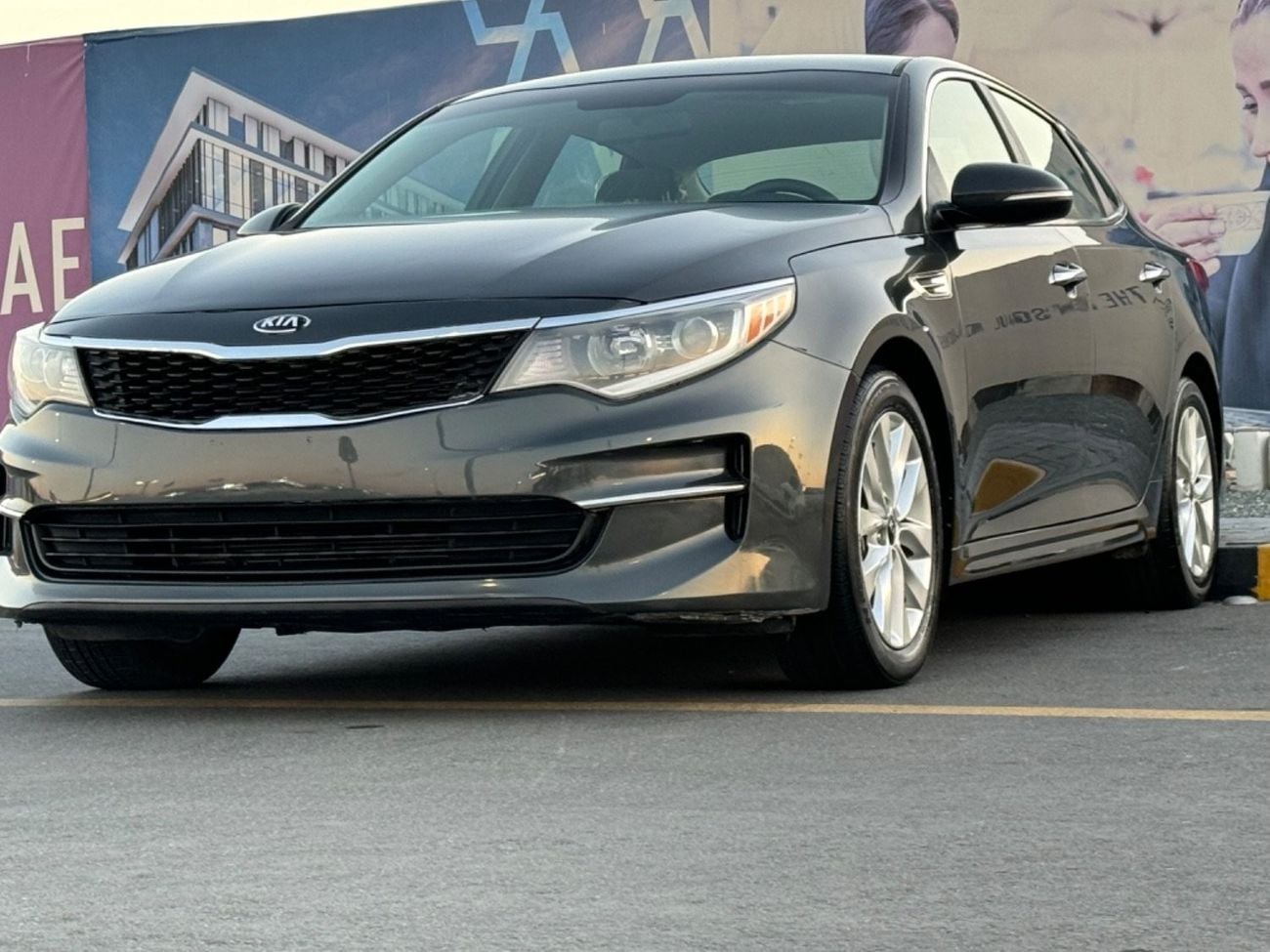
The 2016 Kia Optima LX is a midsize sedan that represents the first year of the model's fourth generation, balancing fuel efficiency with a spacious, driver-centric cabin. Featuring a 2.4-liter engine and a suite of essential safety features, it remains a popular, budget-friendly choice in the 2026 used car market.
When the fourth-generation Kia Optima (internally designated as the "JF" series) debuted for the 2016 model year, it faced the monumental task of succeeding the critically acclaimed third-generation model. The LX trim served as the gateway to this new era of Kia design. Now, a decade after its initial release, the 2016 Kia Optima LX is a common sight on the secondary market. Understanding its long-term durability, mechanical specifications, and how it compares to more modern offerings is essential for any prospective buyer or current owner looking to maintain their vehicle in 2026.
The Evolution of the 2016 Optima Design
The 2016 model year brought a more refined and mature aesthetic to the Optima lineup. While the previous generation was known for its sharp, aggressive lines, the 2016 LX adopted a more European-inspired "evolutionary" design. Kia engineers focused heavily on the chassis, utilizing 51% Advanced High-Strength Steel (AHSS), which was a 150% increase over the outgoing model. This change wasn't just for marketing; it significantly improved the car's structural rigidity and crash protection.
For the LX trim specifically, the exterior was characterized by 16-inch alloy wheels and chrome accents around the window surrounds and the signature "Tiger Nose" grille. Unlike the higher SX trims, which featured LED tail lights and more aggressive front fascias, the LX maintained a clean, functional look. This simplicity has actually helped the LX age gracefully. In 2026, many of these vehicles still look contemporary because they avoided the over-styled trends that quickly became dated in the late 2010s.
Powertrain and Performance Specifications
The heart of the 2016 Kia Optima LX is the 2.4-liter Theta II Gasoline Direct Injection (GDI) four-cylinder engine. This naturally aspirated engine was designed to provide a balance of daily-driving power and highway efficiency.
Engine Output and Transmission
The 2.4L engine produces approximately 185 horsepower at 6,000 rpm and 178 lb-ft of torque at 4,000 rpm. This power is sent to the front wheels via a six-speed Sportmatic automatic transmission. Unlike many competitors of that era that began transitioning to Continuously Variable Transmissions (CVTs), Kia stuck with a traditional torque-converter automatic for the LX. This decision resulted in a more familiar, "stepped" shifting feel that many drivers still prefer in 2026 for its predictability and perceived durability.
Fuel Economy and Efficiency
When it was new, the EPA rated the 2016 Optima LX at 24 mpg in the city, 35 mpg on the highway, and 28 mpg combined. In a 2026 context, these numbers are respectable but no longer class-leading, as hybrid technology has since become standard in the midsize segment. However, for a non-hybrid sedan that is ten years old, the LX remains an economical commuter. Real-world fuel economy for well-maintained units typically stays within 10-15% of these original ratings, provided the GDI system has been kept clean of carbon deposits.
Interior Comfort and Technology
The LX trim was the entry-level offering, but Kia’s strategy during this period was to provide "more for less." The interior of the 2016 Optima LX was a significant step up in material quality from previous years. The dashboard featured soft-touch plastics and a driver-oriented center console angled at 8.5 degrees to make controls easier to reach.
Seating and Space
The LX came standard with high-quality "CleanTex" cloth seating. This fabric was marketed as being anti-static and easy to clean, which has proven beneficial for used car buyers a decade later. The cabin space is one of the Optima's strongest points. With 104.8 cubic feet of passenger volume, it offers more room than many of its contemporaries. Rear-seat passengers benefit from generous legroom, making it a viable family vehicle even by today's standards.
Infotainment and Connectivity
In 2016, the base LX came with a 5-inch color touchscreen display, a rearview camera, Bluetooth connectivity, and SiriusXM satellite radio. It is important to note that while Apple CarPlay and Android Auto became available later in the 2016 production run via a software update, many base LX models may still require a manual update or might lack the hardware compatibility found in the technology-package-equipped versions. For a 2026 user, the basic Bluetooth streaming remains functional, though the small screen size feels dated compared to the expansive displays in modern vehicles.
Technical Specifications Table
| Feature | 2016 Kia Optima LX Specification |
|---|---|
| Engine Type | 2.4L Inline 4-cylinder GDI |
| Horsepower | 185 hp @ 6,000 rpm |
| Torque | 178 lb-ft @ 4,000 rpm |
| Transmission | 6-Speed Automatic with Sportmatic |
| Fuel Tank Capacity | 18.5 Gallons |
| Curb Weight | 3,219 lbs |
| Wheelbase | 110.4 inches |
| Trunk Space | 15.9 cubic feet |
| Standard Wheels | 16-inch Alloy |
| Braking System | 4-Wheel Disc with ABS |
Safety Ratings and Equipment
Safety was a primary focus for the 2016 redesign. The inclusion of more high-strength steel allowed the Optima to earn top marks from major safety organizations. The Insurance Institute for Highway Safety (IIHS) named the 2016 Optima a Top Safety Pick+, their highest honor at the time.
Standard safety equipment on the LX includes:
- Seven Airbags: Including a driver's knee airbag, which was a premium feature for base trims in 2016.
- Electronic Stability Control (ESC): Helps maintain directional control during aggressive maneuvers.
- Vehicle Stability Management (VSM): Intervenes by controlling the brake pressure and steering torque to help the driver keep the car on its intended path.
- Hill-start Assist Control (HAC): Prevents the car from rolling backward when starting on an incline.
While the LX lacked the advanced driver-assistance systems (ADAS) like Forward Collision Warning or Autonomous Emergency Braking—which were reserved for higher trims or optional packages—the core structural safety remains excellent for a vehicle in this price bracket in 2026.
Long-Term Reliability and Common Issues
As the 2016 Optima LX enters its tenth year of service, certain mechanical trends have emerged that buyers should be aware of. While the car is generally robust, it is not without its specific vulnerabilities.
The Theta II Engine Concerns
The most significant point of discussion for any 2016 Optima owner is the Theta II engine. Kia and Hyundai faced significant recalls and litigation regarding these engines, which were prone to premature rod bearing wear. In many cases, this could lead to engine stalling or, in extreme scenarios, engine failure.
By 2026, most affected vehicles should have received the Knock Sensor Detection System (KSDS) software update. This update monitors the engine for vibrations that indicate bearing wear and puts the car into a "Limp Home" mode to prevent catastrophic damage. Prospective buyers should verify that all recall work has been completed by checking the VIN on the NHTSA website.
Carbon Buildup in GDI Engines
Because the 2.4L engine uses Gasoline Direct Injection, fuel is sprayed directly into the combustion chamber rather than over the intake valves. Over time, this leads to carbon buildup on the valves, which can cause rough idling, reduced fuel economy, and a loss of power. In 2026, a high-mileage Optima LX likely requires a manual carbon cleaning (often called walnut blasting) or the regular use of specialized intake cleaners to maintain peak performance.
Suspension and Steering
Some owners have reported "clicking" sounds in the steering column, often attributed to a worn flexible steering rack coupler. This is a relatively inexpensive part but requires significant labor to replace. Additionally, at the ten-year mark, the LX's strut assemblies and bushings are likely reaching the end of their service life and may need replacement to restore the original ride quality.
Maintenance and Ownership Costs in 2026
Operating a 2016 Kia Optima LX in 2026 is generally affordable, provided the owner stays ahead of scheduled maintenance. Because it was a high-volume vehicle, parts are plentiful and relatively inexpensive.
- Oil Changes: The GDI engine is sensitive to oil quality. Using full synthetic oil and changing it every 5,000 miles is highly recommended to protect the turbocharger (if applicable on other trims) and internal engine components.
- Transmission Fluid: Although labeled as "lifetime" fluid by some manufacturers, most mechanics suggest a drain and fill every 60,000 to 80,000 miles to preserve the 6-speed automatic.
- Tires and Brakes: The LX uses common tire sizes (205/65R16), making replacements affordable. Standard brake service is straightforward for DIY enthusiasts or independent shops.
The average annual maintenance cost for a 2016 Optima LX in 2026 typically ranges between $500 and $800, excluding major one-time repairs like the timing chain tensioner or suspension overhauls.
Comparing the LX to Other 2016 Trims
For those shopping the used market in 2026, it is helpful to see what the LX sacrificed compared to its more expensive siblings.
- LX vs. LX 1.6T: The 1.6T featured a smaller, turbocharged engine and a 7-speed dual-clutch transmission. While more fuel-efficient, the 1.6T's dual-clutch can be jerkier in stop-and-go traffic compared to the smooth 6-speed in the base LX.
- LX vs. EX: The EX trim added leather seating, dual-zone climate control, and woodgrain accents. For drivers prioritizing comfort over raw value, the EX is a significant step up.
- LX vs. SX/SXL: These were the performance trims, featuring a 2.0L Turbo engine with 245 horsepower. These models also included HID headlights and more aggressive styling, but they come with higher insurance premiums and higher maintenance risks due to the turbocharging system.
The LX remains the most "honest" version of the car—it is a straightforward transport tool that avoids the complexity of the turbo engines and dual-clutch transmissions.
Frequently Asked Questions
Does the 2016 Kia Optima LX have a backup camera?
Yes, the 2016 Kia Optima LX came standard with a rearview camera. The feed is displayed on the 5-inch central display. This was a significant selling point at the time, as backup cameras were just becoming a federally mandated standard in the United States.
Is the 2016 Kia Optima LX good on gas?
The 2016 Optima LX offers competitive fuel economy for its class, averaging around 28 mpg combined. While it cannot compete with 2026-era hybrids or EVs, it remains a cost-effective option for long-distance highway commuting where it can achieve up to 35 mpg.
Does the 2016 Optima LX have Apple CarPlay?
Availability depends on the specific production date and whether the software has been updated. Kia released a free software update for 2016 Optimas equipped with the UVO infotainment system to add CarPlay and Android Auto. However, base LX models with the standard 5-inch screen generally do not support these features without an aftermarket head unit replacement.
What are the most common problems with a used 2016 Optima LX?
The most prevalent issues include carbon buildup on the intake valves, potential rod bearing wear in the Theta II engine, and wear and tear on the steering coupler. Most of these issues can be mitigated with a documented service history and a pre-purchase inspection by a qualified technician.
Is the 2016 Kia Optima LX a reliable car in 2026?
If the engine recalls have been addressed and the vehicle has been maintained with high-quality synthetic oil, the 2016 Optima LX is considered a reliable "second-owner" car. Its structural safety and simple transmission make it a better long-term bet than many budget-oriented small cars from the same era.
Practical Recommendation for Buyers
In 2026, if you are considering a 2016 Kia Optima LX, your priority should be verification of maintenance. Specifically, look for a vehicle that has had its engine oil changed frequently and shows proof that the KSDS software update was performed at a Kia dealership.
The Optima LX is an ideal choice for students, first-time drivers, or as a secondary "commuter" vehicle. It offers a higher level of crash safety than many subcompact cars of the same age and provides a level of interior comfort that makes long drives manageable. Before purchasing, perform a "cold start" to listen for any knocking sounds and check the service records for a transmission fluid exchange. If the car passes these checks, it remains one of the best values in the 10-year-old sedan market.