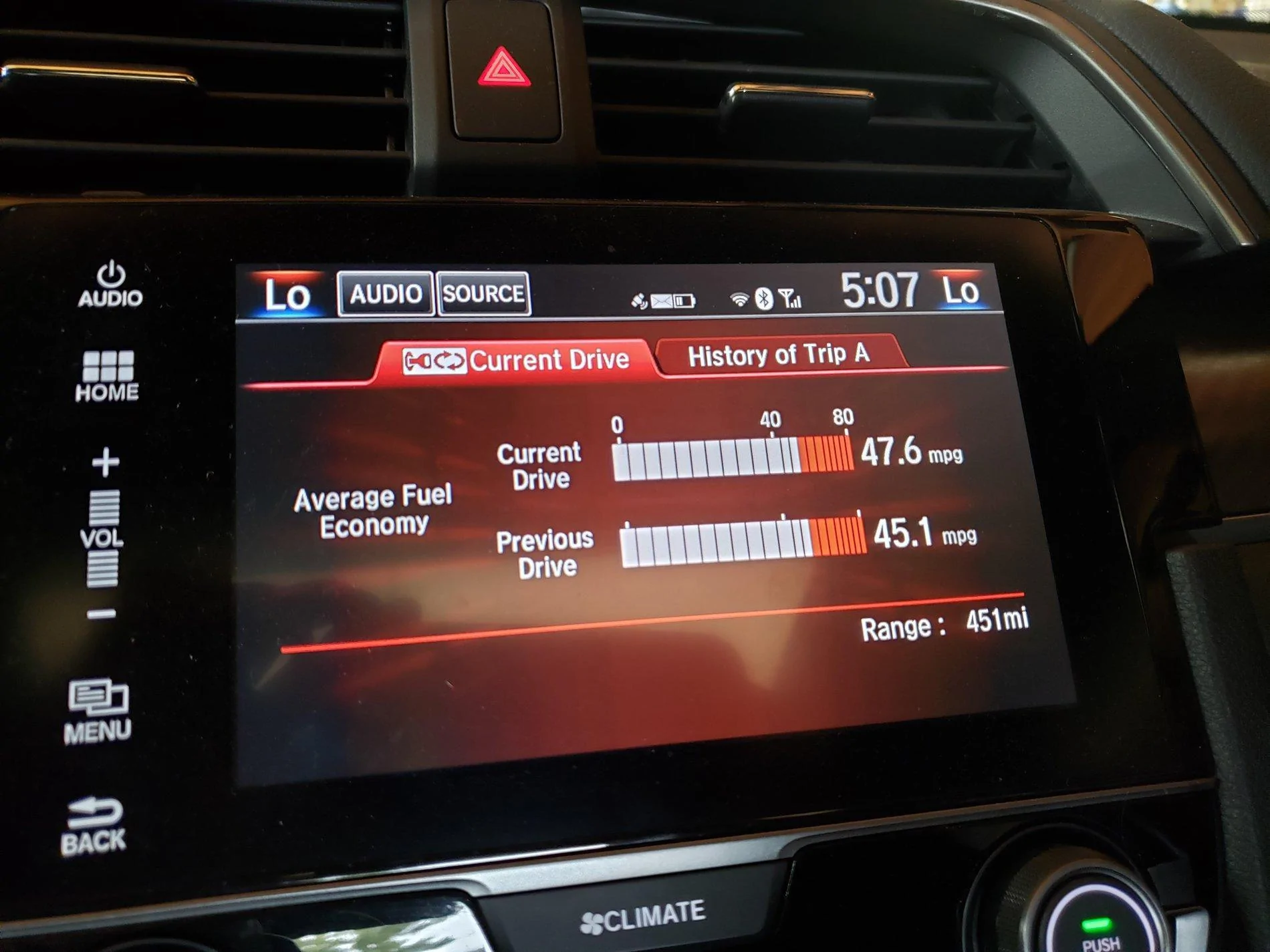
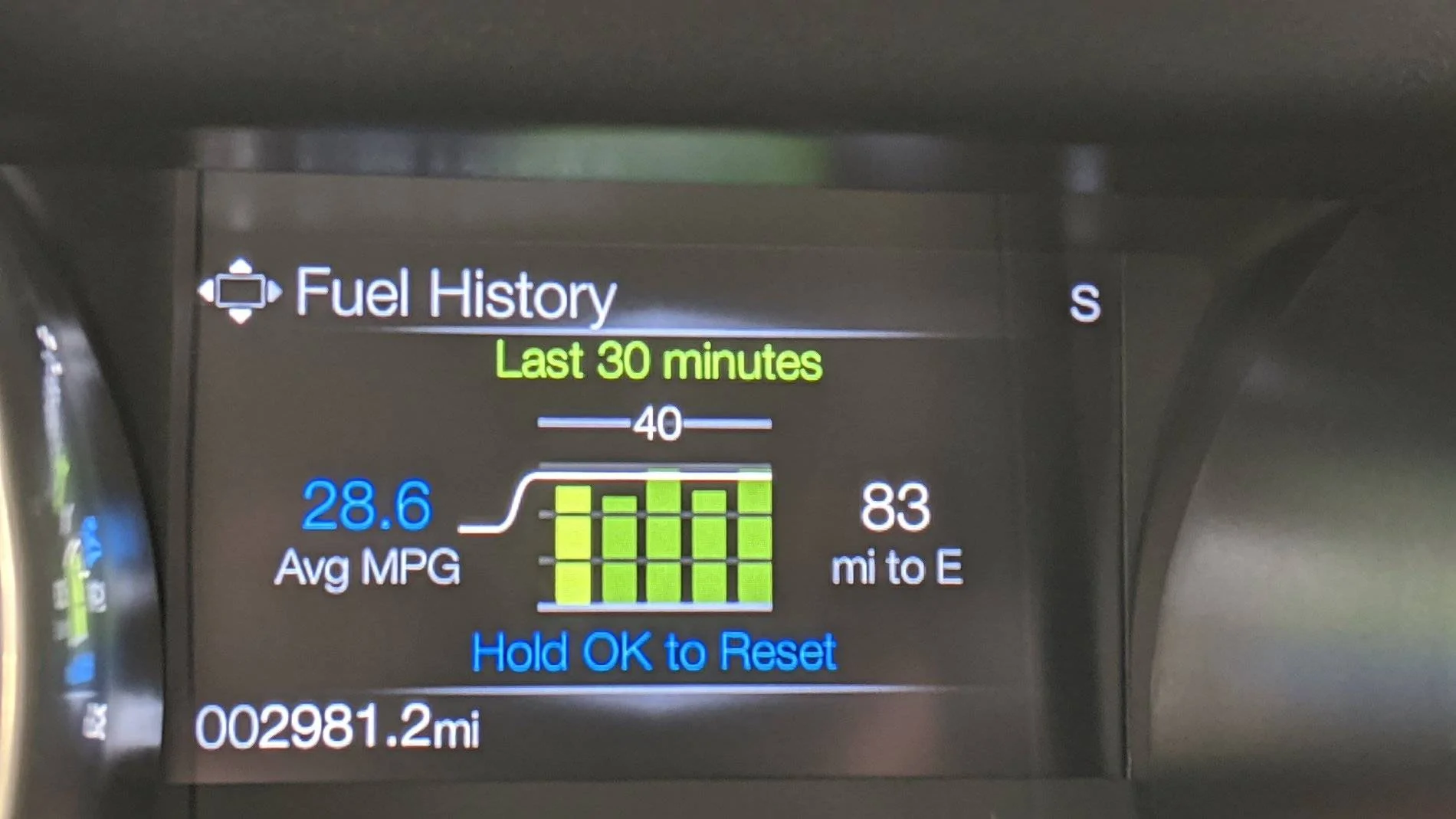
The 2015 Honda Civic achieves an EPA-estimated fuel economy ranging from 30 mpg city to 39 mpg highway, depending on the specific trim level, transmission, and body style chosen. Standard models generally deliver around 30 mpg in city driving and 39 mpg on the highway, while specialized eco-focused trims like the HF or the Natural Gas variant offer distinct efficiency profiles.
Understanding the fuel economy of the 2015 Honda Civic requires looking beyond a single monolithic number. When Honda manufactured the ninth-generation Civic for the 2015 model year, they offered a diverse lineup consisting of sedans, coupes, standard gas engines, high-efficiency variants, and alternative-fuel models. For buyers, sellers, or current owners researching efficiency, knowing how these different configurations impact fuel consumption is vital for real-world expectations, budgeting, and vehicle maintenance.
The 2015 Honda Civic Powertrain Lineup and Fuel Economy Breakdown
The 2015 Honda Civic utilized a refined version of Honda's longstanding engineering philosophy: maximizing volumetric efficiency without sacrificing day-to-day reliability. Most standard trims—including the LX, SE, EX, and EX-L—were powered by a 1.8-liter, 140-horsepower i-VTEC four-cylinder engine.
When paired with the continuously variable transmission (CVT), which replaced older traditional automatic transmissions in most mainstream trims for this generation, these models achieved EPA estimates of 30 mpg city, 39 mpg highway, and 33 mpg combined. Drivers who opted for the traditional 5-speed manual transmission on the base LX sedan experienced a slight dip in efficiency, dropping to 28 mpg city, 36 mpg highway, and 31 mpg combined.
The coupe variants, while sharing the same underlying platform and 1.8-liter engine, featured slightly different aerodynamic profiles and weight distributions. For example, the 2015 Civic Coupe with the CVT achieved an EPA-rated 29 mpg city, 37 mpg highway, and 32 mpg combined. While these figures represent official EPA laboratory testing standards, real-world fuel economy is heavily influenced by external factors, driving style, and maintenance habits.
EPA Fuel Economy Ratings by Trim and Body Style
To properly evaluate the 2015 Civic lineup, it helps to examine how transmission choices and aerodynamics alter fuel performance across different versions.
| Trim Level & Body Style | Transmission Type | City MPG (EPA) | Highway MPG (EPA) | Combined MPG (EPA) |
|---|---|---|---|---|
| Civic LX (Sedan) | 5-Speed Manual | 28 | 36 | 31 |
| Civic LX, SE, EX, EX-L (Sedan) | Continuously Variable (CVT) | 30 | 39 | 33 |
| Civic LX, EX (Coupe) | 5-Speed Manual | 28 | 36 | 31 |
| Civic LX, EX, EX-L (Coupe) | Continuously Variable (CVT) | 29 | 37 | 32 |
| Civic HF (High Efficiency Sedan) | Continuously Variable (CVT) | 31 | 41 | 35 |
| Civic Hybrid (Sedan) | Continuously Variable (CVT) | 44 | 47 | 45 |
| Civic Natural Gas (Sedan) | 5-Speed Automatic | 27 | 38 | 31 (Gasoline equivalent) |
Specialized High-Efficiency Trims: HF and Hybrid
For buyers whose primary purchasing criterion is maximizing fuel efficiency, Honda offered two specialized variants in the 2015 lineup: the Civic HF and the Civic Hybrid.
The Civic HF (High Efficiency) was designed as a bridge between the standard gasoline models and expensive hybrid technology. It used the standard 1.8-liter engine and CVT combination found in the mainstream trims, but added aerodynamic enhancements, lightweight alloy wheels, and low-rolling-resistance tires. These minor adjustments pushed the EPA estimates up to 31 mpg in the city and an impressive 41 mpg on the highway, resulting in a 35 mpg combined rating. For long-distance commuters, the HF offered near-hybrid efficiency without the added upfront cost and complexity of a battery pack.
The 2015 Civic Hybrid took efficiency a step further, pairing a 1.5-liter gasoline engine with an Integrated Motor Assist (IMA) electric system and a lithium-ion battery pack. This setup yielded an EPA rating of 44 mpg city and 47 mpg highway, for a combined 45 mpg. However, buyers looking at used hybrid models must account for potential battery degradation over time, as replacement costs can offset initial fuel savings.
Real-World Factors Influencing 2015 Civic Fuel Economy
While EPA estimates provide a reliable baseline for comparison, drivers rarely match laboratory numbers precisely in day-to-day driving. Several mechanical and environmental factors influence the actual fuel economy achieved by a 2015 Honda Civic.
Maintenance and Mechanical Health
As a vehicle ages, components that affect combustion efficiency naturally wear down. A 2015 Civic with neglected spark plugs, a clogged air filter, or dragging brake calipers will see a noticeable drop in fuel economy. Ensuring that the vehicle receives regular oil changes using the manufacturer-recommended 0W-20 synthetic oil minimizes internal engine friction, directly preserving the high efficiency engineered into the i-VTEC motor.
Tire Pressure and Alignment
Low tire pressure increases rolling resistance, forcing the engine to work harder to maintain speed. Maintaining the factory-specified tire pressure (typically found on the placard inside the driver's door jamb) is one of the easiest ways to protect highway and city mileage. Similarly, improper wheel alignment creates scrubbing resistance, lowering fuel economy while accelerating tire wear.
Driving Habits and Terrain
The CVT in the 2015 Civic is designed to keep the engine operating in its most efficient power band, but aggressive acceleration and heavy braking disrupt this efficiency. Highway driving speeds also play a massive role; aerodynamic drag increases exponentially as speed rises above 65 mph, meaning a Civic traveling at 75 mph will consume noticeably more fuel than one traveling at 60 mph.
Comparing the 2015 Civic to Its Competitors
When evaluating the 2015 Honda Civic from a fuel economy perspective, it helps to contextualize its numbers against other compact sedans from the same model year, such as the Toyota Corolla, Ford Focus, and Hyundai Elantra.
The 2015 Toyota Corolla, equipped with a traditional continuously variable transmission or a 4-speed automatic in base trims, achieved around 29 mpg city and 37 or 38 mpg highway on its standard LE Eco and mainstream models. The 2015 Ford Focus, utilizing a 2.0-liter engine, hovered around 27 mpg city and 38 mpg highway with its automatic transmission, though its dual-clutch automatic transmission experienced documented reliability concerns that affected consumer confidence. The Hyundai Elantra delivered roughly 28 mpg city and 37 mpg highway.
In this competitive landscape, the 2015 Honda Civic held a strong position. It combined competitive fuel economy figures with a reputation for mechanical durability, making its efficiency sustainable over hundreds of thousands of miles without requiring complex powertrain repairs.
Frequently Asked Questions
What is the exact fuel tank capacity of a 2015 Honda Civic?
Most standard 2015 Honda Civic models feature a 13.2-gallon fuel tank. Exceptions include the Natural Gas variant, which has a smaller fuel capacity due to the compressed natural gas tank structure, and the Hybrid model, which features a 13.0-gallon tank. Multiplying the standard 13.2-gallon capacity by the combined EPA rating of 33 mpg yields a theoretical highway cruising range of over 400 miles on a single fill-up.
Does the Econ button on the 2015 Civic actually save gas?
Yes, pressing the green Econ button on the dashboard alters throttle response, adjusts the climate control system's power draw, and modifies transmission shift points to encourage fuel-efficient driving. While the exact savings depend heavily on the driver's right foot, it can noticeably improve city fuel economy by smoothing out aggressive throttle inputs.
What grade of gasoline does the 2015 Honda Civic require?
The standard 2015 Honda Civic is engineered to run on regular unleaded gasoline with an octane rating of 87 or higher. Premium fuel is not required, meaning owners do not incur extra operating costs at the pump to achieve maximum efficiency.
Why is my 2015 Civic getting lower MPG than the EPA estimate?
If your vehicle is falling short of EPA estimates, check for common maintenance issues such as worn spark plugs, a dirty engine air filter, dragging brakes, or under-inflated tires. Additionally, heavy city traffic, excessive idling, roof racks that ruin aerodynamics, and cold winter temperatures will naturally drag down real-world fuel economy.
Is the CVT transmission reliable in the 2015 Civic?
The CVT introduced broadly across the 2015 Civic lineup represented a major mechanical shift from the older 5-speed automatics. When maintained properly with routine fluid changes according to the Honda maintenance minder system, these transmissions have proven robust and capable of high mileage. However, neglecting fluid changes can lead to premature wear.
Practical Next Steps for Buyers and Owners
If you are currently shopping for a used 2015 Honda Civic or looking to optimize the efficiency of one you already own, start by verifying the specific trim level and transmission type, as fuel economy varies between manual, standard automatic, and CVT setups. For current owners, check your tire pressures weekly, adhere strictly to the recommended oil change intervals using 0W-20 synthetic oil, and replace air filters as needed. These proactive steps ensure that your vehicle continues to deliver the high-efficiency performance it was designed for.