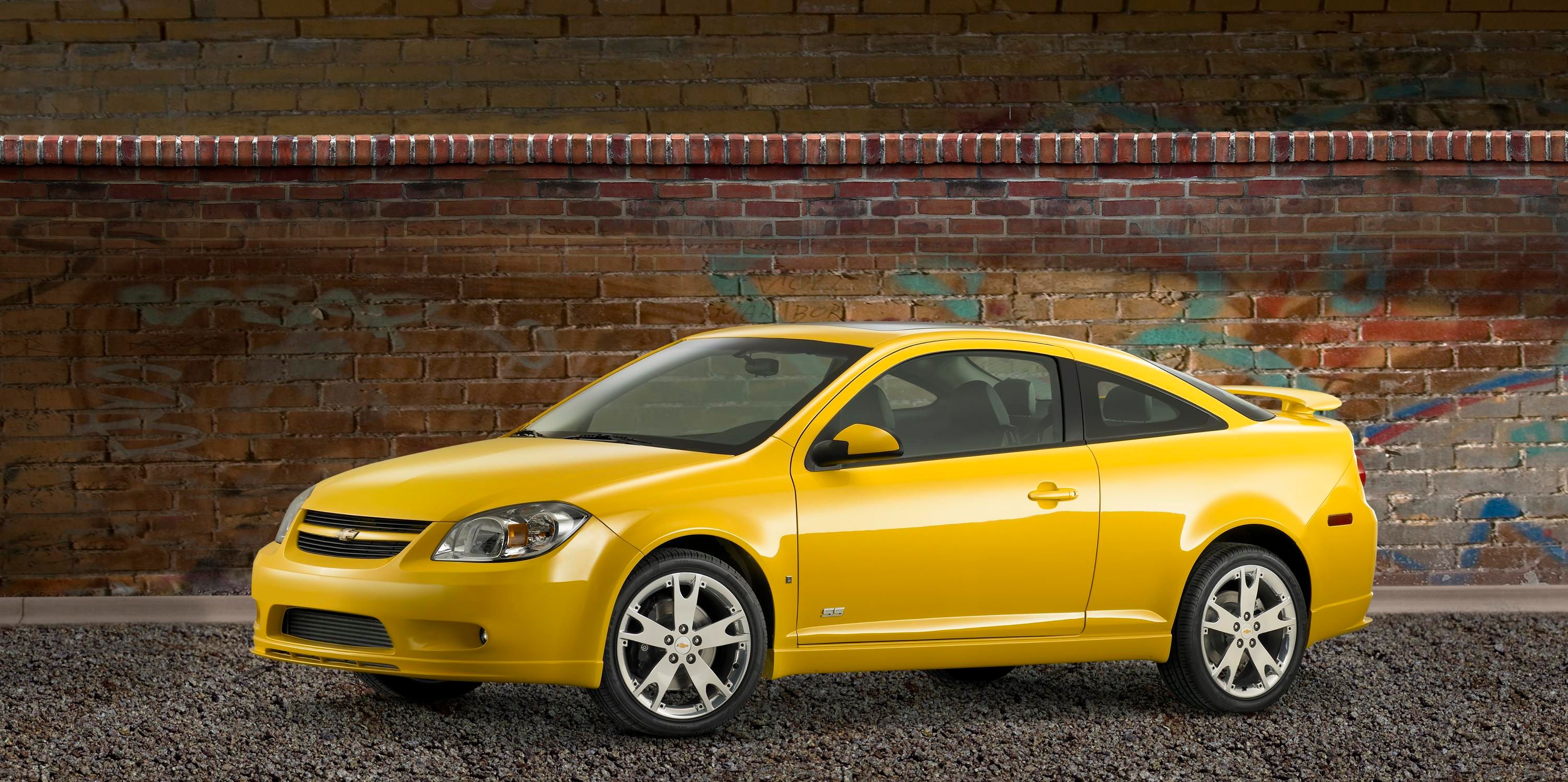
The 2008 Chevy Cobalt features varying horsepower outputs depending on the trim level and engine configuration, ranging from 148 hp in the base LS and LT models to 260 hp in the high-performance SS Turbocharged variant. Understanding these figures requires looking at the specific Ecotec engine architecture utilized across the 2.2L, 2.4L, and 2.0L turbocharged powertrains offered during that model year.
Evolution of the Cobalt Platform
The 2008 Chevrolet Cobalt represented a critical point in the brand’s compact car segment. By 2008, General Motors had refined the Delta platform to provide a more competitive stance against import rivals. The primary differentiator for enthusiasts and average consumers alike remained the "Ecotec" family of engines. Unlike the previous generation of GM compacts, the Cobalt utilized a dual overhead cam (DOHC) design across its entire range, which improved efficiency and power delivery.
When analyzing the 2008 lineup, it is essential to distinguish between the standard consumer-grade engines and the forced-induction powerplants. The horsepower ratings were not merely numbers on a brochure; they dictated the driving dynamics, fuel economy expectations, and the overall maintenance requirements of the vehicle.
The Base Powertrain: 2.2L Ecotec (L61)
The backbone of the 2008 Chevrolet Cobalt LS and LT trims was the 2.2-liter L61 Ecotec inline-four engine. This engine was designed with a focus on reliability and fuel efficiency rather than high-performance output. It produced approximately 148 horsepower and 152 lb-ft of torque.
For the average commuter in 2026, this engine is often viewed through the lens of longevity. Because it utilizes a timing chain rather than a timing belt, maintenance intervals are different, though the chain tensioner remains a known point of attention for long-term owners. The power delivery is linear, making it suitable for city driving and highway cruising, though it is not designed for aggressive acceleration. The L61 is naturally aspirated, meaning it does not rely on a turbocharger or supercharger, which simplifies the engine bay layout and reduces the number of components that can fail.
The Mid-Range Performance: 2.4L Ecotec (LE5)
Stepping up to the Cobalt LTZ or the "Sport" appearance packages, buyers in 2008 gained access to the 2.4-liter LE5 Ecotec engine. This powerplant increased the output to 171 horsepower and 167 lb-ft of torque. The increase in displacement provided a noticeable improvement in mid-range torque, which is particularly beneficial for passing maneuvers and climbing inclines.
The 2.4L variant featured variable valve timing (VVT), a technology that adjusts the timing of the intake and exhaust valves to optimize power and fuel economy across the RPM range. For drivers who find the 2.2L engine underpowered, the 2.4L provides a more "grown-up" driving experience without the added mechanical complexity and maintenance costs associated with a turbocharged system.
The Performance Benchmark: 2.0L Turbocharged Ecotec (LNF)
The jewel of the 2008 Cobalt lineup is undeniably the SS model, which made a significant jump in technology and performance by switching from the previous supercharged configuration to a turbocharged 2.0-liter LNF Ecotec engine. This engine produces 260 horsepower and 260 lb-ft of torque.
The LNF engine was a major technological achievement for GM at the time, utilizing direct fuel injection. Direct injection sprays fuel at high pressure directly into the combustion chamber rather than the intake port, allowing for a higher compression ratio, better fuel atomization, and superior cooling within the cylinder. This combination allowed the 2008 Cobalt SS to punch well above its weight class, competing with sport compact cars that cost significantly more at the time. The transition to a turbocharger also meant that the power delivery was different from the previous supercharged versions; it offered a broader, flatter torque curve, making the car much more responsive in daily driving scenarios.
Comparative Performance Specifications
To understand the differences between these engines, consider the following technical breakdown of the 2008 model year specifications.
| Trim Level | Engine | Horsepower | Torque (lb-ft) | Induction |
|---|---|---|---|---|
| LS / LT | 2.2L I4 (L61) | 148 hp | 152 lb-ft | Naturally Aspirated |
| Sport / LTZ | 2.4L I4 (LE5) | 171 hp | 167 lb-ft | Naturally Aspirated |
| SS | 2.0L I4 (LNF) | 260 hp | 260 lb-ft | Turbocharged |
Practical Considerations for Owners in 2026
As these vehicles age, the "horsepower in focus" conversation shifts from showroom performance to maintenance-driven health. If you are purchasing or maintaining a 2008 Cobalt today, the horsepower you get is only as good as the engine's health.
- Direct Injection (LNF Engine): For owners of the SS model, carbon buildup on the intake valves is a common issue due to the direct injection system. Because fuel is not being sprayed over the intake valves, they can become fouled with oil deposits over time, which may gradually restrict airflow and decrease the effective horsepower. Regular induction services or "walnut blasting" are often required to restore the engine to its factory-rated power levels.
- Sensors and Airflow: Across all trim levels, the mass airflow (MAF) sensor is a frequent culprit for erratic performance. If the sensor is dirty or failing, the engine control module (ECM) cannot accurately calculate the air-to-fuel ratio, resulting in a loss of power or hesitation under load.
- Fuel Quality: Higher-performance engines, specifically the 260-hp LNF, were engineered for premium fuel (91+ octane). Using lower-grade fuel can force the engine to pull timing to prevent engine knock, which directly results in a measurable loss of horsepower and lower fuel efficiency.
Troubleshooting Power Loss
If your 2008 Cobalt feels significantly slower than its factory specifications, consider the following diagnostic steps:
- Check for Vacuum Leaks: Any unmetered air entering the system will confuse the ECM. Inspect rubber hoses around the intake manifold, particularly on the turbocharged SS, where high boost pressures can cause cracks or loose connections.
- Exhaust Backpressure: A clogged catalytic converter is a common failure point in vehicles of this age. If the exhaust cannot exit the engine efficiently, the engine will struggle to breathe, leading to a significant "choked" feeling during acceleration.
- Spark and Ignition: Ensure that the ignition coils and spark plugs are within the manufacturer's recommended replacement intervals. Misfires—even those not severe enough to trigger a Check Engine Light—can sap power and degrade fuel economy.
Frequently Asked Questions
Can I easily increase the horsepower of my 2.2L or 2.4L Cobalt? While intake and exhaust modifications are common, the atmospheric engines in the LS and LT models have limited potential for significant horsepower gains without expensive internal engine work or forced induction kits. Most modifications focus on throttle response rather than raw output.
Why is my 2008 Cobalt SS much faster than the 2007 version? The 2008 SS moved from a 2.0L supercharged engine to the 2.0L turbocharged LNF engine. The LNF features direct injection and higher torque, which provides better acceleration throughout the entire RPM band compared to the previous supercharged engine.
Does high mileage affect the factory horsepower rating? Yes, but typically only by a small percentage if maintenance has been followed. Wear on piston rings or valves can result in a loss of compression, which will slightly reduce the effective horsepower. A compression test is the best way to verify if your engine is still producing its intended power.
Is it safe to use performance chips or tunes to get more power? On the turbocharged LNF engine, tuning is very popular because it is easy to increase boost levels. However, this places more stress on the turbocharger and transmission. Ensure that your cooling system, brakes, and tires are upgraded to handle any increase in power beyond the stock 260 horsepower.
What is the "Sport" trim level, and how does it differ from the LT? The Sport trim primarily offered the 2.4L engine as standard, along with a tighter suspension setup and different exterior styling cues. It sits between the base LT and the performance-oriented SS.
Final Recommendation
For those prioritizing the driving experience, the 2008 Cobalt SS remains the clear choice, provided you are willing to manage the nuances of a turbocharged engine, such as proper oil selection and intake valve cleaning. For those requiring a reliable, fuel-efficient daily commuter, the 2.2L Ecotec provides a solid, predictable power curve. Before attempting to modify for more horsepower, verify your current engine health through a compression test and ensure your basic ignition and airflow systems are functioning at peak efficiency.