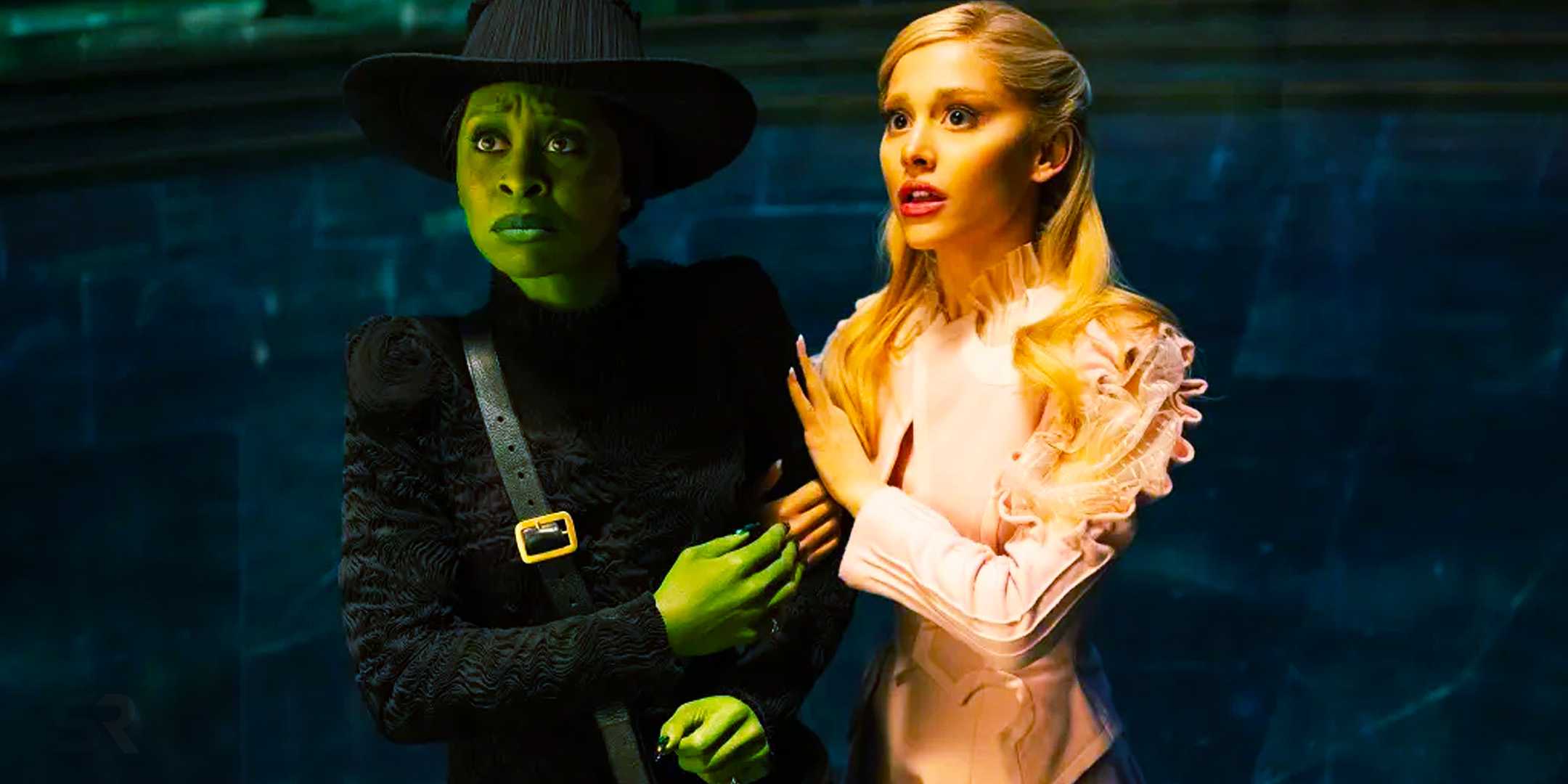
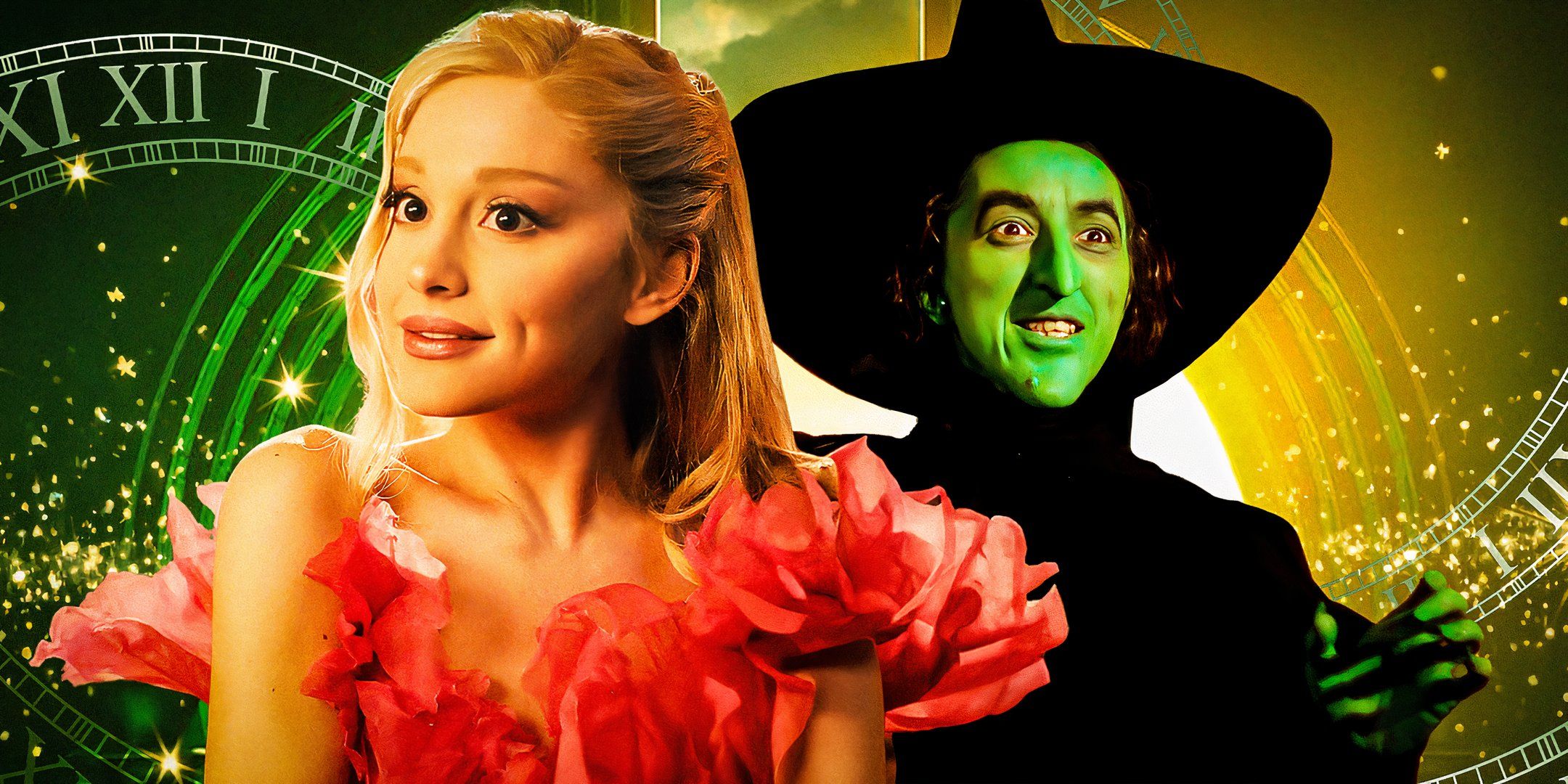
The two most pivotal songs in the musical Wicked are "Defying Gravity" and "For Good," which serve as the emotional and narrative anchors for the relationship between Elphaba and Glinda. While "Defying Gravity" represents Elphaba’s radical declaration of independence and moral awakening, "For Good" acts as the poignant resolution to the story’s central friendship, exploring how people permanently alter one another’s lives.
Since its Broadway debut in 2003 and the global cinematic phenomenon of the mid-2020s, Wicked has remained a cornerstone of modern musical theater. As we look at the legacy of the show in 2026, these two songs continue to be studied for their complex lyrical structure, leitmotifs, and the way they subvert the traditional "hero’s journey." To understand Wicked, one must understand the internal mechanics of these two specific tracks.
The Narrative Weight of Stephen Schwartz’s Composition
Stephen Schwartz, the visionary composer and lyricist behind Wicked, designed the score to be more than just a collection of catchy tunes; it is a symphonic map of character evolution. By 2026, musicologists have frequently cited Wicked as a masterclass in the use of the "Leitmotif"—a short, recurring musical phrase associated with a particular person, idea, or situation.
In "Defying Gravity" and "For Good," these motifs are at their most potent. Schwartz famously integrated the first seven notes of "Over the Rainbow" into the "Unlimited" theme, a subtle nod to the source material that creates a subconscious emotional resonance for the audience. However, he recontextualizes these notes to fit a world where "The Wizard" is a fraud and "The Wicked Witch" is the only one with the courage to speak the truth.
1. Defying Gravity: The Anthem of Radical Autonomy
"Defying Gravity" is the finale of Act I and is widely considered one of the most difficult and iconic songs in the musical theater canon. It marks the moment Elphaba stops trying to fit into the corrupt system of Oz and chooses to embrace her own power, even if it means being branded as "wicked."
The Context of the Conflict
The song takes place immediately after Elphaba and Glinda meet the Wizard of Oz. Elphaba discovers that the Wizard is not the great and powerful figure she worshipped; rather, he is a powerless orator who uses fear and propaganda to suppress the "Animals" (the sentient, talking creatures of Oz) to maintain his own status.
When Elphaba refuses to join his regime, she is forced to flee. "Defying Gravity" begins as a frantic dialogue between Glinda and Elphaba. Glinda, ever the pragmatist, pleads with Elphaba to apologize and conform so they can both have the lives they "dreamed of."
Lyrical Breakdown: "I’m Through With Playing by the Rules"
The lyrics in "Defying Gravity" represent a shift from external validation to internal conviction.
- "Something has changed within me, something is not the same": This opening line establishes the internal shift. Elphaba realizes that her previous goals—working with the Wizard—were based on a false premise.
- "I’m through with playing by the rules of someone else's game": This is a direct indictment of the Wizard’s patriarchal and authoritarian structure. It isn't just about magic; it’s about political and social agency.
- "Unlimited": This recurring motif is used here to show Elphaba’s realization that her potential is no longer capped by the expectations of Ozian society.
Musical Structure and Vocal Demand
Musically, the song is built on a sense of rising tension. It starts with sharp, staccato notes as Elphaba and Glinda argue, reflecting their agitation. As Elphaba finds her resolve, the orchestration swells, moving from a rhythmic, nervous energy into a soaring, melodic power ballad.
The "battle" at the end of the song, where Elphaba’s vocals reach a high E-flat (in many arrangements), serves as a sonic representation of her literal and metaphorical flight. When she sings "Look at me, I’m flying," she isn't just hovering on a broomstick; she is transcending the limitations of her past.
2. For Good: The Philosophy of Mutual Transformation
If "Defying Gravity" is about the self, "For Good" is about the "other." Occurring near the very end of Act II, this song is the final conversation between Elphaba and Glinda before Elphaba "disappears" and Glinda assumes her role as the leader of Oz.
The Context of Forgiveness
By this point in the narrative, both women have lost almost everything. Elphaba is a hunted fugitive, and Glinda is trapped in a public persona she no longer believes in. They recognize that despite their vastly different paths—one seen as "Good" and the other as "Wicked"—they were the only two people who truly saw and understood each other.
Lyrical Analysis: "Like a Comet Pulled from Orbit"
"For Good" uses naturalistic metaphors to describe the impact of human relationships. The lyrics move away from the high-stakes politics of Oz to focus on the intimate, transformative nature of friendship.
- "I've heard it said that people come into our lives for a reason": This sets a reflective, almost spiritual tone. It suggests that their meeting was not accidental but predestined to facilitate growth.
- "Like a comet pulled from orbit as it passes a sun": This metaphor beautifully illustrates how two people don’t have to stay together forever to permanently change one another’s trajectory. Their gravity affects one another even after they part.
- "Because I knew you, I have been changed for good": The phrase "for good" acts as a double entendre. It means "forever," but it also suggests they have been changed for the better, becoming more "good" than they were before they met.
The Power of the Duet
The song is structured as a series of solo verses followed by a bridge where their voices finally intertwine in perfect harmony. In the world of musical theater, harmony often symbolizes reconciliation and unity. In "For Good," the fact that they can finally sing together without the competition or bickering seen in earlier songs like "What Is This Feeling?" shows that they have achieved a state of mutual respect and love.
Comparative Analysis: Defying Gravity vs. For Good
While both songs are essential to the Wicked experience, they serve different functions in the narrative and thematic structure of the story.
| Feature | Defying Gravity | For Good |
|---|---|---|
| Placement | Act I Finale | Act II Conclusion |
| Primary Theme | Empowerment & Rebellion | Friendship & Legacy |
| Emotional Tone | Aggressive, Triumphant, Defiant | Reflective, Melancholic, Grateful |
| Key Symbolism | The Broom/Flight (Agency) | The Handprint (Lasting Impact) |
| Character Focus | Elphaba’s internal growth | The bond between Elphaba and Glinda |
| Musical Peak | High Belt (E-flat) | Soft Harmonic Unison |
Technical Depth: The "Unlimited" Motif in Both Songs
A fascinating aspect of these two songs is how Stephen Schwartz utilizes the "Unlimited" theme differently in each.
In "Defying Gravity," the theme is used aggressively. It is Elphaba’s battle cry. It is loud, backed by brass, and fast-paced. It represents the "unlimited" power she feels as she realizes she can cast spells without the Wizard’s permission.
In "For Good," the theme returns in the bridge, but it is stripped down. It is played on a piano or soft woodwinds. When Elphaba sings, "And just to say, I learned from you," she is using the same melodic structure from "Defying Gravity," but applying it to the lessons of the heart rather than the lessons of magic. This musical callback tells the audience that Elphaba’s greatest "unlimited" potential wasn't her magic—it was her capacity to love and be changed by a friend.
The Impact of the 2024-2025 Film Adaptations on These Songs
In 2026, we can look back at the two-part Wicked film adaptation as a defining moment for these songs. The films allowed for a more intimate look at the performances.
- Defying Gravity (Film Version): The use of immersive sound design and a literal "shattering" of the Wizard’s glass windows provided a visceral weight to the song that is sometimes lost in the theater's balcony. The visual of Elphaba breaking through the roof of the Emerald City became the definitive image of 2024 cinema.
- For Good (Film Version): The film's ability to use close-up shots highlighted the subtle emotional shifts between the actors. In 2026, critics still point to the "For Good" sequence as a masterclass in nuanced acting, where the silence between the notes was just as important as the singing itself.
Common Misinterpretations
Despite their popularity, several common misconceptions persist about these two tracks:
- Is "Defying Gravity" purely happy? No. While it is an anthem of empowerment, it is also a song of immense loss. Elphaba is losing her reputation, her home, and her best friend. The "gravity" she is defying is also the safety of a normal life.
- Is "For Good" a romantic song? While it follows the structure of a love ballad, Schwartz has always maintained it is a "friendship love" song. It celebrates the platonic bond which, in many ways, is portrayed as more transformative and stable than the romantic subplots in the show.
- Does "For Good" mean Elphaba is dead? In the context of the musical, the song happens before Elphaba fakes her death. It is a goodbye because she knows she can never return to the life Glinda inhabits, not because she is literally passing away at that moment.
FAQ: Understanding the Lyrics and Legacy
Why does Elphaba say "Unlimited, my future is unlimited" in both songs?
This is a leitmotif designed to show character development. In the first song, it’s about her potential for power and change. In the second, it’s a bittersweet acknowledgment that her "unlimited" future now involves a life in hiding, away from the person she cares about most.
Who wrote the songs for Wicked?
Stephen Schwartz wrote the music and lyrics. He is also famous for Godspell, Pippin, and the lyrics for Disney’s Pocahontas and The Hunchback of Notre Dame. His work on Wicked is considered his "magnum opus" because of its intricate thematic layering.
What is the "Unlimited Theme" actually based on?
Schwartz has publicly stated that the first seven notes of the "Unlimited" theme are the same as the first seven notes of "Over the Rainbow" from the 1939 Wizard of Oz film. However, the rhythm and harmony are changed so significantly that it is a legal "re-imagining" rather than a direct copy, serving as a clever "Easter egg" for fans.
Why is "Defying Gravity" so hard to sing?
The song requires a "mix-belt" technique that puts significant strain on the vocal cords if not done correctly. It requires the singer to maintain high energy and volume across a wide range, often while being physically suspended in the air by a mechanical lift or harness.
What is the main message of "For Good"?
The main message is that our identities are not fixed; they are shaped by the people we encounter. It posits that the "goodness" of a person isn't a static trait but a result of the empathy and perspective gained through challenging relationships.
Moving Forward: The Eternal Relevance of Wicked
As of 2026, the songs of Wicked have moved beyond the realm of musical theater and into the broader cultural consciousness. "Defying Gravity" remains a go-to anthem for anyone facing systemic oppression or personal crossroads, while "For Good" is a staple at graduations, funerals, and farewell ceremonies.
To truly appreciate these songs, one should listen to the original 2003 Broadway cast recording (featuring Idina Menzel and Kristin Chenoweth) alongside the 2024/2025 film soundtracks. Comparing the different vocal choices—the "power" approach vs. the "cinematic" approach—reveals the versatility of Schwartz’s writing.
Whether you are a new fan introduced by the films or a long-time "Ozzian," the explanation of these two songs reveals a simple truth: Wicked isn't a story about magic or witches. It is a story about the courage it takes to be oneself and the profound grace found in a true friendship.