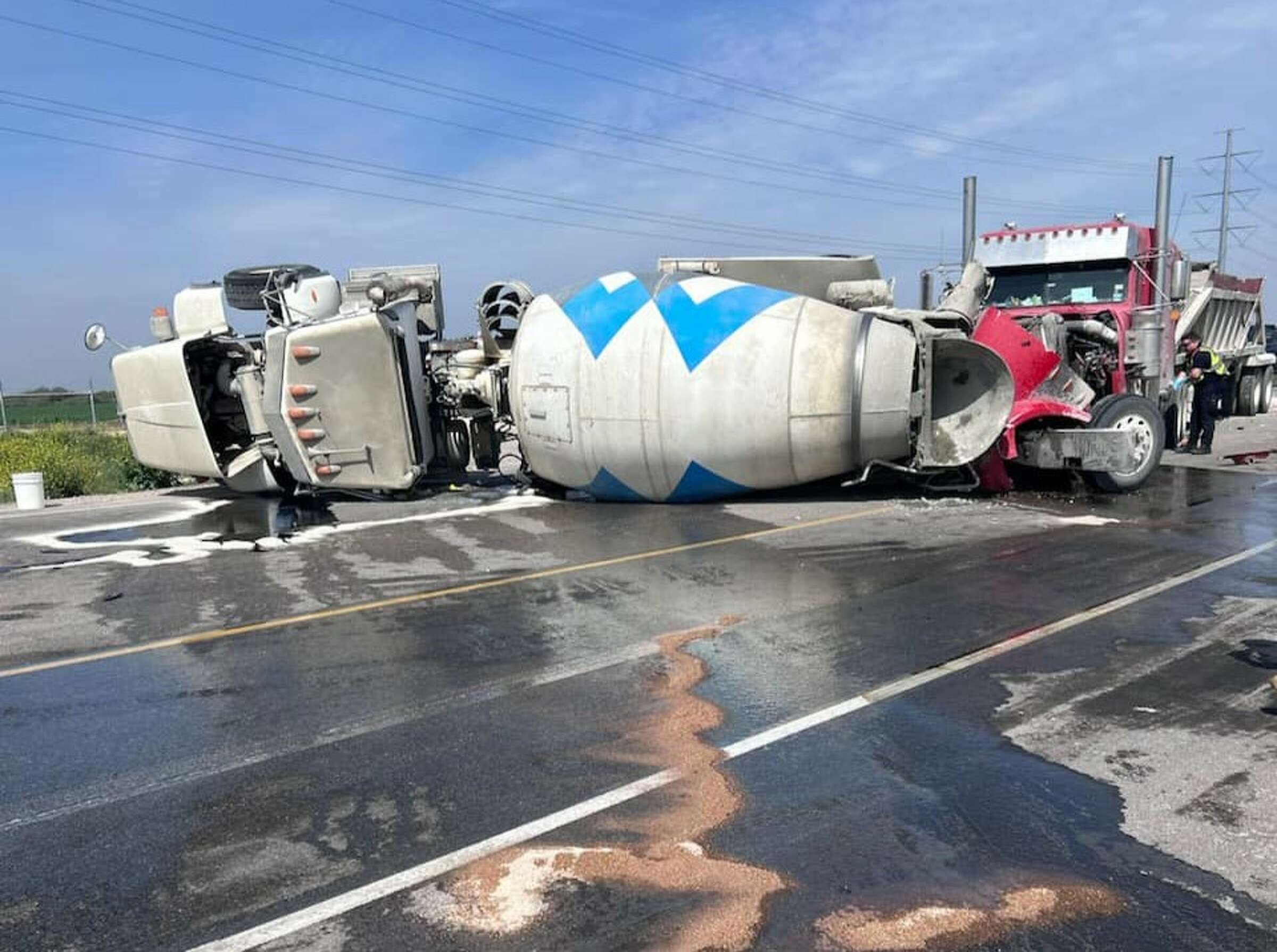
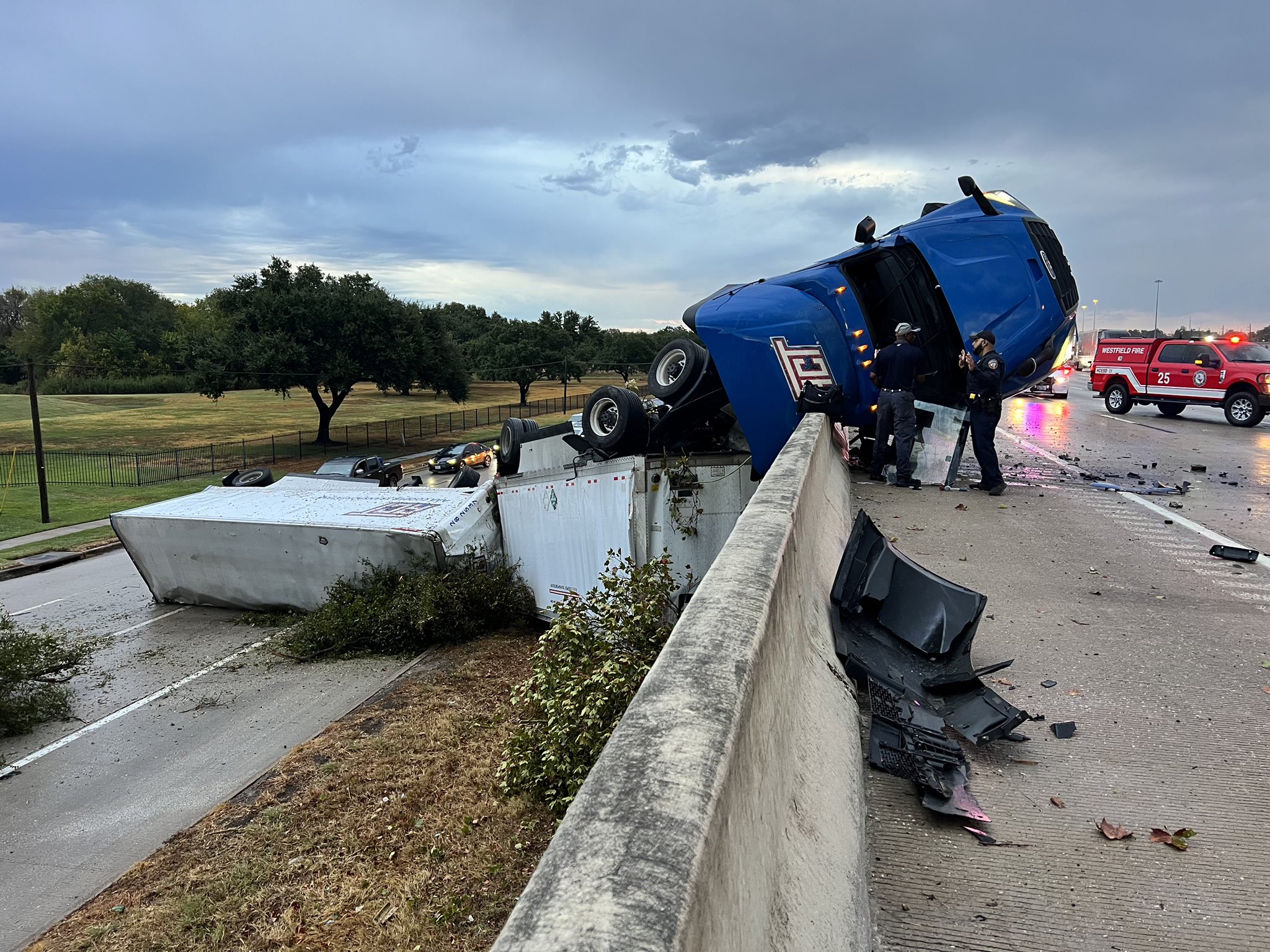
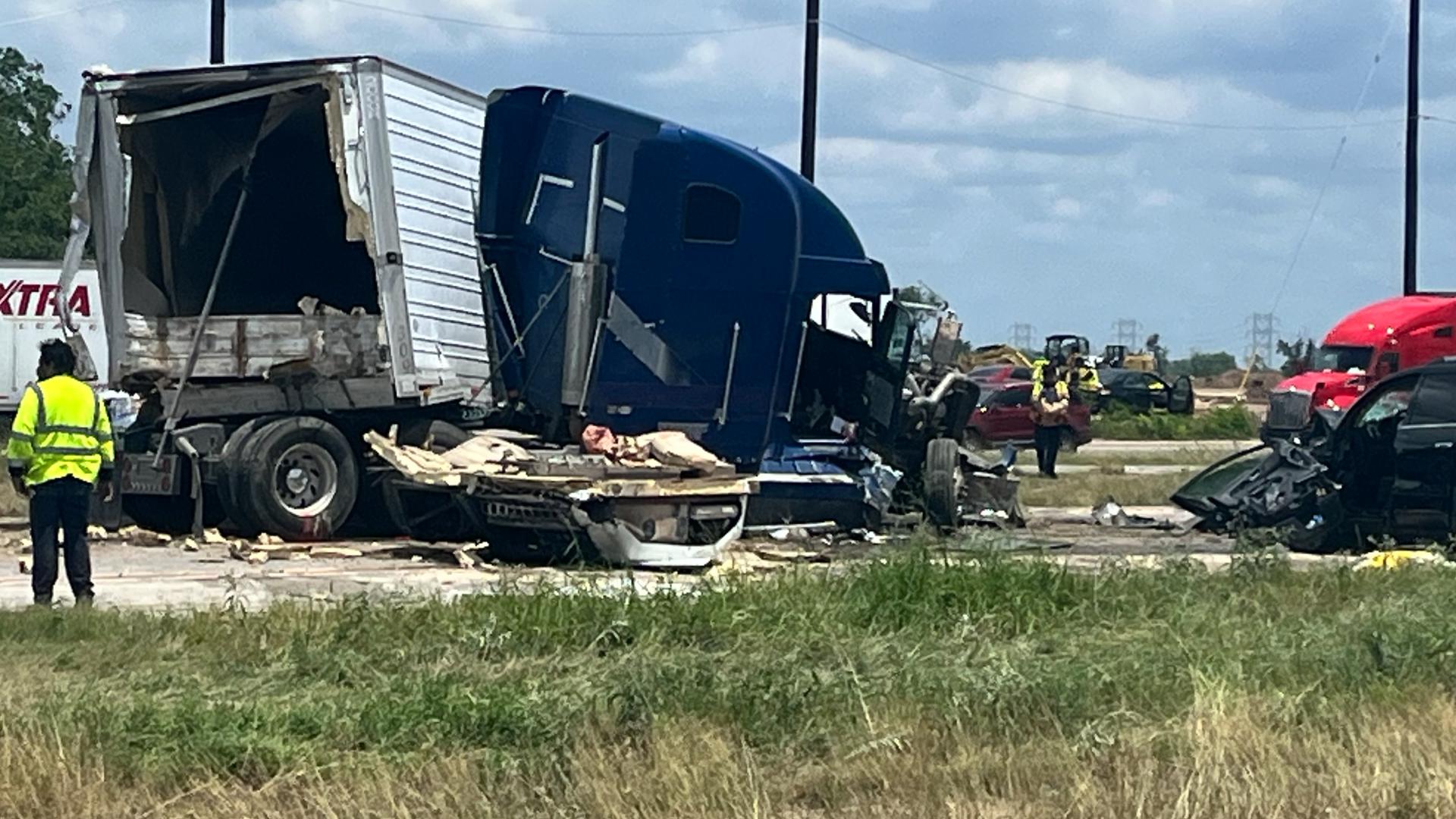
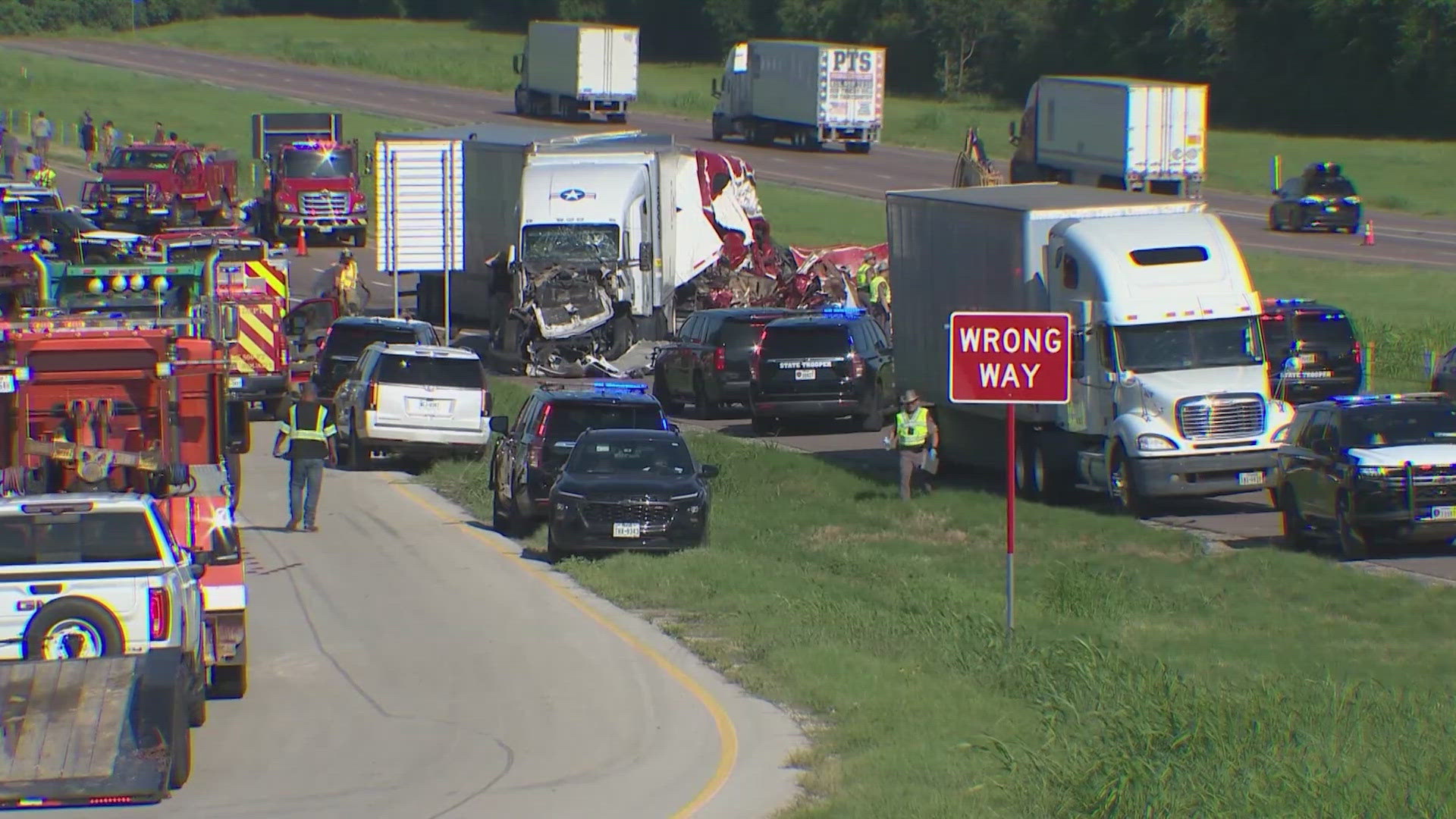
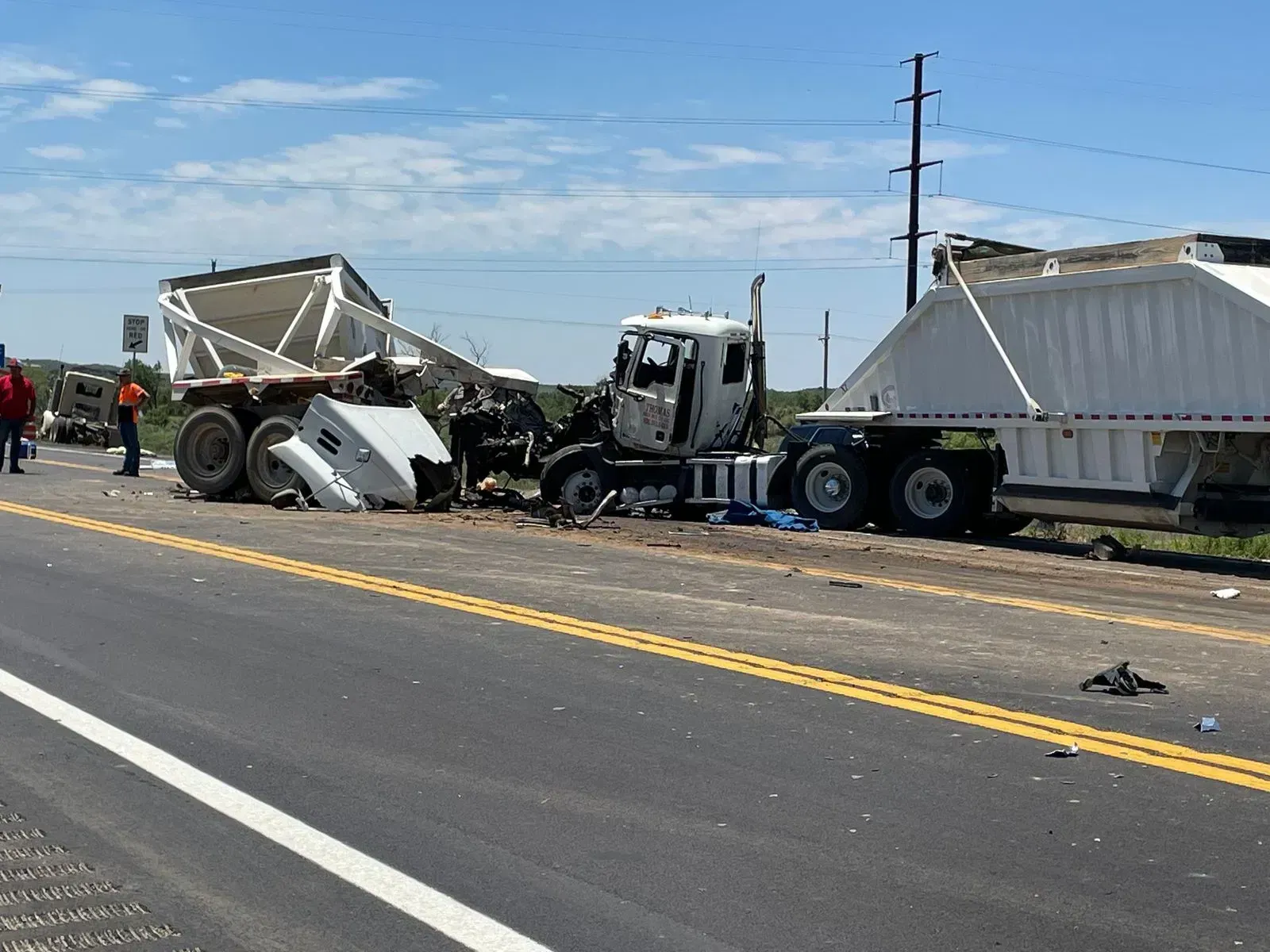
An 18 wheeler crash in Texas triggers a complex chain of federal and state regulations, aggressive insurance defense tactics, and severe physical and financial challenges for victims. Securing appropriate medical care, preserving critical evidence like electronic logging data, and understanding Texas comparative negligence laws are vital steps for protecting your legal rights and recovery.
The vast interstate and state highway network spanning Texas—including heavy freight corridors like Interstate 35, Interstate 10, and Interstate 45—makes commercial trucking a backbone of the regional economy. However, the sheer size and weight disparity between a commercial semi-truck and a passenger vehicle often result in catastrophic injuries or fatalities when collisions occur. Navigating the aftermath of a commercial motor vehicle (CMV) accident requires an immediate, methodical approach that differs significantly from a standard passenger car collision.
Understanding the Scope and Regulatory Environment of Texas Trucking Accidents
Commercial trucking is heavily regulated at both the federal and state levels. Unlike standard automobile crashes, where liability may simply involve two drivers disputing right-of-way, an 18-wheeler collision implicates federal safety mandates, corporate entities, third-party maintenance contractors, and specialized insurance policies.
Federal Motor Carrier Safety Administration (FMCSA) Regulations
The operations of commercial motor carriers are governed by the Federal Motor Carrier Safety Administration under Title 49 of the Code of Federal Regulations (49 CFR). These rules dictate nearly every aspect of a trucker's professional life and equipment maintenance, including:
- Hours of Service (HOS): Strict limits on driving hours to combat driver fatigue, requiring electronic logging devices (ELDs) to record duty status automatically.
- Driver Qualifications: Mandatory background checks, medical certifications, drug and alcohol testing records, and commercial driver's license (CDL) verifications.
- Vehicle Inspection and Maintenance: Routine safety inspections, mandatory pre-trip and post-trip checks, and detailed repair logs for brakes, tires, steering systems, and coupling devices.
- Cargo Securement: Specific engineering standards and weight distributions required to prevent shifting loads or cargo spills.
When an accident occurs, determining whether the motor carrier or the driver violated these federal rules is often the cornerstone of establishing liability. A violation of an FMCSA regulation can serve as powerful evidence of negligence under Texas law.
Texas Department of Transportation (TxDOT) Oversight
In addition to federal standards, commercial trucks operating intrastate—and interstate trucks traveling within state borders—must comply with Texas transportation laws enforced by the Texas Department of Transportation and the Texas Department of Public Safety (TxDPS). TxDPS commercial vehicle enforcement troopers routinely inspect trucks for mechanical defects and weight compliance. Crash reports filed by TxDPS officers provide an initial factual record, though independent accident reconstruction is frequently necessary to uncover underlying corporate negligence.
Immediate Steps to Take Following an 18-Wheeler Collision
The moments following a heavy truck crash are chaotic and overwhelming, but the actions taken at the scene and immediately afterward heavily influence both medical recovery and legal outcomes.
1. Prioritize Safety and Medical Attention
The immediate priority is life safety. Call 911 immediately to summon emergency medical services and law enforcement. Even if injuries appear minor or non-existent at first, the high-impact nature of an 18-wheeler crash often causes delayed-onset trauma, internal bleeding, or traumatic brain injuries (TBIs) that adrenaline may mask. Accepting a thorough medical evaluation at the scene or at a hospital creates a contemporaneous medical record linking injuries directly to the collision.
2. Document the Scene Extensively
If physical condition and safety permit, gathering visual evidence at the scene is critical. Commercial trucks can be moved or repaired rapidly, and transient evidence disappears quickly. Useful documentation includes:
- Photographs and Videos: Capture wide-angle shots of the entire accident scene, vehicle resting positions, skid marks, debris fields, weather conditions, and traffic signs. Photograph the specific damage to all vehicles from multiple angles.
- Truck Identifiers: Clearly photograph the USDOT number and motor carrier company name painted or decaled on the side of the cab and trailer. License plate numbers for both the tractor and trailer are essential.
- Witness Information: Collect names, phone numbers, and statements from independent eyewitnesses who watched the crash unfold.
- Police Report Details: Obtain the investigating officer's name, badge number, department, and the accident report identification number.
3. Avoid Admitting Fault or Speculating
When speaking with investigating officers, other drivers, or insurance representatives, state only objective facts. Never apologize, speculate on causes, or admit partial fault. Commercial insurance adjusters and defense attorneys examine recorded statements meticulously to find phrases that can be twisted to diminish or deny liability.
Identifying All Potentially Liable Parties
One of the most complex aspects of an 18-wheeler crash in Texas is identifying every corporate entity and individual whose negligence contributed to the collision. Unlike standard auto accidents, liability rarely rests solely on the driver.
| Responsible Party | Potential Basis for Liability | Common Evidence Required |
|---|---|---|
| The Truck Driver | Distracted driving, speeding, fatigue, driving under the influence, failure to maintain lane, or rule violations. | Electronic Logging Device (ELD) data, cell phone records, toxicology reports, driving history. |
| The Motor Carrier (Employer) | Negligent hiring, improper training, pushing drivers to violate hours-of-service rules, or negligent vehicle maintenance. | Company dispatch logs, hiring files, safety audit history, maintenance records. |
| The Cargo Shipper or Loader | Overloading the trailer, improper weight distribution, or failing to secure cargo according to federal standards. | Bill of lading, loading dock surveillance, weight station receipts. |
| Maintenance Contractors | Defective repairs, failure to identify worn brake pads or tires, substandard mechanical work. | Invoices, work orders, service logs, physical inspection of failed parts. |
| Parts Manufacturers | Design or manufacturing defects in critical truck components, such as tires, steering columns, or air brake systems. | Product recall notices, expert engineering analysis, metallurgical testing. |
Preserving Critical Evidence: The Spoliation Letter
Commercial trucking companies and their insurers deploy rapid-response investigation teams to accident scenes within hours of a crash to minimize their liability. To level the playing field, injured parties must act quickly to secure ephemeral evidence held exclusively by the trucking company.
This is accomplished by sending a formal legal notice known as a spoliation letter (or preservation of evidence letter) to the motor carrier, its safety director, and its insurance carrier. This document legally obligates the company to preserve specific types of data and physical evidence, including:
- ECM and Event Data Recorders (EDR): The truck’s "black box" data, which records speed, braking applications, throttle position, and engine RPMs in the seconds leading up to impact.
- Telematics and GPS Data: Real-time location tracking, routing history, and automated messaging between the driver and dispatch.
- Driver Qualification Files: Background checks, medical certificates, drug test results, and prior employment records.
- Maintenance and Repair Records: Documentation showing whether the truck was properly serviced before the trip.
- Dashcam Footage and In-Cab Video Systems: Many modern fleets utilize outward- and inward-facing cameras that capture driver behavior and road conditions.
Destroying, altering, or failing to preserve this evidence after receiving a spoliation letter can lead to severe sanctions in court, including judicial instructions allowing a jury to assume the destroyed evidence would have proven the trucking company's negligence.
Texas Legal Framework Affecting Truck Accident Claims
Filing a personal injury or wrongful death lawsuit in Texas involves navigating specific state statutes that govern timelines, fault distribution, and financial recovery caps.
Statute of Limitations
Under the Texas Civil Practice and Remedies Code § 16.003, the standard statute of limitations for personal injury and property damage claims arising from a motor vehicle collision is two years from the date of the accident. For wrongful death claims, the two-year period generally begins on the date of the individual's death. Failing to file a lawsuit within this window permanently bars the right to seek compensation through the court system.
Modified Comparative Fault Rule
Texas follows a modified comparative fault system with a 51% bar threshold (often referred to as proportional responsibility). Under this rule, an injured plaintiff can recover damages as long as their percentage of responsibility for the crash does not exceed 50%. If a jury determines a plaintiff is 51% or more at fault, they recover nothing. If the plaintiff is found to be 30% at fault, their total financial recovery is reduced by 30%.
Insurance adjusters frequently attempt to shift a disproportionate share of blame onto passenger vehicle drivers—alleging unsafe lane changes, following too closely, or failing to yield—to reduce payouts or eliminate liability under this rule.
Types of Recoverable Damages
Victims of commercial truck collisions face immense physical, emotional, and financial tolls. Texas law permits the recovery of both economic and non-economic damages:
- Economic Damages: Objective, quantifiable financial losses, including past and future medical expenses, rehabilitation costs, lost wages, diminished earning capacity, and property damage (such as vehicle replacement).
- Non-Economic Damages: Subjective losses, including physical pain and suffering, mental anguish, physical impairment, disfigurement, and loss of companionship or consortium.
- Exemplary (Punitive) Damages: In rare cases where the trucking company or driver exhibited gross negligence, malice, or conscious indifference to public safety (such as knowingly forcing an exhausted driver on the road or driving under the influence), Texas courts may award punitive damages to punish the wrongdoer and deter similar conduct.
Frequently Asked Questions
What makes an 18-wheeler crash different from a standard car accident?
An 18-wheeler crash differs due to the massive physical mass of commercial trucks, which often causes catastrophic injuries. Legally, these cases involve complex federal safety regulations (FMCSA), multiple corporate defendants (drivers, trucking companies, shippers, maintenance providers), and aggressive commercial insurance defense teams deploying rapid-response investigators.
How soon after an 18-wheeler accident should legal representation be obtained?
Consulting an attorney experienced in commercial truck litigation as soon as possible is crucial. Trucking companies often dispatch investigators to the scene immediately. An attorney can swiftly issue spoliation letters to preserve vital electronic data (black box, ELDs, GPS tracking) and company records before they can be legally overwritten or discarded.
What is an Electronic Logging Device (ELD) and why is it important?
An Electronic Logging Device automatically records a commercial truck driver’s duty status, driving time, rest breaks, and vehicle movement. Under federal law, most interstate carriers must use ELDs. This data is critical for proving whether a driver violated Hours-of-Service rules and was driving while fatigued at the time of the crash.
Can I still recover damages if I was partially at fault for the truck accident?
Yes, under Texas modified comparative negligence laws, you can recover damages as long as you are not 51% or more at fault for the crash. However, your total financial compensation will be reduced by your exact percentage of assigned fault.
What insurance coverage limits apply to commercial trucks?
Federal regulations require interstate commercial motor carriers to carry high minimum liability insurance policies—typically ranging from $750,000 to $5,000,000 or more depending on whether they transport general freight, oil, hazardous materials, or passengers. Many commercial fleets also carry secondary umbrella or excess policies, making total available coverage significantly higher than standard personal auto policies.
Recommended Next Actions
If you or a loved one has been involved in an 18-wheeler crash in Texas, protecting your health and legal rights requires decisive action:
- Prioritize Medical Continuity: Follow all prescribed treatment plans, attend specialist appointments, and keep meticulous records of all healthcare expenses and medical communications.
- Secure Records: Request copies of the official TxDPS accident report and gather any personal documentation, photographs, or witness contacts collected at the scene.
- Decline Early Settlement Offers: Commercial insurance adjusters often contact victims quickly with low settlement offers before the full scope of medical injuries and long-term financial impacts is understood. Signing a release prematurely permanently waives the right to seek additional compensation.
- Consult Qualified Counsel: Speak with an experienced Texas truck accident attorney who possesses the resources to conduct independent forensic reconstruction, depose corporate officers, and challenge defense strategies effectively.