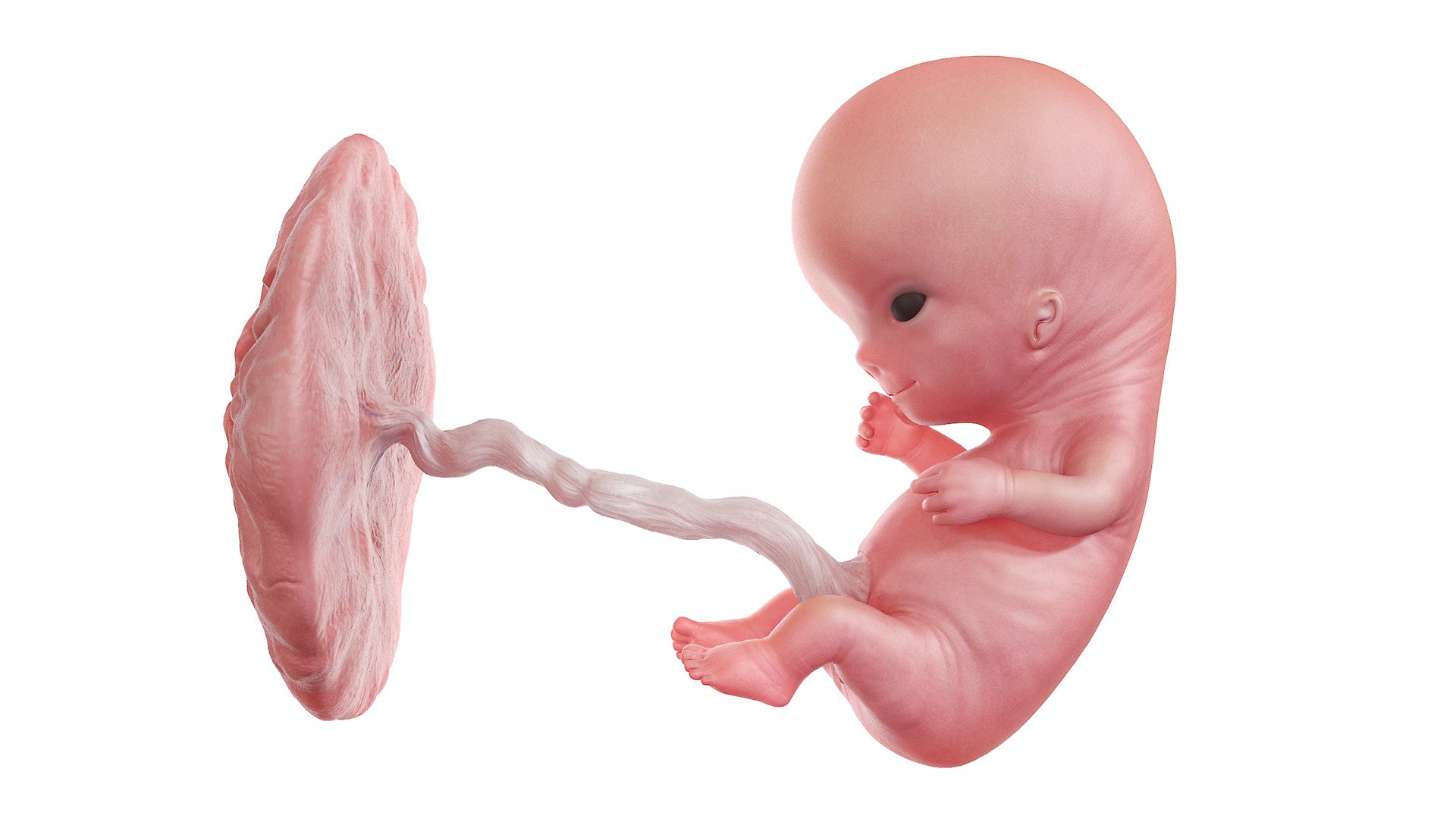
At 10 weeks of pregnancy, a fetus is approximately the size of a prune or a kumquat, measuring roughly 1.2 to 1.5 inches (3 to 3.8 centimeters) from crown to rump and weighing about 0.14 ounces (4 grams). This period marks a major biological transition from the embryonic stage to the fetal stage, signifying that all major organ systems have formed and will now focus on growth and refinement.
The Transition from Embryo to Fetus
Reaching the 10-week mark is a significant psychological and physiological milestone for expectant parents. Biologically, the first trimester is nearing its final month, and the critical window of organogenesis—the formation of organs—is largely complete.
Up until this point, the developing organism was classified as an embryo. As it enters the 10th week, it officially becomes a fetus. This shift means that the foundational blueprint of the human body is established. The microscopic structures that began as a cluster of cells have now organized into distinct bodily systems. From this point forward, development is primarily characterized by growth in size, weight, and functional maturity rather than the creation of entirely new anatomical structures.
Medical professionals use standardized dating and measurement techniques to monitor this rapid development. Understanding these metrics helps ensure that the pregnancy is progressing as expected, providing reassurance to parents while equipping healthcare providers with vital tracking data.
Exact Measurements and Fruit Comparisons
To help parents visualize rapid developmental changes, pediatric and obstetric resources frequently use familiar food comparisons. At 10 weeks, the fetus is commonly compared to a prune, a strawberry, or a kumquat.
Numerically, standard clinical measurements during this gestational window rely on specific biometric parameters:
- Crown-Rump Length (CRL): This is the most accurate measurement for dating a pregnancy in the first trimester. At 10 weeks, the average CRL ranges from 31 mm to 42 mm (1.22 to 1.65 inches).
- Weight: The average weight hovers around 4 grams (0.14 ounces), which is roughly equivalent to a paperclip or a small coin.
- Head-to-Body Proportion: The head still makes up nearly half of the total length of the fetus due to rapid brain development, though the body is beginning to elongate and straighten out.
| Gestational Age | Common Fruit Comparison | Average Crown-Rump Length (CRL) | Average Weight |
|---|---|---|---|
| 8 Weeks | Raspberry | 14 mm to 20 mm | 1 gram |
| 9 Weeks | Green Olive | 22 mm to 30 mm | 2 grams |
| 10 Weeks | Prune / Kumquat | 31 mm to 42 mm | 4 grams |
| 11 Weeks | Fig | 44 mm to 60 mm | 7 grams |
| 12 Weeks | Plum | 61 mm to 79 mm | 14 grams |
Anatomical and Physiological Changes at 10 Weeks
Although the fetus is still quite small, its body undergoes complex internal and external changes during the 10th week of gestation. These developments lay the groundwork for movement, sensory perception, and metabolic function.
Skeletal and Muscular System Development
During week 10, bones and cartilage begin to harden. The arms and legs have lengthened, and the elbows and wrists are fully formed, allowing the fetus to bend its arms. Tiny fingers and toes are distinct, and the webbing between them has completely dissolved. Even fingernails and toenails are beginning to form beneath the surface.
Organ Maturation and Facial Features
The vital organs—including the liver, kidneys, intestines, and brain—are fully positioned and operational on a rudimentary level. The liver is currently producing red blood cells, a task that bone marrow will eventually take over later in pregnancy.
On the face, the profile is becoming more defined. The eyes, which started on the sides of the head, have moved closer together and are covered by eyelids that will soon fuse shut until the late second trimester. The external ears are continuing to take shape on the sides of the head, and the upper lip and tiny tooth buds are forming inside the mouth.
How Ultrasound Measures Fetus Size
An ultrasound is the primary clinical tool used to visualize a 10-week fetus and verify its size. While routine anatomy scans typically happen later around 20 weeks, a first-trimester ultrasound—often performed between 8 and 13 weeks—provides essential baseline data.
Transabdominal vs. Transvaginal Ultrasound
Depending on maternal anatomy, body habitus, and the exact position of the uterus, a healthcare provider may perform a transabdominal ultrasound (wand moved across the lower abdomen) or a transvaginal ultrasound (a specialized wand inserted gently into the vagina). Because a 10-week fetus is still very small, a transvaginal scan often provides a much clearer, higher-resolution image.
Interpreting Ultrasound Metrics
During the scan, the sonographer captures freeze-frames to measure the crown-rump length. This measurement allows the clinician to:
- Confirm the estimated due date (EDD) with a high degree of accuracy.
- Check for a strong, regular fetal heartbeat, which typically ranges from 120 to 160 beats per minute at this stage.
- Evaluate the gestational sac and yolk sac.
- Identify whether the pregnancy is singleton or multiple (twins, triplets, etc.).
Factors That Influence Fetal Growth Variations
Parents frequently worry if their fetus measures slightly ahead or behind the standard charts. In most cases, minor variations are completely normal and do not indicate a problem.
Several physiological and external variables influence these measurements:
- Dating Accuracy: Ovulation and conception do not always occur precisely on the standard 14th day of a 28-day cycle. If a person has irregular cycles, conception may have happened later than calculated, making the fetus appear smaller than expected based on the last menstrual period (LMP).
- Genetics: Biological parents' heights, builds, and birth weights can influence fetal growth patterns, even in the earliest stages of pregnancy.
- Measurement Limitations: Ultrasound technicians are measuring objects that are only a few centimeters long on a digital screen. A microscopic shift in the placement of the electronic calipers can result in a difference of a few days in estimated gestational age.
Clinical guidelines from organizations such as the American College of Obstetricians and Gynecologists (ACOG) emphasize that adjustments to the due date are common and expected if the ultrasound measurement differs from the LMP-calculated date by more than a week during the first trimester.
Maternal Changes and Symptoms at 10 Weeks
As the fetus grows to the size of a prune, the pregnant individual experiences significant hormonal shifts, primarily driven by progesterone and human chorionic gonadotropin (hCG).
- Physical Adjustments: The uterus is expanding rapidly and is now roughly the size of a grapefruit. While a visible "baby bump" may not yet be obvious to the outside world, many individuals notice that their standard waistbands feel tight.
- Common Symptoms: Fatigue remains prominent as the body expends substantial energy supporting placental development and fetal growth. Nausea and morning sickness may persist, though many people find that symptoms begin to stabilize as the placenta takes over hormone production heading into the second trimester. Frequent urination and breast tenderness are also typical due to increased blood volume and hormonal stimulation.
Disclaimer: This article is for informational purposes only and does not substitute for professional medical advice, diagnosis, or treatment. Always consult a qualified healthcare provider with any questions regarding a medical condition or pregnancy.
Frequently Asked Questions
Can I feel a 10-week fetus move?
No, most people cannot feel fetal movement at 10 weeks. Even though the fetus is actively moving, bending its limbs, and shifting inside the amniotic sac, it is simply too small, and the cushioning of the uterine wall and amniotic fluid is too thick for these movements to be perceived by the mother. Initial movements, known as "quickening," are typically felt between 16 and 22 weeks, depending on whether it is a first pregnancy and the position of the placenta.
Is a 10-week fetus fully formed?
Yes, in terms of foundational anatomy. By the 10th week, the embryonic period has ended, meaning all major organ systems—such as the heart, brain, liver, and kidneys—have formed. While these organs are not yet fully mature or functional enough to sustain life outside the womb, they are present in their correct anatomical locations and will spend the remainder of the pregnancy growing, strengthening, and refining.
What is the normal heart rate for a 10-week fetus?
The normal fetal heart rate at 10 weeks typically ranges between 120 and 160 beats per minute. This rate is significantly faster than an adult resting heart rate because the fetal heart must pump blood efficiently through a rapidly developing circulatory system. A clinician will listen to or visualize the heartbeat during an early ultrasound to confirm viability.
Why might my ultrasound measurements differ from my due date?
Ultrasound measurements can differ from the last menstrual period (LMP) due to natural variations in when ovulation and fertilization occurred, or due to irregular menstrual cycles. Because first-trimester growth rates are relatively uniform across all pregnancies, a dating ultrasound performed during this window is considered the most accurate method for establishing or adjusting an estimated due date.
What should I do if my doctor says the fetus is measuring small?
If a healthcare provider notes that the fetus is measuring slightly small, try not to panic. This is a common occurrence and frequently just means that conception occurred later than initially calculated, altering the gestational age. The provider will likely schedule a follow-up ultrasound in one to two weeks to monitor growth velocity and ensure the pregnancy is progressing safely.