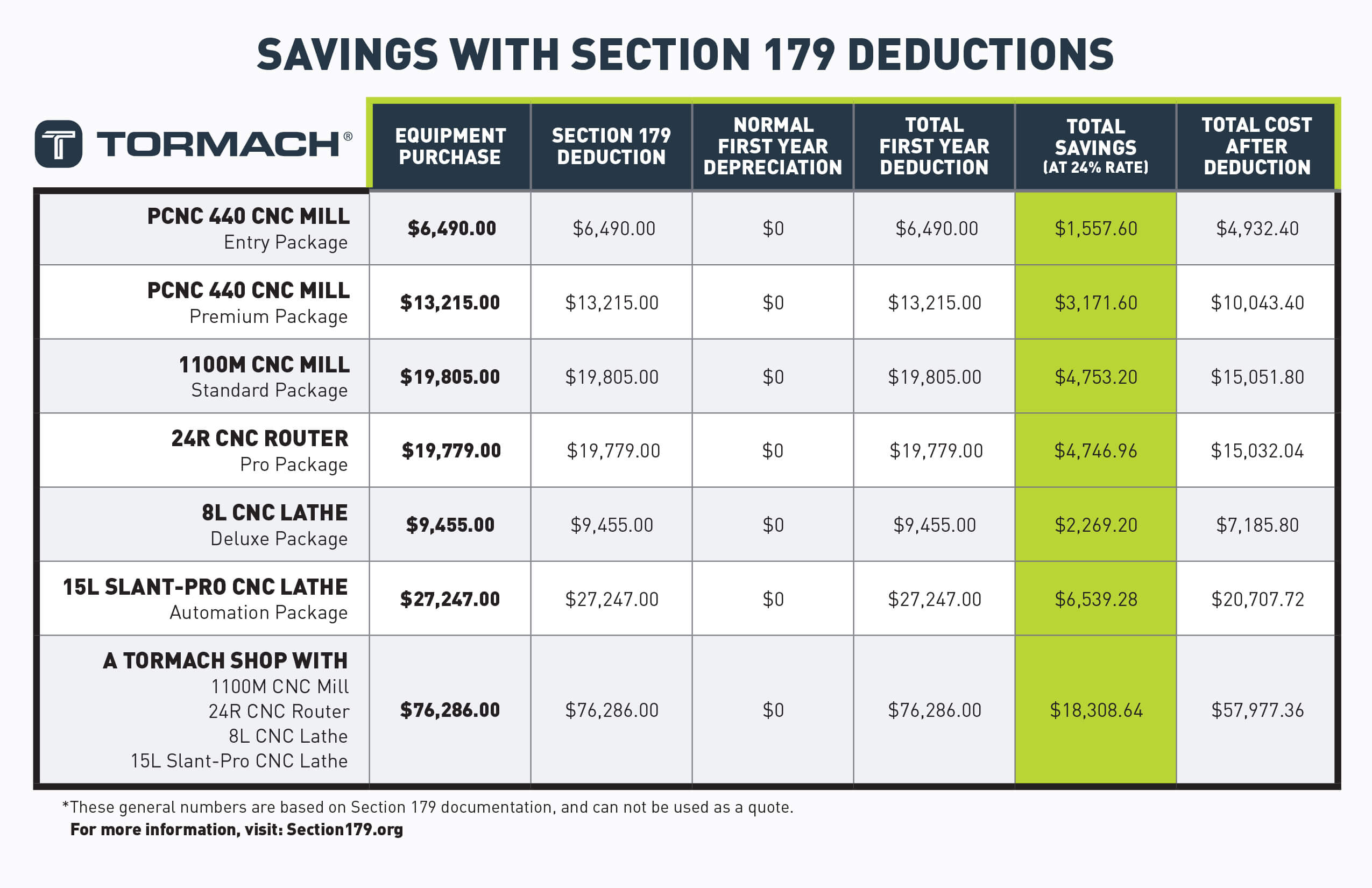
Business owners and self-employed professionals can leverage the Section 179 tax deduction to write off the full purchase price of qualifying heavy vehicles used more than 50% for business, transforming standard capital expenditures into substantial first-year tax savings. Under current Internal Revenue Service (IRS) guidelines, purchasing vehicles with a Gross Vehicle Weight Rating (GVWR) exceeding 6,000 pounds opens the door to significant write-offs, provided the automobile is placed in service before the end of the tax year.
Navigating the intersection of tax code and automotive purchases requires careful attention to vehicle specifications, weight classifications, and business-use percentages. While passenger cars face strict depreciation caps under luxury automobile limits, heavy-duty trucks, cargo vans, and specialized commercial SUVs often bypass these limitations entirely. Below is a comprehensive guide to understanding Section 179, evaluating vehicle eligibility, and exploring 10 vehicle options that traditionally qualify for these powerful tax advantages.
Understanding Section 179 and Vehicle Eligibility
Section 179 of the Internal Revenue Code was designed to encourage domestic business investment by allowing companies to deduct the full cost of qualifying equipment and software in the year it is purchased and put to use, rather than depreciating it over several years. When applied to motor vehicles, however, the rules become more nuanced due to historical tax loopholes commonly known as the "Hummer loophole."
To qualify for a Section 179 deduction, a vehicle must meet several core criteria established by the IRS:
- Business Use Percentage: The vehicle must be used for business purposes more than 50% of the time. If business use drops to 50% or less in subsequent years, the taxpayer may be forced to recapture the deduction as ordinary income.
- Gross Vehicle Weight Rating (GVWR): The vehicle must have a GVWR—the maximum operating weight rating determined by the manufacturer—of more than 6,000 pounds. Vehicles rated at 6,000 pounds GVWR or less are subject to strict luxury auto depreciation limits, which severely restrict first-year write-offs.
- Placed in Service Date: The vehicle must be purchased, financed, or leased and put into active service within the applicable tax year.
- Ownership and Documentation: Standard documentation, including mileage logs, receipts, and proof of business necessity, must be maintained to substantiate the deduction in the event of an audit.
For vehicles with a GVWR between 6,000 and 14,000 pounds that feature a bed length of less than 6 feet (such as many full-size SUVs), a specific deduction cap applies under Section 179(b), often referred to as the Sport Utility Vehicle rule. Under current limitations, the maximum Section 179 write-off for these specific vehicles is capped, though bonus depreciation can frequently be applied to cover the remaining balance. Conversely, traditional pickup trucks with an open bed longer than 6 feet, or cargo vans with enclosed driver compartments separated from the cargo area, are typically exempt from this SUV cap and may qualify for the full purchase price deduction.
Disclaimer: Tax laws are complex and subject to change based on legislative updates and individual financial situations. Business owners should consult a certified public accountant or qualified tax professional before making purchasing decisions.
10 Vehicles That Qualify for Section 179 Deduction
The following vehicles are widely recognized for possessing manufacturer specifications—specifically a GVWR exceeding 6,000 pounds—that make them prime candidates for Section 179 deductions when used predominantly for business operations.
1. Ford F-150
As one of America's best-selling full-size pickup trucks, the Ford F-150 offers multiple configurations with a GVWR surpassing 6,000 pounds. When configured with the appropriate bed length (such as the 6.5-foot or 8-foot beds) and cab style, it routinely avoids SUV depreciation caps. Contractors, field engineers, and mobile service providers frequently utilize the F-150 for hauling heavy equipment, towing trailers, and navigating rugged job sites while capturing significant tax savings.
2. Chevrolet Silverado 1500
The Chevrolet Silverado 1500 provides robust towing and payload capacities paired with heavy-duty capability. Certain configurations, particularly double-cab and crew-cab models equipped with long-bed options, exceed the crucial 6,000-pound GVWR threshold. Its versatility makes it a staple for construction supervisors, landscapers, and independent contractors requiring dependable daily commercial utility.
3. Ram 1500
Known for its comfortable ride and powerful engine lineup, the Ram 1500 also qualifies for Section 179 when configured correctly. Crew cab and quad cab models with heavy towing packages easily clear the 6,000-pound weight requirement. Business owners appreciate the balance of interior workspace—acting as a mobile office—and heavy-duty hauling capability.
4. Ford Transit Cargo Van
For delivery services, mobile mechanics, and tradespeople who need secure, enclosed cargo space, the Ford Transit Cargo Van is an industry standard. Available in multiple roof heights and wheelbases, the Transit features a high GVWR that easily places it in the heavy vehicle category. Its cavernous interior allows for custom shelving, tool storage, and inventory transport, making it an exceptional commercial asset.
5. Mercedes-Benz Sprinter Cargo Van
The Mercedes-Benz Sprinter is renowned for its reliability, extensive network of service centers, and massive cargo capacity. With gross vehicle weight ratings ranging from standard heavy-duty classifications up to dual-rear-wheel models exceeding 10,000 pounds, the Sprinter qualifies cleanly for Section 179 deductions. It is widely utilized by logistics companies, mobile medical units, and specialty contractors.
6. Chevrolet Express / GMC Savana Cargo Van
Though featuring a more traditional, long-standing body style, the Chevrolet Express and its mechanical twin, the GMC Savana, remain popular workhorses. Built on robust truck frames with high payload capacities and GVWR ratings well above the 6,000-pound threshold, these vans offer a cost-effective platform for electricians, plumbers, and general contractors who prioritize durability over modern styling.
7. Ford Expedition
For professionals who require passenger-carrying capacity combined with executive transport or heavy-duty capability, the Ford Expedition—particularly the extended Expedition MAX variant—features a GVWR over 6,000 pounds. While subject to the aforementioned SUV deduction caps if configured without a dedicated cargo conversion, it remains a popular choice for real estate executives, luxury transport services, and mobile consultants.
8. Chevrolet Tahoe / Suburban
Both the Chevrolet Tahoe and the larger Chevrolet Suburban cross the 6,000-pound GVWR threshold across most modern trim levels. Security details, executive transport firms, and construction executives utilize these full-size SUVs to transport teams and gear simultaneously. Because they fall under the SUV rule, tax preparers typically combine Section 179 limits with available bonus depreciation to maximize first-year write-offs.
9. Cadillac Escalade
The Cadillac Escalade combines luxury branding with heavy-duty utility, featuring a GVWR that exceeds 6,000 pounds on both standard and extended ESV models. Business owners in client-facing industries who require a high-end vehicle for corporate hosting, client transport, or executive travel can leverage Section 179, provided business usage can be strictly documented and substantiated.
10. Ram 2500 / Ford F-250 Super Duty
Heavy-duty trucks like the Ram 2500 and Ford F-250 Super Duty possess base GVWR ratings well above 8,500 to 10,000 pounds. Because they vastly exceed the minimum weight thresholds and are explicitly designed for heavy commercial towing and payload, these trucks generally bypass restrictive SUV caps entirely, allowing businesses to deduct the full purchase price of the vehicle without standard passenger automobile limitations.
Comparison of Commercial Vehicle Tax Classifications
To clarify how different vehicle types are treated under current tax rules, the following table outlines the structural differences in weight ratings, deduction limits, and operational suitability.
| Vehicle Category | Typical GVWR Range | Section 179 Treatment | Ideal Business Use Case |
|---|---|---|---|
| Heavy-Duty Trucks (Class 2-3) | 8,500 – 14,000 lbs | Full deduction potential; exempt from standard SUV limits if bed exceeds 6 ft. | Construction, heavy hauling, towing equipment. |
| Full-Size Cargo Vans | 8,500 – 11,000+ lbs | Full deduction potential; highly flexible for commercial outfitting. | Delivery services, mobile trades, inventory transport. |
| Full-Size SUVs | 6,001 – 8,000 lbs | Subject to Section 179 SUV deduction caps; bonus depreciation often applies. | Executive transport, mobile office, client hosting. |
| Light-Duty Passenger Cars | Under 6,000 lbs | Subject to strict luxury automobile depreciation caps and annual limits. | Standard sales travel, light administrative commuting. |
Documentation and Compliance Requirements
Claiming the Section 179 deduction for a business vehicle requires rigorous compliance. The IRS scrutinizes vehicle deductions closely because vehicles often serve a dual purpose for both business and personal life. To safeguard against disallowed deductions or costly audit penalties, business owners must adhere to strict record-keeping practices.
First, establishing a mileage log is mandatory. The log must record the date of each business trip, the destination, the business purpose, and the total miles driven. Modern GPS tracking devices and fleet management software can automate this process, generating verifiable reports that satisfy IRS standards. Furthermore, keeping all purchase agreements, financing documents, insurance policies, and maintenance receipts in an organized file confirms the exact date the asset was placed in service.
Second, the "more than 50% business use" test must be calculated annually. If a vehicle is driven 15,000 miles in a year, at least 7,501 of those miles must be strictly for qualified business operations. Commuting from home to a primary office is generally classified as personal driving, whereas travel from an office to a client site, job location, or secondary workspace counts as business travel.
Frequently Asked Questions
Can I lease a vehicle and still claim the Section 179 deduction?
Yes, businesses can utilize Section 179 for leased vehicles, but the mechanism differs from an outright purchase. Instead of deducting the full purchase price, the business typically deducts the lease payments made during the tax year, provided the vehicle meets the GVWR and 50% business-use requirements. Alternatively, some structured leases allow for full-value capitalization, which should be reviewed with a qualified leasing agent and tax advisor.
Does the vehicle have to be brand new to qualify?
No. Section 179 applies to both new and pre-owned vehicles, provided the vehicle is "new to you." The equipment must be acquired for business use and placed in service during the tax year for which the deduction is being claimed. Purchasing a used truck or van from a dealership or private party still qualifies as long as it meets all weight and usage criteria.
What happens if I sell the vehicle within a few years of purchase?
If you sell the vehicle or if business use drops to 50% or less in a subsequent year, you will likely be subject to depreciation recapture. This means a portion of the tax deduction previously claimed must be reported as ordinary taxable income in the year the business use drops or the asset is disposed of.
Are electric vehicles (EVs) eligible for Section 179?
Yes. Electric trucks, commercial vans, and heavy-duty electric SUVs that exceed 6,000 pounds GVWR qualify for Section 179 deductions just like their internal-combustion counterparts. Additionally, business owners may sometimes combine Section 179 with commercial clean vehicle tax credits, subject to separate federal guidelines and vehicle manufacturing origins.
Can sole proprietors and single-member LLCs claim this deduction?
Yes. Sole proprietors, independent contractors, single-member LLCs, partnerships, and corporations of all sizes can claim Section 179. However, the total deduction cannot exceed the net taxable income derived from the active conduct of the trade or business, meaning the deduction cannot create a net operating loss that exceeds business earnings in a given tax year.
Summary and Next Actions
Leveraging Section 179 for a qualifying vehicle acquisition is a powerful strategy to reduce tax liability while upgrading essential business transportation. To execute this successfully, begin by auditing your current fleet or transportation needs, verifying that any prospective vehicle has a manufacturer-certified GVWR exceeding 6,000 pounds, and confirming that projected business use will comfortably clear the 50% threshold. Consult with a licensed CPA to verify current IRS deduction limits, calculate your net business income limitations, and ensure all purchase and placement-in-service milestones are met before the end of the tax year.