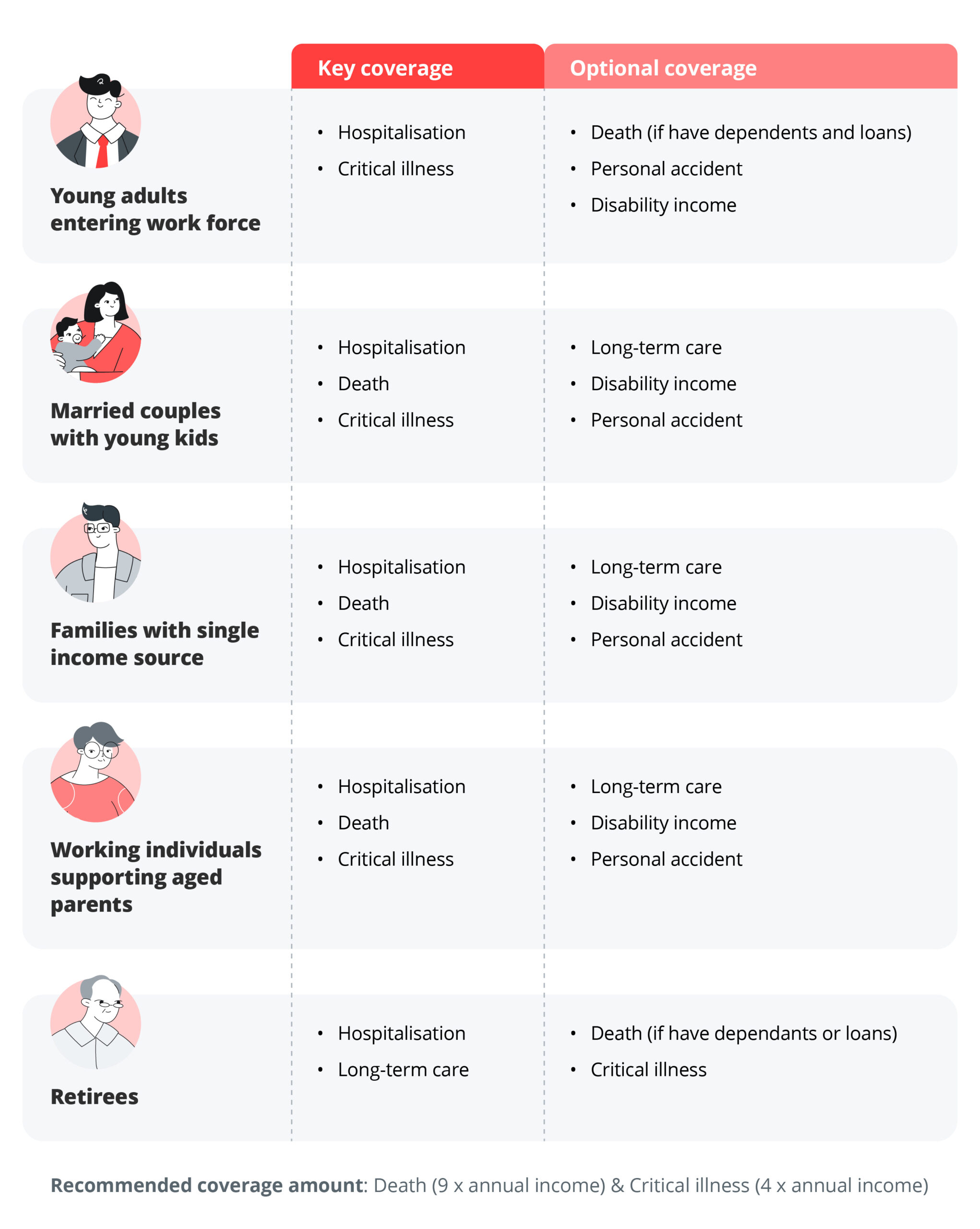
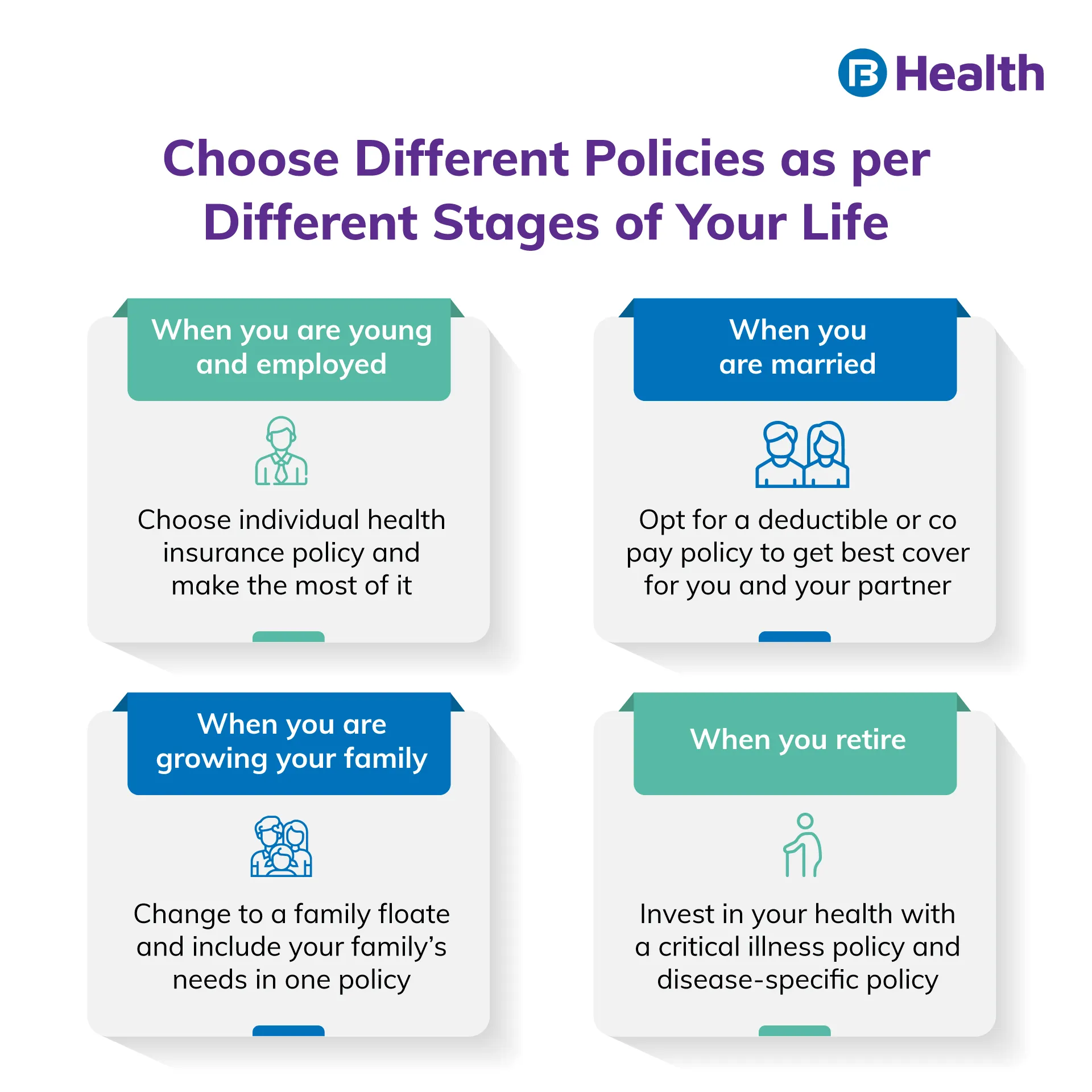
Insurance requirements are not static; they evolve dynamically as you navigate major personal and professional milestones throughout your life. From entering adulthood and purchasing your first major asset to starting a family, scaling a career, and eventually transitioning into retirement, each distinct life stage alters your exposure to financial risk. Understanding how these transitions impact your insurance portfolio ensures you maintain appropriate coverage without paying for unnecessary protection, safeguarding your long-term financial stability against unforeseen events.
1. Entering Adulthood and Financial Independence
The transition from late adolescence into young adulthood marks your official entry into the insurance landscape. For many individuals, this stage begins around graduation from college or upon securing independent housing and full-time employment. During this phase, you are legally and financially separating from your parents, meaning you no longer benefit from the safety nets provided by family insurance policies.
Health Insurance Considerations
One of the most immediate priorities in early adulthood is securing health insurance. Under the Affordable Care Act (ACA), young adults in the United States can remain on a parent’s health insurance plan until they turn 26. However, once you cross that threshold, relocate out of state, or secure employment offering comprehensive benefits, you must evaluate your own options. Choosing between an employer-sponsored health plan, an ACA Marketplace plan, or a high-deductible health plan (HDHP) paired with a Health Savings Account (HSA) depends heavily on your medical needs and monthly budget.
Renters and Auto Insurance
If you are renting an apartment or home, your landlord’s insurance policy protects the physical building, but it offers zero coverage for your personal belongings. Renters insurance is an affordable necessity that covers theft, fire damage, and water damage to electronics, furniture, and clothing, while also providing crucial personal liability protection. Simultaneously, maintaining or establishing an independent auto insurance policy is mandatory if you own a vehicle. Young drivers typically face higher premium rates due to statistical risk profiles, making it essential to shop around, maintain a clean driving record, and inquire about good student or safe driver discounts.
2. Cohabitation and Marriage
Moving in with a partner or getting married fundamentally changes your household economics, shared liabilities, and insurance profile. Combining households means merging physical assets, which calls for a complete structural review of your existing policies to eliminate dangerous gaps and costly redundancies.
Consolidating Auto and Property Policies
When two individuals marry or cohabit, insurance providers often offer multi-policy or multi-car discounts. Consolidating your auto insurance under a single household carrier can yield substantial savings. Similarly, transitioning from individual renters insurance policies to a joint renters or homeowners insurance policy ensures all shared valuables, jewelry, and electronics are adequately itemized and protected under unified limits.
Life and Health Insurance Adjustments
Marriage introduces financial interdependency. If one partner relies heavily on the other’s income to cover rent, utilities, or shared debt, the unexpected death of either individual would create severe financial hardship. This makes marriage a primary catalyst for purchasing term life insurance. Furthermore, marriage is designated as a Qualifying Life Event (QLE) under health insurance regulations. This status allows you to add your spouse to your employer-sponsored health plan outside of the standard annual open enrollment window, giving you 60 days from the date of the wedding to make adjustments.
3. Purchasing Your First Home
Buying real estate is arguably the largest single financial transaction most individuals undertake, and it fundamentally alters your liability profile. Mortgage lenders strictly require property insurance as a condition of financing, but standard policies require careful customization to ensure true peace of mind.
Navigating Homeowners Insurance
Homeowners insurance provides structural protection for the dwelling, coverage for detached structures (such as garages or sheds), personal property coverage, and comprehensive personal liability protection. When selecting a policy, you must ensure your coverage limit reflects the replacement cost of the home—the amount required to rebuild the structure from the ground up at current material and labor costs—rather than the market purchase price.
Factoring in Riders and Environmental Risks
Standard homeowners insurance policies exclude certain catastrophic events by default. Depending on your geographic location, you may need supplemental coverage:
- Flood Insurance: Standard policies do not cover rising groundwater or storm surges. Separate policies through the National Flood Insurance Program (NFIP) or private markets are often necessary.
- Earthquake Endorsements: High-risk seismic zones require specific policy riders or separate deductibles.
- Scheduled Personal Property: High-value items such as fine art, engagement rings, and musical instruments often exceed standard policy payout caps, requiring scheduled riders for full reimbursement.
4. Expanding the Family with Children
The arrival of children introduces profound emotional joy alongside an immediate, urgent need to recalibrate your risk management strategy. Your financial responsibilities multiply exponentially, requiring robust protection against the unthinkable.
The Critical Role of Life Insurance
With dependents relying on your income for food, housing, clothing, and future higher education, term life insurance becomes non-negotiable. Financial experts generally recommend coverage amounts equivalent to 10 to 12 times your annual income, though precise calculations should account for total outstanding debt, childcare costs, and long-term education funding goals. Term life insurance is typically preferred over whole life insurance during this stage because it provides high face-value coverage at affordable premium rates during the years your children are financially dependent.
Disability Insurance Protection
While life insurance protects your family if you pass away, disability insurance protects your family if you suffer an injury or illness that prevents you from working. Given that working-age adults are statistically more likely to experience a temporary or permanent disability than to pass away prematurely, long-term disability insurance—whether purchased privately or through an employer—is a vital pillar of family financial security.
5. Career Progression, Business Ownership, and Higher Earnings
As you advance professionally, your income rises, and you may accumulate significant assets, open a small business, or join corporate leadership. Increased wealth naturally attracts higher legal and financial exposure.
Umbrella Insurance Policies
When your net worth grows, you become a more attractive target for high-value liability lawsuits. Standard auto and homeowners policies typically cap personal liability coverage at $300,000 or $500,000. An umbrella insurance policy provides an additional layer of liability protection—typically in increments of $1 million to $5 million—that kicks in after your primary auto or home policy limits are exhausted. This affordable coverage protects your future earnings and accumulated assets from catastrophic litigation.
Small Business and Professional Liability
If you transition from traditional employment to freelancing, consulting, or entrepreneurship, personal policies will not cover business-related losses or liabilities. You must secure commercial lines of insurance, which may include:
- General Liability Insurance: Protects against third-party bodily injury, property damage, and advertising injury claims.
- Professional Liability (Errors and Omissions) Insurance: Covers financial losses sustained by clients due to professional mistakes, negligence, or missed deadlines.
- Workers' Compensation: Legally mandated in most jurisdictions once you hire a specific number of employees.
6. Sandwich Generation: Caring for Aging Parents
Many adults find themselves caught in the "sandwich generation," simultaneously raising dependent children while supporting aging parents who require financial assistance, medical care, or long-term assistance with daily living activities.
Evaluating Long-Term Care Needs
As parents age, traditional health insurance and Medicare cover medical treatments and doctor visits, but they do not cover custodial care, such as assistance with bathing, eating, or dressing in nursing homes or assisted living facilities. Long-term care insurance, if purchased earlier in life, helps mitigate these astronomical costs. For adult children managing these dynamics, it is crucial to review your parents' existing life, health, and property policies to ensure they are not overpaying for redundant coverage or facing dangerous coverage gaps that could drain familial estates.
7. Divorce or Dissolution of Partnership
The legal dissolution of a marriage or long-term partnership requires an immediate unbundling and restructuring of your insurance portfolio. Emotional stress often overshadows administrative tasks during this period, but neglecting your insurance updates can lead to severe financial vulnerability.
Immediate Insurance Actions Post-Divorce
- Remove Ex-Spouses from Policies: Update beneficiaries on life insurance policies, retirement accounts, and health plans immediately. If a court order mandates life insurance to secure alimony or child support, ensure the terms are legally structured and verified.
- Establish Independent Auto and Property Policies: If you move out of the marital home, you must secure your own renters or homeowners insurance and establish an independent auto insurance policy in your sole name.
- Re-evaluate Health Coverage: Losing access to a former spouse's employer-sponsored health plan qualifies as a Qualifying Life Event, granting you 60 days to enroll in your own employer's plan or secure individual coverage through the ACA Marketplace.
8. Empty Nesters: Downsizing and Asset Redistribution
Once your children graduate, launch their careers, and move out of your home, your household dynamic shifts dramatically back to a couple or single status. This milestone offers an opportunity to optimize your insurance portfolio for lower liability exposure.
Adjusting Property and Life Coverage
With fewer drivers in the household and children no longer dependent on your daily income, your insurance needs naturally contract:
- Auto Insurance Savings: Remove young adult drivers from your auto policy, and notify your insurer if your annual mileage decreases due to no longer driving carpools or school routes.
- Reassessing Life Insurance: If your mortgage is paid off and your children are financially independent, you may no longer need high-face-value term life insurance. Some individuals let term policies expire, while others convert portions of permanent policies to suit estate-planning goals.
- Downsizing Real Estate: If you sell the family home and move into a smaller condominium or townhouse, your homeowners insurance premiums will typically decrease, though you must review master association policies to understand what structural elements are covered by HOA dues versus your personal HO-6 condo policy.
9. Approaching and Entering Retirement
Retirement marks a permanent shift from active wage-earning to living off accumulated savings, pensions, Social Security, and investment distributions. This transition requires a complete overhaul of how you protect your financial health.
Health Insurance and Medicare Navigation
Upon turning 65 in the United States, most individuals become eligible for Medicare. Navigating Medicare Parts A, B, C, and D, alongside supplemental Medigap policies, is one of the most critical insurance decisions of your senior years. Selecting the right combination of coverage protects you against high out-of-pocket medical expenses, prescription drug costs, and unexpected hospitalizations during your retirement years.
Adjusting Liability and Property Protection
While working-related liabilities vanish in retirement, asset protection remains vital. Maintain your umbrella insurance policy to shield your nest egg from unexpected lawsuits. Additionally, review your auto and property policies to ensure deductibles align with your fixed retirement income, ensuring that a sudden storm or accident will not deplete your liquid savings.
10. Estate Planning and Legacy Management
The final life stage involves organizing your estate, managing generational wealth transfer, and ensuring your legacy is protected according to your precise wishes. Insurance plays a specialized, tactical role in advanced estate planning.
Permanent Life Insurance and Wealth Transfer
While term life insurance is designed for income replacement during working years, permanent life insurance products—such as whole life or universal life—can be utilized in estate planning to provide liquidity. When substantial assets are tied up in real estate, private businesses, or investment portfolios, estate taxes can force heirs into fire-selling assets. A permanent life insurance policy held within an irrevocable life insurance trust (ILIT) can provide immediate, tax-free liquidity to cover estate taxes, probate fees, and debt settlements.
| Life Stage | Primary Insurance Priorities | Key Financial Risks Addressed |
|---|---|---|
| Entering Adulthood | Health, Renters, Auto | Medical debt, theft/fire loss, liability from driving |
| Cohabitation / Marriage | Bundled Auto/Home, Term Life | Income loss, merged asset protection |
| Buying a Home | Homeowners, Flood, Umbrella | Property damage, structural rebuild costs, lawsuits |
| Growing a Family | Term Life, Long-Term Disability | Premature death, income loss from injury/illness |
| Career & Wealth Growth | Umbrella, Professional Liability | High-judgment litigation, business errors |
| Sandwich Generation | Long-Term Care, Policy Audits | Elder care costs, parental coverage gaps |
| Divorce / Dissolution | Independent Auto/Home, Health | Unsecured liabilities, beneficiary disputes |
| Empty Nesters | Adjusted Auto, Condo/Homeowners | Overpaying for unneeded coverage limits |
| Retirement | Medicare, Medigap, Umbrella | High healthcare costs, asset depletion |
| Estate Planning | Permanent Life (ILITs) | Estate taxes, generational wealth liquidity |
Frequently Asked Questions
When is the best time to review my insurance portfolio?
You should conduct a comprehensive review of your insurance portfolio at least once a year, as well as immediately following any major life milestone such as marriage, the birth of a child, purchasing a home, or starting a business. Proactive reviews prevent dangerous coverage gaps before an emergency occurs.
Does health insurance cover long-term care as I age?
No. Standard health insurance policies and Medicare cover acute medical care, doctor visits, and hospitalizations, but they do not cover long-term custodial care, such as assistance with activities of daily living in nursing homes or assisted living facilities. Specialized long-term care insurance or self-funding is required for these services.
Why do I need an umbrella insurance policy if I already have auto and home insurance?
Standard auto and homeowners insurance policies carry maximum personal liability limits, typically capped at $300,000 to $500,000. If you are found liable in a major accident or lawsuit where damages exceed these limits, your personal savings, retirement accounts, and future wages can be seized. An umbrella policy provides millions in backup liability protection.
Can I stay on my parents' health insurance after turning 26?
Under the Affordable Care Act, adult children can remain on a parent’s health insurance plan until 11:59 PM on the day of their 26th birthday. Once you turn 26, aging off the policy triggers a Qualifying Life Event, giving you a 60-window to enroll in your own employer plan or an ACA Marketplace plan.
How much term life insurance do I need when starting a family?
A common benchmark is securing a term life insurance policy worth 10 to 12 times your annual income. However, the precise calculation should factor in total outstanding debts (such as a mortgage), anticipated childcare costs, and the estimated future cost of your children's higher education.