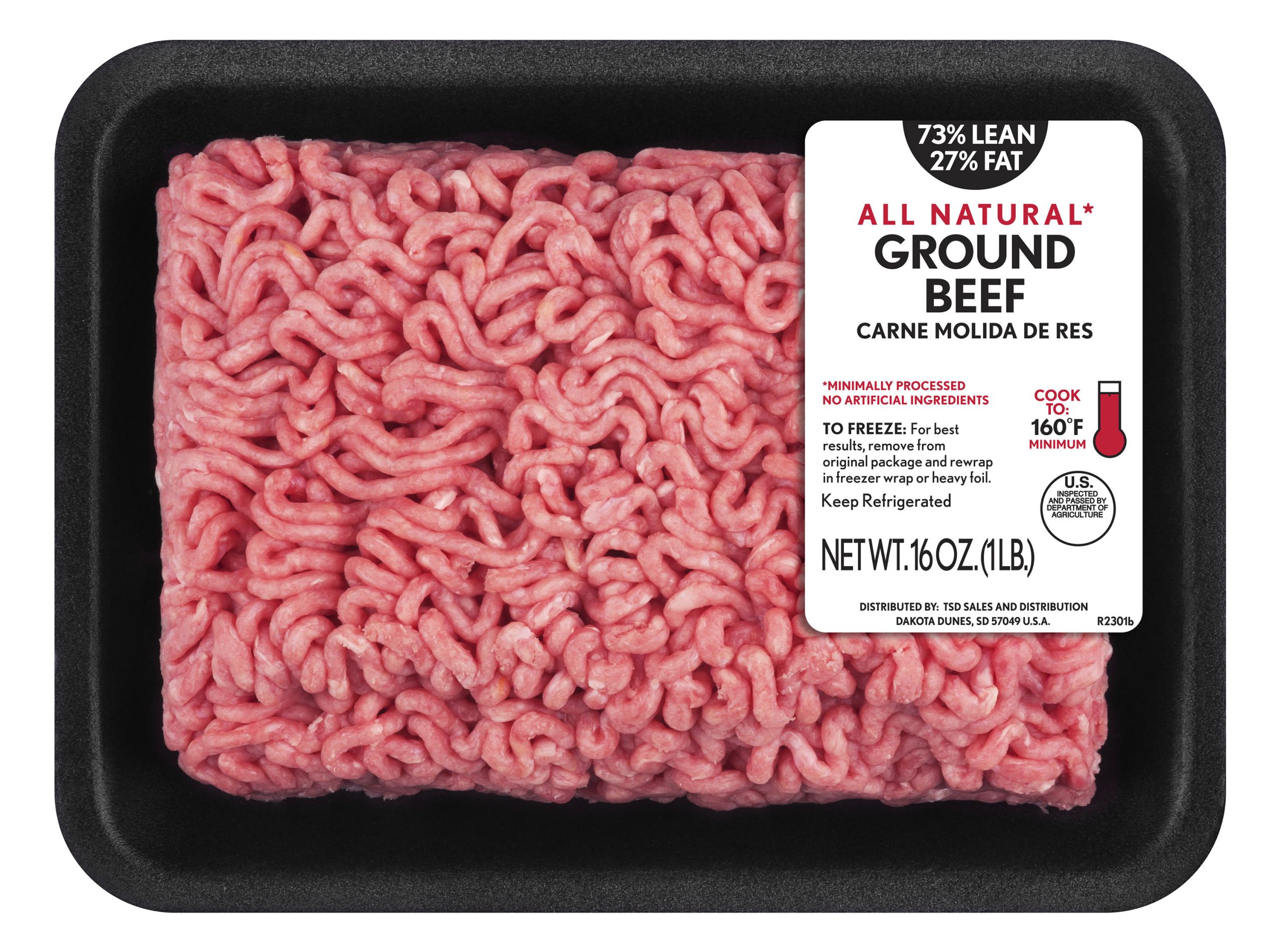
A standard cooked cup of 80/20 ground beef provides roughly 38 to 40 grams of protein, serving as a nutrient-dense whole-food protein source packed with essential amino acids, iron, zinc, and B-vitamins.
Evaluating the precise nutritional profile of ground beef requires a deep look beyond simple macronutrient counts. When tracking daily dietary intake for fitness, muscle retention, or metabolic health, understanding what constitutes a standard serving size of 80/20 beef—and how cooking methods alter its composition—is essential. This analysis explores the exact protein yield, fat-to-lean ratios, preparation variables, and broader nutritional implications of consuming 80/20 ground beef.
Defining the 80/20 Ratio: Lean-to-Fat Composition
The numeric label "80/20" on ground beef packaging represents the physical proportion of lean meat to fat by weight. Specifically, an 80/20 package contains 80% lean muscle tissue and 20% fat. This ratio strikes a distinct balance in culinary and nutritional terms, offering more moisture and flavor than leaner alternatives like 90/10 or 93/7, while carrying a significantly higher caloric load from saturated fats.
When consumers portion out 1 cup of ground beef, the physical density changes dramatically depending on whether the meat is measured raw or cooked, crumbled or packed. Raw ground beef has a high moisture and fat content that occupies considerable volume. Upon cooking, moisture evaporates, and rendered fat melts away, causing the meat to shrink. Consequently, 1 cup of loosely packed cooked ground beef contains a higher concentration of actual meat protein by volume than 1 cup of raw ground beef, because the cooked pieces pack more tightly and have shed excess water and liquid fat.
Raw Versus Cooked Measurement Variables
Measuring ground beef by volume (cups) rather than by weight (grams or ounces) introduces potential variability. Standard nutritional tracking relies on weight measurements for absolute accuracy, but cup measurements remain common in home cooking and recipe scaling.
- Raw Volume: One cup of raw, loosely packed 80/20 ground beef weighs approximately 220 to 240 grams. Within that raw volume, a significant portion consists of intra-muscular water and unrendered fat.
- Cooked Volume: One cup of cooked, crumbled 80/20 ground beef weighs approximately 140 to 150 grams. Because the rendering process removes much of the water and fat, the remaining 1 cup is far more nutrient-dense per spoonful, yielding a higher concentration of protein.
Protein Content Breakdown in 1 Cup of Cooked 80/20 Ground Beef
To understand the exact protein yield, nutritional databases such as the U.S. Department of Agriculture (USDA) FoodData Central provide baseline data for cooked ground beef (pan-broiled, medium fat).
In a standard 100-gram serving of cooked 80/20 ground beef, the protein content hovers around 26 grams. Scaling this metric up to a standard 1-cup measure of cooked, crumbled ground beef—which averages roughly 150 grams—yields approximately 39 to 40 grams of complete protein.
| Serving Measure | Approximate Weight | Total Calories | Total Fat | Protein Content |
|---|---|---|---|---|
| 100 Grams (Cooked) | 100g | ~254 kcal | ~17.5g | ~26.1g |
| 1 Cup (Cooked, Crumbled) | ~140g - 150g | ~355 - 380 kcal | ~24g - 26g | ~38g - 40g |
| 1 Cup (Raw, Packed) | ~220g - 240g | ~500 - 550 kcal | ~44g - 48g | ~35g - 38g |
This high protein yield makes 80/20 ground beef a potent dietary tool for individuals aiming to hit specific daily protein targets. Furthermore, beef protein is categorized as a "complete protein," meaning it supplies all nine essential amino acids that the human body cannot synthesize independently, supporting muscle protein synthesis and tissue repair.
Complete Amino Acid Profile and Biological Value
The quality of a protein source is determined not just by the gram weight, but by its amino acid profile and digestibility. Beef protein possesses a high biological value, meaning the human body can efficiently absorb and utilize its constituent amino acids.
Key amino acids found abundantly in a single cup of 80/20 ground beef include:
- Leucine: A critical branched-chain amino acid (BCAA) that triggers muscle protein synthesis.
- Lysine: Essential for tissue growth, calcium absorption, and immune function.
- Valine and Isoleucine: BCAAs that support energy regulation and metabolic recovery during physical exertion.
Because animal proteins are exceptionally bioavailable, the 38 to 40 grams of protein found in a cup of cooked 80/20 beef requires minimal metabolic conversion compared to plant-based proteins, which often feature incomplete amino acid profiles or lower digestibility rates due to fiber and anti-nutrient content.
Caloric and Macronutrient Impact of 80/20 Fat Content
While the protein content is substantial, the 20% fat content introduces a heavy caloric footprint that requires careful consideration within a structured nutritional plan.
One cup of cooked 80/20 ground beef contains approximately 350 to 380 calories, with roughly 60% to 65% of those calories originating from fat. This fat is a mix of saturated, monounsaturated, and polyunsaturated fats. For individuals adhering to standard macronutrient splits, ketogenic diets, or high-protein bodybuilding protocols, this fat content can either serve as a valuable energy source or present a challenge for daily caloric caps.
To minimize excess fat without completely discarding the moisture and flavor profile of 80/20 beef, several kitchen techniques can be deployed during preparation:
- Draining and Rinsing: Cooking the beef thoroughly and pouring it into a fine-mesh strainer allows excess rendered fat to escape. Some individuals rinse the drained meat with warm water to strip away remaining surface grease, though this can alter the culinary texture.
- Paper Towel Blotting: Transferring crumbled cooked beef onto a plate lined with paper towels effectively absorbs pooling grease before the meat is incorporated into dishes like tacos, soups, or casseroles.
Micronutrient Profile of Ground Beef
Beyond macronutrients, 80/20 ground beef functions as a dense multivitamin matrix. Consuming a cup of cooked ground beef delivers significant quantities of essential micronutrients that support foundational health:
- Iron (Heme Iron): Far more absorbable than non-heme iron found in plant sources, heme iron prevents iron-deficiency anemia and supports efficient oxygen transport throughout the bloodstream.
- Zinc: Vital for immune system competence, cellular metabolism, and wound healing.
- Vitamin B12: Essential for neurological function, red blood cell formation, and DNA synthesis. B12 is found almost exclusively in animal products.
- Selenium and Niacin (Vitamin B3): Act as powerful antioxidants and support cellular energy production.
Frequently Asked Questions
Does draining cooked 80/20 ground beef significantly change the protein count?
Draining cooked ground beef removes liquid fat and moisture, but it does not remove the protein locked inside the meat tissue. While the total weight and volume of the cup will decrease because the rendered fat is gone, the absolute gram weight of the protein remains largely stable relative to the actual meat solids remaining.
Is 80/20 ground beef suitable for weight loss diets?
80/20 ground beef can fit into a weight loss diet provided it is accounted for within daily caloric budgets. Because fat contains 9 calories per gram compared to the 4 calories per gram found in protein and carbohydrates, the higher fat content in 80/20 beef increases total calories rapidly. Individuals managing strict caloric deficits often alternate with 93/7 lean ground beef to maximize protein while minimizing fat calories.
How does raw measuring differ from cooked measuring for macros?
Measuring raw meat gives the most precise nutritional data because water loss during cooking varies based on pan temperature and cooking time. When tracking macros meticulously, weighing the meat in its raw state using a digital kitchen scale is the gold standard, as commercial databases catalog raw cuts with high precision.
Why does ground beef shrink so much when cooked?
Raw ground beef contains substantial amounts of water bound within the muscle fibers as well as pockets of solid fat. When exposed to heat, the muscle proteins contract and squeeze out trapped water, while the solid fats melt into liquid. This combined loss of water weight and rendered grease causes the meat to shrink significantly in both physical size and total weight.
Practical Recommendations for Tracking and Preparation
Integrating 80/20 ground beef into a balanced diet requires balancing its high protein quality and micronutrient density against its dense caloric load from fat. For optimal accuracy in nutritional tracking, utilize a digital food scale to weigh portions in grams rather than relying exclusively on volume-based cup measurements, which fluctuate based on how tightly the meat is packed. Pair nutrient-dense beef servings with fiber-rich vegetables and complex carbohydrates to create nutritionally complete, satisfying meals that support long-term health and fitness objectives.