For most financial institutions, loans represent the primary income-generating asset on a balance sheet. When a bank lends money, it creates a contract that transforms cash into a receivable, allowing the institution to earn interest over time. Effectively managing these assets is central to the solvency, liquidity, and overall profitability of any banking entity, as the quality of the loan portfolio directly influences the bank’s capital ratios and regulatory standing.
The Role of Loans as Assets
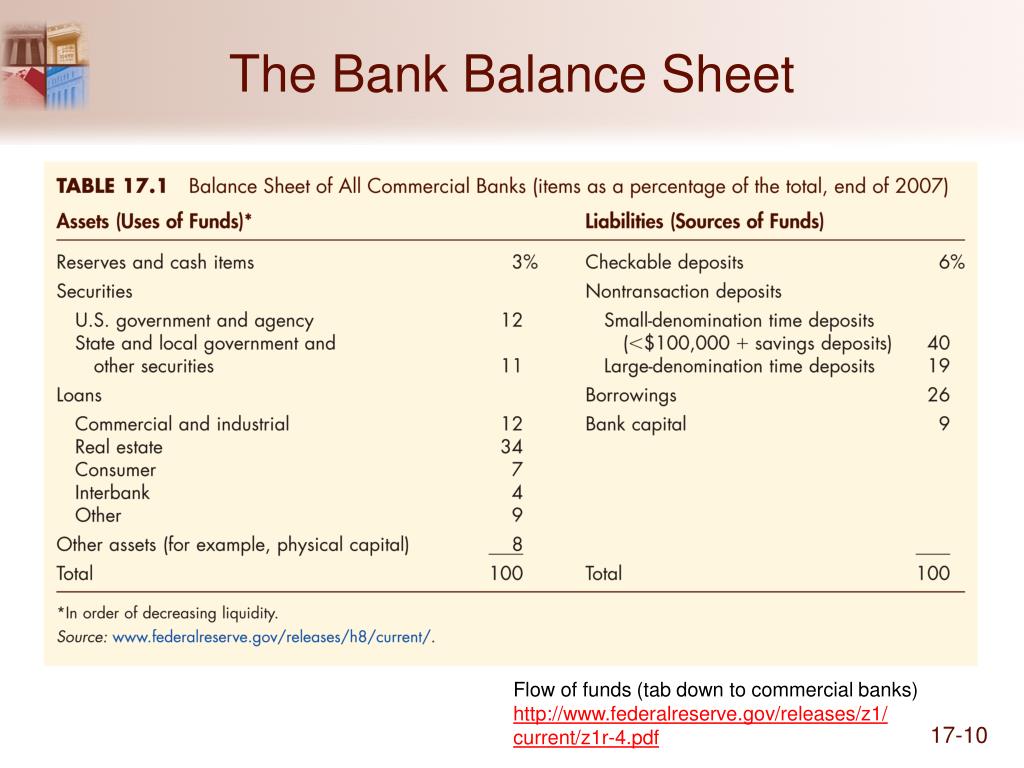
On a standard balance sheet, assets are categorized by their liquidity and purpose. Loans—often referred to as the "loan portfolio"—occupy the largest portion of a bank’s assets. Unlike cash held in vault or reserves at the central bank, which are liquid but provide minimal return, loans are illiquid assets designed to generate net interest income (NII). The fundamental mechanism is simple: the bank borrows money from depositors at a lower interest rate and lends it to borrowers at a higher rate. The difference, known as the net interest margin, forms the backbone of traditional banking.
Loans are not static numbers; they are dynamic instruments that must be monitored for credit risk, interest rate sensitivity, and duration. Because these assets are held until maturity or sold in the secondary market, they represent long-term commitments that tie up capital, necessitating strict risk management frameworks to ensure that the bank can absorb potential defaults.
Loan Classification and Categorization
Banks do not treat all loans the same. They are classified based on the nature of the borrower, the collateral involved, and the purpose of the funds. This segmentation allows stakeholders and regulators to understand the risk profile of the bank.
- Commercial and Industrial (C&I) Loans: These are issued to businesses for operational needs, such as inventory, equipment, or expansion. These loans are often variable-rate and depend heavily on the borrower’s cash flow.
- Real Estate Loans: This category includes residential mortgages and commercial real estate (CRE) loans. These are usually secured by the property itself, providing the bank with collateral.
- Consumer Loans: These include auto loans, credit card debt, and personal lines of credit. These are often higher-interest but may carry higher default risks compared to secured real estate debt.
- Agricultural Loans: Specifically designed for farming operations, these loans often have seasonal repayment structures.
The Accounting Lifecycle of a Loan
When a bank originates a loan, it records the principal amount as an asset. Over time, the balance sheet changes based on the repayment schedule and the accrual of interest. However, accounting for these assets involves more than simply tracking principal balances; it requires estimating future losses.
Under modern accounting standards, such as the Current Expected Credit Loss (CECL) model used in the United States, banks must account for lifetime expected losses on loans from the moment they are added to the balance sheet. This creates a "contra-asset" account known as the Allowance for Loan and Lease Losses (ALLL). By maintaining this allowance, the bank proactively reduces the net book value of its loans to reflect the reality that some borrowers will inevitably fail to repay.
Loan Quality Indicators
Evaluating the health of a loan portfolio requires looking beyond the face value of the assets. Analysts look for specific indicators of stability or deterioration:
- Non-Accrual Loans: Loans where the borrower is significantly behind on payments, and the bank has stopped recognizing interest income because collection is deemed unlikely.
- Past Due Status: Loans that are 30, 60, or 90 days late. Rising trends in these categories are often early warning signs of systemic credit issues.
- Loan-to-Value (LTV) Ratios: A measure of how much collateral secures the loan. A lower LTV is generally safer for the bank, as it provides a buffer if the borrower defaults and the property must be sold.
Comparative Overview of Loan Categories
The following table summarizes how different loan types affect a bank’s balance sheet strategy regarding risk, liquidity, and return.
| Loan Type | Typical Risk Level | Typical Collateral | Liquidity Profile |
|---|---|---|---|
| Residential Mortgage | Low | Real Estate | Moderate (Secondary Market) |
| Commercial Real Estate | Moderate to High | Property | Low |
| Consumer/Auto | Moderate | Vehicle/Unsecured | Moderate |
| Credit Cards | High | Unsecured | High (Revolving) |
| C&I (Commercial) | Moderate | Assets/Cash Flow | Low |
Managing Credit Risk and Capital Adequacy
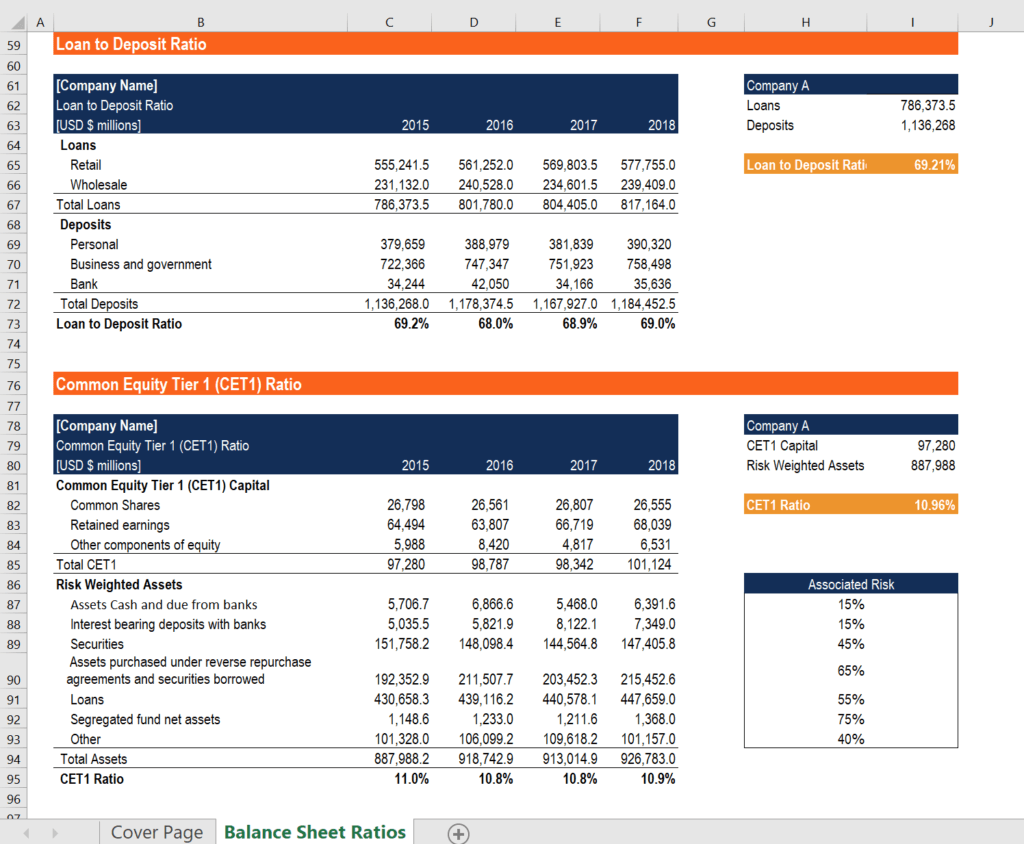
Loans are not just financial assets; they are capital-intensive. Banking regulators require banks to hold a certain amount of equity capital against their risk-weighted assets (RWA). Because loans carry the risk of default, they are assigned risk weights—a loan to a sovereign government might have a 0% risk weight, while a speculative commercial loan might carry a 100% or higher weight.
If a bank’s loan portfolio is heavily concentrated in high-risk sectors, the bank must hold more capital to protect against potential losses. This constraint limits how much a bank can lend. Therefore, understanding the loan portfolio is essential for determining if a bank is over-leveraged or if it has the capacity to expand its lending activities.
Common Pitfalls in Loan Portfolio Assessment
One of the most frequent mistakes when reading a bank’s balance sheet is confusing "Gross Loans" with "Net Loans." Gross loans represent the total principal owed to the bank. Net loans—the figure that actually impacts the balance sheet total—are calculated as: Gross Loans - Allowance for Loan and Lease Losses = Net Loans.
Ignoring the allowance account can lead to an inflated perception of a bank’s asset value. Furthermore, relying solely on historical performance is a dangerous practice. During periods of economic contraction, even historically "safe" categories like residential mortgages can see rising default rates, proving that the balance sheet is always subject to external macroeconomic forces.
Frequently Asked Questions
1. Why does the value of a loan change on the balance sheet? While the principal balance decreases as it is paid down, the "carrying value" of the loan can change due to the provision for credit losses. If a bank increases its estimate of future defaults, the allowance account increases, which effectively lowers the net value of the loan portfolio on the balance sheet.
2. What is the difference between performing and non-performing loans? Performing loans are those where the borrower is making payments according to the original contract. Non-performing loans (NPLs) are those where payments are severely delayed (typically 90 days or more). NPLs are problematic because they stop generating interest income and require the bank to tie up capital to cover potential losses.
3. Are all loans held on the balance sheet until they mature? No. Many banks use a "sell" strategy for certain types of loans, such as residential mortgages. By selling these to government-sponsored enterprises (GSEs) or securitizing them into mortgage-backed securities, the bank removes the loan from its balance sheet, frees up liquidity, and earns a fee for the origination process.
4. How do interest rate changes affect the loan portfolio? Rising interest rates can be a double-edged sword. While they may increase the interest income earned on variable-rate loans, they can also increase the default risk for borrowers, as their debt-servicing costs rise. Additionally, the market value of fixed-rate loans held on the balance sheet typically falls when interest rates rise.
Next Steps for Analysis
If you are evaluating a specific financial institution in 2026, your next step should be to locate the bank’s most recent quarterly "Call Report" or 10-Q filing. Look specifically for the "Loans and Leases" schedule. Review the "Allowance for Credit Losses" section to determine the percentage of the portfolio that management considers "at-risk." By comparing this percentage against historical averages for that specific bank, you can gain a clear view of whether the institution is tightening its lending standards or taking on increased risk in pursuit of higher yields.