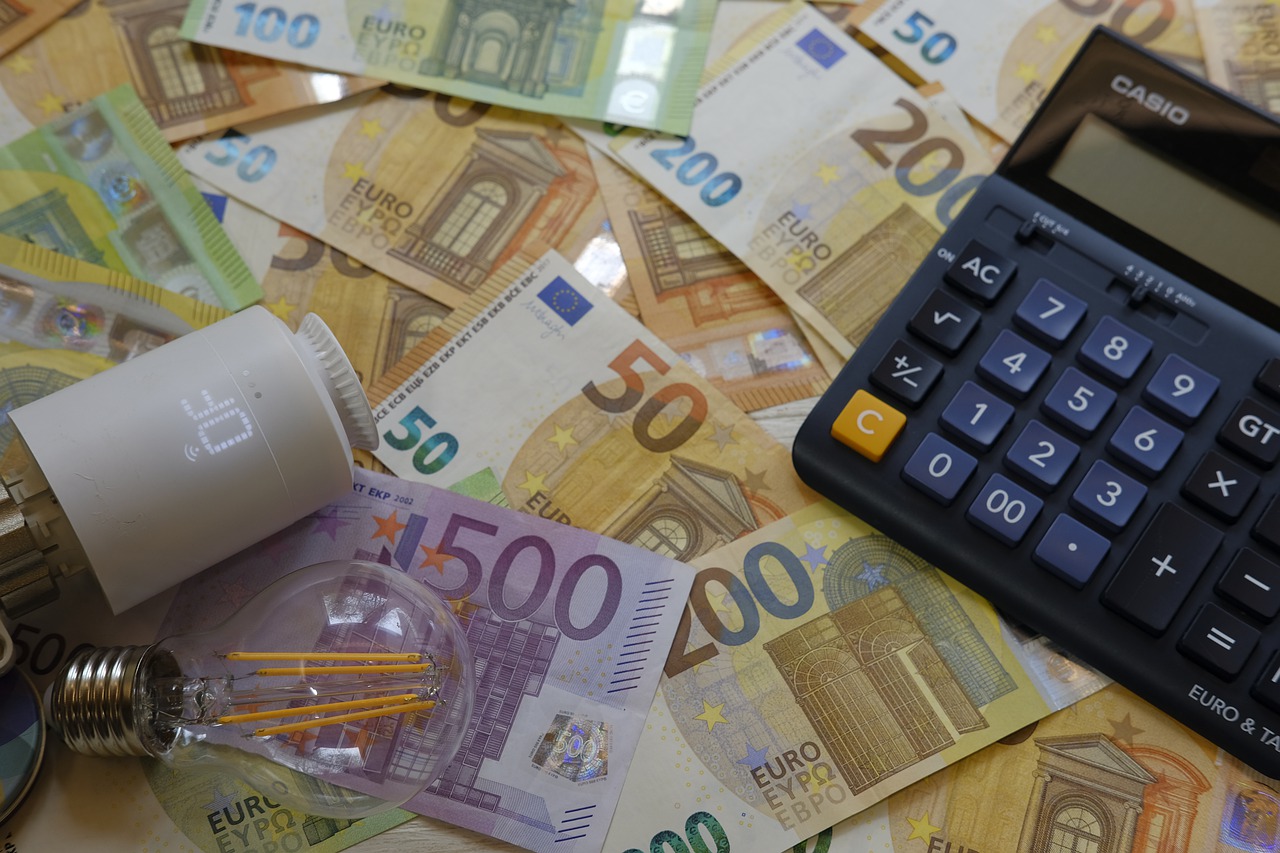
Based on current market data for 2026, 1.60 Euros (EUR) is approximately equal to 1.79 US Dollars (USD). This value is calculated using a mid-market exchange rate of 1.12, though the final amount you receive will depend on the specific conversion fees, service spreads, and the payment method used for the transaction.
Understanding the EUR/USD Exchange Mechanism
The conversion of 1.60 Euros to US Dollars involves the most liquid and widely traded currency pair in the global foreign exchange market, often referred to by traders as "The Fiber." While 1.60 EUR may seem like a modest sum—perhaps the cost of a small espresso in Lisbon or a digital micro-transaction—the mechanics governing its value are the same as those governing multi-million dollar institutional trades.
When you look up the rate for 1.60 Euros, you are seeing the spot rate or mid-market rate. This is the midpoint between the buy and sell prices of the two currencies on the global interbank market. However, individual consumers rarely access this exact rate. Instead, banks and exchange services add a "spread" or a markup, which is why the actual cost to "buy" 1.79 Dollars with your 1.60 Euros might actually require a few extra cents in practice.
Factors Influencing the Conversion Rate in 2026
By 2026, the relationship between the Euro and the Dollar continues to be shaped by the divergent paths of the European Central Bank (ECB) and the Federal Reserve (Fed). Several core economic pillars dictate why your 1.60 EUR might be worth more or less on any given day.
Interest Rate Differentials
The primary driver of the EUR/USD rate is the difference in interest rates set by the Fed and the ECB. If the Federal Reserve maintains higher rates to combat persistent inflation in the United States, the Dollar generally strengthens as global investors seek higher yields on dollar-denominated assets. Conversely, if the ECB raises rates while the Fed holds steady, the Euro gains strength. This "yield chase" directly affects how many dollars you get for your euros.
Inflation and Purchasing Power Parity
Purchasing Power Parity (PPP) is a long-term economic theory suggesting that exchange rates should adjust until a basket of goods costs the same in both currencies. While 1.60 EUR might buy a specific item in Berlin, its dollar equivalent ($1.79) might not cover the same item in New York due to local inflation rates and cost-of-living adjustments. In 2026, analysts monitor core inflation closely to predict which currency will retain more "real" value over time.
Geopolitical Stability
The Euro is the official currency of 20 European Union member states. Any political instability within the Eurozone—ranging from fiscal policy disputes to regional security concerns—can lead to Euro volatility. The US Dollar, acting as the world’s primary reserve currency, often benefits from a "flight to safety" during global crises, which can cause the Euro to depreciate against the Dollar even if the US economy itself is facing challenges.
Where to Convert 1.60 Euros to Dollars
Choosing the right platform to convert currency is essential, especially if you are performing multiple small transactions. The "cost" of converting 1.60 EUR can vary significantly depending on the provider's fee structure.
- Digital Wallets and Neobanks: Services like Revolut, Wise, or Monzo typically offer rates closest to the mid-market price. For a small amount like 1.60 EUR, these platforms often waive transaction fees for the first few hundred euros of conversion per month, making them the most cost-effective choice for travelers and digital nomads.
- Traditional Bank Transfers: Using a traditional retail bank to convert 1.60 EUR is generally inefficient. Most banks charge a flat "foreign transaction fee" or a minimum commission that could exceed the value of the 1.60 EUR itself.
- Credit Cards: If you are spending 1.60 EUR on a US-based website using a Euro-denominated card, your bank will handle the conversion automatically. It is vital to check if your card has a Foreign Transaction Fee (FX Fee), which usually ranges from 1% to 3%.
- Physical Exchange Bureaus: Converting small coins or low-denomination notes at an airport or city center booth is the most expensive method. These outlets often have a wide spread, meaning they might only offer you $1.50 for your 1.60 EUR, pocketing the difference as profit.
Comparison of Conversion Costs by Provider
The following table illustrates how different services might process the conversion of 1.60 EUR into USD, including estimated fees and the "real" amount received.
| Provider Type | Applied Exchange Rate | Estimated Fee | Final USD Received |
|---|---|---|---|
| Mid-Market (Reference) | 1.1200 | $0.00 | $1.79 |
| Specialized Digital FX (Wise/Revolut) | 1.1195 | $0.01 | $1.78 |
| Travel Credit Card (No FX Fee) | 1.1180 | $0.00 | $1.78 |
| Standard Retail Bank Card | 1.1200 | $0.05 (3% fee) | $1.74 |
| Airport Currency Booth | 1.0500 | $0.50 (Fixed) | $1.18 |
The Role of the Digital Euro and Digital Dollar
As we navigate 2026, the landscape of currency exchange is being further transformed by the integration of Central Bank Digital Currencies (CBDCs). The European Central Bank has made significant strides in the preparation of a Digital Euro. This digital form of the currency aims to make micro-transactions—like our 1.60 EUR example—faster and more secure.
For the consumer, a Digital Euro could potentially bypass the traditional banking "middleman" for small-scale cross-border payments. If a corresponding "Digital Dollar" infrastructure is utilized by the Federal Reserve, the friction involved in converting 1.60 EUR to USD could drop to near zero, ensuring that users receive the full mid-market value without being penalized by flat-fee structures designed for larger transfers.
Practical Applications for Small EUR/USD Conversions
While 1.60 EUR is a small amount, there are several scenarios where this specific conversion is relevant in a professional or personal context:
- Digital Subscriptions and Micro-payments: Many SaaS (Software as a Service) platforms or mobile apps offer "add-ons" or tips priced in Euros. If your primary account is in USD, knowing the 1.60 EUR conversion helps you track your precise spending.
- VAT Refunds: Travelers exiting the European Union often receive small VAT (Value Added Tax) refunds on minor purchases. A refund of 1.60 EUR might be credited back to a US dollar credit card.
- Accounting and Expenses: For business travelers, accurately recording a 1.60 EUR transit fare or a small snack is necessary for tax compliance and reimbursement. Using the correct daily rate ensures that the company's ledger remains balanced.
- Cryptocurrency and Stablecoins: In the decentralized finance (DeFi) space, 1.60 EUR might be converted into Euro-pegged stablecoins (like EURC) or Dollar-pegged stablecoins (like USDC). In these markets, the conversion is handled by automated market makers (AMMs), where "slippage" replaces traditional bank fees.
Common Pitfalls in Currency Conversion
When converting 1.60 EUR to USD, the most common mistake is accepting "Dynamic Currency Conversion" (DCC). If you are at a point-of-sale terminal in Europe and it asks if you want to pay in USD instead of EUR, always choose EUR.
When you choose to pay in your "home" currency (USD), the merchant—not your bank—sets the exchange rate. Merchants typically use a much poorer rate than your credit card provider, often adding a 5% to 7% markup. For a 1.60 EUR transaction, this might only be a few cents, but across an entire trip, these hidden costs can add up to hundreds of dollars. By choosing to pay in the local currency (Euros), you ensure that your own bank or credit card issuer performs the conversion at their standard, usually more competitive, rate.
Frequently Asked Questions
What is the exact rate for 1.60 EUR to USD today? The rate fluctuates every few seconds during market hours. To find the exact rate at this moment, you should check a live currency converter or a financial news terminal like Bloomberg or Reuters. As a baseline for 2026, a rate of 1.12 USD per 1 Euro is a standard benchmark.
Is it better to exchange 1.60 Euros in cash or use a card? It is almost always better to use a card, specifically one with no foreign transaction fees. Exchanging cash for such a small amount is often impossible at physical bureaus because they frequently have minimum transaction limits or fixed fees that would consume most of the value.
Why does my bank statement show a different amount than 1.79 USD? Your bank likely applied a "settlement rate" which can differ slightly from the "transaction date" rate. Additionally, if your bank charges a flat fee for foreign transactions, that fee will be added to the total, making the 1.60 EUR purchase appear more expensive in your USD balance.
Can I convert 1.60 EUR coins in the United States? It is very difficult to convert foreign coins in the US. Most banks and currency exchange services only accept paper banknotes. If you have 1.60 EUR in coins, it is best to spend them in Europe or donate them at the airport "charity bins" before flying back to the States.
Does the conversion rate change on weekends? The formal forex markets close on Friday evening (New York time) and reopen on Sunday afternoon. While the "official" rate stays static over the weekend, some consumer exchange services may widen their spreads during this time to protect themselves against "gap" risks when the market reopens on Monday.
Practical Recommendation for Travelers and Consumers
If you frequently deal with small amounts like 1.60 EUR, the most efficient action is to maintain a multi-currency digital account. Platforms such as Wise or Revolut allow you to hold balances in both EUR and USD simultaneously. You can "lock in" a favorable rate when the Euro is weak and spend from your Euro balance when traveling, or your Dollar balance when shopping on US sites. This eliminates the need for constant, fee-heavy conversions and ensures that you are always getting the most value out of every cent, no matter how small the transaction.