A universal life insurance policy provides permanent, lifelong coverage combined with a flexible cash value component that earns interest over time. Unlike term insurance, which only pays a benefit if the insured passes away within a specific timeframe, universal life allows policyholders to adjust premium payments and death benefits while building a tax-advantaged financial asset.
For decades, the "buy term and invest the difference" mantra dominated financial advice. However, as we navigate the economic landscape of 2026, many individuals are discovering that term insurance—while affordable and effective for temporary needs—lacks the long-term versatility required for complex estate planning and wealth preservation. Universal life (UL) insurance fills this gap by functioning as both a protective shield and a flexible financial repository.
To understand why a universal life insurance policy offers more than just term protection, one must look closely at its internal mechanics, its tax-advantaged growth potential, and the unique ways it can be integrated into a comprehensive financial plan.
The Fundamental Mechanics of Universal Life Insurance
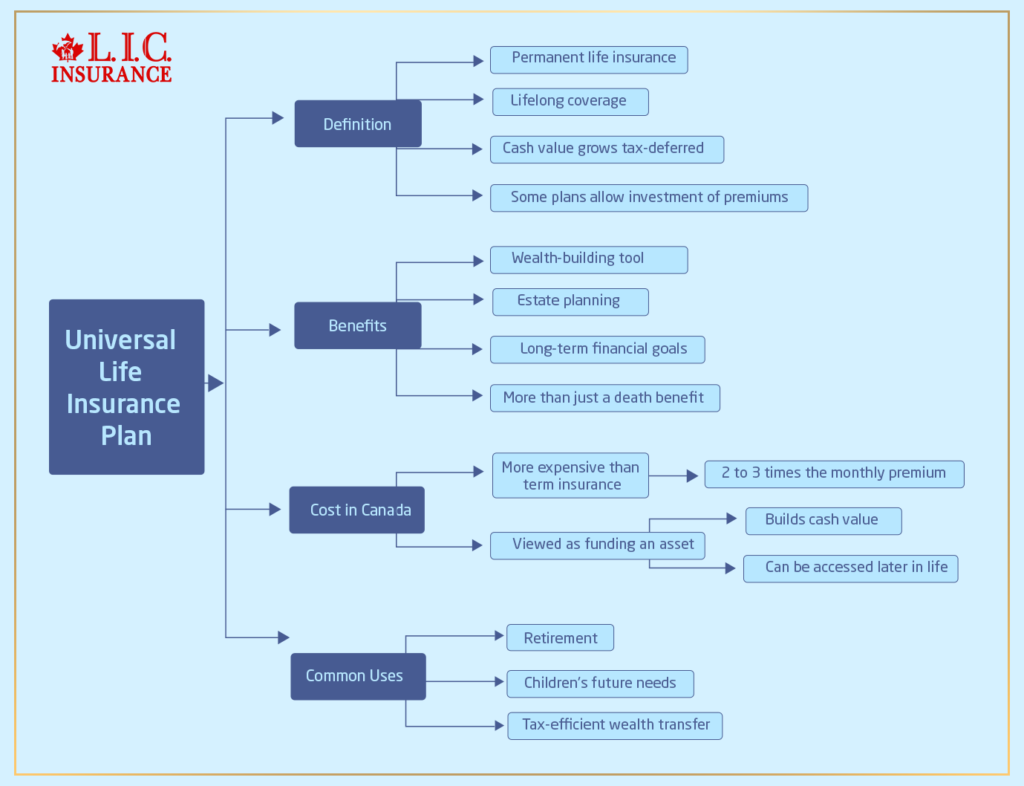
Universal life insurance is a form of permanent life insurance, meaning it is designed to remain in force for the duration of the insured’s life, provided the policy is adequately funded. It is often described as a hybrid of term insurance and a savings account, but this simplification misses the technical nuances that make it a powerful tool.
The Two-Component Structure
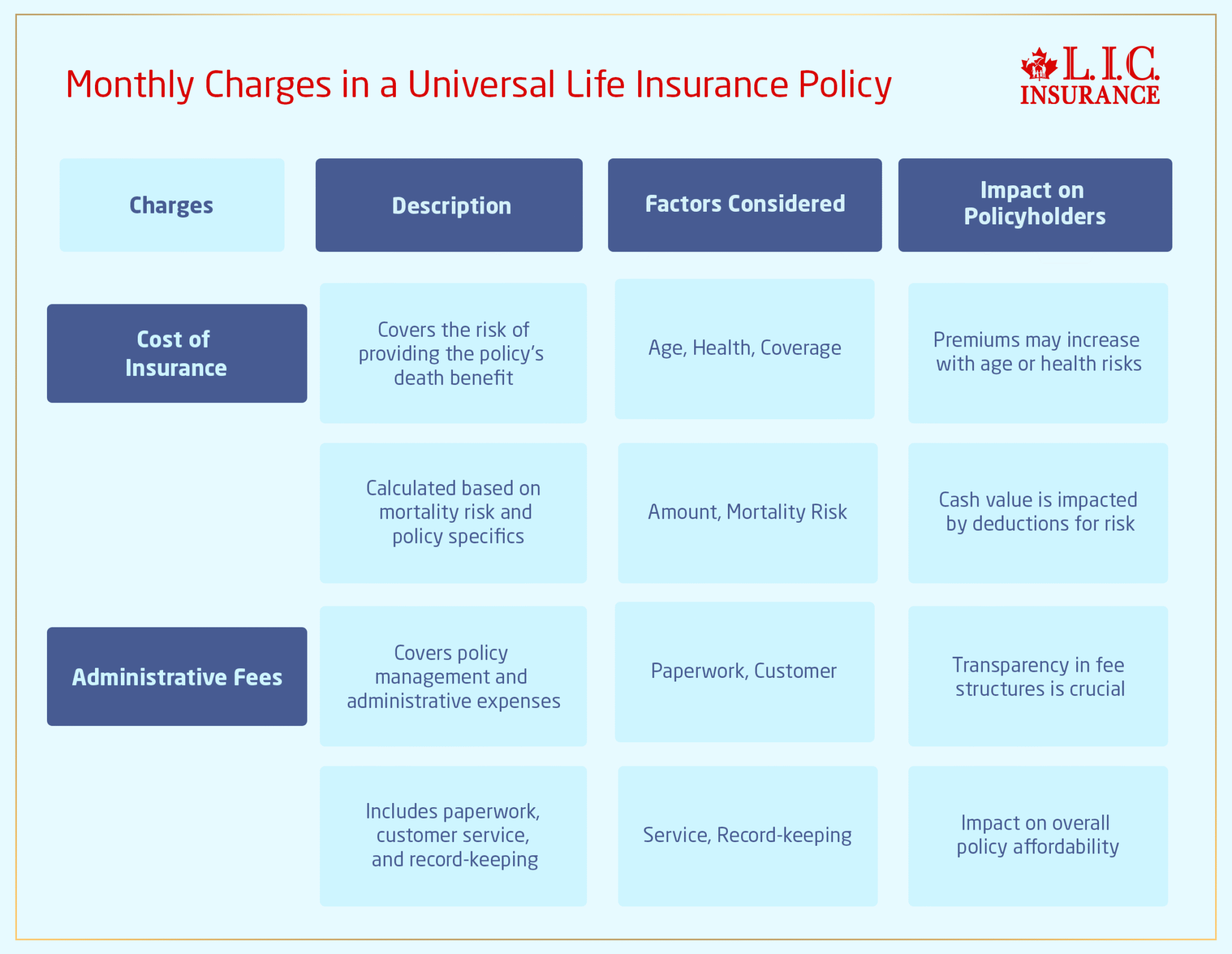
Every universal life policy consists of two primary parts: the death benefit (the face amount paid to beneficiaries) and the cash value (the equity that builds within the policy). When you pay a premium, a portion goes toward the cost of insurance (COI) and administrative fees, while the remainder is credited to the cash value account.
In 2026, most modern UL policies utilize a "unbundled" structure, which allows the policyholder to see exactly how much is being charged for the insurance protection versus how much is being funneled into the cash accumulation. This transparency is a significant departure from traditional whole life insurance and offers a level of control that term insurance simply cannot match.
Interest Crediting and Growth
The cash value in a universal life policy earns interest based on the specific type of UL policy chosen. Unlike term insurance, where the premiums paid are "lost" if the policy expires, the cash value in a UL policy grows over time.
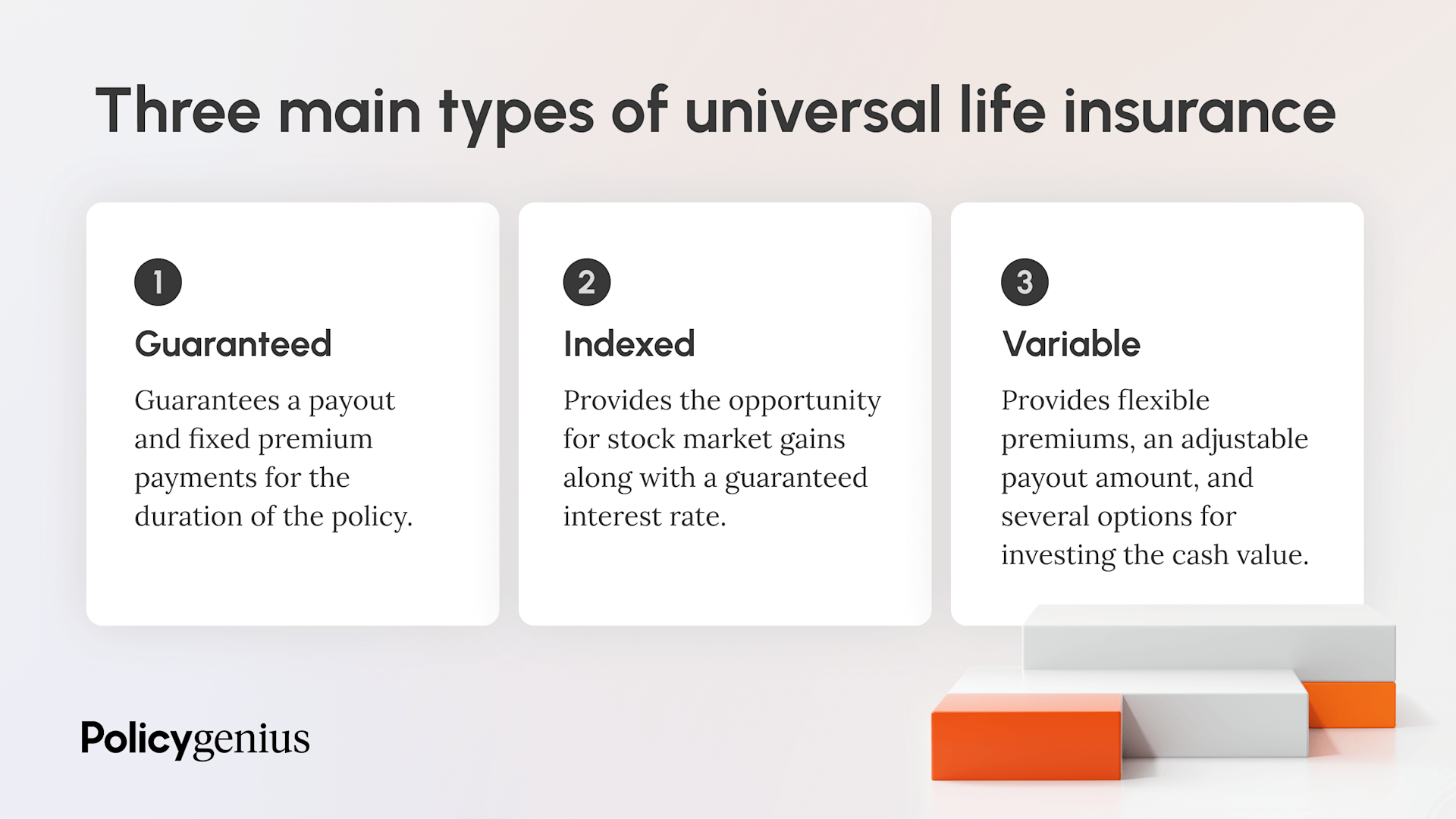
- Current Assumption UL: Interest is credited based on the insurer's current portfolio performance, usually with a guaranteed minimum rate.
- Indexed Universal Life (IUL): Interest is tied to the performance of a market index, such as the S&P 500, often featuring a "floor" to prevent losses and a "cap" on maximum gains.
- Variable Universal Life (VUL): The cash value is invested directly in sub-accounts (similar to mutual funds), offering the highest growth potential along with the highest market risk.
Flexibility: The Hallmark of Universal Life
The primary reason a universal life insurance policy offers more than just term protection is its inherent flexibility. Term insurance is rigid; you pay a fixed premium for a fixed death benefit over a fixed number of years. If your financial situation changes, your only real options are to keep the policy as-is or cancel it.
Adjustable Premiums
In 2026, economic volatility has made the adjustable premium feature of UL policies particularly attractive. If you experience a windfall, you can overfund the policy (up to certain IRS limits) to boost the cash value. Conversely, if you face a temporary financial hardship, you may be able to lower or even skip premium payments, allowing the accumulated cash value to cover the internal cost of insurance. This "premium holiday" capability provides a safety net that term insurance lacks.
Modifiable Death Benefits
Life insurance needs are rarely static. When children are young, a high death benefit is often necessary. As a mortgage is paid off or retirement savings grow, that need might decrease. Universal life allows you to increase or decrease the death benefit over time. Note that an increase usually requires new medical underwriting to ensure you are still a standard or preferred risk.
Tax Advantages and Wealth Accumulation
Beyond the death benefit, universal life insurance serves as a sophisticated tax-planning vehicle. The internal Revenue Code (specifically Section 7702 in the United States) provides several key benefits to permanent life insurance that are not available with term policies.
Tax-Deferred Growth
The interest or market gains credited to the cash value of a universal life policy grow on a tax-deferred basis. This means you do not pay annual income or capital gains taxes on the growth within the policy. Over decades, this tax-free compounding can lead to significantly higher accumulation than a comparable taxable brokerage account.
Tax-Free Access to Capital
Policyholders can access their cash value through withdrawals or policy loans. In many jurisdictions, policy loans are not considered taxable income, even if the amount borrowed exceeds the total premiums paid. This allows the policy to act as a "personal bank." In 2026, many retirees use these tax-free loans to supplement their income during market downturns, preserving their traditional 401(k) or IRA assets until the market recovers.
Comparison: Term Life vs. Universal Life (2026 Standards)
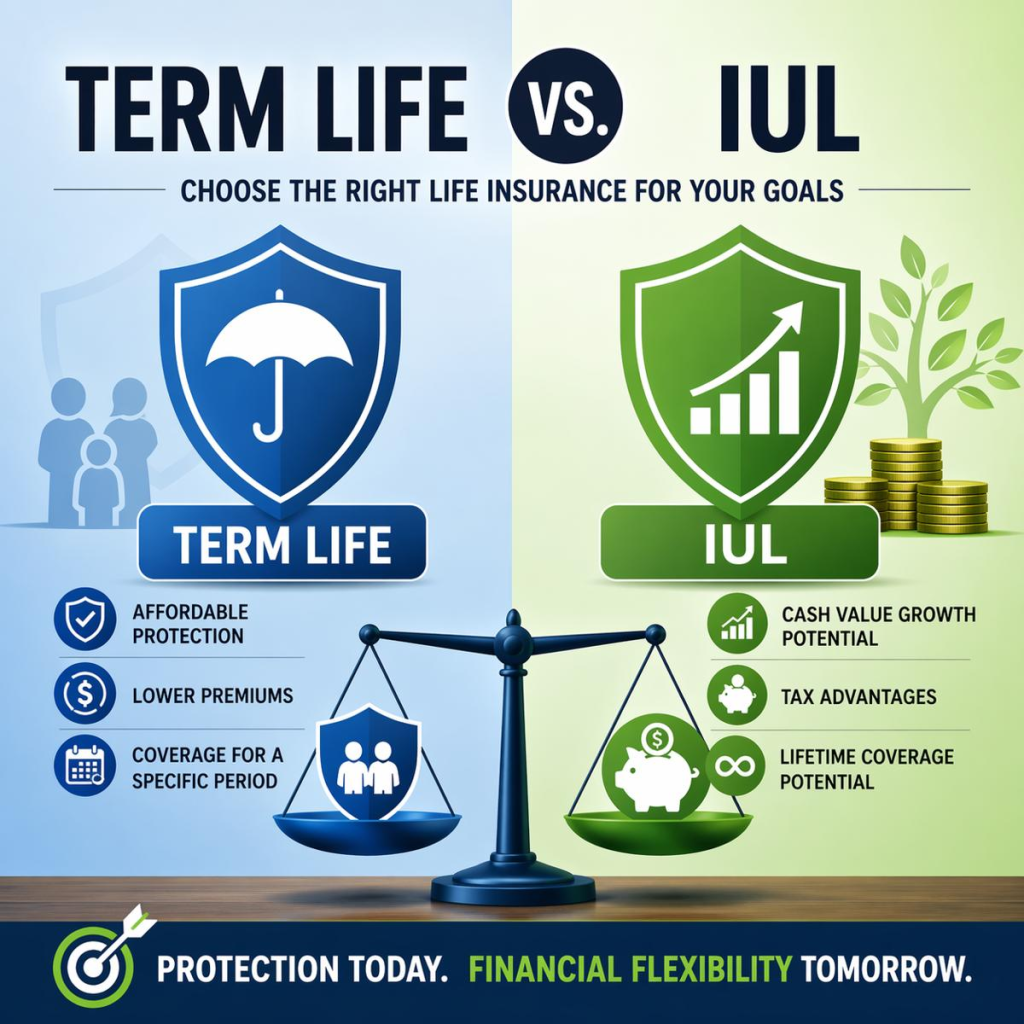
The following table outlines the functional differences between a standard 20-year term policy and a flexible universal life policy.
| Feature | Term Life Insurance | Universal Life Insurance |
|---|---|---|
| Duration | Temporary (e.g., 10, 20, or 30 years) | Permanent (Life of the insured) |
| Cash Value Build-up | None | Yes, with interest or index-linked growth |
| Premium Payments | Fixed and mandatory | Flexible (can be adjusted by policyholder) |
| Death Benefit | Fixed | Adjustable (increase or decrease) |
| Cost | Low initial cost | Higher initial cost due to cash funding |
| Policy Loans | Not available | Available against the cash value |
| Tax Benefits | Tax-free death benefit | Tax-free death benefit + tax-deferred growth |
| Primary Use Case | Income replacement during working years | Estate planning, tax-advantaged savings |
Strategic Use Cases for Universal Life in 2026
Universal life is not a one-size-fits-all solution, but for specific financial goals, it provides utility that term insurance cannot replicate.
1. Estate Liquidity and Tax Planning
For individuals with estates exceeding the federal or state tax exemptions, universal life insurance provides the liquidity needed to pay estate taxes without forcing the sale of illiquid assets like real estate or a family business. Because the coverage is permanent, it ensures the funds are available whenever the death occurs, whereas a term policy might expire just when it is needed most.
2. Supplementing Retirement Income
High-income earners who have already maximized their contributions to 401(k)s and IRAs often use Indexed Universal Life (IUL) as an additional "bucket" for tax-advantaged savings. By overfunding the policy in early years, they build a substantial cash reserve that can be tapped during retirement via tax-free loans.
3. Business Succession Planning
In "Buy-Sell" agreements, partners in a business often buy life insurance on one another. If a partner dies, the surviving partners use the death benefit to buy out the deceased partner's heirs. Universal life is preferred over term for this purpose because the timing of a partner's death is unpredictable, and the policy's cash value can also be used as a business asset on the balance sheet.
Risks and Critical Considerations
While a universal life insurance policy offers more than just term protection, it also carries more complexity and risk. It is not a "set it and forget it" product.
- Policy Lapse Risk: If the cash value is not sufficient to cover the rising cost of insurance (which increases as you age), and you do not pay enough in premiums, the policy could lapse. This would result in the loss of coverage and potential tax consequences on any outstanding loans.
- Surrender Charges: Most UL policies have a surrender period (often 10 to 15 years). If you cancel the policy or withdraw too much cash early on, the insurance company will deduct significant fees.
- Interest Rate Sensitivity: In a low-interest-rate environment, the cash value of a Current Assumption UL policy may grow slower than projected. This might require the policyholder to pay higher premiums than originally anticipated to keep the policy in force.
Prerequisites and Eligibility
To secure a universal life policy in 2026, applicants must undergo a process that evaluates both their health and financial standing.
- Medical Underwriting: While "accelerated underwriting" (using data and algorithms instead of a physical exam) is more common in 2026, many permanent policies still require a paramedical exam. This includes blood work, blood pressure checks, and a review of medical history.
- Financial Underwriting: Because UL policies involve large death benefits and significant cash accumulation, insurers will verify your income and net worth to ensure the "insurable interest" matches the requested coverage amount.
- Suitability Review: Most reputable agents and carriers now require a suitability analysis to ensure the policyholder understands the risks associated with cash value fluctuations and the long-term commitment required.
Frequently Asked Questions
Can I lose money in a universal life insurance policy?
In a Variable Universal Life (VUL) policy, yes, your cash value can decrease if the underlying investments perform poorly. In an Indexed Universal Life (IUL) policy, most contracts have a 0% floor, meaning you won't lose principal due to market drops, but you could still "lose" value if the annual fees and cost of insurance exceed the interest credited that year.
Is universal life better than a 401(k)?
It is not necessarily "better," but it is "different." A 401(k) is designed primarily for retirement savings with an upfront tax deduction. A universal life policy is designed primarily for life insurance protection with a secondary benefit of tax-deferred growth. For most people, maximizing a 401(k) with an employer match should come before funding a UL policy.
How do policy loans work?
When you take a loan from your universal life policy, you are not actually withdrawing your own money. Instead, the insurance company lends you money from their general fund, using your cash value as collateral. The cash value remains in the policy and continues to earn interest. However, the loan itself accrues interest, which must be managed to prevent the policy from collapsing.
Why not just buy term and invest in a brokerage account?
This is a valid strategy for many. However, universal life offers three things a brokerage account does not: a guaranteed death benefit that is generally income-tax-free, tax-deferred growth without annual "tax drag," and protection from creditors in many states. For those in high tax brackets, the tax savings often outweigh the higher fees of the insurance policy.
Can I convert my existing term policy to universal life?
Many term life policies include a "conversion rider." This allows you to switch your term coverage to a permanent policy (like universal life) without undergoing a new medical exam. This is a vital feature if your health has declined since you first bought the term policy.
Practical Recommendation
If you are seeking basic protection to cover a 20-year mortgage or provide for young children until they reach adulthood, term life insurance remains the most cost-effective solution. However, if you are looking for a permanent solution for estate taxes, a way to build tax-advantaged wealth, or a flexible financial instrument that can adapt to your changing life stages, a universal life insurance policy is the superior choice.
Before committing, request a "policy illustration" from your insurance professional. This document shows how the policy is projected to perform over 30+ years under various interest rate scenarios. Ensure you understand the "guaranteed" versus "non-guaranteed" columns, as the guarantees are the only thing the insurance company is legally obligated to provide. In 2026, consulting with a fee-based financial planner who does not earn a commission on the sale can provide an unbiased perspective on whether a UL policy fits your specific wealth architecture.